

Introduction
Alderney is a high-trust gambling jurisdiction used by operators that prioritize regulatory credibility, structured oversight, and long-term commercial confidence.
This guide explains the Alderney gaming license by covering the legal framework, license structure, application process, estimated costs, compliance duties, and the types of operators this jurisdiction best suits.

Alderney as a Jurisdiction
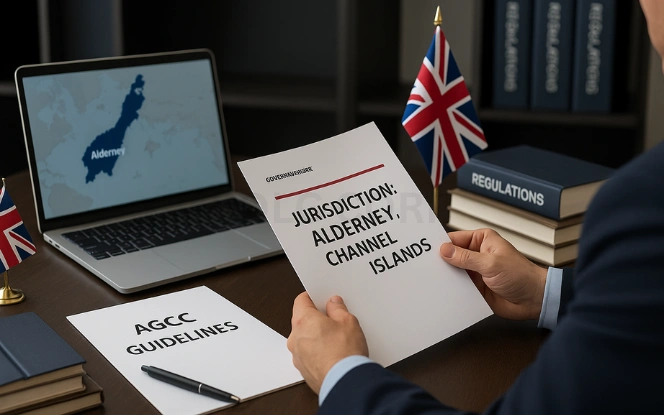
Alderney is a legal dependency in the Channel Islands. It offers a strong legal base and operates its own regulatory system. The Alderney Gambling Control Commission (AGCC) manages all licensing and oversees fair play, safety, and transparency. The Alderney Gambling License commands respect across payment providers and software vendors.
License Types and Structure
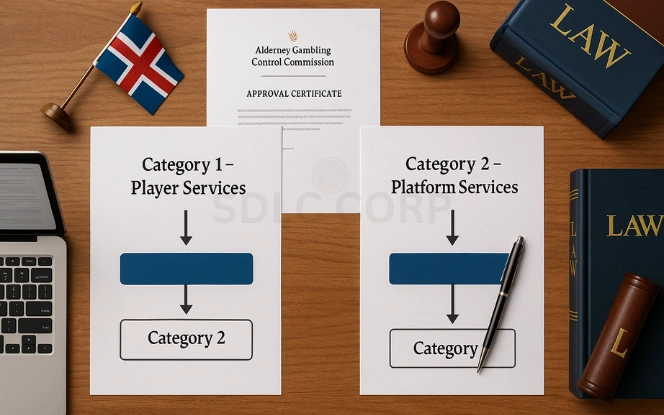
The AGCC issues two licenses:
- Category 1: For operators handling player funds, registration, and accounts.
- Category 2: For software, platform providers, and hosting.
Operators can hold both licenses if they perform both back-end and player-facing operations. This layered structure scales well for firms from startups to major gaming groups.
The right license category depends on whether you are directly handling player activity, providing platform services, or both.
How to Get an Alderney Gaming License
Alderney’s licensing process is structured and documentation-heavy.
Operators should expect legal, technical, financial, and compliance review before approval is granted.
1. Pre-Application Discussion
Reach out to the AGCC early. Clarify whether you need a Category 1, Category 2, or both. Explain your intended services and target markets. This ensures alignment with the Alderney Gambling Control Commission (AGCC) before formal submission.
2. Document Preparation
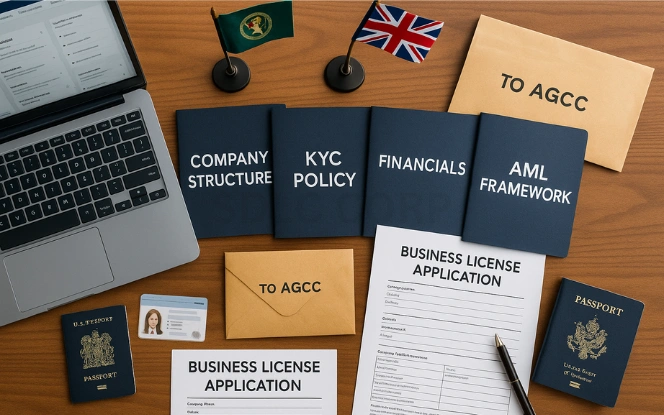
Gather a detailed set of documents:
- Corporate structure, ownership, and filings
- Business plan with revenue model and target markets
- Technical architecture: games, RNG systems, hosting, and security
- Compliance policies — KYC, AML, responsible gambling
- Audited financials and projections
- Background and CVs of directors or shareholders
3. Formal Application Submission
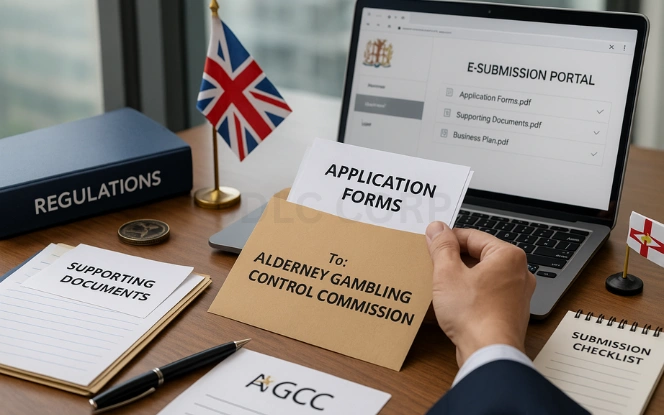
Submit all documents and pay the application fee. The commission reviews the package and begins due diligence.
The formal filing also requires payment of the initial investigation deposit. AGCC guidance further expects the applicant to have an Alderney-registered company in place and to publish the required notice in the Alderney Gazette before the application is submitted.
4. Due Diligence and Background Checks
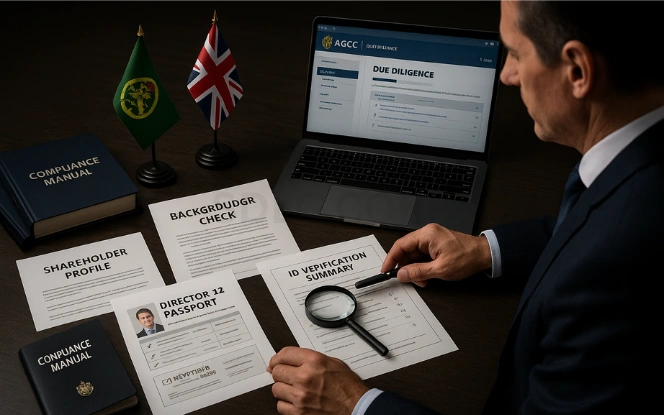
Both your business and key individuals face checks for criminal records, financial reliability, and past regulatory issues. The AGCC also assesses competence and experience.
5. Technical System Assessment

AGCC inspects your systems—RNG certificates, game fairness, KYC tools, AML systems, data protection, and platform integrity. They may require third-party audits or remote testing.
6. Review and Approval
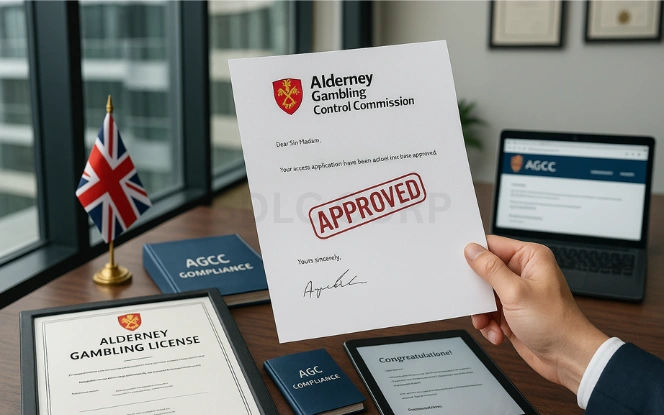
Once due diligence passes, Alderney issues either a provisional certificate or full license. You must fulfill all conditions before launch.
7. Compliance Setup and Launch
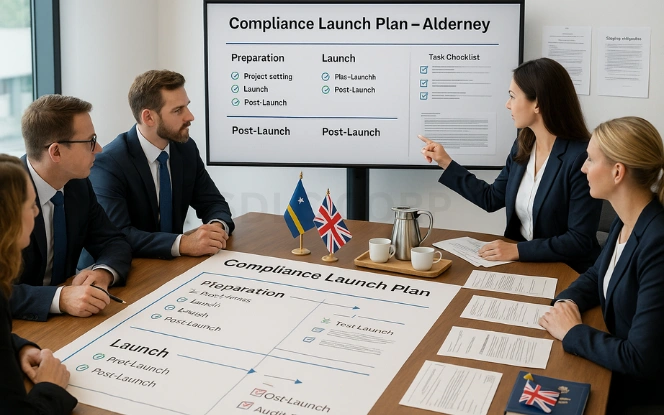
Finalize your setup and ensure continued compliance. Only then can you operate under the full Alderney Gaming License.
Alderney Gambling Control Commission (AGCC)
Since 2000, the Alderney Gambling Control Commission (AGCC) has overseen regulation of online gambling from the island. It operates independently and reviews applications, audits licensees, investigates complaints, and enforces compliance standards.
The AGCC is generally viewed as a practical but serious regulator, which is one of the reasons Alderney carries strong commercial credibility.
Alderney eGambling Regulations
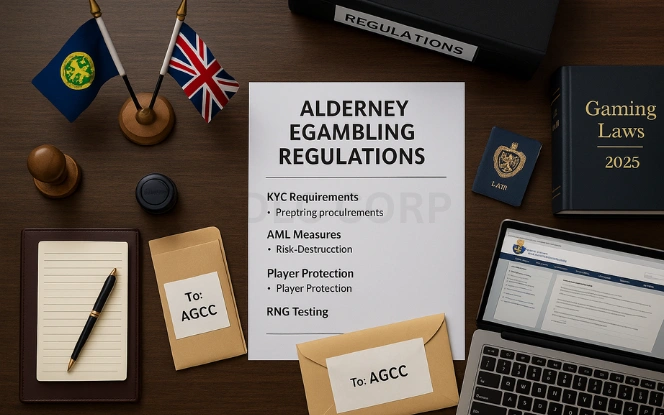
Operators must comply with the Alderney eGambling Regulations, covering:
- KYC verification
- AML controls and training
- Independent game testing and RNG certification
- Segregated player funds
- Responsible gambling tools (limits, self-exclusion)
The AGCC updates its expectations carefully as technology and market standards evolve. Operators should treat these requirements as ongoing obligations, not one-time setup tasks.
Benefits of Licensing in Alderney
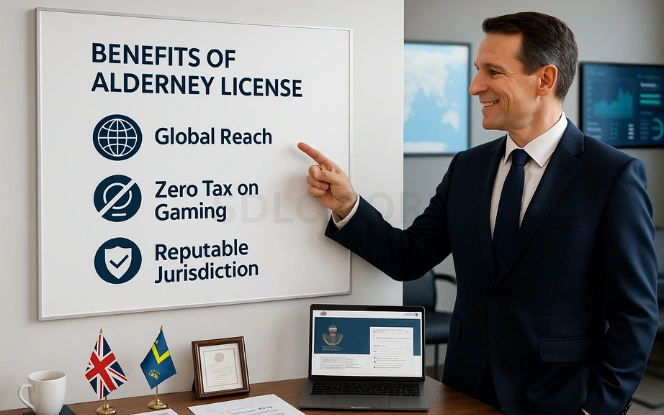
- International credibility through an Alderney Gambling License
- Strong legal and regulatory framework
- Practical and collaborative regulation via AGCC
- Tax efficiency for gambling profits
- Licensing structure that supports business growth
Challenges and Operational Requirements
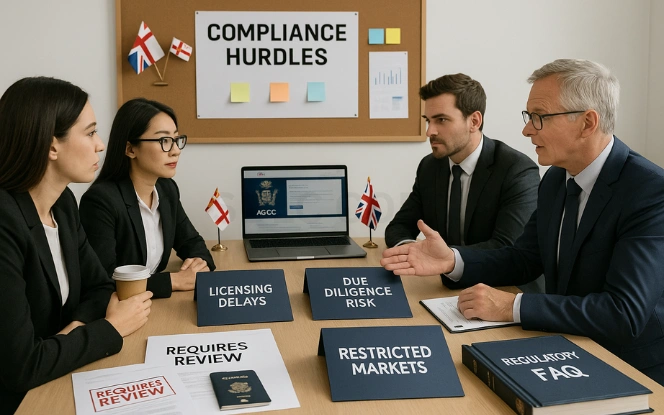
Challenges to Consider
- Initial documentation and approval effort is significant
- Upfront and ongoing costs are higher than lower-tier offshore jurisdictions
- Regulatory reporting and audits require ongoing attention
- The license does not automatically override local market-access laws

What an Alderney-Licensed Operation Must Be Ready For
- RNG certification and fairness testing
- Player-protection controls
- AML, fraud, and transaction monitoring
- Secure hosting, payments, and operational controls
Cost of Alderney Gaming License
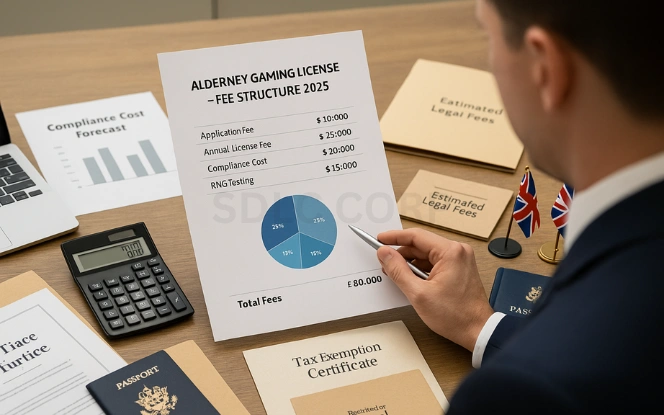
| Cost Item | Amount | Notes |
|---|---|---|
| Initial Investigation Deposit | £10,000 | Paid with the formal application and used against AGCC investigation costs |
| Category 1 Licence Fee (qualifying first year) | £17,500 | Applies where there is no previous licensed Category 1 activity in Alderney |
| Category 1 Licence Fee (other new applications) | £35,000 | Applies where the qualifying first-year condition is not met |
| Category 1 Renewal Fee | £35,000–£400,000 | Banded by annualised net gaming yield |
| Category 2 Licence Fee (qualifying first year) | £17,500 | Applies where there is no previous licensed Category 2 activity in Alderney |
| Category 2 Licence Fee (other new applications) | £35,000 | Applies where the qualifying first-year condition is not met |
| Category 2 Renewal Fee | £35,000 | Fixed renewal fee |
| Internal Control System Approval Deposit | £10,000 | Operational approval stage before going live |
| Gambling Equipment Approval Deposit | £5,000 | Operational approval stage before going live |
| Key Individual Investigation Deposit | £1,000 each | Applies to relevant individuals requiring AGCC approval |
Additional costs usually include legal support, documentation, independent testing, audit work, and any supplementary investigation costs actually incurred by the Commission.
Renewal and Ongoing Obligations
Operators must keep their systems, policies, and ownership disclosures current after approval. This includes annual audit reporting, maintaining certified systems, and notifying the AGCC of material operational changes.
Non-compliance can lead to penalties, restrictions, or suspension, so regular internal reviews and periodic third-party audits are advisable. For the broader international licensing framework, see our global gambling license guide.
Why Choose Alderney Over Other Jurisdictions?

Alderney is often chosen by operators that value structured oversight, stronger commercial credibility, and a regulator associated with long-term operational discipline.
It is usually a better fit for businesses that can handle a higher compliance burden in exchange for stronger trust with payment providers, software partners, and more demanding commercial stakeholders.
Conclusion
An Alderney gaming license is usually the right fit for operators that prioritize credibility, structured regulation, and long-term trust over low-cost, fast-entry licensing routes.
While the process is more demanding than lighter offshore jurisdictions, the commercial value often comes from stronger signaling, better partner confidence, and a more disciplined compliance environment. If you need the regional context, use our Europe gambling license guide.
FAQs:
What is the Alderney Gambling License?
The Alderney Gambling License is a regulatory authorization issued under the supervision of the Alderney Gambling Control Commission (AGCC). It allows approved gambling businesses to operate under strict standards for fairness, player protection, and operational integrity.
What is the difference between Category 1 and Category 2?
A Category 1 licence covers the organization and preparation of gambling operations, including player registration, the contractual relationship with players, and management of player funds.
A Category 2 licence covers the effecting of the gambling transaction and operational management of the gambling platform.
How long does it usually take to get an Alderney license?
Timing depends on documentation quality, technical readiness, and the speed of responses during due diligence.
AGCC guidance says the average licence approval for suitability is about 60 days, initial equipment approval averages about 60 days,
and initial internal control system approval averages about 70 days.
Operators should usually plan for a structured multi-stage process rather than a quick offshore filing.
What are the main requirements for approval?
Applicants typically need strong business documentation, technical system evidence, compliance frameworks for KYC and AML, a suitable Alderney company structure, and successful background checks for key individuals.
What does an Alderney license usually cost?
Total cost depends on whether the business needs Category 1, Category 2, or both. AGCC fee materials show a £10,000 initial investigation deposit, first-year licence fees of £17,500 for qualifying new Category 1 or Category 2 applicants, Category 1 renewals banded from £35,000 to £400,000, Category 2 renewals at £35,000, and additional deposits for internal control systems, gambling equipment, and relevant key individuals.
Does an Alderney license allow global operation automatically?
No.While it carries strong international credibility, operators must still comply with local laws in each target market and cannot assume automatic market access everywhere.