Introduction
Cyprus is a practical option for operators that want a regulated betting licence inside an EU jurisdiction. The key point, however, is that Cyprus is a betting market, not a broad online casino market. Before you budget for incorporation, infrastructure, legal work, or launch planning, you need to confirm that your product fits what the framework actually allows.
This guide explains how to get a Cyprus gambling licence, what Class A and Class B licences cover, what they do not cover, the main financial requirements, and the ongoing compliance obligations operators should plan for after approval.
Cyprus Gambling Licence at a Glance
- Regulator: National Betting Authority (NBA)
- Main law: Betting Law 37(I)/2019
- Class A: land-based betting
- Class B: online betting through a .com.cy website
- Not covered: online casino games, slots, poker, and electronic horse-racing betting
- Application fee: €30,000 for one year or €45,000 for two years
- Paid-up share capital: at least €500,000
- Bank guarantee: €550,000, with the Authority able to request more if needed to cover 10% of annual turnover
- Infrastructure requirement for Class B: a backup server in Cyprus connected in parallel to the main server
What the Cyprus Licence Covers and What It Does Not
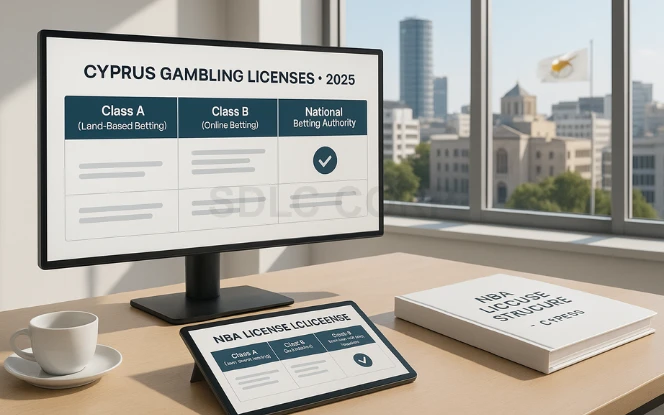
One of the biggest mistakes operators make is assuming that “Cyprus gambling licence” means full iGaming coverage. It does not. Cyprus allows licensed betting activity, but it does not give operators a route to run an online casino, slot platform, or poker room under the same framework.
Class A: Land-Based Betting
A Class A licence is for physical betting operations. It covers betting services provided at licensed premises and is not the route for online betting or casino-style products.
Class B: Online Betting
A Class B licence is the online route. It is designed for electronic betting services, but it still has clear limits. It does not cover online casino games, slot machines, or electronic horse-racing betting. It also operates through a specialised website ending in .com.cy.
That distinction matters for page intent and business planning. If your roadmap depends on sportsbook operations, Cyprus can be relevant. If your core product is casino-first, you should evaluate a different jurisdiction instead of forcing the wrong licence fit.
Who Cyprus Is a Good Fit For
Cyprus tends to make the most sense for operators that want a regulated betting setup with an EU-facing framework and are comfortable with the practical compliance workload that comes with it. It is usually a stronger match for sportsbook-led businesses than for broader casino content portfolios.
- Choose Cyprus if your product is betting-led and you want a well-defined local regulatory framework.
- Think twice if you need slots, online casino games, poker, bingo, or other casino-first content under the same licence.
- Plan carefully if your operating model depends on fast, low-friction launches, because Cyprus brings meaningful capital, guarantee, infrastructure, and reporting requirements from the start.
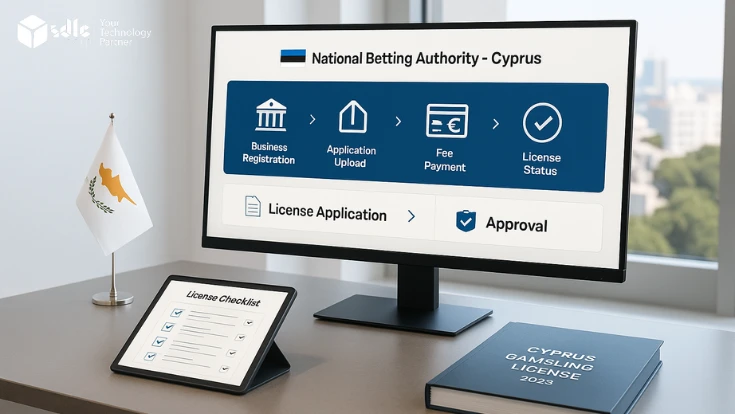
Step-by-Step Process to Apply
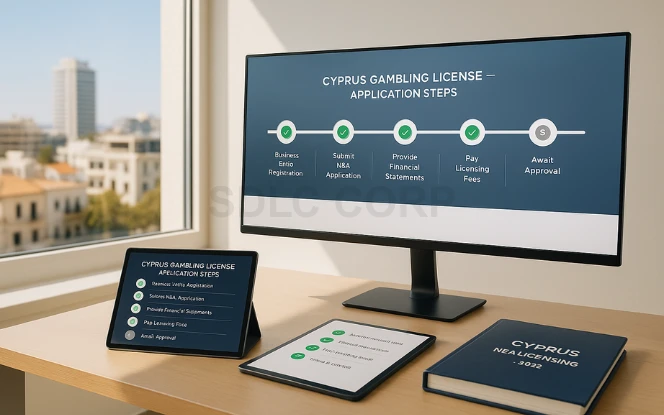
Step 1: Confirm that Cyprus matches your product
Start by checking product fit, not by preparing documents. If you want to offer online betting, Class B is the relevant path. If you need online casino content, Cyprus is not the right destination for that model.
Step 2: Prepare the applicant company structure
The law requires a company limited by shares. It can be incorporated in Cyprus or outside Cyprus, provided it complies with the applicable corporate requirements and licensing conditions. The applicant also needs a postal address in the Republic for regulator communications.
Step 3: Build the financial and technical file
Before filing, make sure the paid-up share capital, bank guarantee, business plan, compliance materials, and technical documentation are in order. For Class B, the application must also include information about the required backup server in Cyprus.
Step 4: Complete the official forms and supporting declarations
The NBA publishes current application forms for Class A and Class B licences, together with personal declaration forms, bank guarantee samples, and business-plan templates. This is where a clean, complete filing makes a real difference.
Step 5: Submit the application fee and respond quickly during review
The Authority charges €30,000 for a one-year Class A or B licence and €45,000 for a two-year licence. In practice, operators should plan for a multi-month process and be ready to answer follow-up requests quickly to avoid unnecessary delays.
Step 6: Prepare for launch compliance before approval arrives
A licence should not be treated as the finish line. Website disclosures, responsible-gambling tools, payment controls, player-fund handling, recordkeeping, and reporting should already be operational by the time approval is granted.
Costs, Tax, and Financial Requirements
A realistic Cyprus budget needs to look beyond the application fee. The headline numbers come from the regulator, but the total cost of market entry also depends on company setup, legal drafting, technical controls, and post-approval audit work.
- Application fee: €30,000 for one year or €45,000 for two years
- Minimum paid-up share capital: €500,000
- Bank guarantee: €550,000, with the Authority able to request a higher amount if needed
- Betting tax: 10%
- Contribution: 3% under the current framework
Those figures make Cyprus more demanding than many “quick launch” narratives suggest, so operators should model both initial spend and recurring compliance cost before choosing the jurisdiction.
What Ongoing Compliance Looks Like
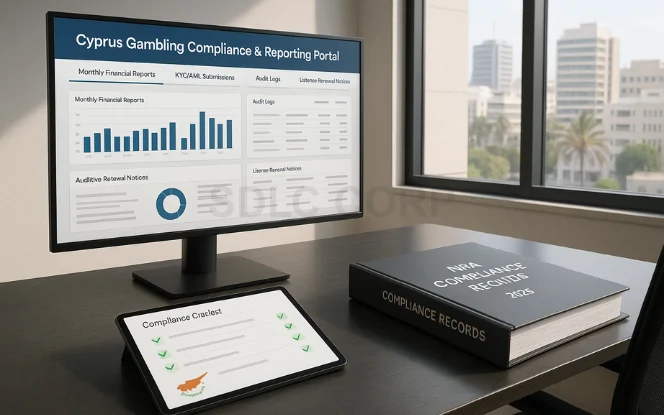
Approval is only the start. The more sustainable operators treat licensing as an operating discipline, not a one-time legal step.
- AML and KYC: operators need robust onboarding, verification, monitoring, and suspicious-activity processes.
- Player protection: Class B websites must support limits, self-exclusion options, and complaint handling.
- Player funds: player balances must be kept in a separate clients’ bank account.
- Website disclosures: the site homepage must show licence details, the regulated status, approved support links, and key terms.
- Technical readiness: the required backup-server setup and data controls should remain review-ready at all times.
- Reporting and audit discipline: recurring tax, contribution, and compliance obligations continue after launch.
For readers comparing compliance depth across markets, our guide to regulatory compliance challenges in the iGaming industry is the most relevant supporting resource from the sitemap.
Common Mistakes to Avoid
- Assuming Cyprus covers online casino. It does not. This is the single biggest misunderstanding around the market.
- Starting with marketing instead of product fit. Licence class and permitted product type should come first.
- Underestimating financial requirements. The fee is only part of the picture once capital and guarantee requirements are included.
- Treating compliance as a post-launch task. Player protection, disclosures, account controls, and reporting obligations need to be built into operations from day one.
- Using outdated summaries. Always check the latest NBA forms, fees, and registers before filing.
When to Look at Other Jurisdictions
If your business model is casino-first, Cyprus is usually the wrong fit because the framework is built around betting, not full online casino operations. In that situation, a jurisdiction comparison is more useful than trying to stretch Cyprus beyond what the law allows.
For that next step, the most relevant internal resource from your sitemap is the guide to European gambling licence options. It helps readers compare Cyprus with other routes before committing to incorporation and compliance work.
Conclusion
Cyprus can be a strong option for operators focused on regulated betting, but it is not a catch-all iGaming licence. The best outcomes come from matching the jurisdiction to the exact product mix, budgeting for the real financial thresholds, and preparing the technical and compliance stack before the application goes in.
If you take only one point from this guide, let it be this: in Cyprus, sportsbook-style betting can fit, but online casino does not. Getting that call right early will save time, budget, and avoidable restructuring later.
FAQs
Can international companies apply for a Cyprus gambling licence?
Yes. The law allows an application from a company limited by shares incorporated in Cyprus or outside Cyprus, provided it meets the legal and licensing requirements for the relevant class.
Does a Cyprus licence cover online casino games or slots?
No. A Cyprus Class B licence covers online betting, not online casino games, slot machines, or electronic horse-racing betting. The Authority has also publicly warned that online casinos are illegal under Cyprus legislation.
How much does a Cyprus gambling licence cost?
The official fee is €30,000 for a one-year Class A or B licence and €45,000 for a two-year licence. Operators should also plan for at least €500,000 in paid-up share capital and a €550,000 bank guarantee.
Do I need a server in Cyprus for a Class B application?
The law requires information and data relating to a backup server in Cyprus that operates in parallel with the main server. That is more precise than saying all infrastructure must be hosted locally.
What does a Class B operator need to show on its website?
The homepage must include the company’s registered name and address, licence number and issue date, a statement that the activity is regulated by the Authority, approved support links, terms and conditions, and player-protection tools such as limits and self-exclusion options.
How long should operators expect the process to take?
The Authority does not promise a fixed turnaround in the materials reviewed here, so the safest expectation is a multi-month process that depends heavily on how complete the filing is and how quickly follow-up questions are answered.