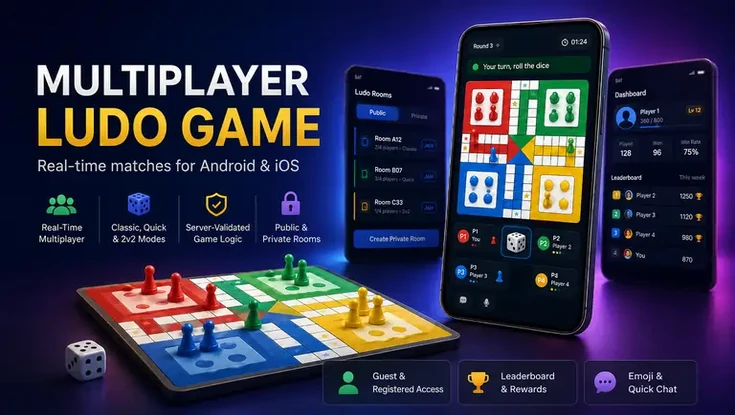
Multiplayer Ludo Game
A real-time Ludo game for a mobile gaming company, with public and private rooms and Classic, Quick and 2v2 modes.
- Server-validated dice and token moves
- Reconnect to the exact turn after a drop
- Delivered in 14 to 16 weeks

Explore selected game projects delivered by SDLC Corp across multiplayer, casual, Web3, VR and game AI work. See how each project approached gameplay, UX, platform architecture, and launch readiness.
Filter by game type, then see how each project approached gameplay design, platform architecture, player experience, and launch delivery.
Showing 8 case studies

Casual & Board · Android, iOS
A real-time Ludo game for a mobile gaming company, with public and private rooms and Classic, Quick and 2v2 modes.
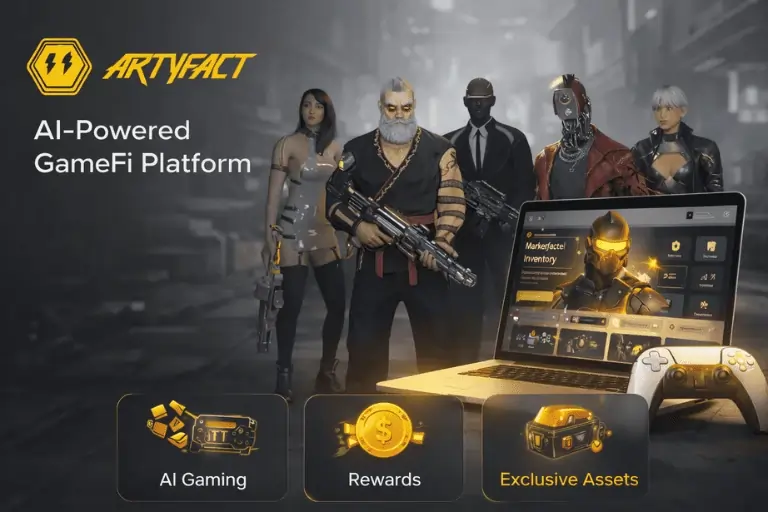
Web3 & GameFi · Web
A blockchain-powered gaming platform with NFT marketplace features, multilingual access, in-game asset trading, and token-enabled ecosystem features.

AR/VR · VR headset, 5G
A 5G-powered VR soccer game built for Orange Jordan, delivering 360° gameplay, low-latency performance, and large-scale live event support.
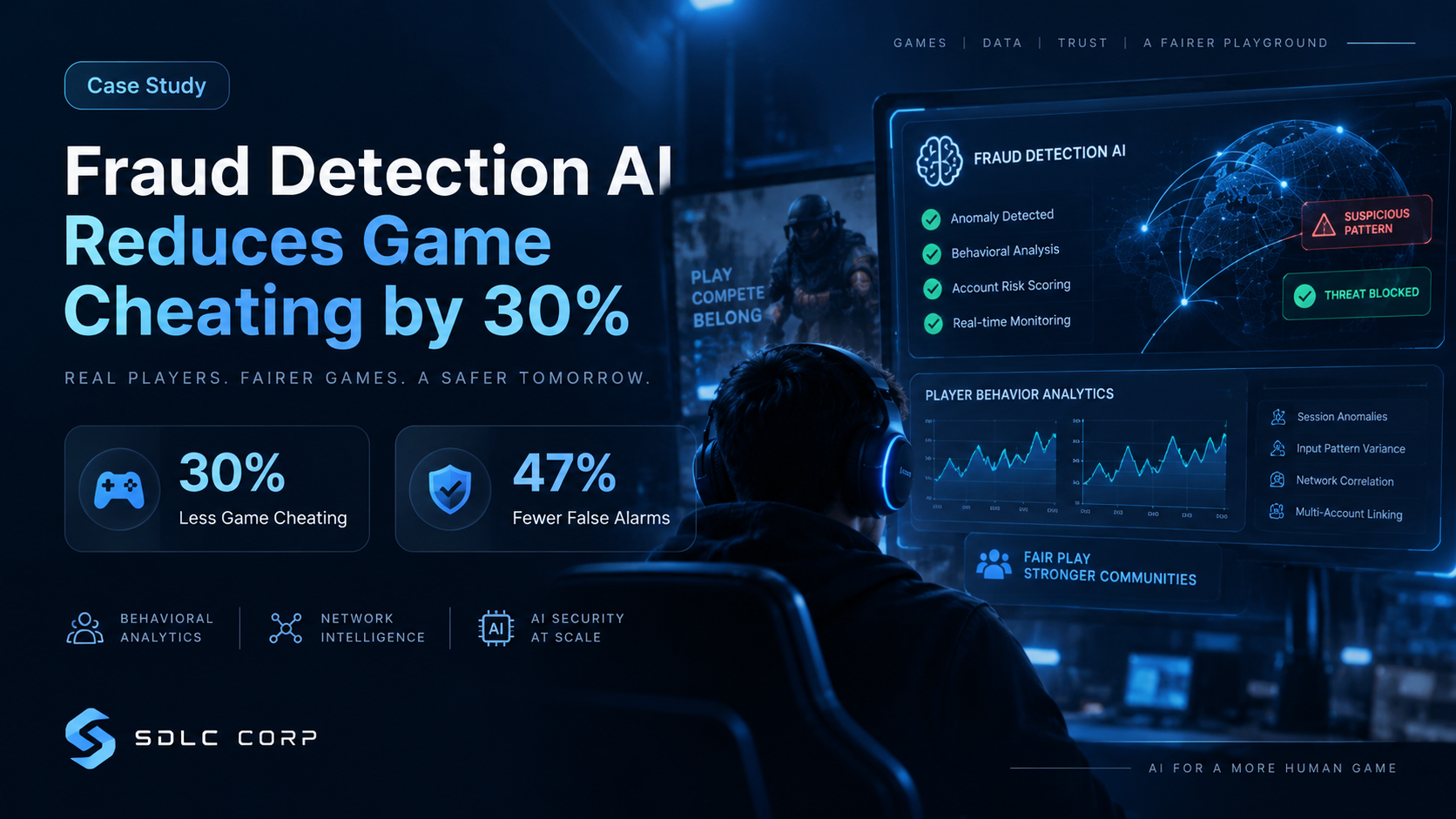
Game AI & Anti-Cheat · Live online game network
Real-time graph machine learning that detects collusion and multi-account abuse on a high-volume online game network.
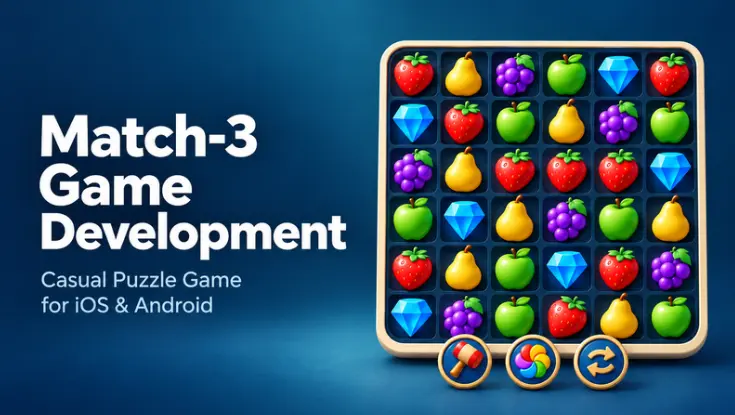
Reference BuildCasual & Board · iOS, Android
A casual match-3 puzzle game built in Unity with levels, boosters, rewarded ads and optional purchases.
Web3 & GameFi · Android, iOS
A DeFi metaverse game where players trade in-game assets as NFTs and swap tokens on chain.
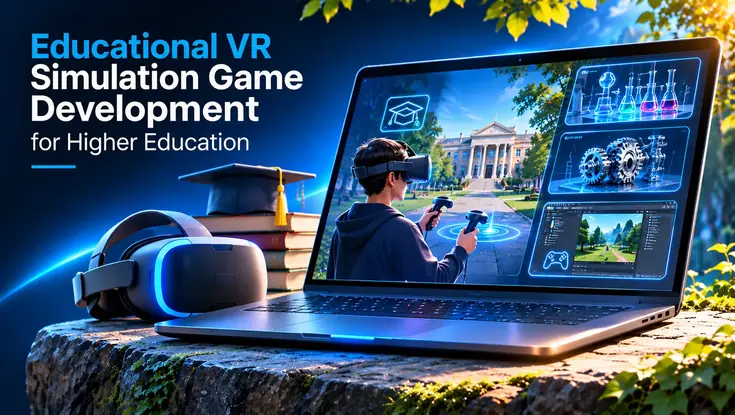
AR/VR · Meta Quest 3, OpenXR
An Unreal Engine 5 virtual lab for a leading US Ivy League university, where students learn equipment and practice lab procedures in VR.
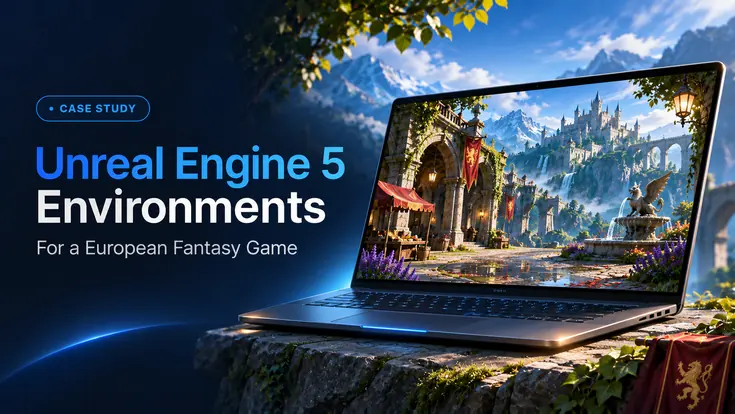
3D Environments · Unreal Engine 5
Chapter environments for a European studio's high-fantasy game, built to match the client's creative direction and wider world.
Share your game concept, platform requirements, player flows, and launch goals with our game team.
Start from the business you run. Each card shows what teams like yours ask us to build.
You need real-time multiplayer, retention and store-ready iOS and Android builds.
You need NFT asset trading, wallets and an in-game economy on chain.
You need a VR game that holds up at live events.
You need cheat and collusion detection that keeps up with live play.
Our 90+ game development engineers are part of SDLC Corp’s global team of 1,200+ engineers. To date, our game development team has delivered 400+ projects.
“They were willing to discuss alternative approaches and explain the practical implications of design decisions.”
Digital entertainment client · July 14, 2026
Read the 3D Game Development Review on ClutchEach service below delivered at least one project in this library.
Android and iOS games with real-time multiplayer, rewarded ads and in-app purchases.
Ludo, puzzle and other casual titles for iOS and Android.
2D and 3D Unity games with real-time multiplayer and store-ready builds.
Unreal Engine 5 game worlds and VR simulations built with Nanite and Lumen.
NFT games, play-to-earn economies and Web3 game infrastructure.
Headset VR and AR games for brands, events and players.
See how the projects on this page use Unity for mobile games, Unreal Engine 5 for VR and 3D environments, and graph machine learning to detect cheating.
Straight answers on our projects, ownership, engines and budgets.
Yes, except one. Each case study names the client type and the scope we delivered. The Match-3 case study is a reference build, and its page is labelled that way.
Yes. We start from your rules, platforms and revenue model, then apply what we learned on the closest project. Share your brief and we will map the scope, team and timeline.
You do. NDA, source code, game assets, IP ownership and handover terms are confirmed in writing before development begins.
Our teams build with Unity and Unreal Engine for mobile, PC, console, Web3 and AR/VR. The projects on this page cover Android, iOS, web and VR headsets.
Smaller mobile, casual and board titles usually start between $15,000 and $50,000. Multiplayer, Unreal Engine, AR/VR, Web3 and live-service projects need higher budgets, depending on scope.