Software development for startups

Startup Software
Development Company

SDLC Corp is a startup software development company that builds first releases and improves live products. Our software development for startups covers product planning, web and mobile engineering, integrations and cloud operations.

CrowdInvest: 2,000+ active investors in 2024–2025. Explore the platform delivery.

Company-wide delivery experience

3,400+Projects Delivered
1,200+Global Engineers
30+Countries Served
2015Founded
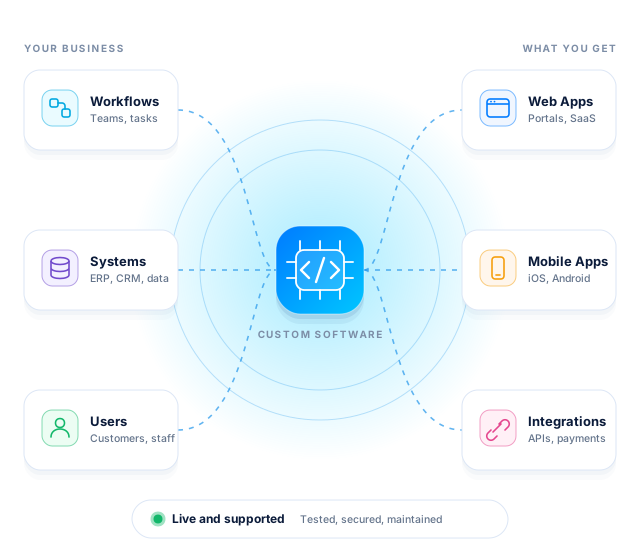
Startup software development diagram linking business workflows, existing systems, web apps, mobile apps and integrations
Product engineering

Startup software development services

Our software development for startups covers the first production build, platform expansion and ongoing releases.

01 / 06

Product discovery for startup software development

Turn a validated product direction into user workflows, release priorities and a technical plan. Your team receives an architecture outline, dependency list and prioritised backlog before committing to the build.

Discuss product planning
Post-MVP product engineering

Expand a working product with new roles, features and operational workflows. A code and deployment review identifies reusable components, technical debt and release risks. We use those findings to prioritise the next release.

See product delivery examples

Startup app development

Build native iOS or Android apps, or a cross-platform app for both. The release scope covers device capabilities, backend access, offline behaviour and store submission requirements. QA checks the core journeys across the supported devices.

Explore mobile development

Web and SaaS development for startups

Launch a focused web MVP around one core user journey, or extend a customer portal or subscription platform. Outputs include role and tenant boundaries, billing workflows and build-ready screens. Functional UI and QA are included in the agreed release; dedicated UX research is scoped separately.

See focused MVP pricing

Integrations and product data

Connect payments, identity, CRM and other services through agreed APIs. The plan covers credentials, sandbox access, data ownership, failure handling and ongoing third-party costs.

Explore software integration

Launch, reliability and growth

Prepare deployment pipelines, monitoring and rollback procedures, then improve the product through planned releases. Use activation, repeat use, conversion and support issues to prioritise improvements. Ongoing support coverage and response targets are scoped separately.

Plan your next release
By Industry

Startup software development
by industry

Our startup software development services account for the data, integrations and operating requirements of your industry.

01 / 06

Industrial products

Manufacturing

Connect production data and operational workflows without assuming every machine has an available API. Review device access, site connectivity and integration responsibilities early.

Explore Manufacturing software

Learning products

EdTech

Build learner, teacher and administrator workflows around content, assessments and access rules. Plan third-party learning tools and reporting against the release scope.

Explore EdTech software

Property products

PropTech

Design listing, enquiry and property-management workflows around the available data. Agree mapping, verification and broker-system dependencies before development.

Explore PropTech software

Commerce products

eCommerce

Plan catalogues, checkout, payments and fulfilment around your operating model. If your store already runs on Shopify and Odoo, review the Shopify–Odoo Connector for catalogue, order and inventory sync before scoping a custom integration.

Explore eCommerce software
FinTech software development workflow illustrationHealthTech software development workflow illustrationManufacturing software development workflow illustrationEdTech product workflow illustrationPropTech product workflow illustrationeCommerce product workflow illustration
Choose the next step

Software development for startups: MVP or product growth?

Start with a proof of concept if technical feasibility is the main unknown. Use a clickable prototype to test whether people understand the workflow. Build a focused MVP when you need to see how real users use the product. Broader startup software development builds on evidence from a working product, user research or an agreed business case. If development has stalled, start with a code and release review to decide what to retain, repair or replace.

DecisionFocused MVPPost-MVP product engineering
Main questionWill users complete and value the core journey?What must improve for the next stage of product use?
Typical scopeOne core user journey with agreed success measuresFeature expansion, integrations, reliability and operational workflows
Evidence to reviewUser interviews, prototype tests and early usageUsage funnels, support issues, code quality and operating constraints
Delivery decisionKeep, change or stop the product assumptionPrioritise releases against business value, risk and team capacity
Best next stepExplore MVP development servicesReview code, deployment access and product usage; then prioritise repairs and the next release
Delivery process

Our startup software development company’s delivery process

See what you review at each stage of software development for startups, from the first backlog to the production handover.

  1. 01

    Plan your startup release

    We agree on the release goal with you after reviewing your users, product, budget and priorities.

    What you review
    A prioritised backlog, dependencies, acceptance criteria and a named owner for each decision.

  2. 02

    Design workflows and architecture

    We assess the existing systems and design the workflows in scope. We account for security, running costs and what your team will need to maintain.

    What you review
    The agreed screens, architecture decisions and integration contracts.

  3. 03

    Build and test working software

    Engineering and QA deliver the agreed backlog in increments. You approve scope changes after seeing their effect on cost and the release plan.

    What you review
    Working software in a test environment, test results and open issues.

  4. 04

    Approve and release to production

    We test critical workflows, permissions and integration failures. Your nominated owner approves the launch against the agreed acceptance criteria.

    What you review
    The release acceptance checklist, unresolved defects, monitoring setup and rollback instructions.

  5. 05

    Review results and hand over

    After launch, we review the agreed metrics, such as activation or conversion, alongside support findings. Ongoing support is scoped separately.

    What you review
    The source code, setup instructions, known limitations and priorities for the next release.

Project evidence

Startup software development case studies

See what shipped, how long delivery took, and what the teams measured after launch.

HealthTech MVP launch

JooL: caregiver app MVP development and launch

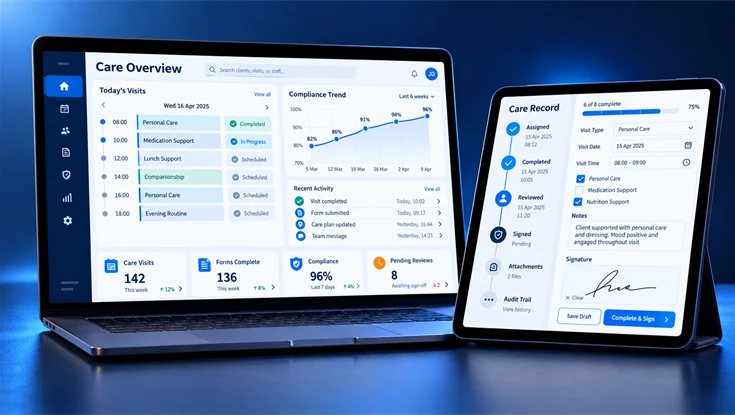
SDLC Corp developed JooL’s first Android and iOS release for the US market. The app connects carers, care buddies and care recipients through role-specific onboarding, support discovery, communication and scheduling.

The MVP launched in November 2022 after nine months of development. Dashboard and operational reporting for December 2022–March 2023 recorded 7,500 registered users and 2,000 active users. Active users had logged in within the previous 30 days.

  • Caregiver and care-recipient profiles
  • Care-buddy discovery
  • Communication and scheduling
  • Daily care records
Read the JooL case study
JooL care-coordination concept illustration
FinTech platform

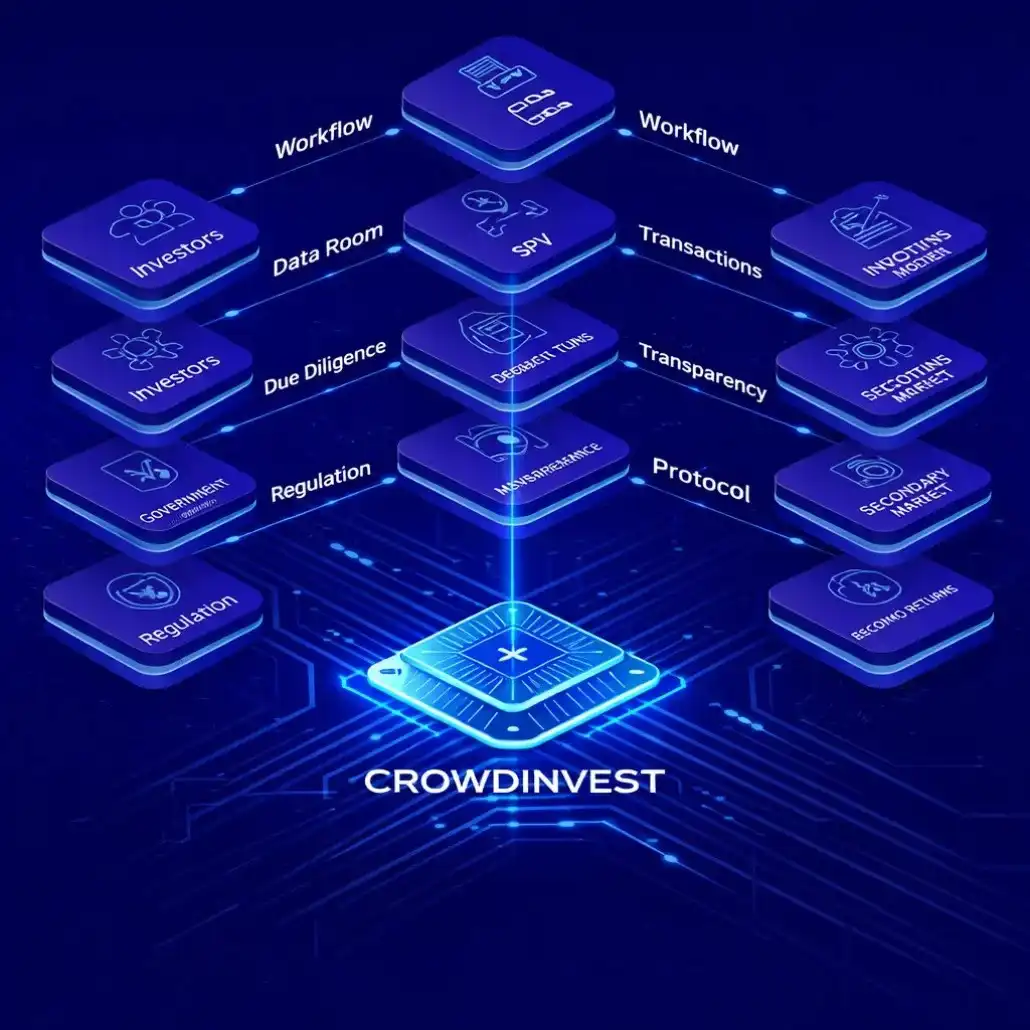
CrowdInvest: software development for cross-border investing

CrowdInvest brought campaign creation, investor onboarding and deal discovery into one platform. Deal rooms and role-based access gave investors and campaign teams separate permissions.

2,000+ active investors during 2024–2025. Delivery duration: 16 months; launched November 2023.

  • Investor onboarding
  • Campaign workflows
  • Deal documentation
  • Admin governance
Read the CrowdInvest case study
CrowdInvest software platform illustration for cross-border investing
CrowdInvest platform illustration
Mobile product improvement

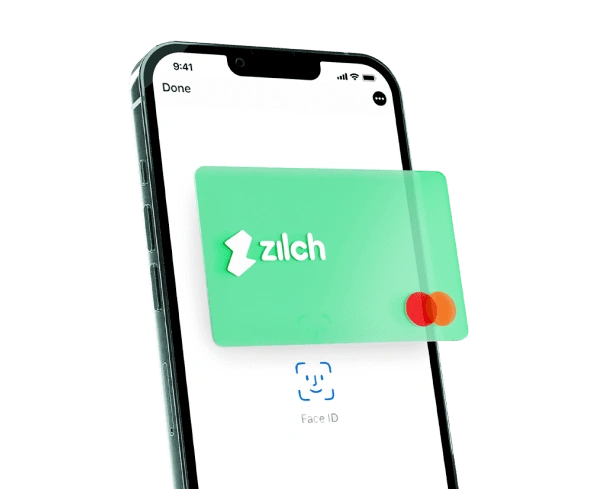
Zilch: clearer BNPL journeys across mobile platforms

UX research guided a clearer onboarding and instalment experience on Android and iOS. The delivery included payment integrations and post-launch improvements.

Google Analytics: 35% higher conversion rate and 56% lower app bounce rate, comparing 2021 with 2022. Delivery duration: 12 months.

  • UX research
  • Android and iOS
  • Payment integration
  • Post-launch iteration
Read the Zilch case study
Zilch mobile app screens for buy now, pay later
Zilch mobile app screens
Travel product launch

Travel app: software development for simpler booking

User testing helped cut checkout from seven steps to three. The booking app connected six live data sources.

45% download growth during January–February 2025. The case study also reports a 4.4 App Store rating and a six-month concept-to-launch delivery.

  • Booking workflows
  • Provider integrations
  • Mobile experience
  • Production release
Read the travel app case study
Travel booking app illustration
Travel app illustration
Budget and scope

Pricing for software development for startups

Initial scoping is free. Compare three ways to start software development for startups.

Focused MVP

One core user journey. Web MVP: $10,000. With an existing backend, native mobile: $10,000 per OS, or cross-platform: $10,000 for iOS and Android.

Price · USD
$10,000

Discovery and delivery plan

For teams that need to resolve release scope before building. Receive workflow definitions, an architecture outline, a prioritised backlog and a delivery estimate. Discovery is optional.

Price · USD
$5,000

Post-MVP product development

For a live product or a larger production release. Define feature expansion, integrations, reliability work and acceptance milestones. Pricing follows the backlog and the delivery roles required.

Commercial scope
Estimated on scope

What the focused MVP includes

Functional UI for the agreed screens, QA, deployment assistance, documentation, agreed source handover and 30 calendar days of defect correction. Acceptance criteria, milestones and working-demo cadence are agreed before development.

Dedicated UX research, branding and prototypes are optional. A new mobile backend and broader product features are estimated separately.

Plan the operating budget

Allow for hosting, monitoring, backups, app-store accounts, API usage and any payment or messaging fees your product needs. Review these recurring costs alongside maintenance and future releases. New integrations, historical data migration and specialist compliance work require an explicit scope.

Prices are indicative and depend on scope. Taxes, platform subscriptions, hosting and third-party fees are excluded unless agreed. View detailed MVP pricing options.

Release readiness

Startup software development launch criteria

Agree release checks before development starts. Use the checklist to connect product requirements to test evidence, outstanding issues and launch approval.

Release acceptance checklist
Product requirementEvidence to reviewAcceptance check
The release has an accountable approverAcceptance criteria, release scope and nominated product ownerThe product owner reviews the evidence and records the launch decision
A user completes the core journeyWorking demo, test results and unresolved issuesThe agreed journey succeeds across supported devices and roles
A third-party service fails safelySandbox tests for timeouts, duplicate events and invalid responsesErrors are visible, retries are controlled and data remains consistent
The team can operate and change the productRepository access, setup notes, monitoring and rollback instructionsYour nominated owner can access the release materials and review known limitations
Outstanding defects have a clear decisionIssue list with severity, impact, owner and resolution planBlocking issues are resolved; any accepted limitations have the product owner's approval

Review open issues and record who accepts any remaining risk before release.

Working together

Your startup software development team

Our startup software development company agrees who owns product decisions, technical reviews and escalations before engineering begins.

A named delivery team

Identify the product owner and the people responsible for architecture, development, QA and delivery coordination. Shared or dedicated roles follow the release scope, with clear review and escalation responsibilities.

Budget and scope control

We agree the backlog, delivery model and review points before work begins. New requirements are assessed for effort, cost and schedule impact so you can trade features against the available budget.

Code ownership in startup software development

Define custom-code and design ownership, repository permissions and handover materials before kickoff. The handover records setup, deployment and known limitations so your nominated team can maintain the release. Third-party components retain their licences.

Security planned for the product

We map access, data handling and applicable regulatory requirements around the actual product. SDLC Corp operates ISO 9001:2015 and ISO/IEC 27001:2022 management systems; project controls are agreed separately.

Work alongside your engineers

Choose a scoped release for a defined backlog, an ongoing product team for successive releases, or specialists alongside your engineers. For a scoped release, name who approves scope and signs off at launch. For an ongoing team, name who prioritises the backlog. For team extension, agree who reviews code and approves deployments.

Continuity beyond launch

Separate defect correction from new features and ongoing maintenance. Record support coverage, escalation contacts and response targets before launch. Product usage and support findings guide the next release priorities.

An NDA can be signed before detailed technical discussions.

Technology decisions

Technology choices for startup software development

Choose web for browser access and consider mobile when device features or offline use matter. Review the technology options below against your team's ability to maintain them.

Application interfaces

Frontend frameworks

Choose a framework your team can maintain, test and support over the life of the application.

ReactAngularVue.jsNext.jsTypeScript
Backend and APIs

Backend and API approaches

Compare a modular monolith with microservices against deployment needs, team capacity and operating overhead.

ASP.NETNode.jsDjangoJava SpringGraphQL
Data

Data platforms

Evaluate data integrity, query patterns, integration needs and operational effort before choosing a store.

PostgreSQLMySQLMongoDB
Cloud and operations

Cloud and deployment

Compare managed services with containers for control, portability, reliability and operating effort.

AWSMicrosoft AzureGoogle CloudDockerKubernetes
Quality assurance

Automated product testing

Test critical journeys, access rules and integration failures. Select unit, API and browser tests around release risk and supported devices.

JestCypressSelenium
Integration and identity

APIs and access standards

Choose connection and identity standards around latency, failure handling and access requirements.

REST APIsWebhooksOpenAPIOAuth 2.0OpenID ConnectSAML
Mobile engineering

Native and cross-platform apps

Choose Swift or Kotlin for platform-specific device needs, or evaluate React Native and Flutter for a shared iOS and Android codebase.

SwiftKotlinReact NativeFlutter
AI features

Evaluation before expansion

For an AI feature, define test examples, failure handling and running costs before expanding usage. Assess a conventional implementation when it meets the product need.

OpenAIPyTorchTensorFlow
Product measurement

Events and release decisions

Agree the events that define activation, repeat use and conversion. Review the resulting funnels with support findings before prioritising another release.

ActivationRetentionConversion
Client Stories

Founder feedback
on SDLC Corp

Feedback from founders on mobile and web delivery.

What clients say
01 / 02GoodFirms excerpts
“they have been precise in development and extremely professional in terms of deliverables.”
“SDLC has been very professional in their approach.”

More client reviews: Clutch, GoodFirms and DesignRush.

Get Started

Plan your next startup software release

Bring your product stage, core workflow, budget and target milestone. If you have a live product, include a demo and the main issue to solve. We’ll use the first call to identify release priorities, dependencies and what we need to prepare an estimate.

  1. Product and Code Review
  2. Scope and Release Plan
  3. Design and Engineering
  4. Launch and Handover
Founder questions

Startup software development FAQs

Scope, pricing, existing products, ownership, release decisions and support.

A startup software development company turns an agreed product direction into working software and a maintainable delivery process. Our startup software development services can cover discovery, design, engineering, integrations, QA, release preparation and post-launch improvements. Each engagement has a defined backlog, delivery roles and acceptance criteria.

A focused MVP is $10,000 for the stated scope, and optional discovery and delivery planning is $5,000. Broader product engineering and dedicated teams are estimated on scope. Initial scoping is free. Taxes, hosting, platform subscriptions and third-party fees are excluded unless agreed.

Choose MVP development when you still need to validate the minimum user journey or core product assumption. Choose broader startup software development when the next decisions concern production delivery, feature expansion, reliability, integrations or team capacity. We review the evidence you already have before recommending a route.

The timeline depends on the release scope, design readiness, code quality, integrations and availability of decision-makers. We confirm milestones after scoping. Before kickoff, agree who can approve decisions and provide access to the code, test environments and third-party accounts. External approvals, API access and app-store reviews can affect launch dates.

Yes. We first review the code, deployment process, documentation, outstanding issues and access to third-party services. The review identifies what the team can extend, what needs repair and which components may need replacement.

The focused MVP covers one core user journey, functional UI for agreed screens, QA, deployment assistance, documentation, agreed source handover and 30 calendar days of defect correction. Mobile builds use an existing backend. Native pricing is per OS; one cross-platform app covers both. Dedicated UX research, branding and prototypes are optional.

Yes. Startup app development can use native iOS or Android technology, or a cross-platform approach. The choice depends on device capabilities, performance needs, offline behaviour and the team's maintenance plans. A new backend is estimated separately from an app that uses an existing backend.

Before kickoff, our startup software development company documents who owns the custom code and designs, and who controls the repository, cloud accounts, domains, app-store accounts and integration credentials. The handover covers setup, deployment and known limitations. Third-party libraries and services keep their own licences.

We agree release priorities, acceptance criteria and responsibilities before development. When a new requirement appears, we assess its cost and schedule impact and discuss whether to add it, replace another item or defer it. You approve the change before it enters the agreed delivery scope.

Yes. We can deliver an agreed release or provide specialists alongside your existing engineers. The engagement defines ownership of architecture decisions, code review, testing and deployment. We also agree communication channels, review cadence and access permissions.

The focused MVP includes 30 calendar days of defect correction. New features, platform changes and ongoing maintenance are separate work. For continuing support, we agree coverage, responsibilities, escalation and response targets in the proposal.

Yes. We can prepare a demo of the agreed product workflows, show which features are ready for release, and explain the technical decisions behind the build.

We assess the product's users, data, access model and intended markets, then agree the relevant controls and testing. Some products require specialist legal or compliance review. The release plan identifies who owns those reviews and which approvals are needed before launch.

Share your product goal, current stage, user evidence, next milestone and available budget. If a product already exists, useful inputs include a demo, code-access plan, architecture notes, analytics and known issues. An NDA can be signed before detailed technical discussions.

Choose a scoped project when the release backlog and acceptance criteria are clear. An ongoing product team suits successive releases with changing priorities. Additional specialists fit teams that already own product management and need engineering capacity. Review responsibilities, billing and change control before selecting the model.

Agree what counts as activation, repeat use or conversion for the product. Track those events alongside failed journeys and support issues, then compare the findings with the release goal. The next backlog should address observed user needs and technical risks.

Budget for the services your product uses: hosting, monitoring, backups, app-store accounts, API usage and payment or messaging fees. Maintenance, new features and specialist compliance reviews are separate cost categories. Their scope depends on the product and operating model.

Let’s Talk About Your Project

Get expert guidance on scope, architecture, timelines, and delivery approach so you can move forward with confidence.

What happens next?