
FinTech Software Development Company
SDLC Corp is a fintech software development company delivering custom web and app services for payment, lending and investment platforms. We connect customer journeys to onboarding, transactions, reconciliation and back-office controls.
Explore Zilch’s BNPL app, CrowdInvest’s investment platform and Arbor’s mortgage workflow, then discuss what to build or extend.
Relevant Client Delivery
Our FinTech Projects
See what we built for lending, investment and mortgage businesses.
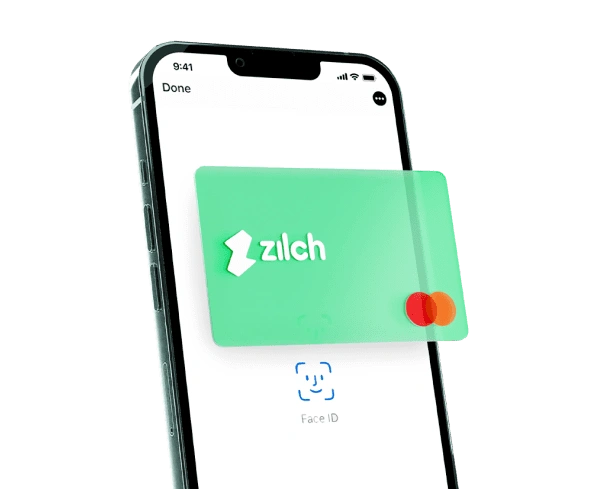
Zilch Buy Now Pay Later App
UX research, interface design, Android and iOS development, virtual Mastercard integration and post-launch performance work. The app makes instalments, repayment dates and fees clear before customers commit.
Delivery: 12 months. Google Analytics comparison: 2021 versus 2022.
Explore the Zilch BNPL Case Study ↗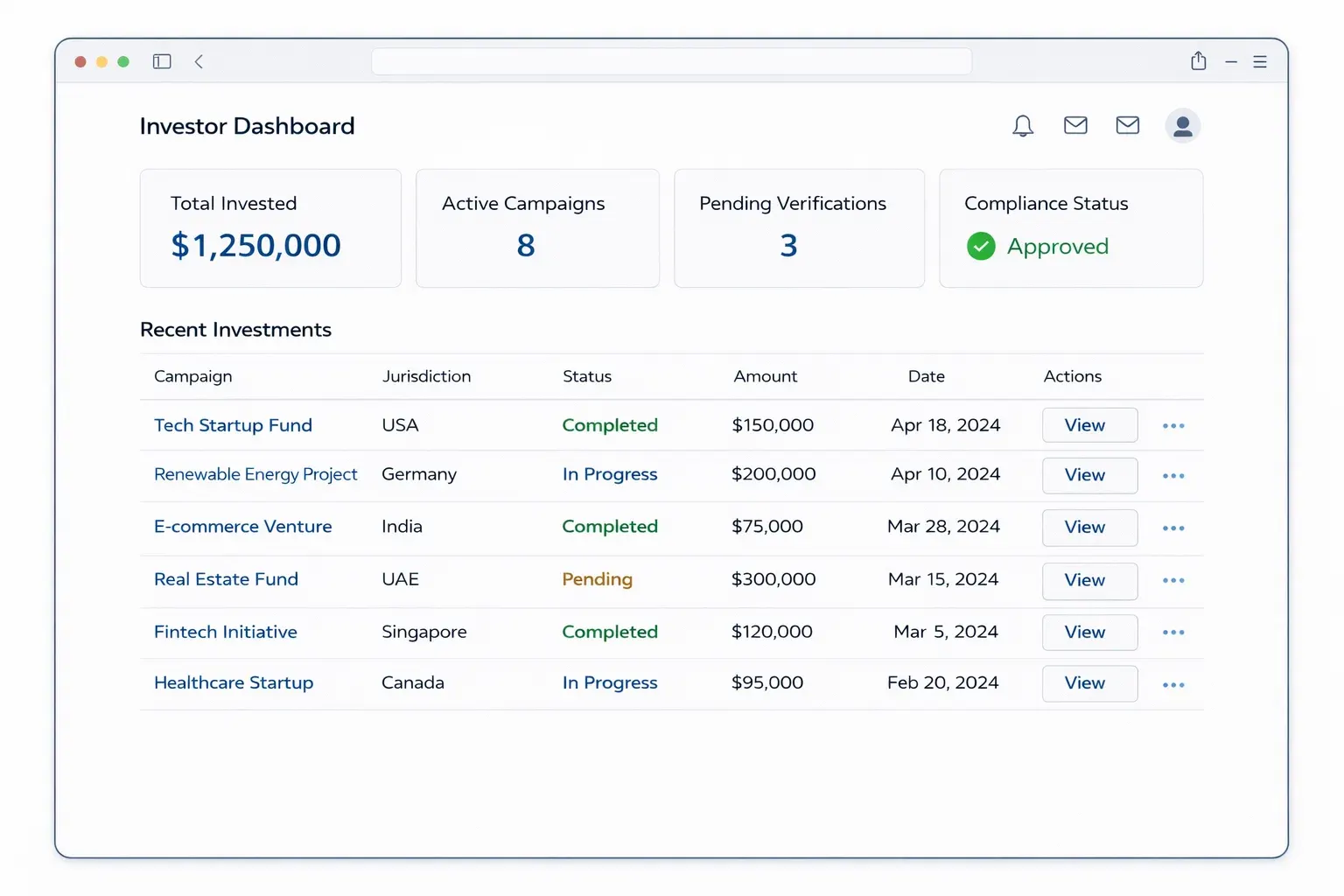
CrowdInvest Investment Platform
A cross-border investing and fundraising web platform connecting campaign creation, investor onboarding, deal discovery, data rooms and administrative controls.
Delivery: 16 months. Launched in November 2023. Active investor count reported for 2024 to 2025.
Explore the CrowdInvest Case Study ↗
Best Offer Package
SDLC Corp built a shared workflow for Realtors and loan officers: financing approval unlocks offer creation, supporting documents become one branded package, and delivery events support follow-up. Loan officers retain the lending decision.
Delivery: 24 months.
Technology: Angular, ASP.NET Core, SQL Server, Amazon S3 document storage and Stripe subscription billing. Role and transaction-state checks govern sensitive actions.
Explore the Best Offer Package Case Study ↗Marketplace Payments Experience
Audience Pool provides adjacent experience in marketplace payment collection, creator earnings and payout approvals.
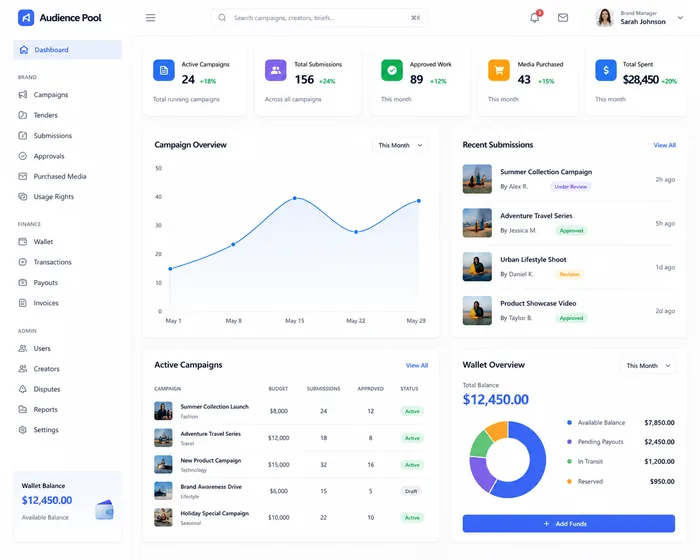
Audience Pool Wallet and Payout Workflows
Audience Pool connects brand payments, creator earnings, platform fees and withdrawal approvals. We built it with Stripe Connect, PostgreSQL, Node.js and separate access for creators, brands and administrators.
Explore the Audience Pool Case Study ↗Client Feedback
Client Reviews on GoodFirms
Feedback on financial planning and financial education apps.
“Clients can now log in, view policies, track their savings…”
Laurent Munier
Partner
Read Laurent’s Review (opens in a new tab) ↗“…a bespoke mobile application tailored to our unique needs in financial education and training.”
Muhammad Salih
CEO and Founder, chart.ae
Read Muhammad’s Review (opens in a new tab) ↗What We Build
FinTech Software Development Services
Our fintech software development services cover new products, existing platforms and system integrations. First, choose the workflows you need. We then define the functions, deliverables and exclusions in your proposal.
Payments and Digital Wallets
Connect the customer payment journey to merchant and finance operations.
- Top-ups, transfers, payouts and transaction history
- Refunds, reversals, fees and settlement status
- Provider callbacks, failed-payment recovery and reconciliation
Digital Banking and Embedded Finance
Extend financial services through customer portals, mobile channels and partner APIs.
- Account views, card controls and service requests
- Consent, authentication and bank or banking-as-a-service APIs
- Customer notifications and operations dashboards
Lending and BNPL
Plan the borrower lifecycle from application through repayment and servicing.
- Eligibility inputs, document collection and review queues
- Loan schedules, repayment allocation and arrears workflows
- Credit-policy rules and human approval boundaries
Investment and Trading Platforms
Make investment information, decisions and transaction status usable across roles.
- Investor onboarding, portfolios and deal rooms
- Market-data, broker, custody or OMS integrations
- Order status, permissions, review trails and reporting
Insurance and Wealth Platforms
Connect customers, advisers and operations around their core records.
- Policy, claims and servicing workflows
- Adviser portals and portfolio reporting
- Document handling, approval steps and partner connections
Risk, Identity and RegTech
Support risk teams with evidence they can review and act on.
- KYC provider integrations and exception handling
- Screening alerts, fraud signals and investigation queues
- Case history, access controls and reporting exports
Financial Operations Software
Reduce gaps between transactions, operational systems and accounting records.
- Ledger interfaces and settlement matching
- Treasury views, fee reporting and exception ownership
- Finance-system connections and controlled data exports
Digital Assets and Specialized Products
Assess specialized financial workflows against a clear operating model.
- Wallet, custody and blockchain integrations where relevant
- Signing permissions and transaction monitoring
- Provider, security-review and licensing dependencies
Customer Experience
FinTech App Development Company
Our fintech app development services connect customer interfaces to the financial operations behind them. We plan mobile and web journeys together so customers can recover when verification, payments or provider responses fail.
Clear Journeys Across Web, iOS and Android
As a fintech app development company, we help teams choose native or cross-platform delivery around device needs, accessibility, security, existing APIs and future maintenance.
- Onboarding with saved progress, document status and review outcomes.
- Balances, payment status, repayment schedules and transparent fee presentation.
- Session recovery, device changes, account recovery and step-up authentication.
- Accessible forms, understandable errors and clear confirmation screens.
- Support journeys that connect the customer to the right operations record.
Define the First App Release
Start with one audience and one core financial journey, alongside the administrative controls needed to operate it. Before development, agree supported devices, APIs, test accounts, app store responsibilities and launch checks.
A mobile interface alone does not provide a ledger, payment licence, banking connection or production operating model. Identify the existing backend and provider responsibilities early.
Compare Mobile Delivery Options ↗Transaction Workflows
Custom FinTech Software Development
Our custom fintech software development covers transaction status, failed requests, record ownership and recovery. For each workflow, we agree test cases and acceptance criteria before implementation.
Onboarding and Identity
Capture consent and identity evidence; route incomplete, failed and expired checks for review.
Test document rejection, duplicate identities, provider timeouts and reviewer permissions.
Money Movement and Ledger Boundaries
Track initiated, pending, authorized, settled, reversed and failed states; identify which system owns the balance.
Check decimal precision, currency rules, duplicate requests, retries and out-of-order callbacks.
Reconciliation and Exceptions
Match provider, bank and internal records; assign unmatched items and preserve adjustment history.
Reconcile opening and closing balances, fees, refunds and partial settlements against agreed samples.
Lending and Servicing
Version product rules and schedules; separate customer requests from authorized credit decisions.
Validate repayment allocation, rounding, due-date changes, delinquency rules and approved overrides.
Customer and Operations Support
Connect disputes, refunds, investigations and account changes to the original event and responsible team.
Test role separation, approval thresholds, escalation paths and the customer-visible status.
Reporting and Decision Support
Trace reports to source records; use versioned rules and human review for consequential decisions.
Compare report totals, audit evidence, false-alert rates and model behavior where AI is in scope.
Mortgage Approval Before Offer Creation
In Arbor’s Best Offer Package, a Realtor creates the buyer record and requests pre-approval. Next, the assigned loan officer reviews the documents and records a decision. Once approved, the platform unlocks offer preparation, assembles the package and tracks its delivery.
Role permissions and workflow status control access to each step. The loan officer retains responsibility for the credit decision.
Systems and Integrations
Connect Your Existing Financial Systems
Keep reliable systems where they fit. Before choosing what to replace, map data ownership, API behavior and operational responsibilities.
Plan Your Integrations
- Banks and payment providers: access approval, sandbox and live credentials, rate limits, webhooks, settlement files and certification steps.
- Identity and risk services: document types, geographic coverage, screening rules, review queues and provider charges.
- Financial records: core banking, ledgers, loan systems, ERP or accounting APIs, reporting stores and ownership of balances.
- Customer systems: CRM, service desks, identity providers and notification channels with controlled access.
Your team provides authorized access, sample data and provider contacts. Before connecting live systems, we agree test environments, credential handling and how each interface will work.
React, Next.js, Angular, Flutter or React Native, selected for the user journey and team.
Java, .NET, Node.js, Python or Go, with versioned interfaces and clear financial boundaries.
PostgreSQL, Redis, Kafka or other approved tools matched to consistency, reporting and recovery needs.
AWS, Azure, GCP, private or hybrid environments, with agreed monitoring, access and release controls.
Technology Used in Our Projects: We used React Native, Node.js and MongoDB for Zilch. Best Offer Package uses Angular, ASP.NET Core and SQL Server, with S3 document storage and Stripe billing. Audience Pool uses Stripe Connect for marketplace payments. We select your stack around existing systems, data requirements and provider contracts.
Choose the Right Approach
Build, Extend, Integrate or Configure
Use custom fintech software development where your workflow needs it. First, compare the cost, control and dependencies of each route. Then choose which parts to build, extend, integrate or configure.
Build a New Product
Choose this for a distinctive workflow, user experience or operating model that packaged tools cannot support.
Define the minimum release, long-term ownership cost and responsibility for financial operations.
Extend Your Platform
Add a customer journey, module or operations tool while retaining a stable core.
Review code quality, API coverage, permissions and the regression tests needed around existing behavior.
Integrate Existing Services
Connect proven banking, payments, identity and reporting services through controlled APIs.
Verify provider access, geographic coverage, settlement rules, commercial fees and failure handling.
Configure a Proven Platform
Use existing product capabilities when they meet your workflow and control requirements.
Compare licensing, configuration limits, data portability and the cost of future changes.
Security and Governance
Security and Compliance Controls
Security and compliance requirements shape the architecture and acceptance plan. Technical controls support your obligations; they do not replace licences, regulatory approvals or independent assessments.
Access and Approval
Define customer, support, finance, risk and administrator permissions. Then apply least privilege, strong authentication and separation of approval duties.
Payment and Data Boundaries
Map sensitive data, tokenized provider flows, encryption, retention and deletion. Establish the applicable PCI DSS and privacy scope with your advisers and providers.
Audit and Evidence
Record material state changes, rule versions, approvals and overrides. Also agree how long to retain that evidence and who can access or export it.
Fraud and Model Oversight
Combine rules, risk signals and analyst queues where relevant. Before expanding automation, evaluate false positives, explainability, drift and human approval.
Resilience and Recovery
Agree transaction recovery, backup restoration, retry limits and safe fallbacks. Set recovery objectives and availability targets for the actual operating model.
Security Verification
Plan threat modeling, dependency checks, access testing and specialist assessments. Record findings, remediation responsibilities and release decisions.
Your compliance, legal and security owners confirm the relevant jurisdiction, obligations and approvals. A project can include the technical implementation and evidence needed for those reviews, with responsibilities defined in the proposal.
How We Deliver
From Discovery to Launch
Our fintech software development services follow agreed milestones, reviews and release checks. The schedule accounts for your product scope, provider access, data migration and approvals.
Understand Your Requirements
First, map users, financial workflows, systems and constraints. Together, agree success measures such as onboarding completion, payment success, reconciliation exceptions and support effort.
Design and Validate
Next, produce journeys, architecture, API contracts and a prioritized backlog. Where an integration or financial rule needs validation, test it with a prototype or sandbox workflow.
Build and Review
Deliver working increments with demonstrations and traceable decisions. When scope changes, review the cost, timeline and operational impact before implementation.
Test and Accept
Use agreed criteria to test functions, integrations, financial calculations, permissions, security and performance. After those checks, your users complete UAT. Assign an owner to each defect and release blocker.
Migrate and Release
Rehearse data mapping and reconciliation, validate record counts and balances, and agree cutover, parallel running and rollback criteria. Release only after the responsible owners approve readiness.
Your Team’s Part
Provide a product owner, finance and compliance reviewers, current workflow rules, authorized data and provider contacts. Agree the availability needed for design reviews, test feedback, UAT and release approval.
Meet Your FinTech Development Team
Before work starts, review the profiles and experience of your proposed architect, analyst, engineers, QA and DevOps specialists. Together, we agree their responsibilities and how they will work with your team.

FinTech and BNPL Account Contact for Zilch.
“Consumers need to understand exactly what they are committing to before they tap confirm.”
Akshay Jadhav, SDLC Corp · Zilch Case Study
We confirm your team and responsibilities before work begins.
Read About the Zilch Project ↗Choose the Engagement Model
Fixed scope suits defined outputs and acceptance criteria. Time and materials suits an evolving backlog. A dedicated team supports a continuing roadmap; staff augmentation adds agreed skills to your existing team.
FinTech Development Cost and Timeline
Production FinTech products are estimated on scope. Discovery and a non-production sandbox pilot are separate stages with indicative prices.
Production FinTech Platforms
- Payments and transaction platforms
- Lending and onboarding platforms
- Investment and trading platforms
- Financial-system modernisation
- Timeline
- Confirmed in proposal
- Estimated Cost
- Estimated on scope
- Model
- Agreed per project
Discovery and Prototype
requirements, key journeys, prototype and roadmap
- Timeline
- Confirmed in proposal
- Estimated Cost
- $5,000
- Model
- Fixed scope
Non-production Sandbox Pilot
one workflow using sandbox services, no live financial operation
- Timeline
- Confirmed in proposal
- Estimated Cost
- $20,000
- Model
- Fixed scope
Pricing notes: Indicative prices in USD. The sandbox pilot uses sandbox services only, with no live financial operation. Delivered work includes 30 calendar days of defect correction; ongoing support is separate. Taxes, platform subscriptions, hosting and third-party fees are excluded unless agreed; final pricing is confirmed in your proposal.
Plan the First Release
Plan Your First Release
A first release should prove a complete workflow, including operations and recovery. A sandbox pilot and a live financial service have different responsibilities.
Example: One Payment Workflow
Agree an onboarding journey, one provider connection, a transaction-status view, an operations queue and reconciliation checks. Include failure paths and acceptance samples; defer additional rails, currencies and markets until the core flow is validated.
Example: One Lending Journey
For lending, start with application capture, identity-provider checks, a reviewer queue, a repayment view and basic reporting. Establish who owns credit policy, underwriting approval and servicing rules before connecting live financial operations.
Example: One Investment Journey
An investment release can include investor onboarding, one opportunity catalogue, a document room, review permissions and status tracking. Establish who owns eligibility checks, investor disclosures, custody and execution before connecting live transactions. Defer additional markets and asset classes until that operating model is validated.
The $20,000 pilot above is non-production and uses sandbox services only. Production readiness, financial licences, provider approval, live integrations and wider product scope are separately assessed. These examples describe possible release boundaries, not additional fixed-price packages.
Common Questions
FinTech Development FAQs
Practical answers on scope, cost, responsibilities and production readiness.
What Should We Look for in a FinTech Software Development Company?
Look for relevant projects, clear delivery responsibilities and experience with your financial workflows. Ask your fintech software development company how it handles failed transactions, reconciliation, permissions and handover. Review comparable work and the team proposed for your project.
What Is Included in FinTech App Development Services?
Fintech app development services can include discovery, UX design, web or mobile development, APIs, integrations, testing and launch preparation. As a fintech app development company, we assess the backend and operational controls alongside the app. Your proposal lists the deliverables and exclusions.
How Much Does FinTech Software Development Cost?
Discovery and prototype work has an indicative price of $5,000. A non-production sandbox pilot for one workflow is $20,000, with no live financial operation. Production systems are estimated on scope. Integrations, migration, financial rules, security reviews and provider approvals affect the estimate. The pricing section lists exclusions and defect-correction terms.
How Are Timelines and Milestones Established?
Discovery establishes the release scope, milestone outputs, review cadence and acceptance responsibilities. We then plan around provider approvals, integration access, data migration and security reviews. Your proposal records the schedule, dependencies and approval points. If a dependency or requirement changes, we review its effect on the plan before agreeing the next step.
Can You Work With Our Existing Platform and Providers?
Yes. We review your codebase, APIs, data and provider agreements before recommending an extension, integration or replacement. Your team authorizes access and confirms licences. The proposal sets out responsibilities, environments and third-party charges.
How Do You Handle Migration and Operational Continuity?
We profile and map your data, run trial migrations and reconcile the results before cutover. Your team approves the records, balances, downtime limits and rollback plan. Phased release or parallel running can help maintain operations where needed.
Can You Support KYC, AML, PCI DSS and Privacy Requirements?
We can implement identity checks, screening integrations, access controls, payment security, logging and reporting. Your legal and compliance teams confirm the applicable obligations and approvals. Custom fintech software development supports these requirements; independent assessments and licences remain separate responsibilities.
How Do You Plan for Our Market and Transaction Volumes?
We establish the launch jurisdiction, currencies, payment rails, data-location requirements and provider coverage during discovery. Your legal and compliance owners confirm applicable obligations. Together, we define expected users, transaction volumes, peak demand and recovery needs, then agree load tests and acceptance thresholds. A project’s published user count does not establish the capacity of a different platform.
Who Owns the Code, Data and Accounts After Delivery?
Your agreement defines source-code rights, third-party licences and ownership of data and accounts. Before handover, agree repository access, credential transfer, documentation, runbooks and training. Rights for custom code and licensed components may differ.
What Support Is Available After Launch?
Delivered work includes 30 calendar days of defect correction. Ongoing support is separate. Agree monitoring, maintenance, security updates, incident responsibilities, service hours and any response or recovery commitments in the support plan. New features and provider changes are scoped separately unless included.
What Happens After We Enquire?
We review your goals, users, systems and financial workflows. Then we discuss the next step, which may be discovery, a sandbox pilot or a production proposal. Before delivery starts, we agree the scope, team, milestones, commercial terms and success measures.
Planning Resources
FinTech Product and Budget Guides
Explore banking app features, BNPL workflows and software cost drivers. For SDLC Corp’s discovery and sandbox prices, see the pricing section above.
Banking App Scope
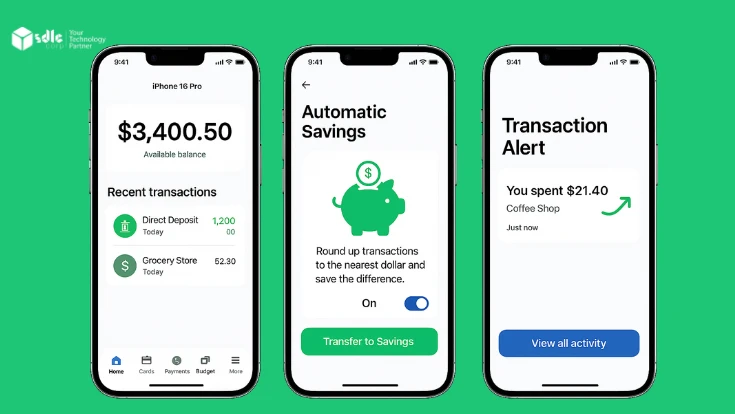
Explore onboarding, account views, transfers and mobile banking cost drivers.
Read the Banking App Scope Guide ↗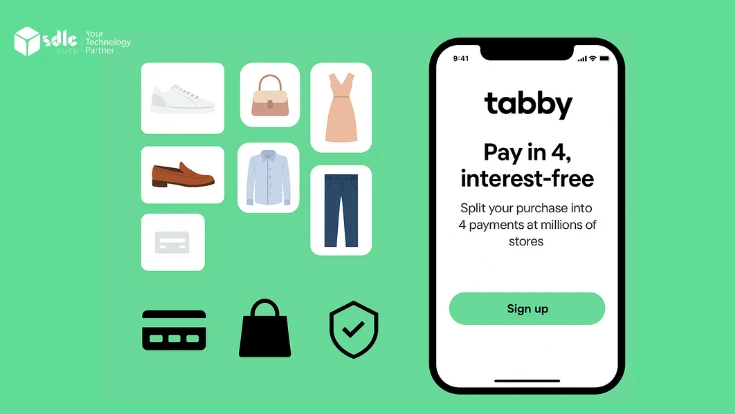
BNPL Product Planning
Review consumer journeys, identity checks and the dependencies behind a BNPL application.
Read the BNPL Product Planning Guide ↗
Software Budget Planning
Understand scope assumptions, delivery stages and total ownership costs.
Read the Software Budget Planning Guide ↗Discuss Your Project
Plan Your Financial Product
Tell us who your product serves, what it needs to do and which systems it must connect to. Include your target market, expected transaction volumes and launch requirements so we can discuss a practical first release.