

● Custom Software Development · 19+ Years

Logistics Software Development Company

We build custom logistics software for transport, warehouse, fleet, and delivery operations. From TMS and WMS platforms to dispatch, tracking, and integration systems, we help teams improve visibility and manage logistics workflows with better control.

Recognized on GoodFirms badge AppFutura badge Clutch badge
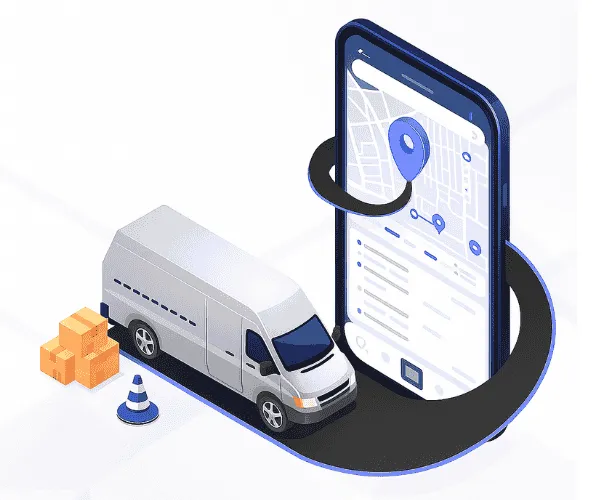
Logistics dashboard with route tracking and delivery operations
Why custom software helps

Why Custom Logistics Software Matters

Spreadsheets, disconnected tools, and older transport systems make it harder to manage dispatch, inventory, delivery updates, and reporting in one place. As operations grow, those gaps often lead to delays, repeated manual work, and limited visibility across the workflow.

Custom logistics software is a better fit when your team is outgrowing manual processes or working around systems that do not match how your operations actually run. It gives you one connected setup for planning, tracking, reporting, and integrations, with room to support new workflows as the business grows.

  • Reduce repeated work across dispatch, order handling, tracking, and delivery updates
  • Connect transport, warehouse, inventory, and reporting workflows in one system
  • Improve shipment visibility, route planning, and day-to-day operational control
  • Support ERP, telematics, and carrier integrations without relying on disconnected tools
1 Unified Workflow
Keep dispatch, warehouse, inventory, and delivery activity connected in one setup
Better Visibility
See shipment status, workflow updates, and operational exceptions more clearly
Less Manual Work
Reduce repeated entry and handoff gaps across logistics teams
Faster Response
Use dashboards and alerts to review delays, issues, and updates sooner
Built Around Your Workflow
Connect ERP, telematics, and carrier APIs, then expand the platform as routes, locations, and operational needs grow over time.
WHAT WE BUILD

Custom Logistics Software Solutions

We build logistics software for transportation, warehousing, orders, fleet operations, and integrations. These solutions help teams manage dispatch, inventory, shipments, and delivery workflows with better visibility and control.
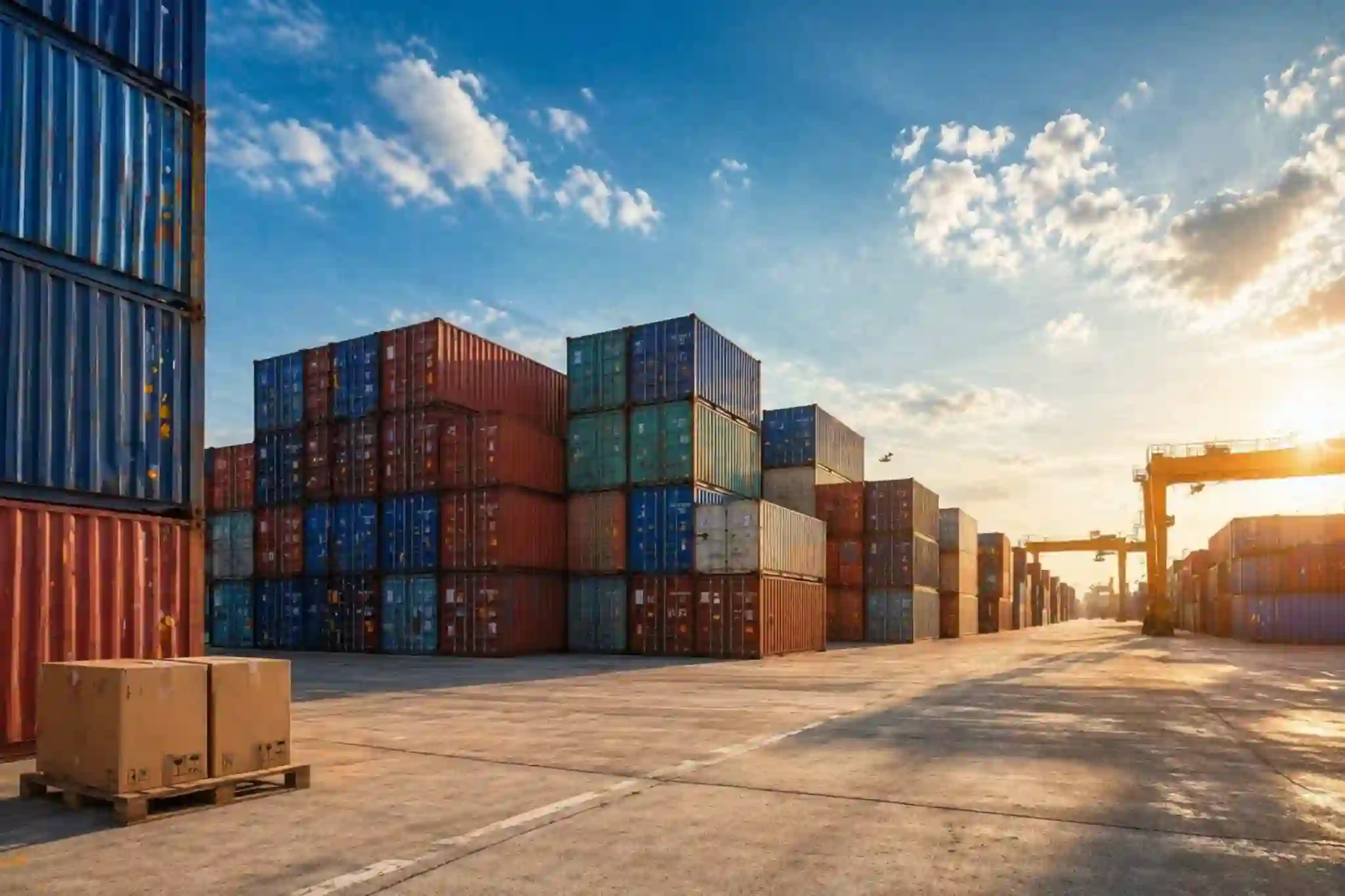
Container shipping yard and port logistics operations

Software aligned to logistics workflows

Some businesses need one focused system, while others need a broader platform across transport, warehouse, order, and delivery workflows. The right setup depends on your process, integrations, users, and rollout priorities.

  • 🚛 Transportation Management Software
  • 🏭 Warehouse Management Software
  • 📦 Order Management Software
  • 📍 Fleet Tracking & Telematics
  • 🚚 Last-Mile Delivery Software
  • 🔌 EDI & Integration Workflows
Discuss Your Requirements
🚛

Transportation Management Software

Manage dispatch, routes, carriers, and shipment tracking in one system.

🏭

Warehouse Management Software

Support receiving, picking, inventory control, and fulfillment workflows.

📦

Order Management Software

Track orders, fulfillment status, returns, and inventory coordination.

📍

Fleet Tracking & Telematics

Monitor vehicle location, driver activity, and fleet data in real time.

🚚

Last-Mile Delivery Software

Coordinate delivery updates, proof of delivery, and customer notifications.

🔌

EDI & Integration Workflows

Connect ERP, CRM, carrier APIs, telematics, and EDI data flows.

WHO WE BUILD FOR

Logistics Software for Different Operations

Different logistics operations need different workflows, visibility, and reporting. The software should match how each team plans, moves, tracks, and manages day-to-day work.
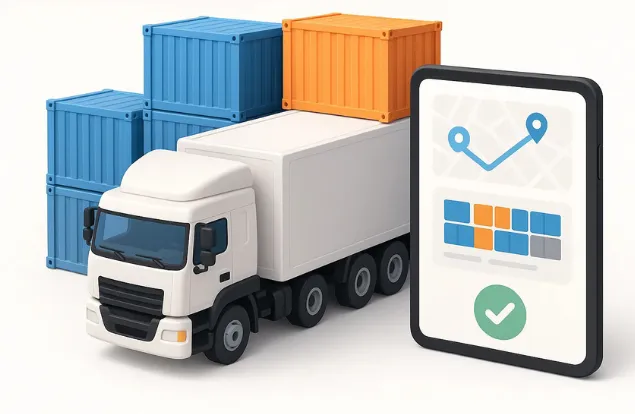
3PL freight movement and container logistics operations
Multi-client operations Load planning

3PLs & Freight Brokers

Support multi-client visibility, load planning, shipment tracking, contract workflows, and billing in one system built for daily logistics coordination.

Fleet visibility Route planning

Fleet & Transport Operators

Manage routes, vehicle tracking, driver updates, and transport execution with clearer visibility across daily fleet operations.

Transportation and logistics analytics →
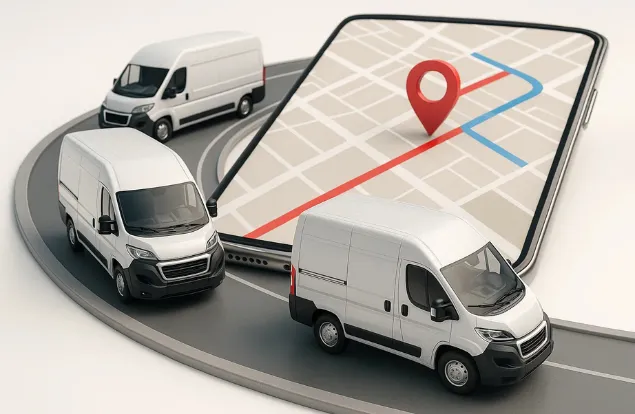

Fleet route tracking and transportation operations
Warehouse inventory and distribution operations
Inventory visibility Picking workflows

Warehouses & Distribution Teams

Support receiving, storage, picking, inventory checks, and outbound coordination through warehouse workflows that are easier to track and manage.

Demand planning ERP sync

Manufacturers & Supply Chain Teams

Connect procurement, inventory, production, and outbound shipment workflows so supply chain teams can plan and execute with better coordination.
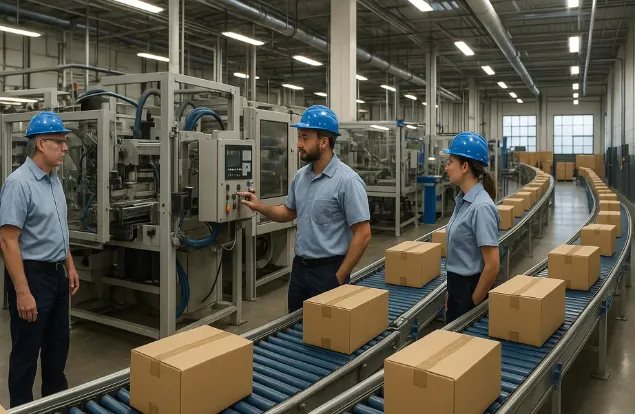
Manufacturing supply chain and production line operations
AI & MACHINE LEARNING

AI Logistics Software for Smarter Planning

We use AI and operational data in logistics workflows to support better planning, earlier issue detection, and faster operational response.

🗺️

Route optimization

Plan routes with live inputs and route constraints, so transport teams can make better routing decisions.

📉

Demand forecasting

Use demand patterns to plan inventory and replenishment more clearly across logistics operations.

🔧

Predictive maintenance

Review vehicle and equipment data earlier, which helps maintenance teams act before issues grow.

Delay detection

Flag unusual shipment or route activity early, so teams can review exceptions faster.

AI use cases in logistics
Route planning
Active
Forecasting
Active
Delay review
Active
Asset checks
Active
AI Models IoT Data Alerts
Technology & Integrations

Technology Stack Behind Our Logistics Software

We use modern frontend, backend, database, caching, and cloud technologies for logistics software development. As a result, businesses get systems that support performance, integrations, and future scalability.

React.js logo React.js
Next.js logo Next.js
Node.js logo Node.js
Python logo Python
PostgreSQL logo PostgreSQL
Redis logo Redis
Tailwind CSS logo Tailwind CSS
Cloudflare logo Cloudflare
WHY SDLC CORP

Why Businesses Choose Us for Logistics Software

We build logistics software around real workflows, integrations, and rollout priorities, which helps teams use the system more easily, expand it over time, and keep it aligned with day-to-day operations.

⚙️

Workflow-First Planning

We plan the software around transport, warehouse, order, and delivery workflows before development starts.

🔗

Integration-Ready Build

ERP, carrier APIs, EDI, and related systems can be connected as part of the delivery approach.

🚀

Phased Rollout

We can launch priority workflows first and then expand the system in stages as needs grow.

🔒

Security-Focused Delivery

We plan for secure access, role-based control, and operational data protection throughout the build.

📈

Scalable Architecture

The system can support new locations, more users, and added workflows as operations change.

🛠️

Post-Launch Support

After launch, we support fixes, updates, enhancements, and new integrations as operations evolve.

Need logistics software built around your workflow, integrations, and rollout priorities?

Discuss Your Requirements
HOW WE WORK

Our Logistics Software Development Process

First, we review your logistics workflows and operational needs. Then, we define the right structure, build in stages, test carefully, and support rollout after launch.

01

Discovery

First, we review workflows, goals, and operational needs.

02

UX & Architecture

Next, we define user flow, system structure, and integrations.

03

Development

Then, we build the platform in stages with regular reviews.

04

Testing & Pilot

After that, we test workflows, performance, and pilot readiness.

05

Launch & Support

Finally, we launch the system and support ongoing improvements.

CASE STUDIES

Real Logistics Project Examples

These examples show how SDLC Corp has supported logistics tracking, ERP implementation, and warehouse operations through connected software workflows.

Logistics Integration

Real-Time Tracking and Reporting for Logistics

Real-time tracking Reporting Odoo integration

Custom Odoo integration for a logistics workflow focused on real-time tracking, reporting visibility, and connected operational processes.

Read case study →
Logistics ERP

Odoo ERP Implementation for a Global Logistics Company

Supply chain Inventory tracking Analytics

A global logistics implementation focused on inventory tracking, integrated supply chain processes, and real-time analytics for operational visibility.

Read case study →
Warehouse Operations

Efficient Warehouse Operations in Construction Materials

WMS workflow Inventory accuracy Real-time visibility

Warehouse management focused on process optimization, inventory accuracy, and streamlined day-to-day warehouse operations.

Read case study →
TRUST & RECOGNITION

Industry Awards & Recognition

Recognition from leading business and technology listing platforms.

Selected Firms award badge
C2C Reviews award badge
iTRate award badge
SoftwareWorld award badge
INVESTMENT GUIDE

Custom Logistics Software Cost Range

Indicative budget ranges for planning custom logistics software. Final cost depends on workflow scope, integrations, deployment model, migration needs, and compliance requirements.

Focused Module
$40K – $120K

Best for one core workflow such as fleet tracking, order visibility, ePOD, or a warehouse module.

  • ✓ MVP or first-phase rollout
  • ✓ Limited integrations
  • ✓ Core reporting and user workflows
Common Range
$150K – $400K

Suited to multi-workflow platforms such as TMS, WMS, portals, analytics, and ERP or EDI connections.

  • ✓ Multiple workflows in one platform
  • ✓ Broader integration scope
  • ✓ Phased rollout with support
Enterprise Rollout
$400K+

Built for multi-site operations, legacy migration, complex business rules, hardware or IoT inputs, and advanced reporting.

  • ✓ Dedicated delivery team
  • ✓ Complex integration and migration work
  • ✓ Staged rollout across larger operations

Indicative planning ranges only. Final budgets vary by scope, integrations, deployment approach, migration effort, and operational requirements.

CLIENT FEEDBACK

What Clients Say About Working With SDLC Corp

Feedback published across SDLC Corp review and testimonial pages highlights dependable delivery, clear communication, and strong technical execution.

Chris Green
Head of Business, Listers Group
★★★★★

Highlighted structured discovery, clearer ownership, and a more reliable delivery process during solution redesign work.

Published testimonial
Abhinav Purohit
Chief Strategy, Huawei
★★★★★

Emphasized strong technical execution and dependable application performance as part of the delivered solution.

Published testimonial
Steve Graham
CEO, Eye Fuze
★★★★★

Described SDLC Corp as a supportive long-term partner from planning through post-launch collaboration.

Published testimonial
FAQ

Frequently Asked Questions

Common questions about logistics software development, integrations, project scope, and rollout planning.

What types of logistics software do you develop?

We develop logistics software such as transportation management systems, warehouse management systems, order management systems, fleet tracking tools, last-mile delivery platforms, and related integration workflows.

Can you integrate with SAP, Oracle, or our existing ERP?

Yes. Logistics software projects can integrate with ERP platforms, carrier systems, warehouse tools, EDI workflows, and related business applications, depending on scope, available interfaces, and data requirements.

How long does a logistics software project take?

Timelines depend on workflow scope, integrations, and rollout needs. Focused modules usually take less time than broader multi-workflow platforms, while larger enterprise programs take longer because they involve more systems, users, and migration planning.

Can you build software that supports ELD- or FMCSA-related workflows?

Where applicable, transport-focused systems can support hours-of-service recordkeeping, driver and vehicle workflows, and related reporting requirements. However, the exact compliance scope depends on your operating model, geography, and regulatory obligations.

What does custom logistics software development cost?

Cost depends on the number of workflows, integrations, users, migration effort, and rollout complexity. Focused modules are usually lower in budget than full logistics platforms, while enterprise rollouts require broader planning and implementation scope.

Can you modernize an existing logistics system?

Yes. Existing logistics systems can be modernized through staged upgrades, module replacement, interface improvements, and migration planning that helps reduce operational disruption during transition.

Let’s Plan the Right Logistics Software for Your Operations

Share your transport, warehouse, fleet, or delivery workflow requirements, and our team will help define the right development scope for your business.

What happens after you submit?