MVP Development Services for Fast Product Validation
Our MVP development services help founders, startups, and product teams turn an untested product idea into the smallest working release that can validate a real user problem.
Every MVP starts with the assumptions that need to be tested, the minimum user journey required to test them, and clear criteria for deciding what to build next. Once the product is validated and the roadmap shifts to scaling, integrations, team growth and production maturity, continue with our startup software development services.



What Is MVP Development? Build the Smallest Product That Can Test the Idea
MVP development is the process of building the smallest usable version of a product that can test a specific business or user assumption with real users. The goal is to learn before committing time and budget to a larger product roadmap. We define the MVP around one primary user journey, the essential capabilities required to complete it, and the evidence needed to decide whether the product should be expanded, changed, or stopped.
MVP Strategy, Validation and Build Services
Our MVP software development services take an MVP from problem definition to a live, measurable first release. The engagement starts by identifying what must be learned, then reducing scope to the smallest product that can generate that evidence.
MVP Discovery & Hypothesis Definition
Define the target user, problem, riskiest assumptions, success signals, and the minimum workflow required to test them.
Explore software consultingWeb MVP Development
Build the minimum browser-based workflow required to test the product with real users, without turning version one into a full platform.
See web application developmentMobile MVP Development
Build a focused native or cross-platform mobile release around the essential user journey and the signals you need from early usage.
Explore mobile MVP developmentSaaS MVP Development
Launch the smallest SaaS release that proves the core workflow, user role model, value proposition, and willingness to continue using the product.
See cloud application engineeringAI MVP & Feasibility Validation
Test whether an AI capability is useful, reliable, and operationally viable before investing in a larger AI-enabled product.
Explore AI development servicesPrototype & Usability Validation
Use wireframes or a clickable prototype to test flows, terminology, and usability before committing the validated scope to development.
Explore product UI/UX designPost-MVP Product Roadmap
Turn launch evidence into a prioritized roadmap for the next release, including what to add, change, postpone, or remove.
Plan post-MVP product scalingMVP Product Team
Bring product, design, engineering, and QA together around the same validation goal from discovery through first release.
Build a dedicated product teamMVPs Built Across Industries
Our custom MVP development services span eight industries, working with founders, CPOs, and product teams who need a working product fast.

Healthcare and MedTech
HIPAA-aware patient platforms and clinical workflow tools
FinTech and Payments
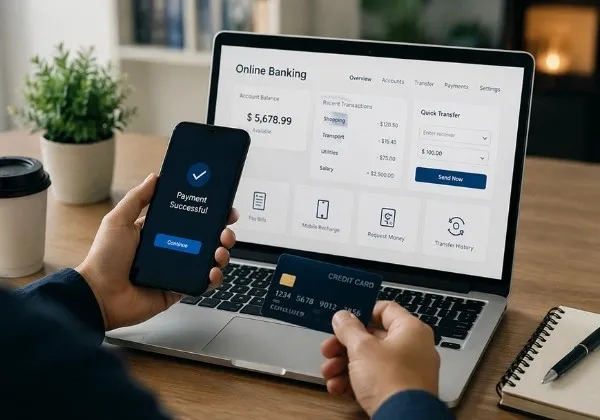
Compliant lending, payments, and trading products

EdTech and E-Learning
LMS, course platforms, and learning tools built to validate

Logistics and Supply Chain
Fleet tracking, route management, and dispatch tools

Real Estate and PropTech
Listing platforms, property management, and VR tour products

eCommerce and Retail
Marketplace, B2C commerce, and direct ordering products

Manufacturing and IoT
IoT dashboards and automation-ready factory tools

Automotive
Connected vehicle platforms and dealership workflow tools
Our MVP Validation and Delivery Process
A staged MVP process that moves from assumptions to a usable release and then back to evidence. Each phase reduces uncertainty before more scope is added.
Problem, Hypothesis & Scope
Define the target user, core problem, riskiest assumptions, success criteria, and the smallest end-to-end journey worth testing.
User & Market Evidence
Review available user evidence, competing alternatives, workflow pain points, and assumptions that need direct validation.
Prototype the Core Journey
Prototype the essential user journey and test the interaction before committing the validated flow to code.
Build the Minimum Usable Release
Build only the capabilities required for the core journey, instrument the product where useful, and review working software throughout delivery.
QA & Release Readiness
Test the agreed MVP scope, critical integrations, permissions, primary user journey, and release conditions before exposing the product to users.
Launch & Measure
Release the MVP to the intended audience with the analytics, feedback channels, and operational checks needed to evaluate what happens next.
Learn & Prioritize the Next Release
Review usage, feedback, support issues, and business signals to decide what should be improved, expanded, delayed, or removed.
At every milestone, you review and approve before we move forward.
Relevant Product Delivery Across FinTech and eCommerce
Selected product-delivery examples that show the design, engineering, integration, launch, and post-launch capabilities used in MVP engagements.
FinTechZilch BNPL App
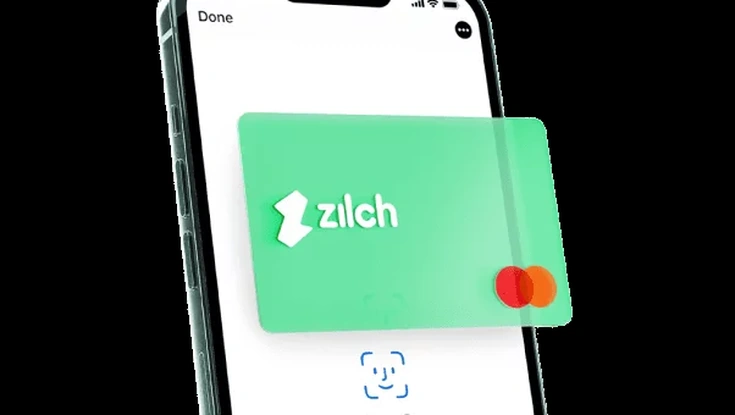
SDLC Corp designed and delivered Zilch’s BNPL app across UX strategy, cross-platform development, payment integration, financial compliance, and post-launch performance work.
eCommerceBeauty eCommerce App
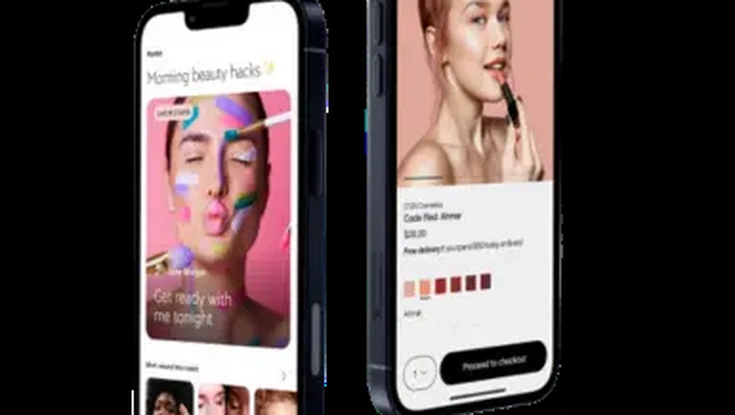
SDLC Corp delivered a health and beauty eCommerce app covering UX design, cross-platform development, legacy integration, compliance, and post-launch support.
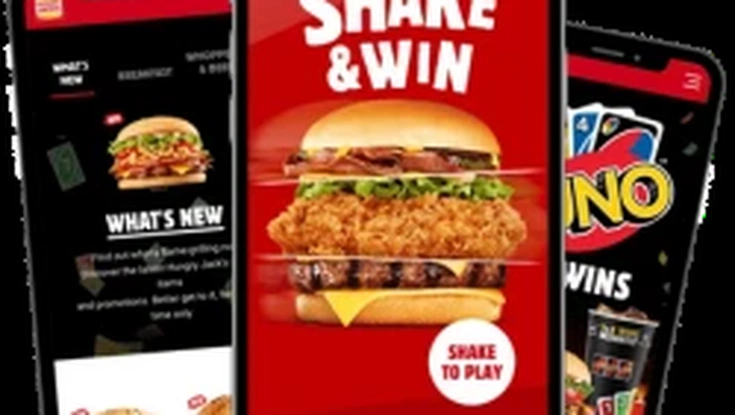
eCommerceFast Food eCommerce App
SDLC Corp designed and developed a fast-food eCommerce app focused on clear user journeys, streamlined checkout, cross-platform consistency, and a simpler mobile ordering experience.
Technology Choices for Lean, Maintainable MVPs
We choose technology around the MVP hypothesis, expected usage, integration needs, team ownership, and the likely path after validation—not around unnecessary version-one complexity.
Fast, responsive interfaces users can navigate without friction from day one.
Reliable server-side logic built to handle real user load and grow with your product.
Data architecture built for speed, integrity, and scalable MVP performance from sprint one.
Cloud-native MVP infrastructure that deploys fast and scales without rebuilding architecture.
Cross-platform and native mobile products scoped to ship version one fast and iterate on feedback.
Every technology choice is made to reduce development risk, improve performance, and support long-term scalability — not just to deliver a quick MVP.
Why Use a Scope-First MVP Delivery Model
The value of an MVP comes from reducing uncertainty, not simply releasing faster. Our delivery model keeps the validation goal visible from discovery through post-launch learning.
Scope-First Approach
Every project begins with a structured scope review that removes features not needed in version one, keeping timelines and budgets intact.
Defined Scope and Commercial Model
Scope, assumptions, responsibilities, acceptance criteria, and the commercial model are agreed before development begins and managed through explicit change control.
Full IP Ownership and NDA Before Work Begins
All source code and design files transfer to you at each milestone. NDA is signed before the discovery session, not after.
Cross-Functional MVP Team
Product, UX, engineering, QA, cloud, and integration expertise can be combined around the specific risks the MVP needs to test.
Continuity From Validation to Iteration
Where the engagement continues, the product context, technical decisions, user evidence, and release learnings carry into the next roadmap phase.
What Clients Say About Our MVP Development
Real reviews from founders and product teams who hired us as their MVP development company. From first call to launch and beyond.
They delivered what they promised, and it is something that is missing nowadays. They stuck to the timeline and delivered an exceptional product as per the expectation.

Working with SDLC Corp was a smooth, transparent, and professional experience. They saw inefficiencies in our processes that we had stopped noticing, and built a solution.

Their deep discovery process meant they understood our business needs better than we did.

MVP Development Cost and Pricing Breakdown
Startup MVP cost depends on platform, scope, and integrations. Every final number is confirmed in writing after a discovery session — no broad estimates that shift mid-project.
| Product Type | Estimated Range | Key Cost Drivers |
|---|---|---|
Simple Web MVP | $15K to $30K | One user type, one workflow, web-only |
Multi-Role SaaS MVP | $30K to $60K | Multiple roles, auth layer, admin controls |
Mobile MVP (iOS or Android) | $25K to $50K | Single platform, native or cross-platform |
Cross-Platform Mobile MVP | $40K to $70K | iOS and Android, dual-store deployment |
AI-Integrated MVP | $40K to $80K | AI scoping, model integration, data handling |
Learn More About MVP Development
These guides answer the questions founders and product teams ask most before starting a project.

MVP vs Full Product Development. Which Should You Build First?
Read MVP vs Full Product Guide
Software Development Cost, Pricing and Timeline.
Read Software Cost and Pricing GuideFrequently Asked Questions About MVP Development
Quick answers to what founders and product teams ask before starting an MVP project.
MVP development cost depends on scope, platform, integrations, and number of user roles. A focused single-workflow web product costs significantly less than a multi-role SaaS or mobile build. At SDLC Corp, scope is defined and agreed first, then a fixed cost is confirmed. No broad estimates that shift mid-project.
Most projects launch in 8 to 12 weeks from the start of discovery. Simpler products with fewer integrations move faster. SaaS products, regulated apps, or builds with complex backend requirements may need additional time for architecture, admin controls, or compliance-related features.
MVP Strategy, Validation and Build Services cover discovery and scoping, UI/UX design, frontend and backend development, QA testing, deployment, and 30 days of post-launch support. The deliverable is a live product your users can sign up for and use, not a clickable prototype.
Yes. All source code, design files, and intellectual property transfer to you at project completion. A mutual NDA is signed before discovery begins and every contract includes a full IP assignment clause. Ownership is assigned at each milestone, not only at the end.
Yes. The same team that built the product continues into the next phase, prioritizing features based on actual usage data rather than pre-launch assumptions. Architecture is designed for this from the first sprint.
Scope discipline. Most agencies build what they are asked to build. Every project at SDLC Corp starts with a structured scope review, removing features that do not belong in a first release before development begins. The result is a product that ships on time, within budget, and is useful for deciding what to build next.
A prototype is a visual or clickable mock-up used to test design and user flow. It cannot be used by real users for real tasks. An MVP is a functioning product built with real code, deployed on real infrastructure, and used by actual users completing real workflows. You prototype to validate design decisions. You build an MVP to validate whether the product idea itself has real demand.
An MVP development agency is a software company that specializes in scoping, designing, and building minimum viable products for startups and enterprises. When choosing one, look for a structured discovery phase before development begins, fixed-scope contracts rather than open-ended time-and-materials billing, clear IP ownership terms in the agreement, and evidence of having built products in your industry. Avoid agencies that start writing code before the scope is agreed in writing.
- Contact Us
Let’s Talk About Your Product
What happens next?
- We review your requirements
- Strategy call with experts
- Clear roadmap & estimate
- NDA Protected
- Enterprise Grade Delivery
- Global Clients