
Match-3 Game An Engaging Mobile Puzzle Experience
SDLC Corp developed this match-3 reference build to show how a casual puzzle game can attract players and keep them coming back. It combines intuitive tile-matching, steady progression, and optional monetization for iOS and Android.
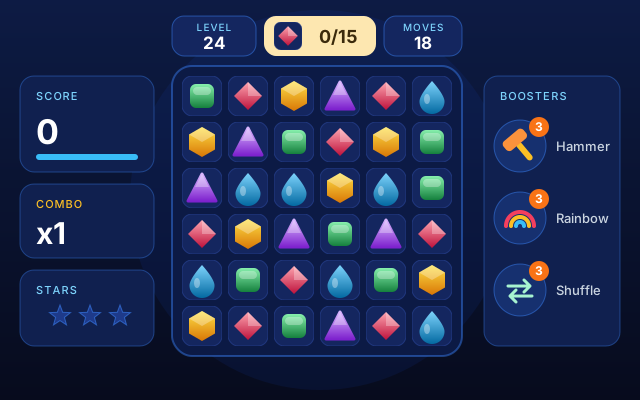
- IndustryGaming and Entertainment
- PlatformiOS and Android
- TechnologyUnity and C#
- ServicesGame Design, UI/UX, Development, Monetization, QA
- Project TypeCasual Puzzle Reference Build
Built for Engagement and Long-Term Growth
Attracting players is only the first step in mobile gaming. The harder task is giving them reasons to return, progress, and use rewards without feeling pushed.
With this in mind, SDLC Corp developed a match-3 reference build in Unity and C#. It brings together tile-matching mechanics, strategic boosters, evolving challenges, daily rewards, and optional in-app purchases, in line with our casual and board game development work.
However, the aim went beyond a fun puzzle game. The build gives publishers and studios a flexible base they can adapt, expand, and improve with player data. As a result, it joins engaging play, monetization, and analytics in one framework for iOS and Android.
Quick Sessions
Short levels that fit a coffee break or a commute.
Achievable Goals
Clear objectives and move limits on every board.
Rewarding Progress
Daily rewards, streaks, and new mechanics that keep play fresh.
Balancing Engagement and Monetization
Players expect a game that is easy to learn and fun from the first move. Meanwhile, publishers need revenue to grow. One hard level, a repetitive board, or a badly timed ad can tip that balance.
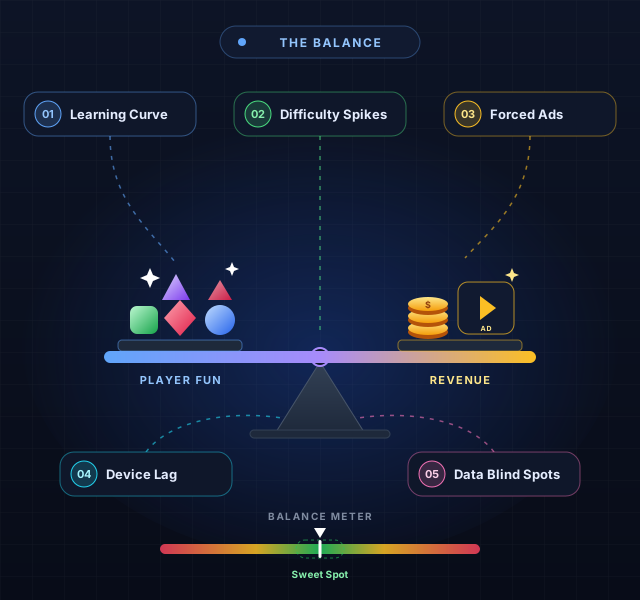
- 01
Accessible Yet Engaging Play
Simple matching rules new players grasp fast, with enough depth to hold interest as levels advance.
- 02
Balanced Level Progression
Each level in our game development process adds new objectives, blockers, and move limits, without sudden spikes that frustrate players.
- 03
Monetization Without Interruption
Rewarded ads and purchases must stay optional benefits, never walls that block progress.
- 04
Consistent Cross-Platform Performance
Responsive play and steady visuals on iOS and Android phones with very different hardware.
- 05
Visibility Into Player Behavior
Clear data on how players progress, use rewards, watch ads, and make purchases.
A Player-Centric Match-3 Game
Instead of treating gameplay, engagement, and monetization as separate features, we connected them in one player journey. Unity and C# kept play consistent across platforms and easy to refine.
- Priority 0101
Enjoyable Gameplay
Players start with simple puzzle goals. Then new mechanics appear one at a time, so the game never feels hard to learn.
- Priority 0202
Continued Progression
Boosters and rewards show up when extra help is useful. Meanwhile, daily rewards and structured levels bring players back.
- Priority 0303
Revenue With Player Control
Optional purchases create revenue without forcing anyone to pay. Analytics events also show how players respond to each offer.
Inside the Gaming Experience
Every action should feel intuitive, responsive, and rewarding. So the game adds layers of interaction over time, yet keeps the simplicity players expect from the genre.
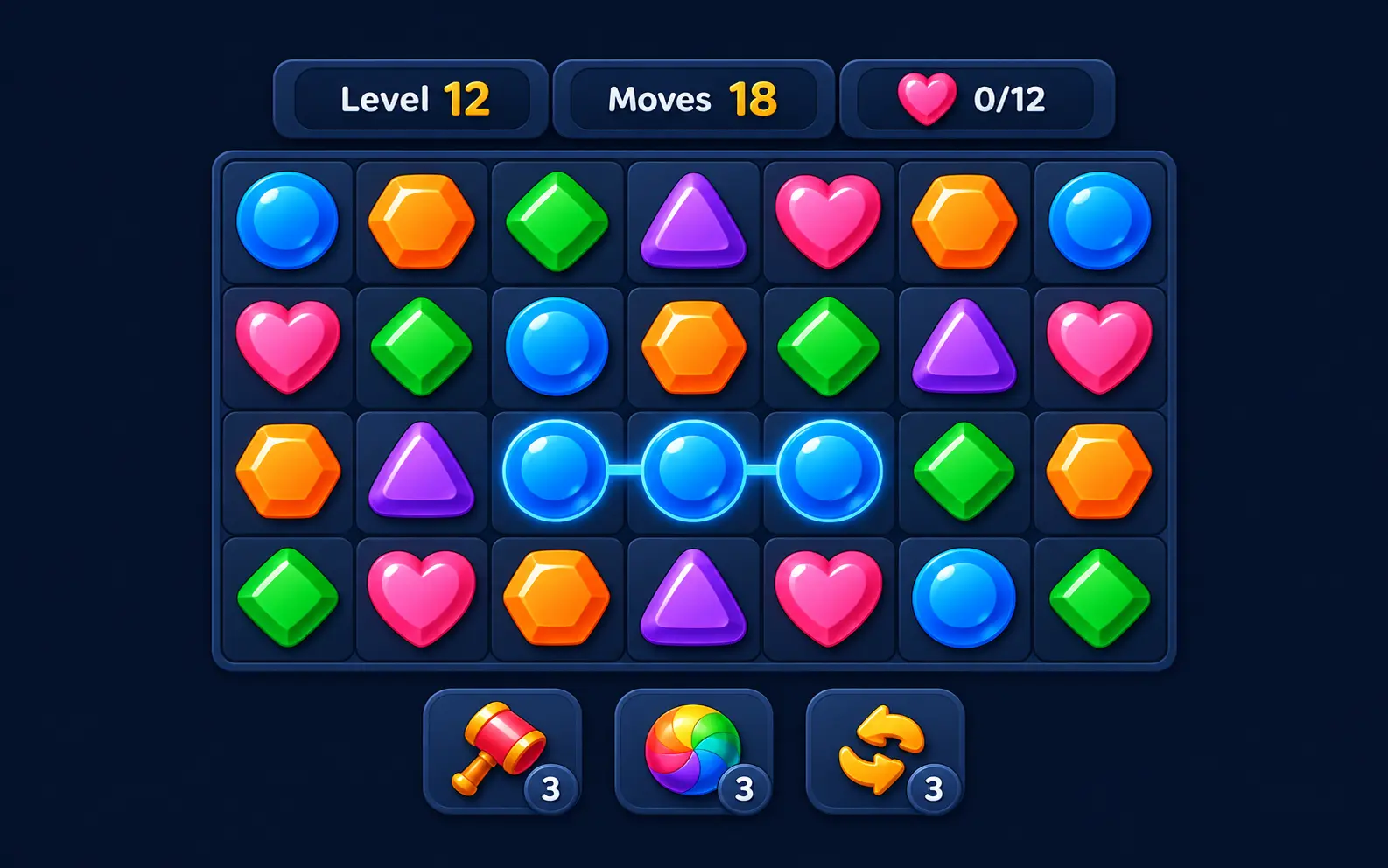
Interactive Match-3 Gameplay
Players swap adjacent pieces to line up three or more matching tiles. Each match clears tiles, triggers visual feedback, and counts toward the level goal. Later, new board elements and obstacles call for more careful moves.
- Tile swapping, matching, scoring, and cascades
- Level-specific objectives and move limits
- Blockers that add puzzle challenges
- Boosters and extra moves for hard spots
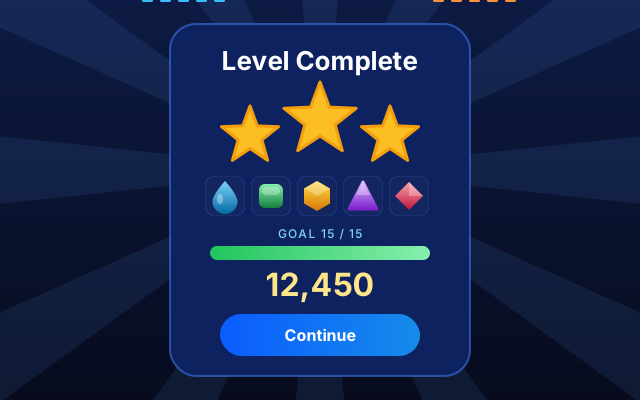
- Visual effects for matches and level wins
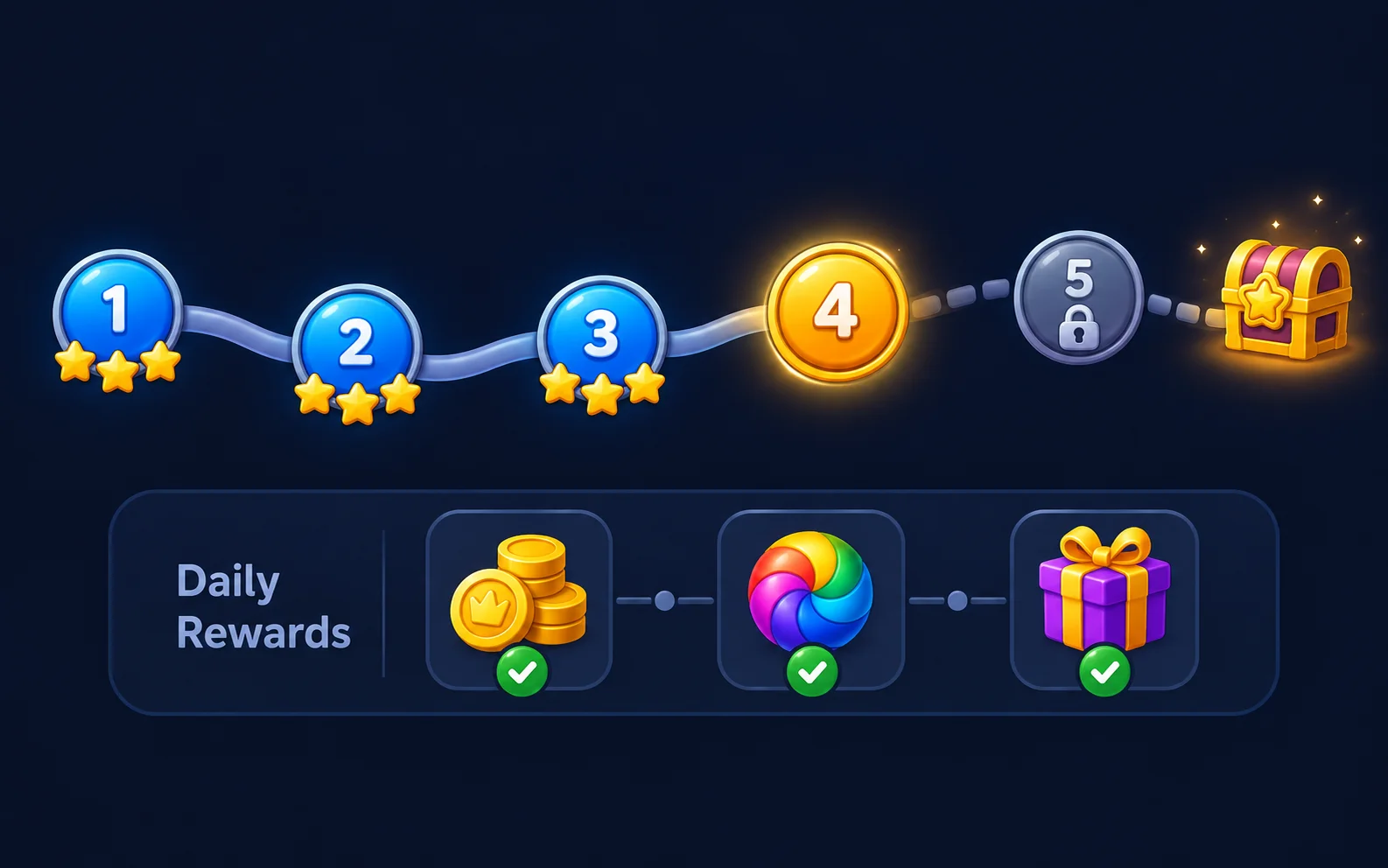
Progressive Levels and Player Rewards
Early levels teach the basics. After that, later stages add blockers, advanced goals, and new combinations, so players learn by playing instead of reading long instructions.
- Mechanics introduced one at a time
- Rising difficulty tied to clear goals
- Daily rewards and login streaks
- Extra challenges for regular players
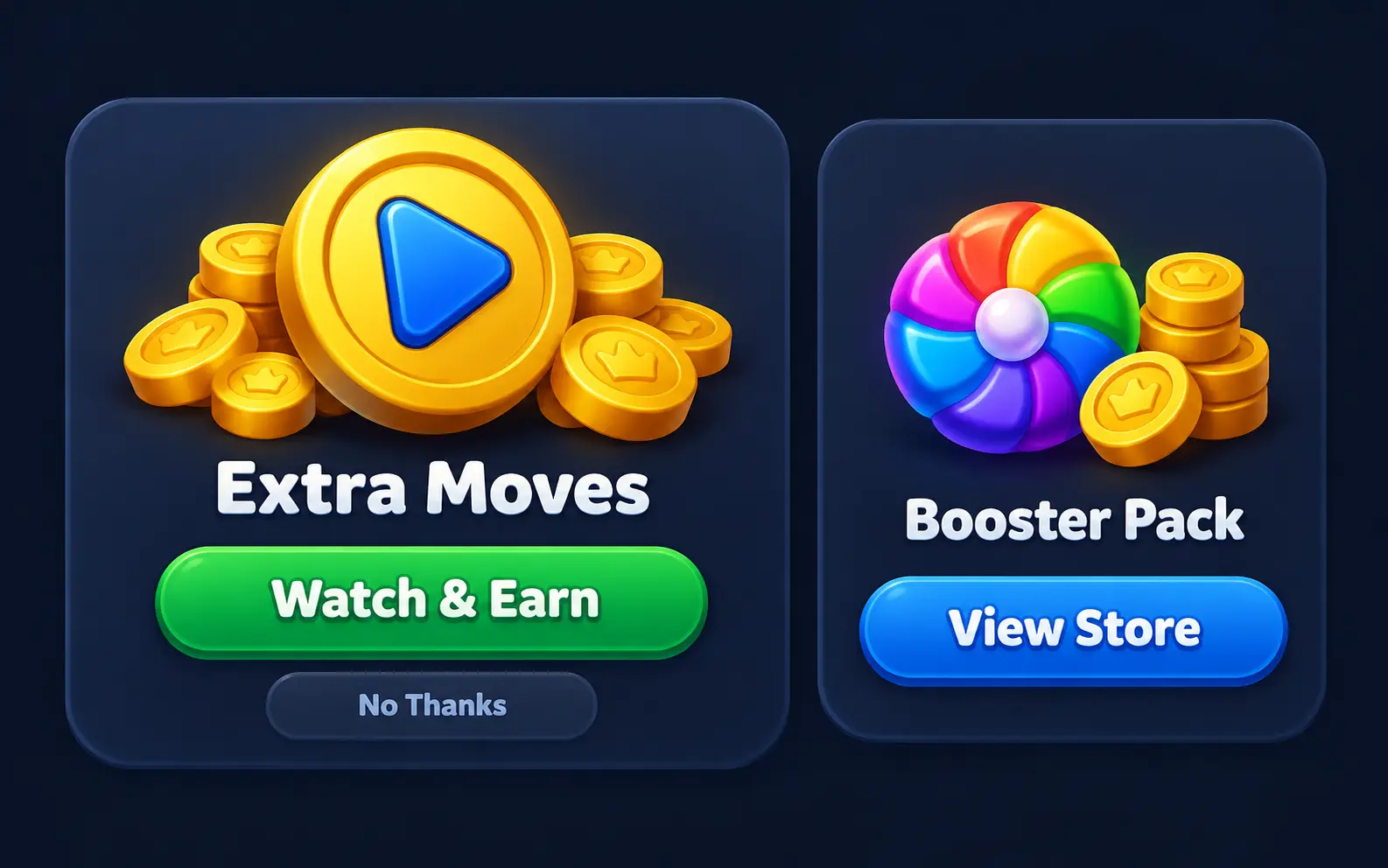
Player-Friendly Monetization
Monetization supports the game rather than interrupting it. For example, a player can watch a rewarded ad for extra moves or lives, or buy boosters and in-game currency. Player choice stays central, which matters most when you balance gameplay and monetization in mobile games.
- Rewarded ads for extra moves or lives
- Optional boosters and currency packs
- No forced purchase walls
level_startLevel 24match_madex3 cascadebooster_usedColor Bombrewarded_ad_complete+5 movespurchase_completeGem PackAnalytics-Ready Game Architecture
Event tracking shows how players interact with the game. As a result, teams can spot difficult levels, see how rewards are used, and choose which changes to test, instead of relying on guesswork.
- Retention and session events
- Rewarded ad engagement
- Purchase conversion
- Data for level balancing
From Game Concept to Playable Build
SDLC Corp followed the iterative workflow of its Unity game development company teams. Each stage refined the player experience while keeping the foundation open for updates.
- 01Phase 1
Gameplay Strategy and Concept
The team defined the core loop, player goals, level structure, and monetization plan. Next, it set the first rules for matching, scoring, blockers, boosters, and progression.
- 02Phase 2
Interactive Prototyping
A playable Unity prototype tested tile swaps, match detection, falling tiles, and cascades. The team then tuned animation timing and feedback until play felt smooth.
- 03Phase 3
Level Design and Engagement
Structured levels, varied goals, and blockers added variety. In addition, daily rewards and login streaks joined the wider experience.
- 04Phase 4
Monetization and Analytics
Rewarded ads and in-app purchase support came next. Analytics events then captured reward use, sessions, and purchases.
- 05Phase 5
Testing and Optimization
Functional, gameplay, and performance checks ran on target iOS and Android devices. The focus was on delays, wrong level behavior, and integration failures.
- 06Phase 6
Launch Readiness
Finally, the team prepared the build for deployment and set the measures for later tuning, such as retention, session length, and purchase conversion.
Technology Behind the Game
Unity and C# formed the core, while ads, purchases, analytics, and saved progress ran as connected services. For engine features, the Unity documentation served as the technical reference.
- Unity
- C#
- iOS
- Android
- Level Editor
- Animation
- Visual Effects
- Cross-Platform Builds
- Unity
- C#
- iOS
- Android
- Level Editor
- Animation
- Visual Effects
- Cross-Platform Builds
- Rewarded Ads
- AdMob
- In-App Purchases
- Google Play Billing
- Apple StoreKit
- Firebase Analytics
- Crashlytics
- Event Tracking
- Rewarded Ads
- AdMob
- In-App Purchases
- Google Play Billing
- Apple StoreKit
- Firebase Analytics
- Crashlytics
- Event Tracking
- Progress Saving
- Firebase or Custom Backend
- Daily Rewards
- Login Streaks
- Boosters
- Device Testing
- Functional Testing
- Performance Profiling
- Progress Saving
- Firebase or Custom Backend
- Daily Rewards
- Login Streaks
- Boosters
- Device Testing
- Functional Testing
- Performance Profiling
A Foundation for Future Growth
These are implementation outcomes of the reference build. Real gains in retention, revenue, conversion, or downloads would need validated post-launch data.
- Outcome 01
Cross-Platform Gameplay Foundation
Core mechanics, level goals, boosters, and visual feedback run as one consistent experience on iOS and Android.
- Outcome 02
Structured Player Progression
New mechanics and challenges arrive gradually, giving a solid base for future levels and balancing.
- Outcome 03
Optional Revenue Opportunities
Rewarded ads and in-app purchases add revenue, while players stay in control of every choice.
- Outcome 04
Basis for Performance Measurement
Event tracking supports analysis of retention, sessions, ad engagement, and purchase behavior.
- Outcome 05
Room for Future Expansion
The level-based architecture leaves space for new challenges, reward mechanics, and gameplay updates.
Player Metrics That Guide Updates
A launch is only one step. Knowing what players do next matters just as much, so the game tracks five indicators that link gameplay, engagement, and monetization.
- 01
Day 1 Retention
Share of new players who return the day after their first session.
- 02
Day 7 Retention
Share of new players who return seven days after they first play.
- 03
Average Session Duration
How long players stay in the game during each session.
- 04
Rewarded Ad Engagement
Opt-ins and reward completion on optional ads, tracked through events such as AdMob rewarded ads.
- 05
Purchase Conversion
Share of players who complete an in-app purchase.

Player Experience at the Center
Successful match-3 games need more than colorful boards. They balance intuitive play, rising challenge, real rewards, and monetization that respects player choice.
This reference build shows how SDLC Corp joins gameplay prototyping, level design, optional monetization, cross-platform development, and analytics in one solution. From the first tile swap to later rewards, each element supports a coherent player journey.
For publishers and studios planning mobile game development, it offers a practical base for engaging gameplay, adaptable content, and future revenue.
Intuitive Interactions
Clear rules and quick feedback from the first tile swap.
Progressive Challenges
Difficulty that rises steadily without sudden walls.
Rewarding Experiences
Boosters, streaks, and daily rewards that bring players back.
Respectful Monetization
Ads and purchases that players choose, never forced.
Have a Match-3 Game Idea? Let's Make It Playable
Planning a new casual puzzle game, improving a current title, or exploring monetization? Our team covers gameplay design, Unity development, mobile integration, testing, and launch preparation.
What happens next?
Share your game concept, target platforms, and requirements. We review them and suggest the next steps.
- NDA Available
- 106+ Games Delivered
- Response Within 1 Business Day
No sales pressure. We reply with realistic scope and delivery recommendations.


