
AR/VR Game Development Company
We build custom AR, VR and mixed reality games with Unity and Unreal Engine. Our AR/VR game development services span concept to launch and ongoing support across mobile, web and XR headsets.
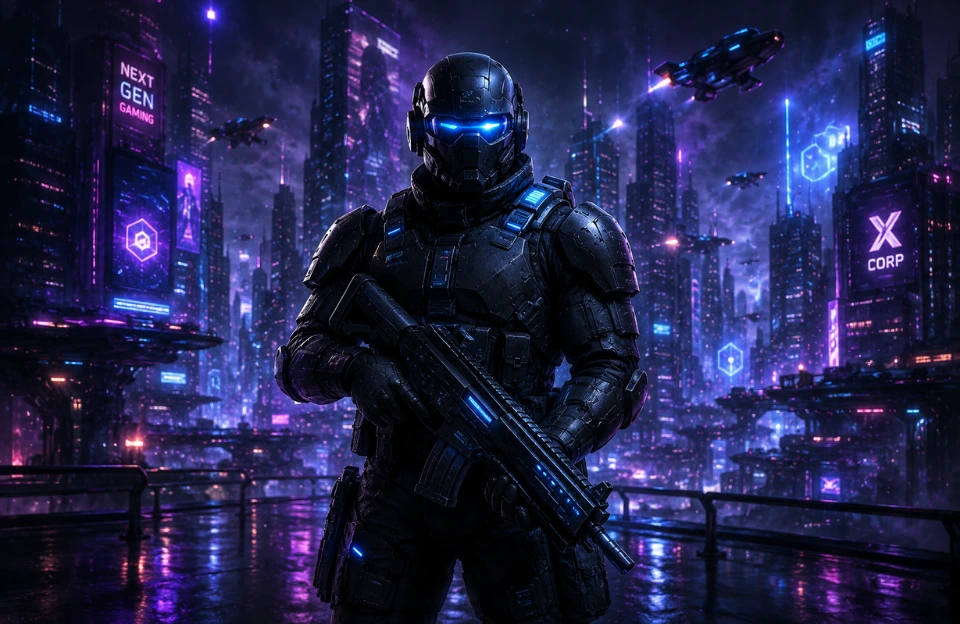
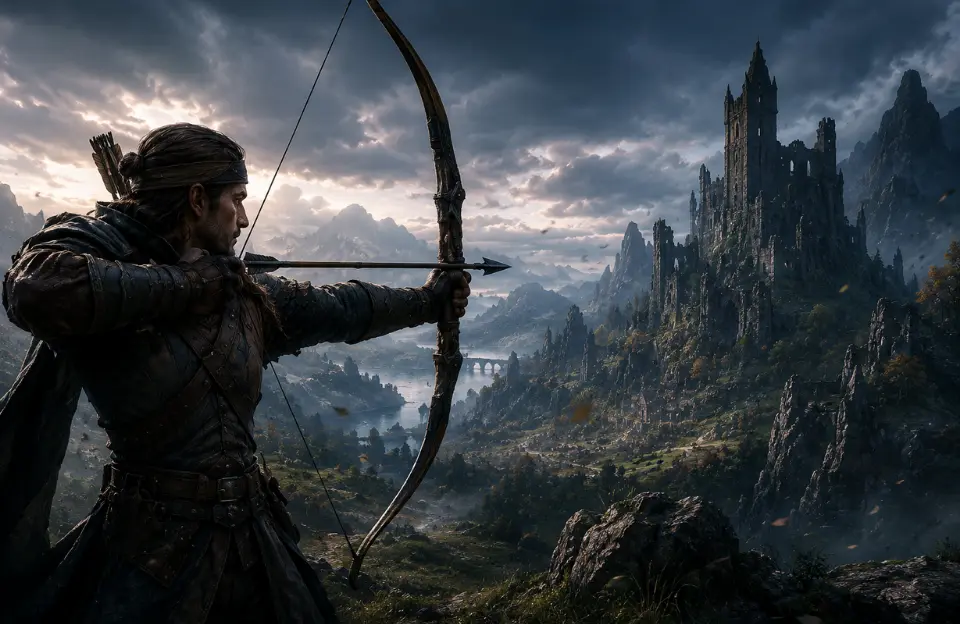

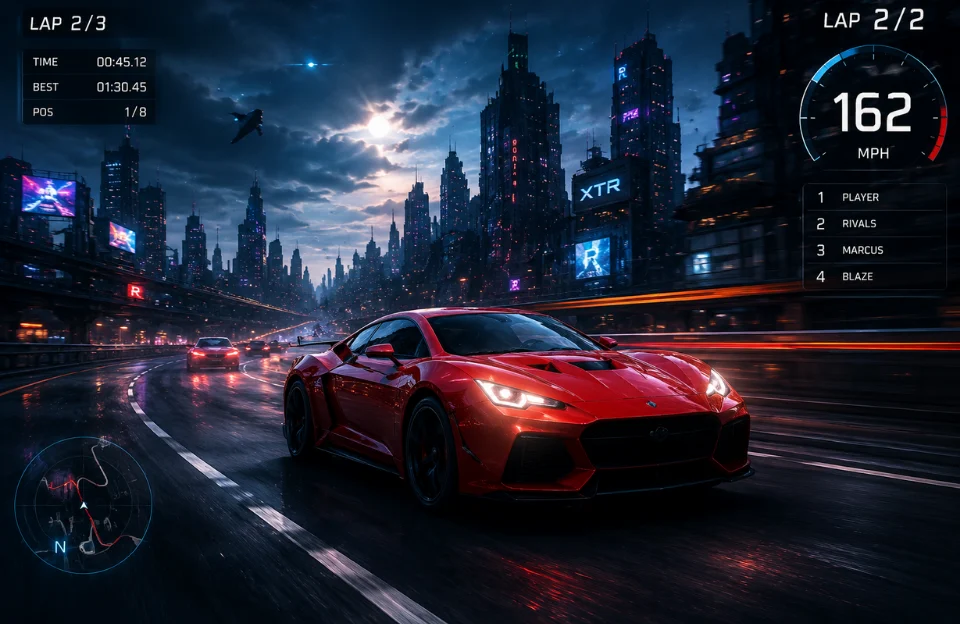

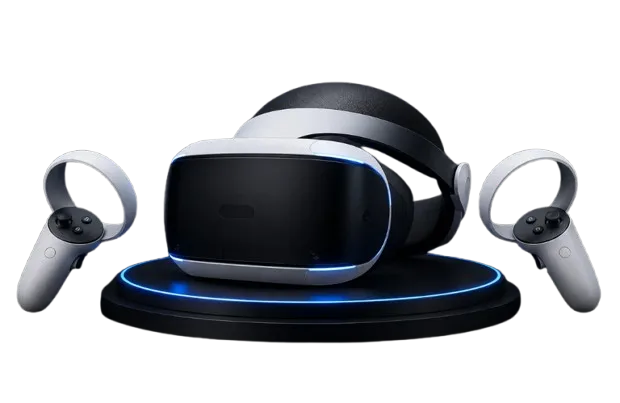




AR/VR Games We've Designed, Built & Launched
Explore how we've delivered interactive AR and VR experiences for gaming, training, and interactive entertainment. Each project combines realistic environments, responsive gameplay, and optimized performance across leading XR platforms.
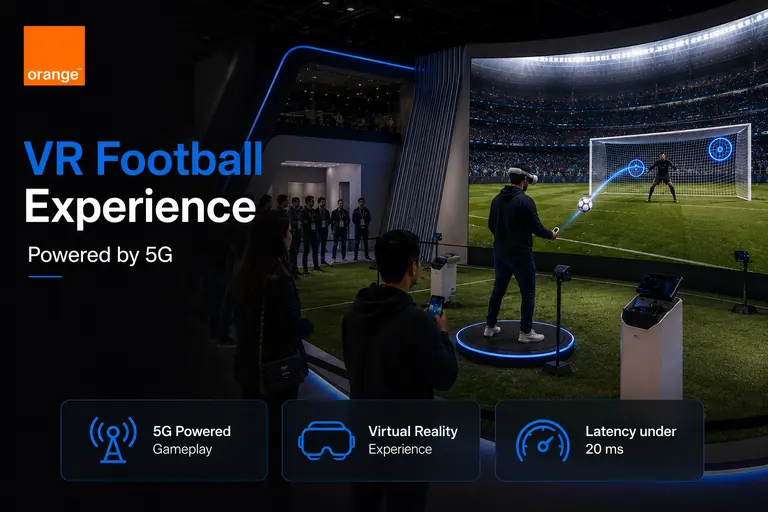
VR Soccer Game Built for a Live 5G Experience
Developed an immersive VR football experience featuring realistic gameplay physics, real-time multiplayer interaction, intuitive motion controls, and ultra-low latency performance for a large-scale live 5G gaming event.
Discover Resources for Successful AR/VR Game Development
Start Your Project →Our AR/VR Game Development Services
From the initial concept to post-launch delivery, we create AR/VR games that are immersive, scalable, and built for success. Our team adapts every project to match your vision, timeline, and target platform
Augmented Reality
Marker-based, markerless, and location-based AR games built with ARKit, ARCore, and AR Foundation for scavenger hunts, brand activations, and gamified retail experiences.
Explore ARVirtual Reality
Fully immersive VR games with room-scale movement, hand interaction, spatial audio, and realistic physics, optimized for user comfort and stable frame rates.
Explore VRMixed Reality
MR games that blend digital objects with physical spaces through passthrough, scene understanding, and spatial interactions for Meta Quest and Apple Vision Pro.
Explore MRMetaverse
Persistent multiplayer worlds with avatars, real-time voice, shared environments, in-world economies, and optional blockchain or NFT integrations.
Explore MetaverseBenefits of Partnering with SDLC Corp for AR/VR Game Development
With SDLC Corp, you gain experienced developers, cross-platform expertise, transparent collaboration, and reliable post-launch support throughout your project.
106+ Immersive Projects Delivered
Proven experience delivering immersive AR/VR games, simulations, and interactive products across industries and platforms.
0110+ Years of Game Engineering Expertise
Build reliable and future-ready interactive solutions backed by more than a decade of software and game development experience.
02Unity, Unreal and Cross-Platform Expertise
Work with experienced developers specializing in Unity game development, AR game development, and VR game development across headsets, mobile devices, PC, consoles, and WebXR.
03Agile Milestone-Based Delivery
Review playable builds throughout development, provide early feedback, and keep delivery aligned with your product vision.
04Transparent Global Collaboration
Stay informed through regular reporting, dedicated project management, and flexible communication across time zones.
05Post-Launch Support and Live Operations
Maintain performance and engagement with bug fixes, optimization, content updates, maintenance, and feature enhancements.
06AR/VR Industries and Use Cases
We design interactive AR/VR experiences for training, education, healthcare, retail, and entertainment, tailored to your users and project goals.
Training & Simulation
AR/VR simulations for enterprise training teams, with realistic scenarios and performance tracking to support practical skills and safety training.
Educational Experiences
Interactive lessons and virtual labs for schools and learning providers, designed to help learners explore concepts through guided practice.
Healthcare Experiences
Medical simulations and patient education experiences for healthcare providers, designed to support clinical learning and explain procedures.
Retail & Shopping Experiences
AR product visualization and virtual showrooms for retailers and brands, helping customers explore products in context before purchasing.
Multiplayer Social Experiences
Shared AR/VR worlds for game studios and community platforms, with avatars, real-time voice, and synchronized interactions for social play.
Location-Based Entertainment
Virtual reality attractions for arcades, theme parks, and entertainment venues, with multiplayer gameplay and motion tracking for shared on-site play.
Flexible AR/VR Engagement Models
Whether you need a few specialists or a complete delivery team, choose the engagement model that matches your project scope, timeline, and business goals.
Team Augmentation
Add AR/VR developers, artists or QA specialists to your team. You assign tasks and approve their code, assets or test reports in your existing workflow.
- Scaling up quickly
- Tight delivery timelines
- Filling specialist skill gaps
Full-Cycle Development
Our designers, artists, developers and QA team manage delivery. You provide requirements and approve milestones before handover of agreed builds, source files and documentation.
- One accountable development partner
- Minimal internal management
- Complete end-to-end delivery
Dedicated Team
Work with dedicated designers, artists, developers and QA specialists. We manage daily delivery; you set priorities and approve sprint builds, with agreed source files and documentation handed over.
- Ongoing AR/VR products
- Long-term development roadmaps
- Consistent dedicated talent
Our AR/VR Game Development Process
Our agile, milestone-based process keeps development transparent. As a result, you can review working builds early, share feedback, and stay informed throughout the project.
Discovery & Game Design
We define your vision, audience, target platforms, budget, gameplay mechanics, comfort requirements, progression, monetization, and measurable success criteria.
Prototype & Visual Design
Our game art and consulting services cover optimized 3D assets, environments, animations, and visual content for immersive experiences.
Game Development
Moreover our team develops gameplay systems, spatial interactions, multiplayer features, backend functionality, and platform integrations through short, reviewable sprints.
Testing & Deployment
Similarly we test performance, comfort, stability, device compatibility, and platform compliance before managing certification, store submission, and launch.
Live Support & Updates
After launch, we provide monitoring, bug fixes, optimization, performance improvements, content updates, patches, and ongoing live operations.
AR, VR & Metaverse Technologies We Use
We build AR/VR experiences using game engines, XR SDKs, cloud services, multiplayer tools and 3D content creation software.
 Unity
Unity Unreal Engine
 OpenXR
 ARKit
ARKit ARCore
 VuforiaUnityUnreal EngineOpenXRARKitARCoreVuforiaUnityUnreal EngineOpenXRARKitARCoreVuforia
 MRTK
MRTK Photon
 AWS
AWS Blender
 Autodesk Maya
 FigmaMRTKPhotonAWSBlenderAutodesk MayaFigmaMRTKPhotonAWSBlenderAutodesk MayaFigma
AR/VR Platforms We Develop For
Since every project has different goals, we help you choose the right platform before development begins, balancing performance, budget, and user experience.
Meta Quest
Native Horizon OS games with mixed-reality passthrough, hand tracking, and Quest Store optimization for standalone virtual reality experiences.
Quest 3 · Quest 3SApple Vision Pro
Spatial experiences for visionOS using high-resolution displays, natural gaze input, hand gestures, and premium mixed reality.
visionOSMobile AR
AR experiences for iOS and Android with plane detection, image tracking, occlusion, and object-aware interactions.
ARKit · ARCorePC VR
High-fidelity VR experiences for SteamVR and OpenXR headsets, powered by desktop GPUs for complex mechanics and detailed environments.
SteamVR · OpenXRWebXR
Browser-based augmented reality and Virtual reality experiences with no installation required, ideal for campaigns, demonstrations, and product previews.
Browser-BasedConsole & Emerging
Games and immersive applications for PlayStation VR2, HTC Vive, Pico, and other emerging headsets, with adaptation across devices.
PSVR2 · Vive · PicoAR/VR Game Development Insights and Guides
Stay informed with practical guides covering AR/VR development, realistic gameplay, device compatibility, spatial interaction, and performance optimization.
Let's Discuss Your Game Project
Share your requirements, timeline, existing build, or game concept. SDLC Corp will review your project and recommend the right scope, team structure, and delivery approach.
What happens next?
We review your brief, estimate scope, and recommend the right team model.
- NDA Available
- 106+ Games Delivered
- Response Within 1 Business Day
No sales pressure. We reply with realistic scope and delivery recommendations.
Frequently Asked Questions
Straight answers on timeline, cost, platforms, collaboration, ownership, and support.
An AR/VR game development company designs, develops, tests, and launches games for augmented, virtual, and mixed reality. Services can include game design, 3D art, development, multiplayer integration, device optimization, deployment, and post-launch support.
AR overlays digital content onto the real world. VR places users inside a virtual environment. MR lets digital objects interact with physical surroundings. The metaverse describes shared virtual worlds and experiences; it is not a separate device platform.
Choose AR for experiences that add digital content to real-world views, often through mobile devices. Choose VR for fully virtual gameplay and simulations. Choose MR when gameplay needs to interact with a user's physical space. We help assess your audience, devices, budget, and intended use before recommending an approach.
Pricing depends on the target devices, gameplay, 3D assets, multiplayer features, and integrations. Estimates are quoted in US dollars (USD) unless another currency is agreed. The proposal lists included design, development, testing, and deployment work, plus any separate hardware, licensing, hosting, taxes, or support costs. A prototype and a production game have different scopes, so their estimates are not directly comparable.
Indicative planning ranges are 4–8 weeks for a focused prototype, 3–6 months for a limited-scope game, and 9 months or more for larger multiplayer projects. These are estimates, not delivery commitments. The agreed schedule accounts for features, asset production, testing, client approvals, and platform review. Timelines on specialist pages may describe different scopes.
Target devices can include Meta Quest, Apple Vision Pro, HTC Vive, Pico, mobile AR, and PC VR. We use technologies such as SteamVR, WebXR, ARKit, and ARCore where appropriate. Device coverage, platform access requirements, and performance targets are confirmed during scoping; console XR projects also depend on platform approval.
Yes. Features can include voice chat, matchmaking, synchronized gameplay, avatars, and leaderboards. We select networking tools such as Photon or Unity Netcode based on the project. Player capacity, hosting costs, and performance targets are scoped and tested for the intended devices.
Yes. We can add specialists to your team or provide a dedicated delivery team. With augmentation, your lead manages tasks and approvals. With a managed team, our lead coordinates delivery while you set priorities and approve milestones. Roles, repository access, reviews, and deliverables are agreed before work begins.
We agree working-hour overlap, meeting times, communication channels, and review schedules during onboarding. Written progress updates and milestone demos support collaboration across time zones. Required US or UK coverage hours are confirmed in the proposal rather than assumed.
Handover can include the agreed source code, custom assets, tested builds, setup instructions, and project documentation. We review deliverables against the agreed acceptance criteria before approval. Repository access, account transfers, licensing details, and any knowledge-transfer sessions are defined in the delivery plan.
Ownership of custom code and assets, and the conditions for transfer, are defined in your agreement. Third-party engines, SDKs, plugins, stock assets, and services remain subject to their own licenses and fees. The agreement identifies any pre-existing components and your rights to use them. An NDA can be arranged before sharing confidential project details.
Yes. Support can include bug fixes, performance checks, device compatibility updates, and release assistance. The agreement defines the support period, coverage, response times, and fees. New features, content updates, and porting are scoped separately unless included in your support plan.


