


Introduction
New York’s casino license race has intensified, with Coney Island, Citi Field, and Hudson Yards competing for one of the city’s most valuable gaming approvals. The outcome is about far more than building a casino it will influence New York’s entertainment landscape, reshape local economies, and determine which district becomes the next major tourism hub. Each bid brings a distinct vision, unique strengths, and significant economic potential, making this one of the city’s most closely watched developments.
A New Era for New York’s Casino Industry

The new casino license marks a defining moment for New York’s gaming industry, signaling a shift toward large-scale, experience-driven entertainment destinations. Today’s casino projects must balance tourism appeal, urban integration, and advanced digital innovation to remain competitive.
Transformation of casino concepts
Casinos are no longer limited to gaming floors. They now operate as full entertainment ecosystems that combine gaming, dining, live shows, hospitality, and premium leisure experiences.
Strategic urban integration
In a dense city like New York, proposed casino developments must complement existing infrastructure, respect community dynamics, and enhance the surrounding urban environment.
Tourism and global appeal
Successful projects are designed to attract both local visitors and international tourists, positioning New York as a leading global gaming and entertainment hub.
Technology-driven differentiation
Advanced casino software and digital platforms are central to standing out, enabling immersive and interactive experiences beyond the physical venue.
Expansion into digital experiences
Mobile casino apps, custom game development, and online engagement tools are now essential to meet evolving player expectations and extend reach beyond the casino floor.

How New York Decides Who Gets a Casino License
New York’s casino licensing framework is built to balance economic growth with community impact and long-term urban development. Any proposal must pass strict reviews to ensure it delivers value beyond gaming revenue.
Multi-layered approval process
Projects must clear land-use permissions, community consultations, and detailed state-level evaluations before moving forward.
Community and neighborhood fit
Proposals are judged on how well they integrate with their surroundings, support local businesses, and align with neighborhood needs.
Public benefit focus
Strong bids demonstrate clear contributions to jobs, transportation improvements, public spaces, and broader economic development.
Responsible operations
Applicants must present solid plans for security, responsible gambling, regulatory compliance, and long-term operational integrity.
Execution strength
The most competitive proposals combine strong design, reliable financing, political and community backing, and a realistic timeline for launch and revenue generation.
Key Factors Regulators Evaluate
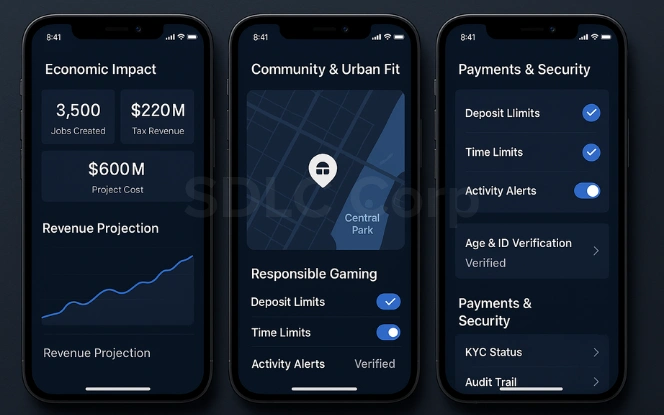
When regulators and advisory committees review casino proposals, they typically focus on a core set of factors:
Economic impact:
How many jobs will the project create during construction and operation? How much tax and fee revenue will it generate for the city and state?
Community benefits:
What the project offers beyond gaming, such as public parks, cultural spaces, local hiring commitments, or infrastructure upgrades.
Location and accessibility:
Proximity to public transit, impact on traffic, and how easily visitors can reach the site without overwhelming local streets.
Urban design and fit:
How the casino integrates with the existing neighborhood fabric, skyline, and nearby landmarks.
Social and safety considerations:
Plans for responsible gambling, security, and mitigating potential negative effects on nearby communities.
Financial strength and execution risk:
Whether the development team has the capital, experience, and partners to actually deliver what they promise.
For bidders that embrace technology, there is also growing focus on how digital tools can support secure payments, identity verification, and responsible gaming features.
Coney Island: Nostalgia Meets Modern Entertainment
Coney Island’s casino proposal focuses on revitalizing a historic destination by combining nostalgic charm, economic growth, and modern gaming innovation.
Revival of an iconic location
The project enhances Coney Island’s boardwalk identity while introducing a contemporary entertainment destination.
Economic growth and jobs
The casino could create thousands of jobs and drive sustained tourism and local business activity.
Expanded visitor appeal
Year-round attractions aim to draw both traditional tourists and new audiences.
Advanced gaming technology
Modern casino apps and custom gaming software power a seamless on-site and digital experience.
Hybrid gaming model
Physical casino play is combined with immersive digital and virtual-reality gaming options.
Citi Field: The Home Team Advantage
Citi Field’s casino proposal aims to transform an established sports venue into a year-round entertainment and gaming destination through strong infrastructure and digital innovation.
Strategic Queens location
Built around Citi Field’s existing sports and entertainment footprint, the site benefits from strong transit access and an established visitor base.
Year-round destination vision
The proposal expands beyond baseball to include gaming, dining, hotels, and large-scale event spaces.
Infrastructure and accessibility advantage
Existing transportation links and venue capacity reduce development friction and support high visitor volumes.
Digital-first casino strategy
The project emphasizes integration with advanced casino software and custom game platforms.
Unified physical and online experience
By linking on-site gaming with online platforms, the bid targets global reach and positions Citi Field as a technology-driven casino contender.

Hudson Yards: Luxury and Sophistication
Hudson Yards’ casino proposal targets the luxury market by combining Manhattan’s most upscale district with premium gaming and advanced digital innovation.
Prestigious Manhattan location
The bid leverages Hudson Yards’ reputation for high-end retail, fine dining, and modern architecture.
Luxury-focused casino experience
The project is designed to attract affluent locals and international visitors seeking exclusive entertainment.
Lifestyle-aligned development
The casino concept naturally complements the district’s upscale, premium lifestyle positioning.
Personalized gaming approach
Custom casino platforms and tailored game experiences form the core of the digital strategy.
Next-generation technology adoption
Blockchain-powered gaming, including TRON-based DApps, and VIP-focused digital experiences highlight a commitment to innovation.
The Economic Impact
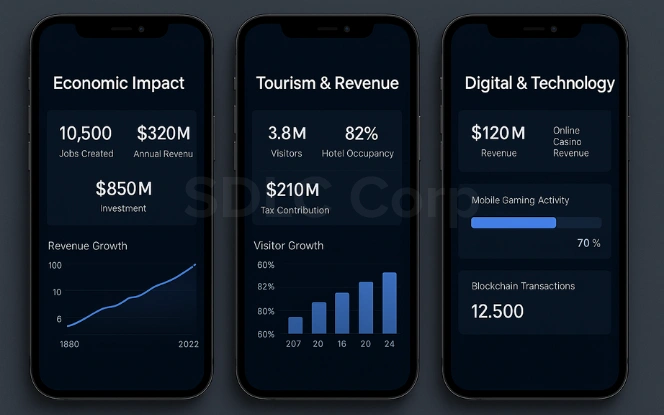
The casino license decision will shape New York City’s economy by driving employment, tourism, and long-term revenue growth across both physical and digital gaming sectors.
Large-scale job creation
Casino developments generate employment across construction, hospitality, gaming operations, management, and long-term support roles.
Tourism and city revenue growth
New resorts are expected to boost visitor numbers and contribute substantial tax revenue to New York City.
Long-term economic ripple effect
Ongoing casino operations support local businesses and create sustained economic activity beyond initial development.
Expansion into digital gaming
Modern casinos extend beyond physical venues into online platforms, unlocking new revenue streams.
Technology and innovation-driven growth
Advanced casino game services, including mobile platforms and blockchain-based gaming, strengthen New York’s broader tech and entertainment ecosystem.
Community and Political Dynamics
New York’s casino licensing process is shaped as much by community and political dynamics as by technical planning and financial strength.
Multiple stakeholder influence
Community boards, advocacy groups, elected officials, and local businesses all have a voice in the decision-making process.
Arguments from supporters
Proposals emphasize job creation, expanded entertainment options, upgraded public spaces, and tourism growth beyond Midtown and downtown.
Concerns from opponents
Common objections include traffic congestion, quality-of-life impacts, problem gambling risks, and threats to neighborhood character.
Importance of early engagement
Strong bids actively involve local stakeholders early and refine plans based on community feedback.
Politics and negotiation factor
The most competitive proposals position the casino as part of a broader community development strategy, making political alignment and negotiation critical to success.
The Future of Technology in New York’s Casino Scene

Technology is now a core differentiator in modern casino projects, shaping both player experience and operational efficiency.
Seamless physical and digital integration
Casinos are expected to connect on-site experiences with mobile platforms for loyalty management, game access, reservations, and personalization.
Smarter casino operations
Advanced software enables real-time analytics, fraud prevention, and automated compliance reporting for operators.
Evolving player experiences
Interactive table games and immersive digital content are redefining how players engage during a casino visit.
Strategic technology partnerships
Collaborations with specialized gaming software teams help casinos innovate while maintaining regulatory compliance.
Competitive advantage through technology
Well-executed digital strategies allow New York casinos to differentiate themselves in a highly competitive, tightly regulated market.
Overcoming Challenges in New York’s Casino License Race
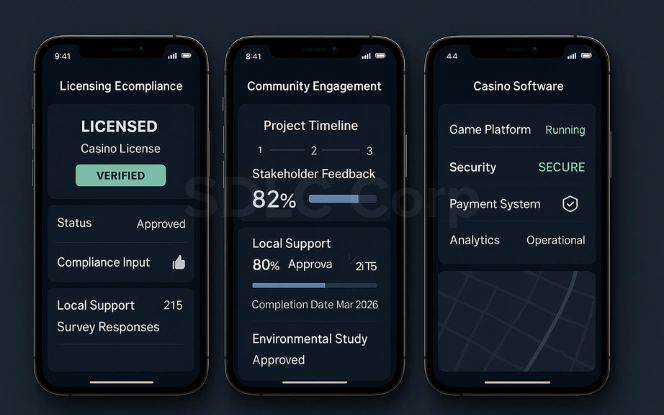
Successfully navigating New York’s casino licensing process requires balancing regulation, community trust, and technological readiness.
Regulatory compliance and transparency
Clear communication with state authorities and strict adherence to licensing and compliance requirements are essential.
Community engagement and support
Proposals must actively involve local stakeholders, address concerns, and align plans with neighborhood priorities.
Urban construction challenges
Efficient and sustainable building practices help reduce disruption in dense city environments.
Advanced casino technology integration
Modern casino software is critical to meet evolving player expectations and operational standards.
Strategic development partnerships
Working with experienced casino game teams enables secure innovation while remaining compliant, strengthening the overall bid.

Conclusion
The race for New York’s casino license reflects the city’s push to redefine entertainment and gaming, with Coney Island, Citi Field, and Hudson Yards each offering a distinct vision rooted in nostalgia, sports, or luxury. What will ultimately decide the winner is the ability to combine strong physical destinations with advanced digital innovation and modern game technology, setting a new benchmark that blends New York’s character with the future of gaming.


