
VR Game Development Company
SDLC Corp is a virtual reality game development company for studios, publishers, and brands. We build games for Meta Quest as well as PC VR. Our team also develops complete games, joins existing productions, and ports titles to new headsets. If you’re starting with a concept, we can first build a playable prototype to test the core mechanic on-device.
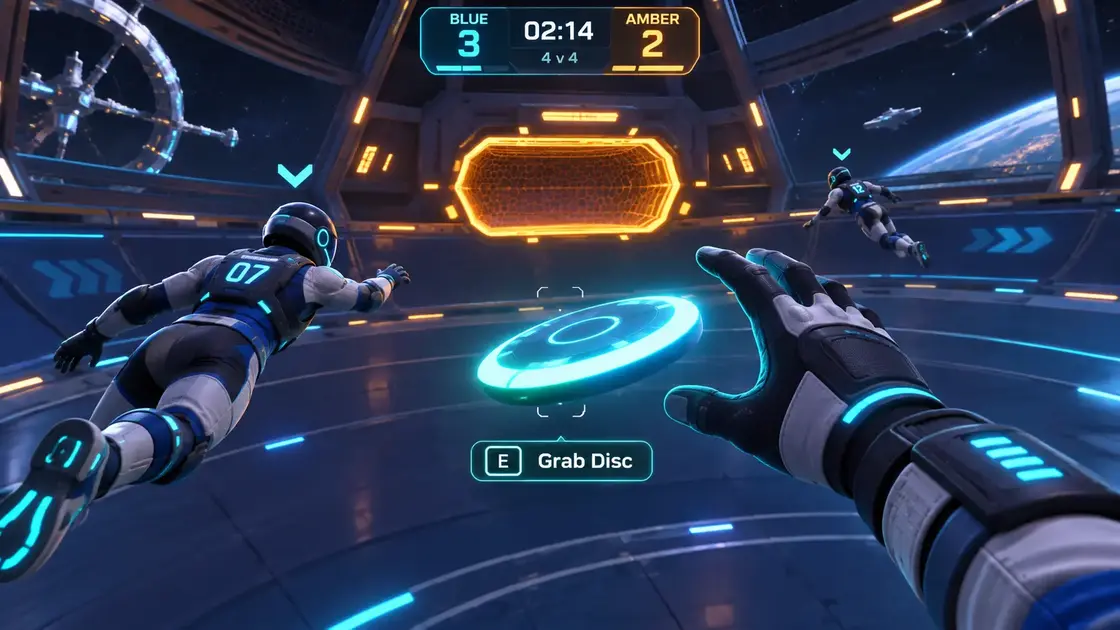 Sports
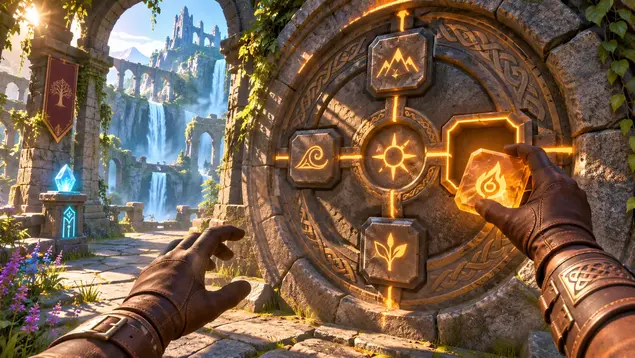 Puzzle
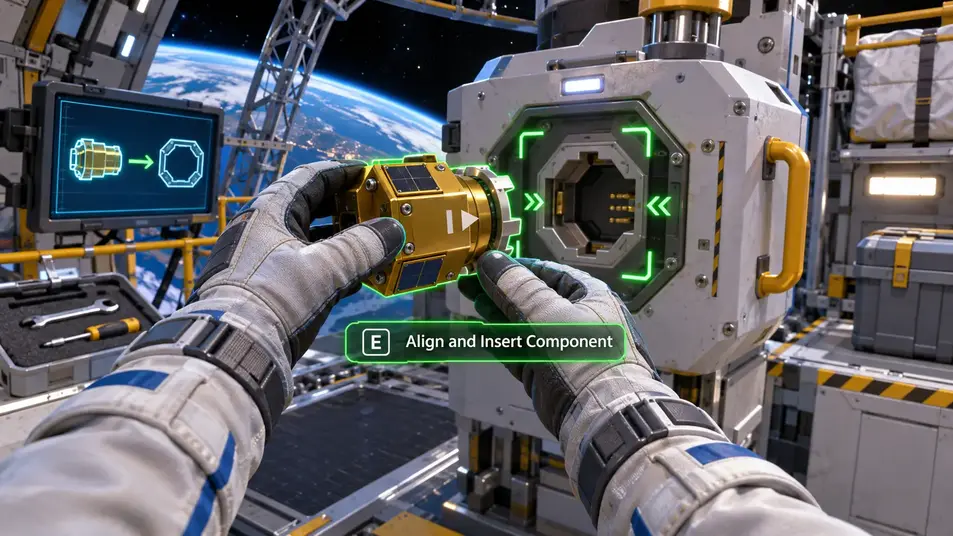 Simulation
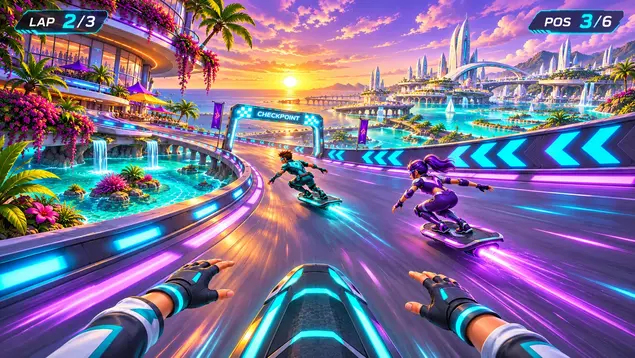
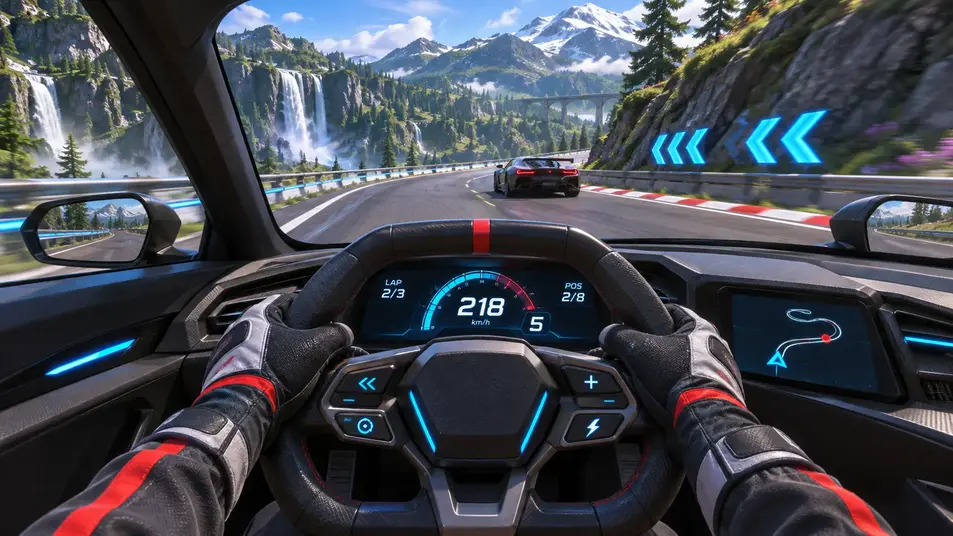 Racing
 Action
Rated on leading industry platforms





Working with leading technologies
- Unity
- Unreal Engine
- iOS & Android
- Blender
- Blockchain
- AR / VR
- Photon
- AWS
Virtual Reality
Game Case Studies
Our VR game studio built both projects below. One was a live 5G sports activation in Unity. The other, by contrast, was a university virtual lab in Unreal Engine 5.
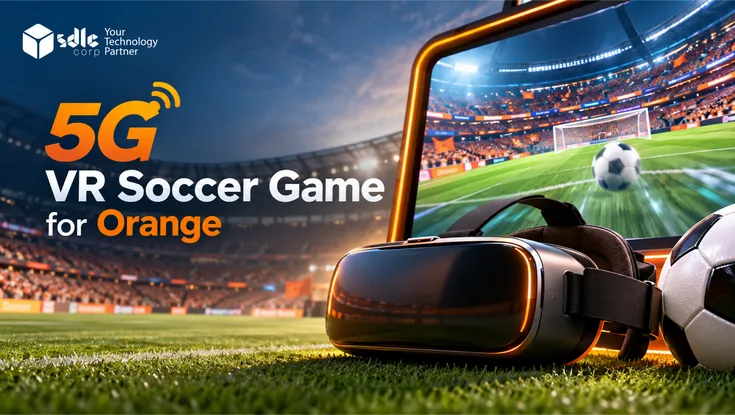
5G VR Soccer Game for Orange Jordan
Orange Jordan needed a short, playable game for its live 5G launch. So we built a VR penalty shootout in Unity. Then we set it up as an event kiosk for Meta Quest Pro, HTC Vive, and PC VR. As a result, it handled long player queues across a multi-day public activation.
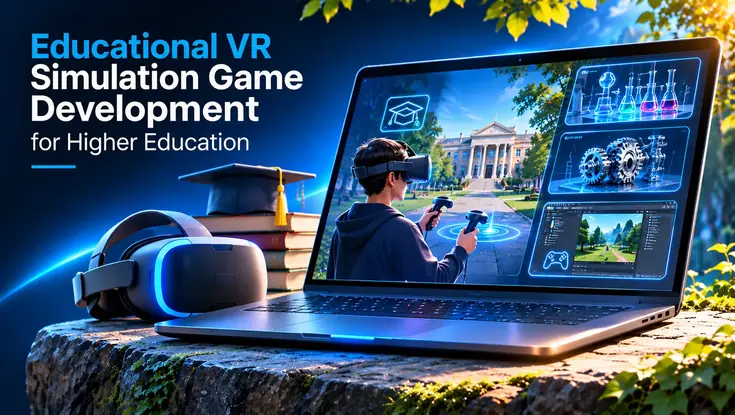
VR Simulation for Higher Education
A US university wanted students to practice lab steps before using real equipment. Our team then built one full lab exercise in Unreal Engine 5 for Meta Quest 3. It also targets 90 fps, with a 72 fps floor for player comfort. Later, a student group tested it in a pilot session.
VR Game
Development Services
Hire us for custom VR game development from concept to release, or bring us into an existing production. For example, we can build gameplay systems, create 3D environments through our game art and consulting services, or assess a headset port.
Full-Cycle VR Game Development
We build the gameplay, environments, audio, and UI, then test the full game on your target headsets before release.
VR Game Co-Development
Your team keeps the main project, while we take on one part, such as gameplay code or feature integration.
VR Gameplay and Interaction Design
We design how players move and grab objects, as well as how they read menus. This VR game design work also covers teleportation, snap turning, hand tracking, and passthrough mixed reality.
VR Game Art and Content Production
We create 3D environments, characters, and props that still fit each headset’s budget. For example, on Quest 3, Meta recommends under 1.5 million triangles per frame.
Multiplayer VR Game Development
We build co-op and competitive modes with matchmaking and voice chat. Then we test each mode with players in separate headsets.
VR Game Porting and Optimization
We adapt PC VR games for standalone Meta Quest. Then, to hit Quest frame targets, we use lighter shaders, smaller textures, and new controller mappings.
Types of VR Games and
Experiences We Develop
Each genre changes the VR game design. For example, a racing game needs readable instruments from a seated position. An escape room, however, needs objects players can pick up and inspect.
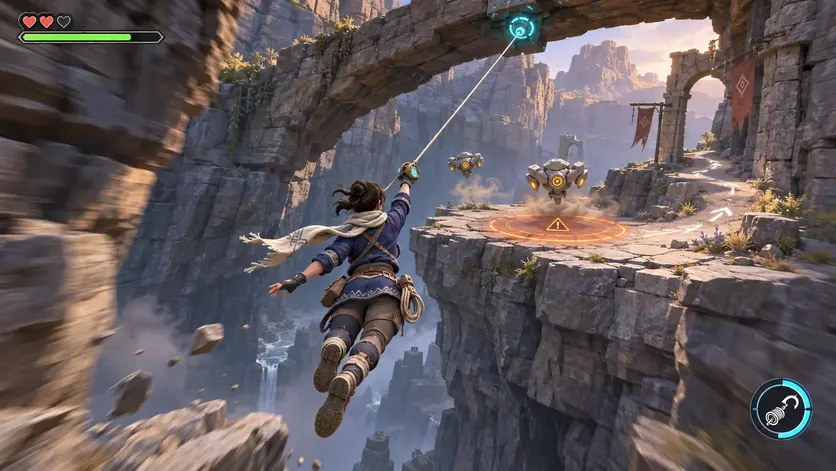
VR Action and Adventure Games
We build missions around physical actions like climbing and aiming. Because fast camera motion causes discomfort, players can choose teleport or smooth movement.

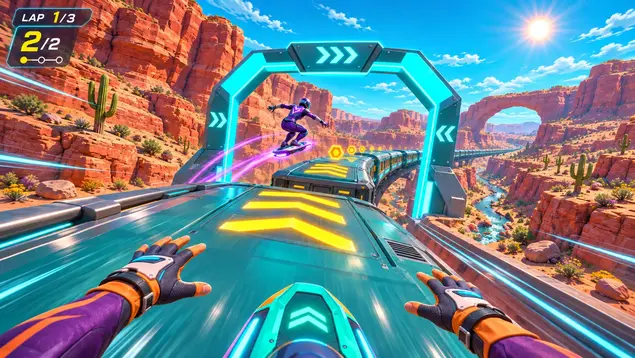
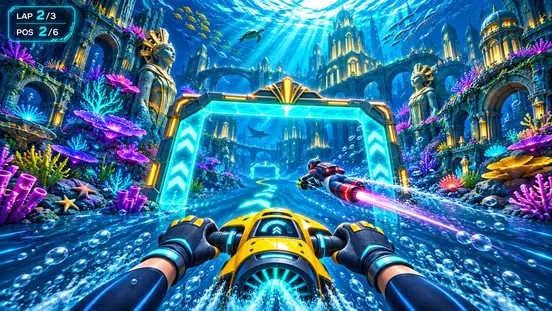
VR Racing and Driving Games
Players stay seated in a fixed cockpit, so motion stays comfortable. We also size dashboard text so drivers can read it at a glance.
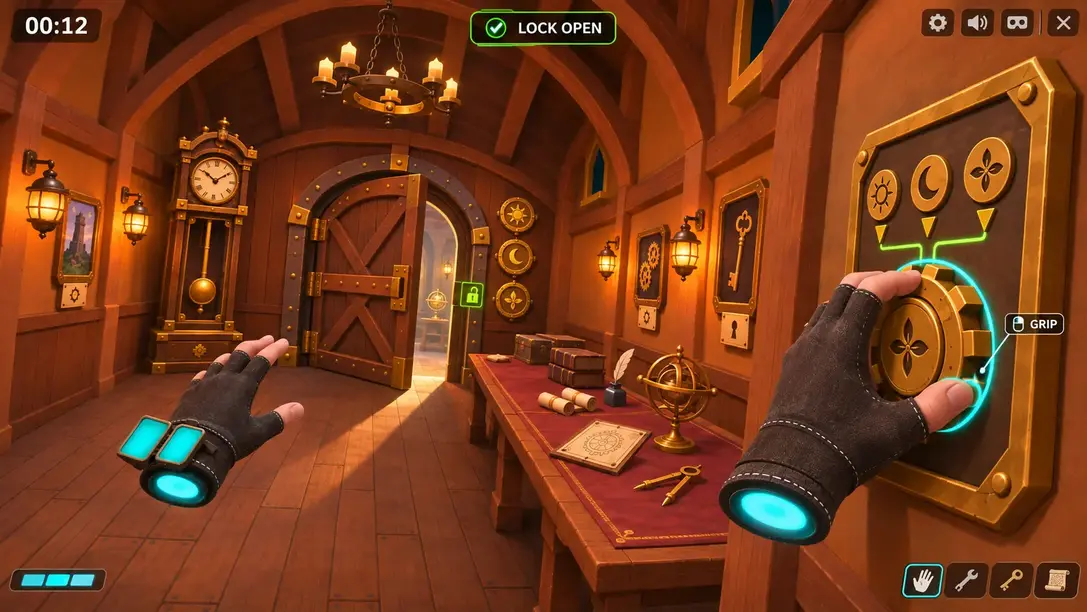
VR Puzzle and Escape Room Games
Players pick up, turn, and inspect objects to find clues. So every key item gets clear grab points and physics that behave as expected.
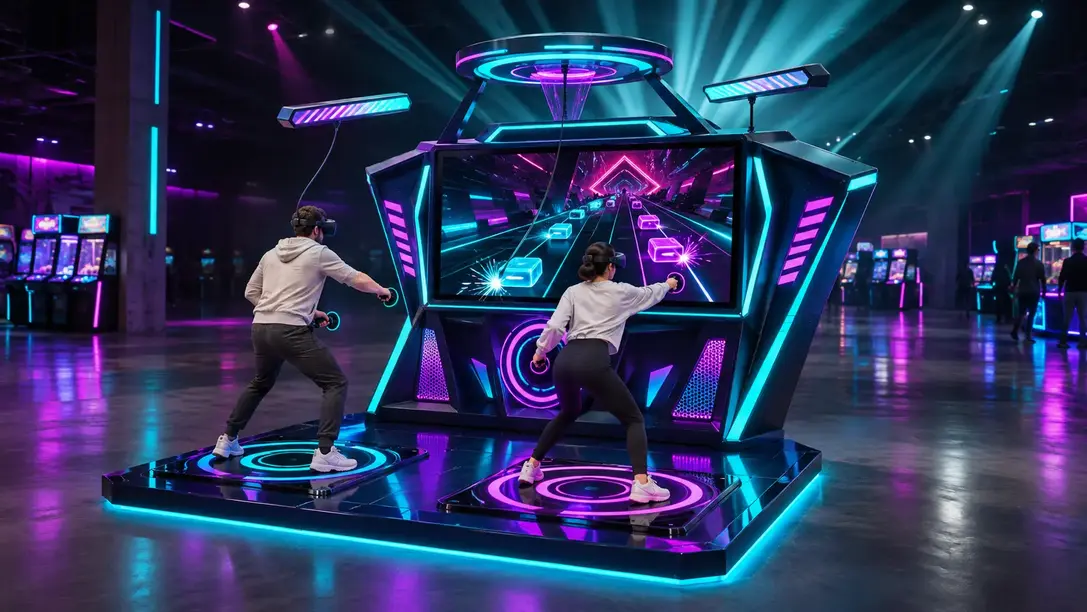
VR Arcade and Rhythm Games
Rounds last a few minutes and restart instantly. For this reason, we keep hit windows tight and the frame rate steady during fast gestures.
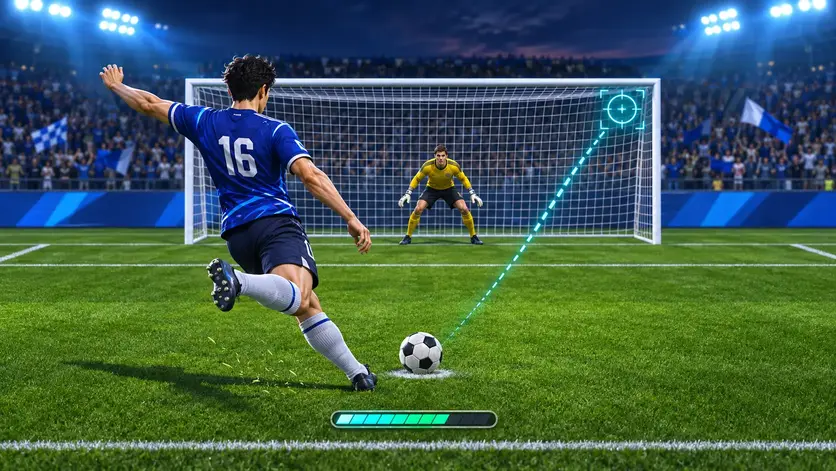
VR Sports and Live-Event Games
First-time players need rules they learn in seconds. So we use one clear goal, short rounds, and simple on-screen prompts.
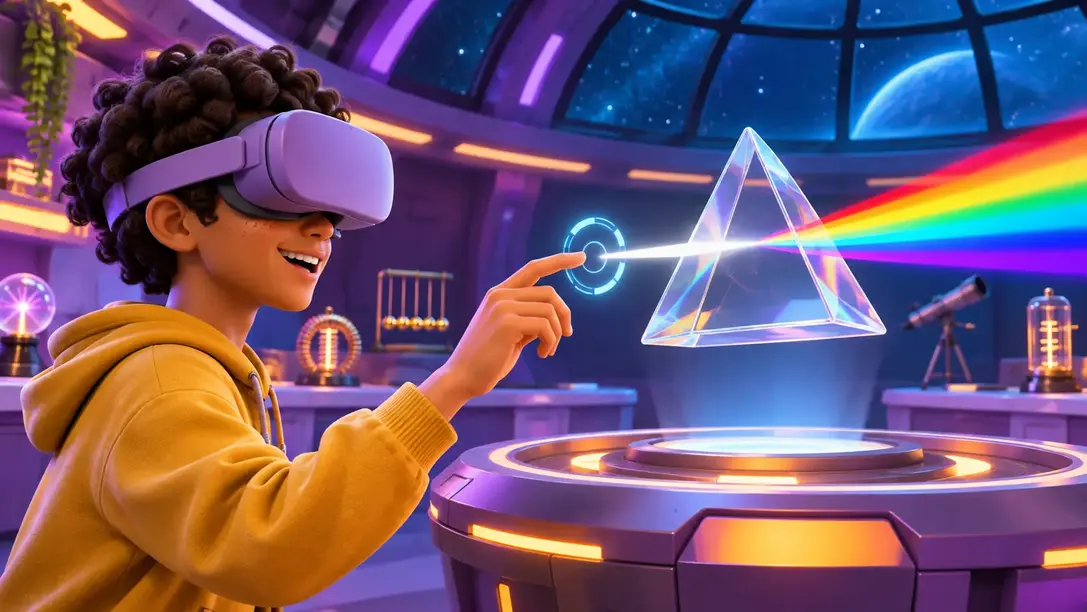
Educational VR Games and Simulations
Learners follow guided steps with virtual lab equipment. For example, our university lab takes students through one full experiment in 12 to 15 minutes.
VR Headsets and
Platforms We Support
We build Meta Quest games for standalone play, as well as PC VR games through SteamVR, including HTC Vive. However, each platform needs its own performance targets and test setup.
Meta Quest Game Development
We build custom VR games that run directly on Meta Quest headsets. Meta sets a 72 fps minimum for Quest apps, so each frame gets about 13.8 ms. So we test controller input, memory use, and rendering on each target Quest model.
PC VR Game Development With SteamVR
We build PC VR games for SteamVR-compatible headsets, such as HTC Vive. Then we test controller mappings, graphics settings, and frame timing across the target PC setups.
For releases on both platforms, we first identify which systems carry over and estimate the device-specific work. We also scope PlayStation VR2 and Apple Vision Pro projects case by case. For AR games, see our AR/VR game development services.
VR Game Engines and
Development Tools
Before we choose the VR game engine and tools, we review your codebase, target headset, and gameplay. For example, the OpenXR standard handles common headset and controller input across devices. Device SDKs then cover features that depend on specific hardware.

 Unity
 Unreal Engine
- OpenXR
- XR Interaction Toolkit
- Meta XR SDK
- SteamVR
 Photon Fusion
- Netcode for GameObjects
- PlayFab
 Node.js
 Blender
- Maya
- Substance 3D Painter
 Figma
- Unity Profiler
- Unreal Insights
Our VR Game
Production Process
You review a clear deliverable at each stage of VR game production. It starts with the first headset build and ends with the release package.
-
Discovery and Scope
First, we agree on the gameplay loop, the supported headsets, and acceptance criteria for each milestone.
-
Playable VR Prototype
Next, you play a headset build of the main mechanic, controls, and movement before full production.
-
Game Production
Then you review milestone builds of levels, art, gameplay systems, and any agreed multiplayer features.
-
Device QA and Release Preparation
Before release, you get a tested build and a QA report on tracking, comfort, UI readability, and frame time.
-
Handover and Support
Finally, we hand over project files, build instructions, and documentation. If you need updates after launch, we agree on the support plan before handover.
Why Choose SDLC Corp
for VR Game Development
Our 90+ game development engineers are part of SDLC Corp’s 1,200+ engineering team. To date, they have delivered 400+ game development projects. As a VR game development company, we support studios, publishers, and brands with Quest builds, PC VR builds, and headset ports.
“They were willing to discuss alternative approaches and explain the practical implications of design decisions.”
VR Development
Guides
These VR development guides cover first builds, engine choice, and when VR is a better fit than AR.
A Guide to VR Game Development for Beginners
Pick an engine and platform, build the core gameplay, and reduce VR sickness before launch.
Read Guide
Unreal Engine and Virtual Reality: What Developers Need to Know
See where Unreal Engine fits VR projects, then compare it with Unity on visuals, cost, and workflow.
Read Guide
AR vs VR Game Development: Which Is Right for Your Project?
Compare cost, hardware, audience reach, and tech stack before you choose between AR and VR.
Read Guide