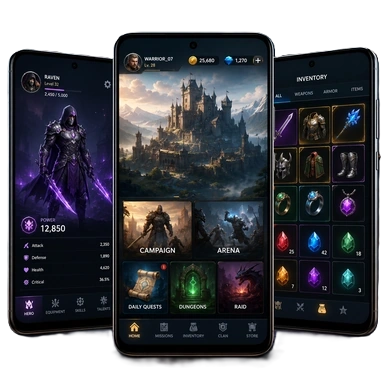
Android Game
Development Company
We provide custom Android game development services for studios, publishers and businesses. Our work runs from the first playable prototype to Google Play release support. Get a coordinated team for development, testing and post-launch updates, with clear milestones and source code ownership.
106+ Games Delivered Across Platforms
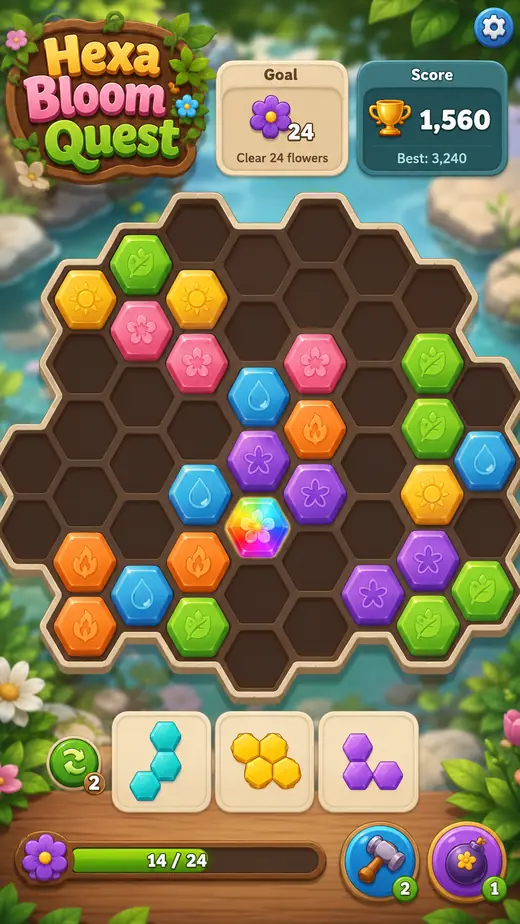
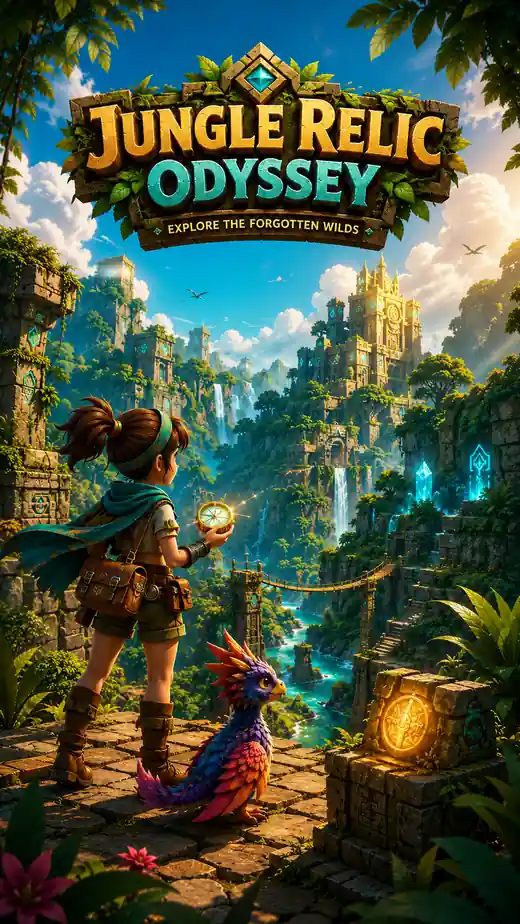
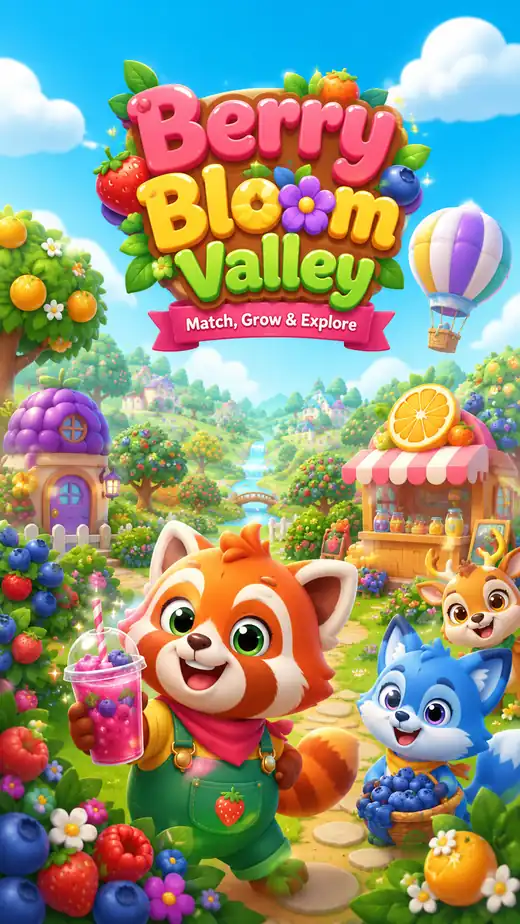
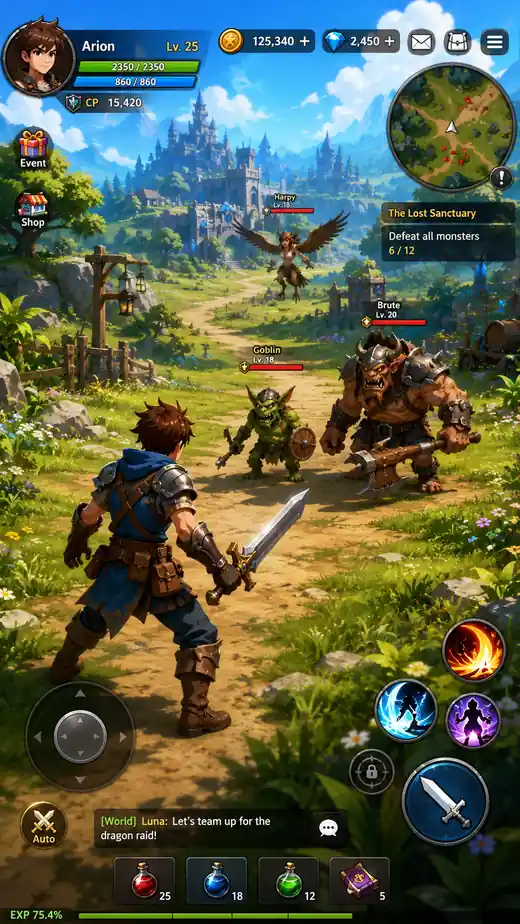
Android Game Development Projects
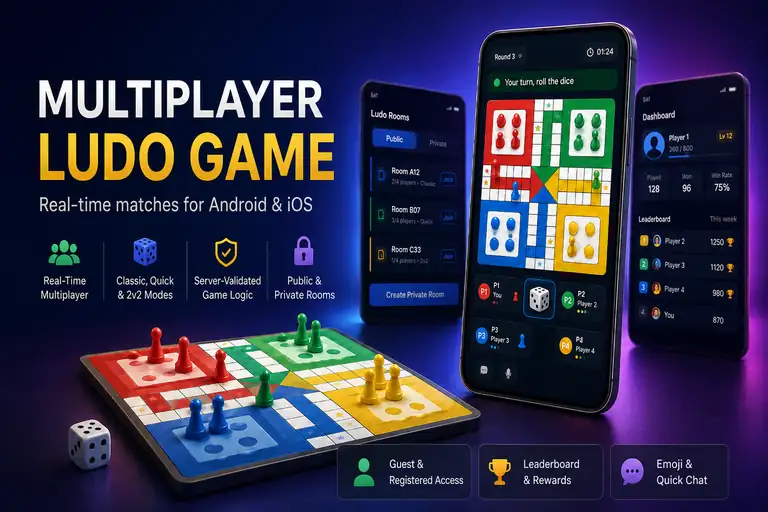
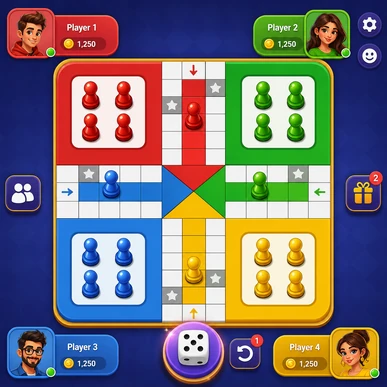
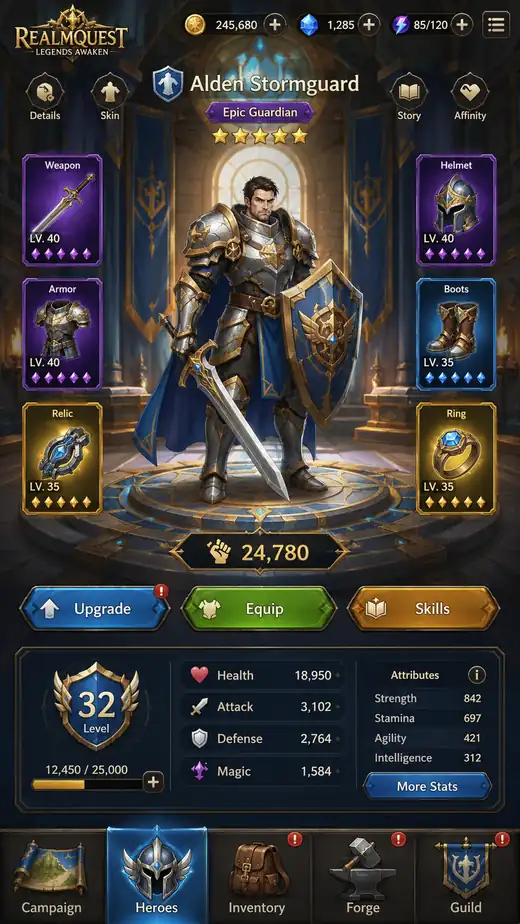
This multiplayer Android game development case study covers a Ludo game for Android and iOS. It explains the gameplay, technical challenges and features we delivered.
Multiplayer Ludo for Android & iOS
Built a release-ready Unity Ludo game with four-player matches, public and private rooms, and timed turns. Reconnection support and server-validated dice and moves keep match states consistent across connected devices.
- Game Modes
- 3 modes
- Project Duration
- 14–16 weeks
Explore more game projects, technical approaches and delivered features.
View All Game Case Studies →Key Challenges Behind Successful Android Games
Android rewards games that run well on your target devices and launch clean on Google Play. After that, they still need to keep players coming back. Here are the challenges our Android game developers plan for before a single line of code ships.
Performance Across Device Tiers
Android spans phones, tablets, Android TV and Chromebooks, each with different chipsets, screens and thermal limits. We set device tiers and frame-rate targets upfront, then profile every build.
Google Play Launch Readiness
Target API levels, App Bundles, privacy declarations, and billing all shape launch timing. We treat Play readiness as engineering, not a last-minute checklist.
Monetization Without Harming the Game
Purchases, rewarded ads, subscriptions, and battle passes have to fit the core loop. We plan the economy, billing states, and abuse controls together.
Stable Multiplayer & Backend Systems
Matchmaking, authoritative logic, latency, and session recovery all have to scale. We design the backend early so it never becomes a costly retrofit.
Retention After Launch
Updates, events, balance changes, and crash response drive long-term performance. LiveOps, remote config, and analytics are ready before release.
Ready to solve these before they become expensive? Explore our full game development services.
Our Android Game Development Services
Hire a complete Android game team, or bring us into one part of your pipeline as a co-development partner. Every engagement starts with clear deliverables, ownership, dependencies, and milestone acceptance criteria. Explore our wider mobile game development services.
Full-Cycle Android Game Development
Concept, GDD, prototyping, art, engineering, backend, QA, Google Play submission, and post-launch support under one delivery plan.
Unity, Unreal & Native Development
Choose Unity (C#) for cross-platform 2D and 3D games. Pick Unreal Engine for high-end 3D games, or go native for Android-only needs. We validate the choice against your target devices and scope.
Android Porting & Engine Migration
Bring your existing game to Android with adapted controls, UI and performance. Porting can retain your current engine; engine migration is assessed and scoped separately.
Multiplayer & Game Backend
Matchmaking, accounts, inventories, leaderboards, cloud save, authoritative logic, anti-abuse controls, telemetry, and scalable cloud infrastructure.
2D/3D Art, Animation & UI/UX
Concept art, characters, environments, animation, VFX, HUD, menus, and responsive layouts tuned for Android screen readability and performance.
2D/3D game art, animation and UI/UX servicesQA, Play Launch & LiveOps
Test, optimize and maintain new or existing Android games. Support can include code audits, project takeover, SDK upgrades, Google Play submission and ongoing updates.
Not sure where we fit in your pipeline? Get a scoped delivery plan with clear milestones - talk to our Android game team.
Types of Android Games We Develop
From instantly accessible casual games to content-rich multiplayer worlds, we build 2D and 3D Android games. Each title starts with its audience, core loop and game mechanics. Then we set the monetization model and a performance target for your device tiers.
- Native Android
- Unity
- Unreal Engine
- 2D
- 3D
- Multiplayer
Action & Fighting
Responsive touch controls, precise combat, and smart opponents, tuned around frame rate and input latency.
RPG & Adventure
Quests, skill trees, inventories, and evolving worlds, with a content pipeline built for new missions and seasonal drops.
Strategy & Simulation
Balanced economies, tactical AI, and long-term progression - from turn-based tactics to city and business sims.
Sports & Racing
Arcade or realistic physics, AI opponents, tournaments, and rankings - for quick matches or full competitive seasons.
Board, Card & Social
Ludo game development, plus chess, carrom, and card games with rule engines, private tables, chat, and secure in-game economies.
Casual, Puzzle & Arcade
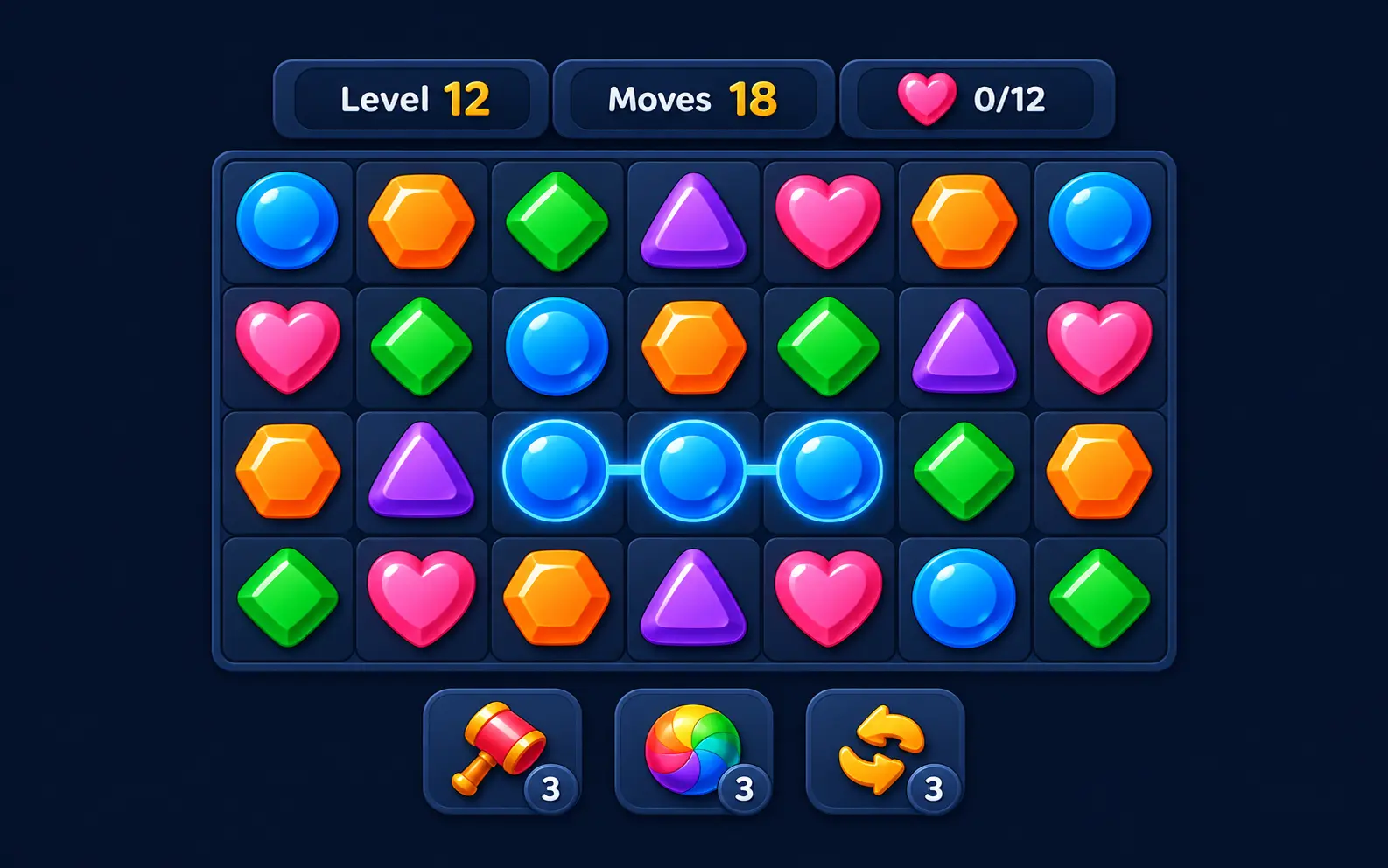
Touch-first puzzles, match-3 levels, and arcade challenges, with progression, rewards, and performance tuned for agreed Android device tiers.
Choose the Right Development Model
Outsource full-cycle production, add co-development support, or hire Android game developers as a dedicated team. We match the model to how your studio works. It also fits your Android roadmap, from first prototype to ongoing LiveOps.
Co-Development
Our specialists embed with your internal studio to deliver defined Android features, content, art, backend, optimization, porting, or Google Play release work.
Best for: established teams that need extra capacity or expertise. What We Handle- Unity, Unreal, or native Android gameplay features
- Device-tier optimization, frame pacing, and porting
- Play Billing, QA, and defined release milestones
Full-Cycle Production
SDLC Corp owns the complete delivery plan - from discovery and prototype through Google Play release and LiveOps.
Best for: teams that need one accountable production partner. What We Handle- Discovery, GDD, prototype, and device-tier planning
- Gameplay, art, backend, and multiplayer build
- Play Console submission, launch, and LiveOps
Dedicated Android Game Team
Hire game developers, artists, QA engineers, designers, and producers as a stable Android team that works as an extension of your organization.
Best for: evolving roadmaps, ongoing LiveOps, or long-term production. What We Handle- Unity, Unreal, and native Android (Kotlin/NDK) engineers
- 2D/3D artists, backend engineers, QA, and producers
- LiveOps, remote config, and performance tuning
Launch Your Android Game on Google Play
Work with an Android game development company that builds high-performance games across Unity, Unreal Engine, and native Android. Each build targets your agreed device tiers, monetization model, and a clean Google Play launch.
Get an Android Game Quote
Android Game Development Cost Overview
How much does it cost to develop an Android game? These indicative budgets cover typical project scopes. We agree final deliverables and delivery schedules after discovery, so these bands are not fixed quotes.
| Project & Typical Scope | Budget & Timeline |
|---|---|
| Playable basic gameOne core loop, basic UI, limited content and Android build testing. | $15,000 – $40,000Timeline: scope-dependent |
| Focused 2D or casual Android gameCore gameplay, level progression, 2D assets, UI and device QA. | $40,000 – $100,000Indicative timeline: several months |
| Mid-core 3D or multiplayer game3D gameplay or multiplayer systems, backend integration and performance testing. | $100,000 – $300,000Indicative timeline: 6–18 months or more |
| Large live-service or multi-platform productionExpanded content, scalable backend, LiveOps tooling and release pipeline. | $300,000+Indicative timeline: 6–18 months or more |
Scope and timelines are indicative and confirmed after discovery. Hosting, third-party fees, ongoing maintenance and LiveOps are quoted separately unless included in the agreed scope.
Our Android Game Development Process
From Android game design and prototyping through launch, every phase produces something you can review, test, or approve. That keeps creative, technical, and commercial decisions visible before they become expensive to change.
Discovery & Feasibility
We define gameplay, target devices and launch goals, then plan multiplayer architecture, backend needs and monetization before production begins.
GDD, Prototype & Planning
Designers document the core loop, controls, progression, economy, and UX; engineers prototype the riskiest mechanic on target hardware; then we plan sprints and milestones.
Art & Engineering Production
Art, gameplay and backend development progress in coordinated sprints, with multiplayer and monetization integrations built and tested throughout production.
Integration Validation & LiveOps
We validate purchases, multiplayer flows, cloud saves and analytics, then prepare remote configuration and LiveOps tools for launch.
QA, Google Play Launch & Growth
We run compatibility, regression, network and memory tests. We also check heat, frame pacing, crashes, ANRs and Play policy. After that, we support staged rollout, launch monitoring, hotfixes and retention tests.
Technologies Powering High-Performance Android Games
We build with Unity, Unreal Engine, or native Kotlin and Java, depending on your game and target devices. Our stack also covers Google Play services, multiplayer frameworks, cloud infrastructure, content pipelines, and launch-ready production tools.
Unity
Unreal Engine
Godot
WebGL
iOS
Android
Steam
Nintendo Switch
Meta
AWS
Photon
Firebase
Kubernetes
Google Cloud
Docker
NVIDIA
Blender
Autodesk Maya
Spine 2D
Figma
Cocos
Node.js
MySQL
PostgreSQL
Python
JavaScript
C++
Playstation
PHP
AndroidWhy Studios Trust Our Android Game Development Company
Game development · Client review
“Working with SDLC Corp was a smooth, transparent, and professional experience.”
Educational game development · Review summary
Describes educational games, a virtual classroom and an authoring tool, with a coordinated process for QA feedback, fixes and changing requirements.
Android Game Development Insights and Guides
Practical SDLC Corp guides on Android game monetization, cross-platform game development, and the path from first prototype to Google Play Store launch.

How to Monetize an Android Game: Tips and Strategies
Android game monetization guide
Developing Cross-Platform Android Games: Challenges and Solutions
Cross-platform Android game guide
Guide to Developing an Android Game from Scratch to Play Store
Android game development-to-launch guideLet's Discuss Your Android Game Project
Share your requirements, timeline, existing build, or game concept. Our Android game studio reviews your project. Then we suggest the right scope, team structure and delivery plan.
What happens next?
You receive a scope review, a team model recommendation and estimate inputs based on your brief.
- NDA Available
- 106+ Games Delivered Across Platforms
- Response Within 1 Business Day
No sales pressure. We reply with realistic scope and delivery recommendations.
Frequently Asked Questions
Straight answers on Android game development cost, timelines, technology, testing, Google Play publishing, ownership, and ongoing support.
Getting Started
Share your game concept, reference titles, target audience, platforms, desired features, monetization plan, timeline, and budget range. Next, we review the concept and flag key risks. We also suggest the next discovery step and outline the team, milestones and estimate inputs.
Cost depends on game complexity, art scope, multiplayer, backend services, integrations, and target devices. The budget bands on this page are indicative. A project quote should specify deliverables, milestones, testing coverage, and exclusions before development begins.
Yes. We sign an NDA before you share your concept, documents, or assets, so your idea and IP stay protected from the very first conversation.
Timeline & Engine
A playable prototype often takes 4–8 weeks. A focused casual or 2D game may take several months, while a mid-core, 3D, multiplayer, or live-service game can take 6–18 months or more. The schedule becomes reliable once the core loop, content scope, technology, and target devices are confirmed.
Unity is often a strong choice for cross-platform mobile games and content-heavy production. Unreal Engine fits visually ambitious 3D experiences when the mobile scope is controlled. Native Android and C++ can suit lightweight, custom-engine, or platform-specific requirements. We validate the decision through discovery and a target-device prototype.
Porting, Testing & Launch
Yes. We port games from iOS, PC, console, web, or another engine to Android. Scope can cover controls, UI, rendering, assets and package size. It can also cover backend, monetization, achievements, Play services, performance, device testing and Google Play submission.
We define a device matrix based on your target audience, market, hardware tiers, Android versions, screen types, and form factors. We test on physical devices and in Firebase Test Lab, using Game Loop automation. In addition, we run regression, performance and network tests, track crashes and ANRs, and use staged Play releases.
Yes. We prepare the Android App Bundle, meet the current target API level and set up Play Console. We also handle store assets, metadata, privacy declarations and billing setup. Finally, we manage test tracks, pre-launch reports, staged rollout, review responses and post-launch updates.
Multiplayer & Monetization
Yes. We build real-time and turn-based multiplayer, matchmaking, player accounts, inventories, cloud save, leaderboards, authoritative game logic, telemetry, and scalable backend systems. We design the architecture early, based on player count, latency, regions, session model, security and operations.
We can support in-app purchases, rewarded ads, subscriptions, battle passes, cosmetic economies, premium pricing, and hybrid models. The right model depends on your audience and game loop. Billing, economy design, analytics, abuse prevention, and player experience are planned together.
Ownership & Support
Your business should own the Google Play Console account used to publish the game. Grant the development team only the access needed for release support. Agree account setup, verification responsibilities, payment details, and access handover before launch.
Yes, ownership is defined in the contract. Final handover can include source code, engine project, backend services, deployment configuration, art assets, documentation, and build pipelines. SDLC Corp does not require revenue share for standard development engagements.
Allow for hosting, third-party services, applicable platform fees, maintenance, and LiveOps. Costs vary with player traffic, service usage, and update frequency. Plan them as separate budget items unless your agreement includes them. The proposal lists support coverage and recurring charges.