




5G VR Soccer Game for Orange
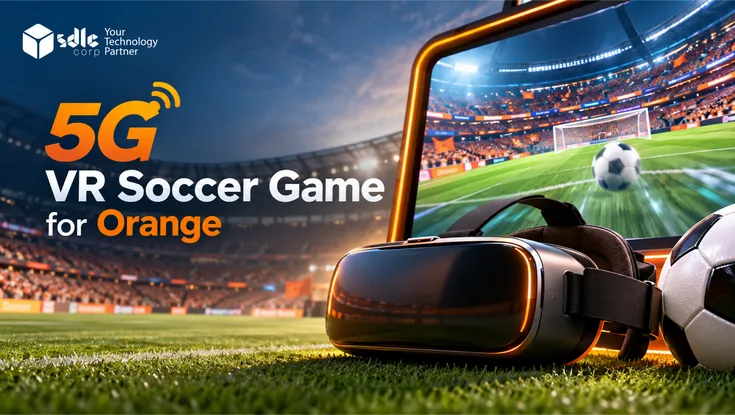
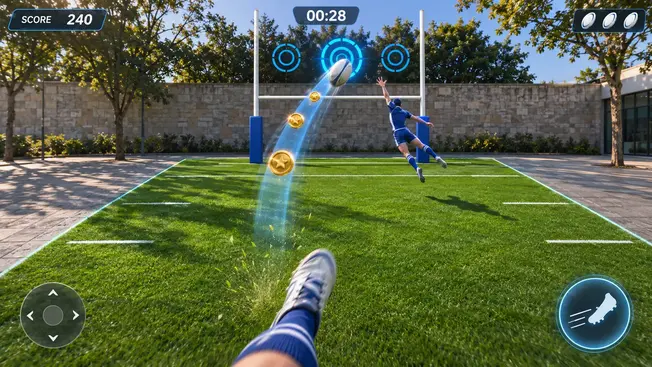
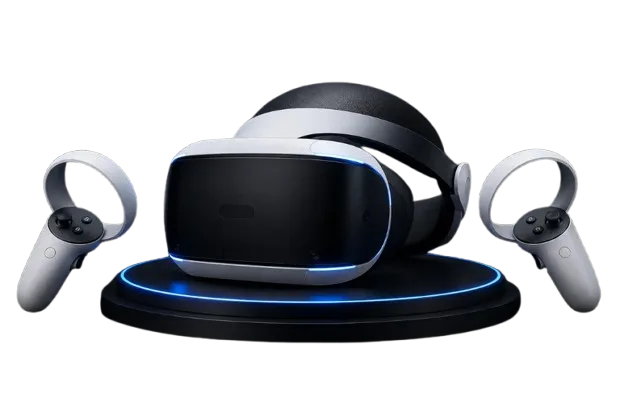
SDLC Corp developed a VR penalty-shootout experience for Orange’s 5G activation. Players entered a virtual stadium, while interactive gameplay supported a live network demonstration.

SDLC Corp is an AR game development company that builds augmented reality games for iPhone, Android and mobile browsers. Our AR game developers also handle game design, 3D art, Unity development, device testing and launch support. Before full production, we build a playable prototype. Then we plan production around your audience, budget and release date.
Sci-Fi
Fantasy
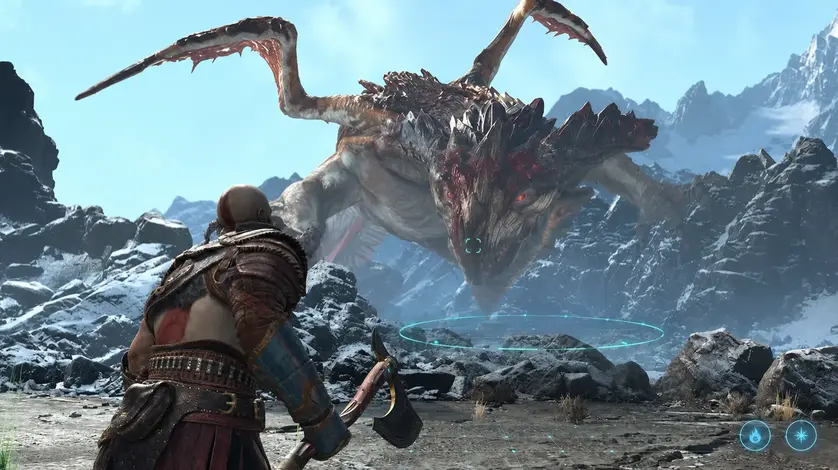
Adventure
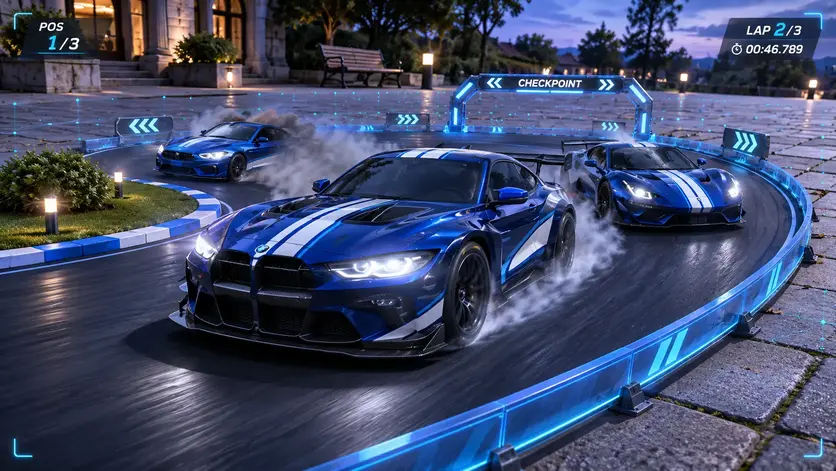
Racing
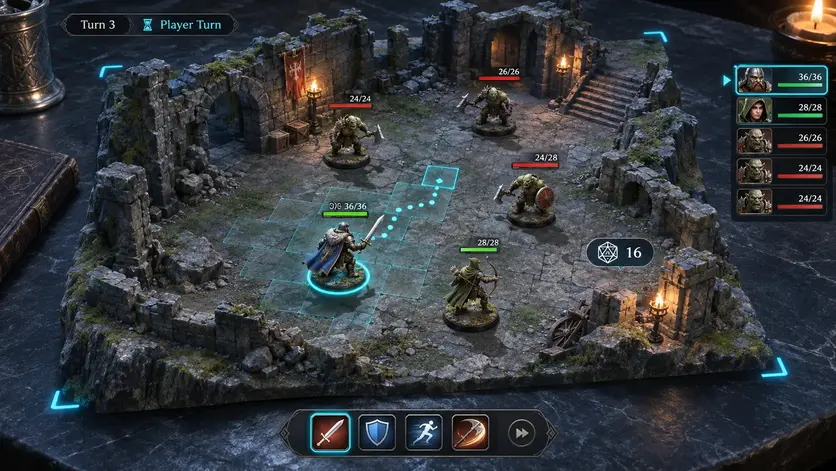
RPG
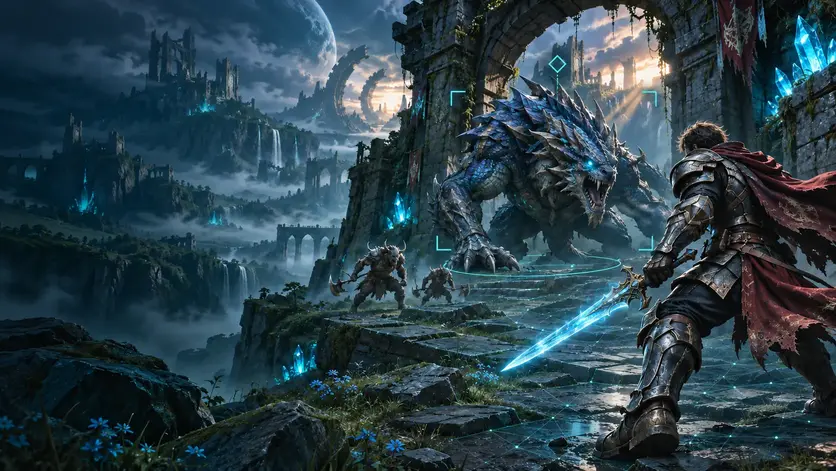
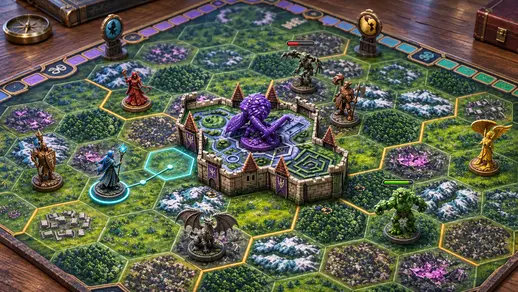
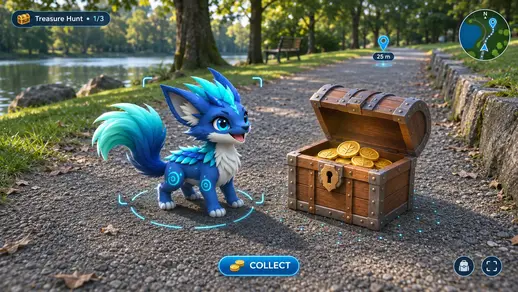
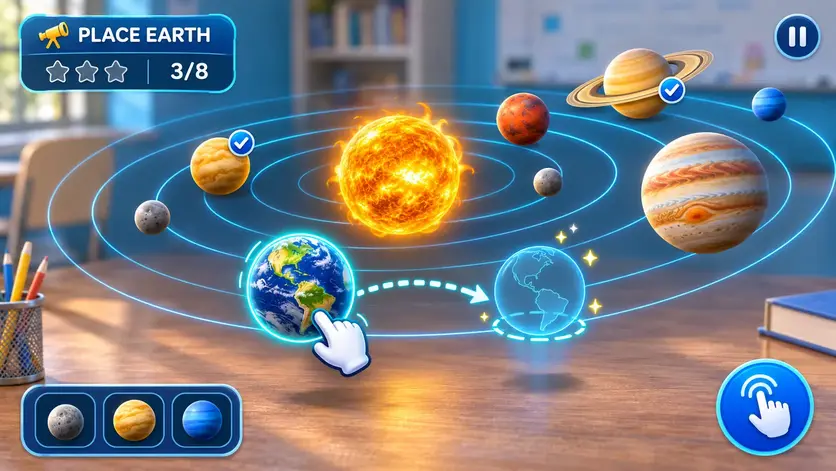
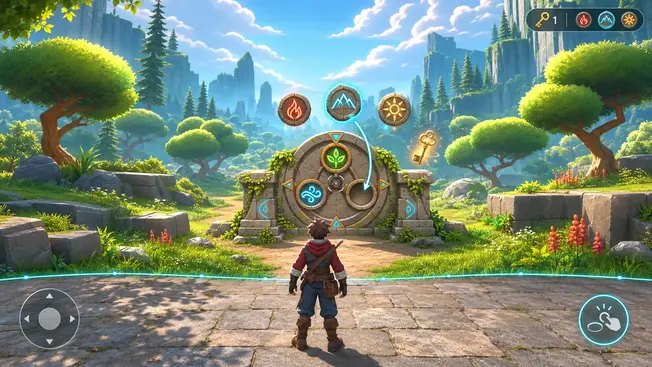
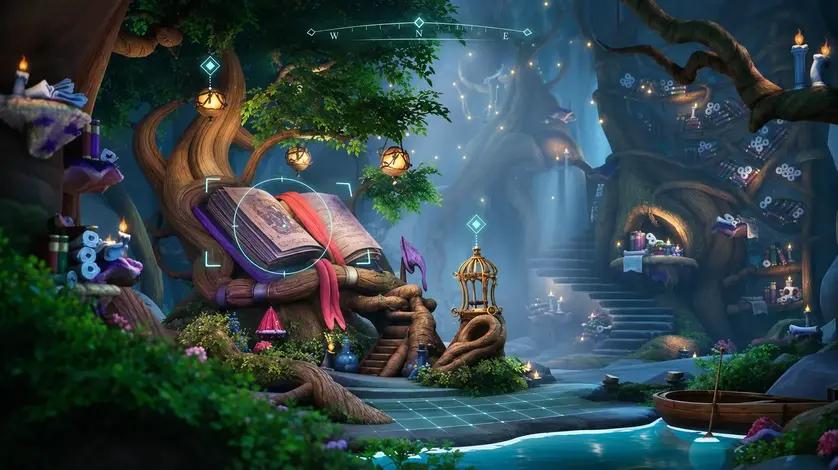
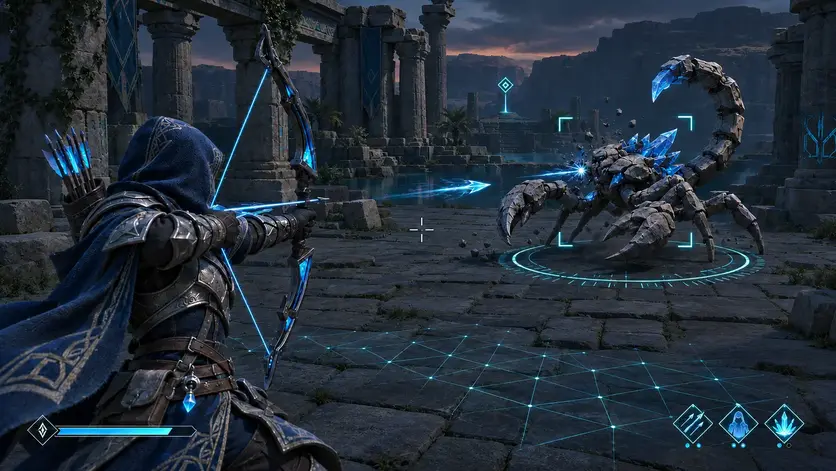
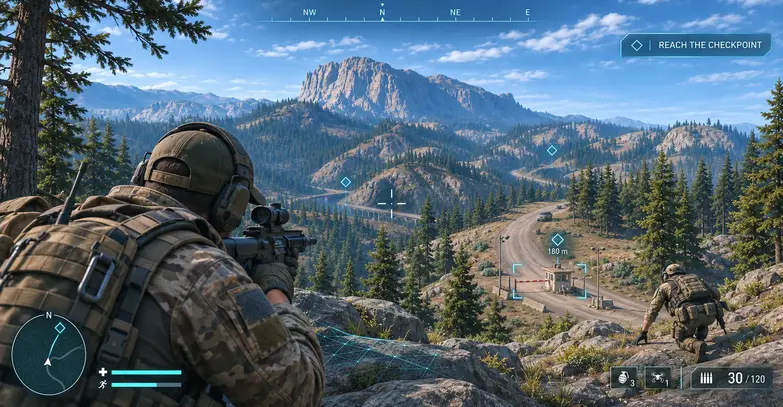
These immersive builds also show the 3D art and interaction design skills behind our AR game projects.
SDLC Corp developed a VR penalty-shootout experience for Orange’s 5G activation. Players entered a virtual stadium, while interactive gameplay supported a live network demonstration.

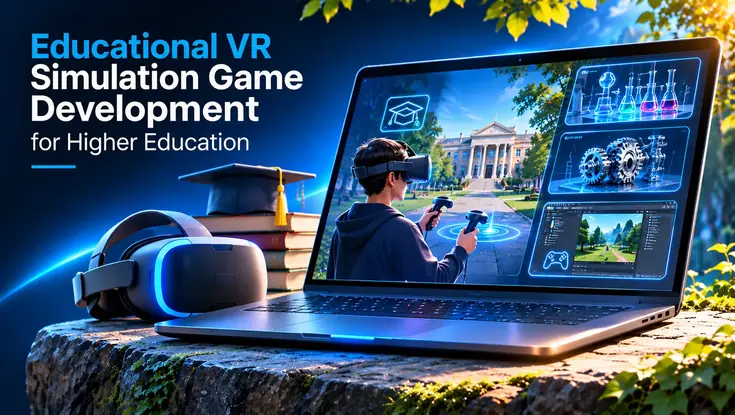
This educational VR project focuses on practical activities in a virtual laboratory. The experience also connects equipment exploration and guided procedures with academic learning.


From playable prototypes to full AR games, our AR game development services also cover AR features for existing games.
During design, we define game rules, player journeys and spatial controls. Before full production, we test the core interaction on your target devices. The prototype also covers scanning, placement and recovery prompts, so players always know the next step.
We build installed AR games for iPhone, iPad and Android, mostly with Unity AR Foundation. It runs on ARKit and ARCore, so one codebase serves both platforms. On Pro iPhones, LiDAR depth also improves occlusion and placement.
Players open browser AR games from a link or QR code, so there is no app install. However, Safari on iPhone does not offer WebXR AR sessions. So on iOS, we use MindAR or another SDK with its own tracking. AR Quick Look also suits simple 3D scenes.
We sync game state, including scores and turns, with Photon Fusion or Unity Netcode for GameObjects. When players share one room, ARKit Collaborative Sessions and ARCore Cloud Anchors align every device to the same space.
We create characters, props, effects and interfaces for camera-based play. Each asset gets a polygon and texture budget, because the phone renders the camera feed and 3D content together.
Before launch, we test tracking in low light, on reflective surfaces and in busy rooms. We also test denied permissions and interrupted sessions. Finally, after launch, we fix bugs, check new OS releases and ship content updates.
For VR and mixed reality projects, explore our AR/VR game development services.
Explore Our Game Development ServicesWe build marker-based and markerless AR games, then match each format to your players, session length and play space.
We add AR boards, cards and puzzles to casual games, so players can play on a table or a printed target. For example, a physical card can trigger a move, a score or a turn rule.
Players explore real streets to find quests and collectibles while they walk. However, phone GPS loses accuracy near tall buildings and under trees. So we place key encounters in open public spots, away from roads. We also widen trigger zones where signals drop.
We turn learning goals into tasks, puzzles and instant feedback, so lessons feel like play. For school use, we also add parent and teacher controls and simple touch input for younger players.
We create short challenges for packaging, campaigns and events. Players then scan a product or open a link. Because most arrive from a QR code, a fast first load matters more than heavy visuals. For face filter games, we also use ARKit face tracking or ARCore Augmented Faces.
We place clues, challenges and virtual objects in the player’s real surroundings. Clues can sit on furniture, walls or the floor, so each room plays a little differently. Clear first-time instructions also help players begin.

Support varies by phone, so our AR game developers confirm each feature during the prototype.
| Feature | Gameplay Purpose | How We Build It |
|---|---|---|
| Surface Detection | Find floors and tables to place game objects (markerless AR) | AR Foundation plane detection |
| Image Tracking | Turn cards, packaging or artwork into triggers (marker-based AR) | ARKit and ARCore image tracking, Vuforia |
| Spatial Controls | Select, move, rotate and activate objects | Touch gestures and raycasts in Unity |
| Occlusion | Hide virtual objects behind real ones | ARKit scene depth (LiDAR), ARCore Depth API |
| Lighting Estimation | Match virtual light to the room | AR Foundation light estimation |
| Shared Sessions | Put several players in one aligned space | ARCore Cloud Anchors, ARKit Collaborative Sessions |
| Tracking Recovery | Guide players to rescan when tracking drops | Tracking-state events with in-game prompts |
| Performance Budget | Hold 60 fps (16.7 ms per frame) in long sessions | Profiling for frame time, heat and battery |
We pick AR tools by game type and target platform. So for most mobile AR games, Unity with AR Foundation is our default.
Unity
ARKit
Unreal Engine
Photon Fusion
Node.js
Firebase
Figma
Blender
Xcode
TestFlight
Each stage of our AR game design and build ends with a deliverable you review before the next milestone starts.
Game brief, target devices, tracking requirements, scope and acceptance criteria
Playable core interaction with technical findings and limitations
Gameplay systems, assets, interfaces and agreed integrations
Tracking, recovery, compatibility and performance checks
Release builds, agreed project files, documentation and support arrangements
AR game development cost depends on gameplay, content, tracking, multiplayer and device coverage.
| Project Scope | Planning Budget | Planning Timeline |
|---|---|---|
| Simple AR Game | $15,000–$50,000 | 2–4 months |
| Mid-Range AR Game | $50,000–$150,000 | 4–8 months |
| Multiplayer AR Game | $100,000–$250,000 | 6–12 months |
| Large AR Game | $250,000–$500,000+ | 10–18 months |
We also price prototypes separately, and most take 3 to 6 weeks. However, licenses, hosting, map API fees and store accounts sit outside these ranges.

Our 90+ game development engineers are part of SDLC Corp’s 1,200+ engineering team. To date, they have delivered 400+ game development projects. For augmented reality game development, we support studios, publishers and brands with app builds, WebAR and shared AR sessions.
“They were willing to discuss alternative approaches and explain the practical implications of design decisions.”
Plan engine choice, Android AR features and multiplayer budgets with these AR game guides.

Explore engine considerations for an AR project.
Read Guide
See how ARCore, 5G and AR glasses shape Android AR play.
Read Guide
Review the cost drivers behind shared and online play.
Read GuideShare your requirements, timeline, existing build, or game concept. SDLC Corp will review your project and recommend the right scope, team structure, and delivery approach.
We review your brief, estimate scope, and recommend the right team model.
No sales pressure. We reply with realistic scope and delivery recommendations.
Short answers on AR game platforms, devices, engines, revenue, privacy and UK delivery.
Choose WebAR for fast reach with no install, such as a campaign game. Choose a mobile app when you need stronger tracking, longer sessions or offline play. Many brands start with WebAR and move to an app later.
Yes. We build map-based games with GPS, points of interest and AR encounters. For precise placement, especially in cities, we use the ARCore Geospatial API, which matches camera images to Street View imagery. Map provider fees are also part of the estimate.
For most mobile AR games, we choose Unity, because AR Foundation covers both ARKit and ARCore and keeps builds light. Unreal suits high-end visuals, but it adds build size on phones.
Common models are in-app purchases, rewarded ads, a premium price and sponsored locations. We plan monetization during design, so rewards fit how players move and play.
Yes, for local play. On-device tracking and single-player levels still work without a connection. However, maps, accounts, shared sessions and cloud saves need internet access.
Marker-based AR games start from a printed card, package or image that the camera recognizes. So tracking is fast and stable, but players need that marker. Markerless AR games find floors, tables and walls instead, so players can start anywhere. However, they need more processing power to track the room.
Most recent iPhones and Android phones can. On Android, the phone must appear on Google’s ARCore supported devices list. On iPhone, ARKit needs an A9 chip or newer, while LiDAR occlusion needs a Pro model. For phones without AR support, we can also add a non-AR mode, so every player can still finish the game.
Yes. Before any build, we review your engine, code and assets. Then we scope camera access, AR interactions and interface changes. However, some games need larger changes to support AR well.
Yes, when the game needs a headset. For Vision Pro, we use visionOS with RealityKit or Unity PolySpatial. Meanwhile, Meta Quest 3 passthrough games use the Meta XR SDK or OpenXR. However, fully virtual headset games fall under our VR game development services.
Every AR game uses the camera, and some also use location. So we request each permission only when the game needs it and explain why in the game. For children’s games in the US, we also plan for COPPA.
Yes. Our UK office is in Coventry, and we work with studios and brands in London and across the UK. Calls also run in UK business hours. For UK players, we also design data handling around UK GDPR and the Age Appropriate Design Code.

United States:
2457 Kane Lane, Batavia, Illinois
60510

United Kingdom:
30 Charter Avenue, Coventry, CV4 8GE, United Kingdom

United Arab Emirates:
Unit No: 729, DMCC Business Centre Level No 1, Jewellery & Gemplex 3 Dubai, United Arab Emirates

India:
715, Astralis, Supernova, Sector 94 Noida, Delhi NCR India. 201301

Qatar:
B-ring road zone 25, Bin Dirham Plaza building 113, Street 220, 5th floor office 510 Doha, Qatar

© 2026 SDLC Corp. All Rights Reserved.