
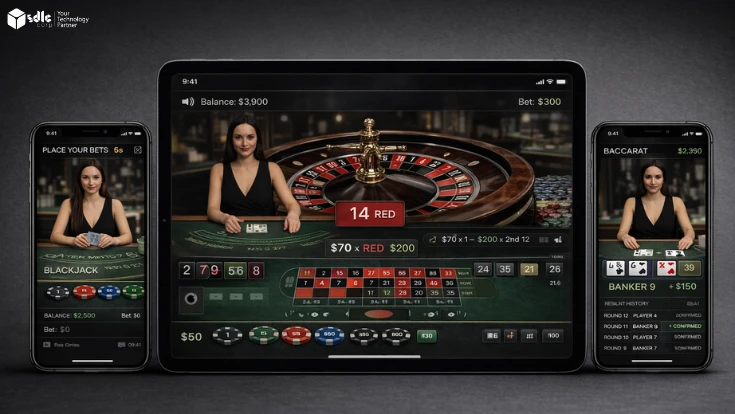
Live dealer casino games bring real tables, real dealers, and live video into one online format. Players watch the action on screen and place bets through a digital interface.
This guide explains how live dealer games work. It covers the studio setup, the dealer role, the video stream, the result system, payout handling, and the trust controls behind the game. For a related technical view, see our live casino API provider guide.
What Live Dealer Casino Games Actually Combine
Real Dealers and Physical Gameplay
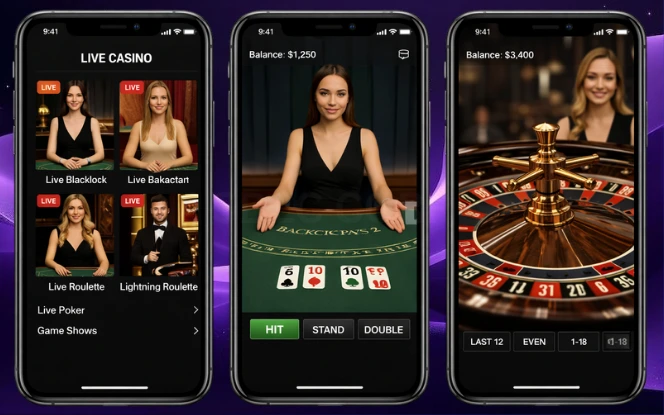
Live dealer platforms rely on trained casino professionals who operate physical tables in controlled studio environments. Cards are shuffled manually, roulette wheels spin naturally, and results come from physical gameplay rather than automated simulations.
This setup usually includes:
- Professional dealers trained in casino procedures
- Physical cards, wheels, and tables
- Fixed cameras capturing every action
- Continuous, uninterrupted gameplay
Because every step is visible in real time, players can follow the action as it happens. That visibility is one of the main reasons live dealer games build trust more easily than standard RNG-only formats.
Digital Participation Layer

Although the game itself happens physically, players interact through digital controls layered over the live video feed. This layer handles betting windows, stake selection, balance updates, and result presentation without interrupting the dealer flow.
Typical elements include:
- On-screen betting panels
- Countdown timers for wagers
- Automatic bet locking
- Instant result updates
This separation keeps the game natural for the dealer while maintaining financial accuracy for players and operators.
Studio Environment and Dealer Operations
Studio Infrastructure
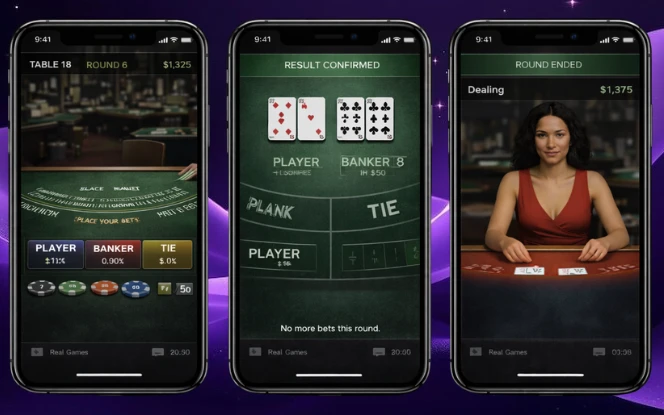
Live dealer studios are built for consistency, visibility, and control. Every part of the room is designed to keep the game clear on camera.
Studios usually include:
- Standardized tables with fixed layouts
- Professional lighting for clear visibility
- High-definition cameras at set angles
- Sound-controlled rooms
- Supervisor monitoring stations
Camera positions usually stay fixed during a session. Supervisors monitor the table and step in if anything looks unusual.
Dealer Responsibilities
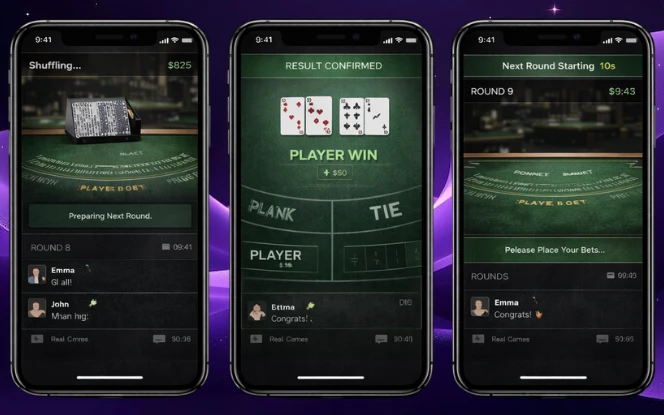
Dealers keep the game moving. They manage the table, announce results, and follow the house procedure for each round.
Core responsibilities include:
- Handling cards or roulette wheels
- Announcing results clearly
- Following compliance rules
- Keeping a steady pace from round to round
Dealers do not handle player balances directly. The software manages that part in the background.
Streaming Technology Behind Live Dealer Games
Video and Audio Streaming

Live casino platforms need low-latency streaming. Players must see the action quickly, and the betting window must stay in sync with the dealer.
Streaming infrastructure usually includes:
- Low-latency video encoding
- High-bandwidth servers
- Global content delivery networks
- Redundant backup systems
Audio must also stay aligned with the video. That way, dealer calls match the table action.
Result Recognition Systems

Once a physical result appears, recognition tools turn it into digital data. The betting engine then uses that data to settle the round.
These systems typically include:
- Optical card recognition
- Roulette outcome sensors
- Manual verification layers
The software records the result, settles the bets, and updates balances. It does not create the outcome itself.
Software Architecture and Player Controls
Platform Software Structure

Live dealer software connects the video stream, the betting engine, and player accounts. All three parts have to stay in sync.
Core software functions include:
- Session management
- Bet validation
- Outcome processing
- Compliance reporting
A single table can support hundreds or even thousands of viewers. The platform must stay stable under that load. For a related architecture deep dive, read our guide to scalable casino game architecture.
Betting Interface and Controls

Players interact through clear, structured interfaces designed for speed and control.
These interfaces usually provide:
- Clear betting options
- Visible countdown timers
- Game history access
- Real-time balance updates
Once betting closes, no changes can be made. That lock-in helps prevent disputes and keeps each round fair.
Security, Compliance, and Fairness
Security Measures
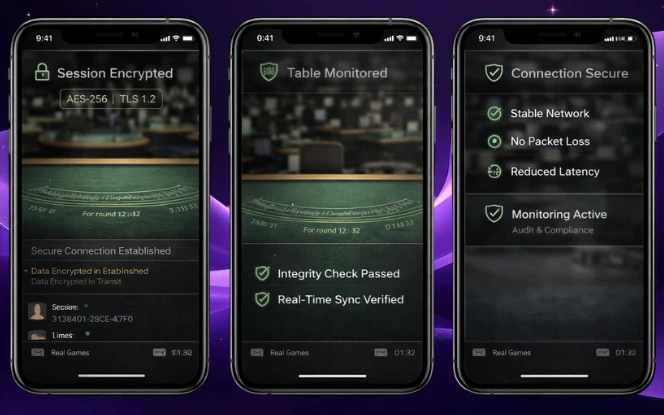
Live dealer platforms use several security layers. These controls help reduce fraud, tampering, and technical disputes.
Common controls include:
- Encrypted video and data streams
- Tamper-resistant equipment
- Continuous table monitoring
- Detailed audit logs
Regular reviews and ongoing monitoring help reinforce transparency and long-term trust.
Regulatory Oversight
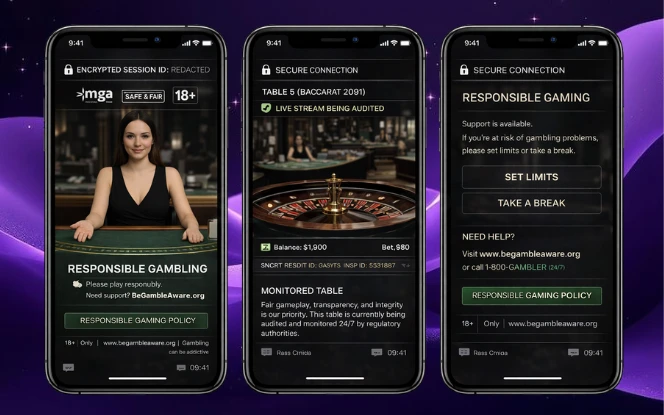
Live dealer platforms work under regulated rules. These rules cover dealer conduct, studio controls, equipment, and security.
Key oversight areas include:
- Valid gaming licenses
- Dealer verification and training
- Approved equipment and studio controls
- Routine audits and monitoring
Because rounds are recorded, regulators and operators can review them later when needed.
How Rounds Settle and Why Players Trust Them
Game Completion and Payouts
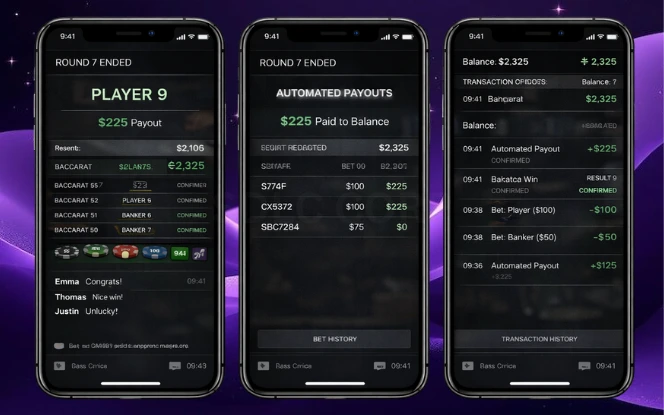
Each round follows a simple cycle. First the physical result appears. Then the system confirms the outcome, settles bets, and updates balances.
The payout process usually includes:
- Outcome confirmation
- Bet settlement
- Balance updates
- Transaction logging
Automation makes this process faster and more consistent. For a related breakdown, see our guide to casino payout processing.
Player Trust and Experience
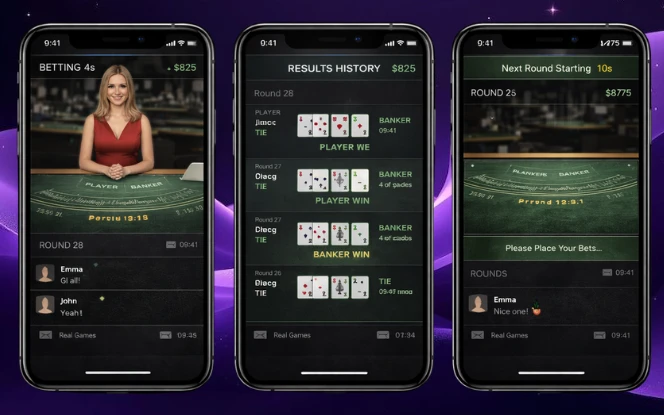
Players trust live dealer games more when the round is easy to follow and the platform behaves consistently.
Trust signals typically include:
- Clear dealer actions
- Fixed betting timers
- Accessible game history
- Stable video streams
When players can see the table clearly and understand each step, confidence usually improves and disputes become less common.
Conclusion
Live dealer casino games combine physical table action with digital betting controls, streaming infrastructure, and secure settlement systems. That mix is what makes them feel more transparent than standard online table games while still remaining accessible from anywhere.
Understanding how the studio, software, streaming, and payout layers work together helps both players and operators evaluate live casino products more clearly. For a related technical perspective, our live casino API provider guide explains how these systems are connected behind the scenes, while our casino game development services page offers a broader view of how live and digital casino platforms are planned, built, and supported.
FAQs
How Do Live Dealer Casino Games Work In Real Time?
Live dealer casino games stream real tables in real time. Dealers handle the physical game, while players place digital bets through the live interface.
What Technology Is Used In Live Dealer Casino Games?
The stack usually includes HD cameras, low-latency streaming, result recognition, betting software, and backend services for balances and settlements.
Are Live Dealer Casino Games Fair And Secure?
Yes. Reputable platforms use encrypted streams, monitored studios, audit logs, and regulated operating procedures to support fair play.
What Is The Difference Between Live Casino Games And Online Casino Games?
Standard online casino games rely on software-generated outcomes. Live dealer games use real dealers and real equipment, while the platform records the result and settles bets digitally.
What Role Does Software Play In Live Dealer Gaming?
The software connects the video stream, betting logic, player balances, result recognition, and reporting. It keeps the digital side of the game accurate and in sync.
Where Are Live Dealer Casino Games Hosted?
Most live dealer games are hosted in licensed studios or regulated casino floors with cameras, dealers, supervisors, and controlled table environments.
Do Live Dealer Casino Games Use Random Number Generators?
In most live dealer games, the physical action on the table decides the result. Software records the outcome and manages settlement.
How Many Players Can Join One Live Dealer Table?
Yes. One live dealer table can support large numbers of participants because players watch the same stream while placing their own bets digitally.
Are Live Dealer Casino Games Available On Mobile Devices?
Yes. Most live dealer platforms are built for smartphones and tablets, with mobile interfaces for streaming, timed betting, and balance updates.
What Happens If A Live Dealer Stream Disconnects?
If a stream disconnects, the platform restores the current session when the connection returns. That helps keep bets, outcomes, and balances accurate.