Mobile Game Development
Company

We build Android, iOS, and cross-platform mobile games from prototype to app store launch and post-launch support. Our team manages design, development, QA, and deployment under one roof for faster, smoother delivery.

Our Featured Game Builds
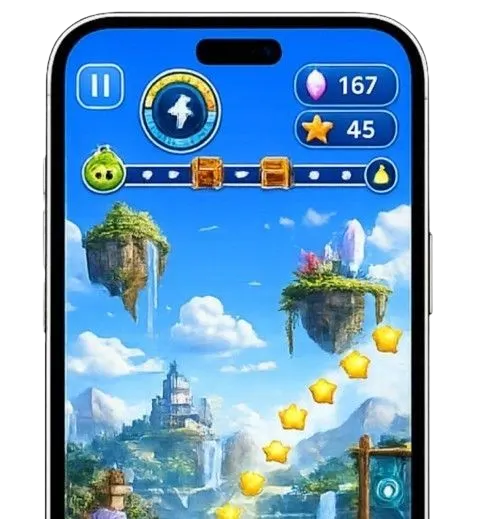
Mobile platform game mockup featuring colorful fantasy world, floating islands, and side-scrolling adventure
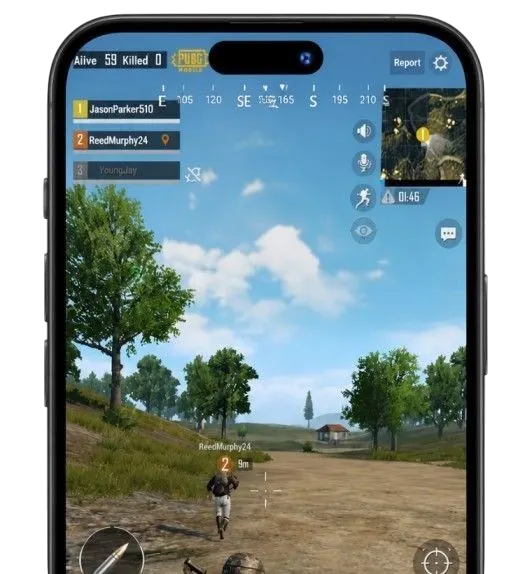
Battle royale mobile gaming experience on smartphone featuring realistic shooter gameplay
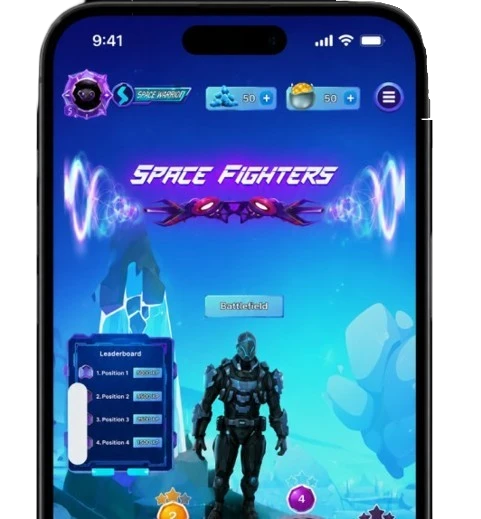
Shooter game displayed on a smartphone with futuristic battlefield, character progression, and campaign mode
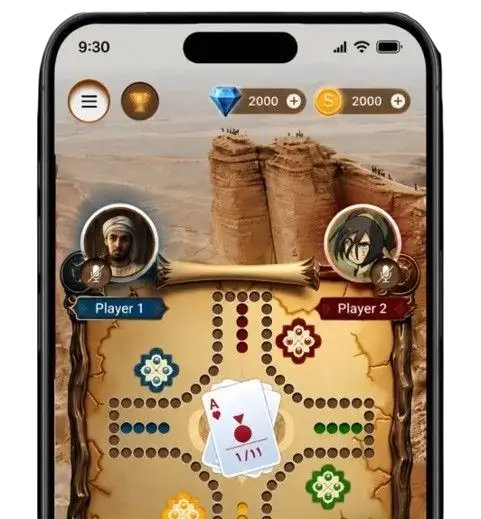
Multiplayer board game displayed on a smartphone mockup featuring card gameplay, player avatars, voice chat, and interactive online gaming
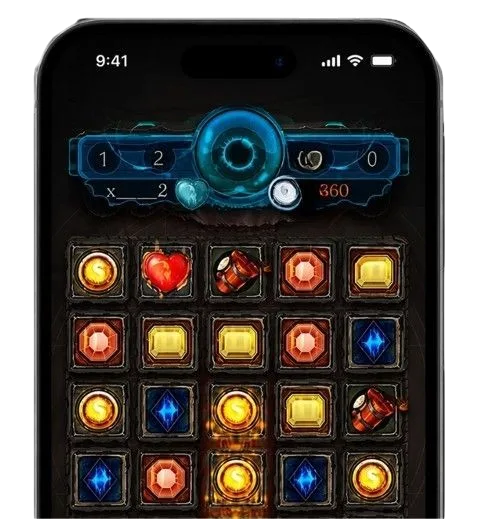
Mobile puzzle adventure game displayed on a smartphone featuring jewel matching, coins, and pirate-themed elements
Recognized by industry leaders
Working with leading technologies
Unity
Unreal Engine
iOS & Android
Blender
Android Studio
Swift
Kotlin
AWS
Case Studies

Featured Mobile & VR Game Projects

Explore our multiplayer game for Android and iOS, alongside a VR football experience. See the gameplay, features, and development scope behind each project.

01
Multiplayer Board Game

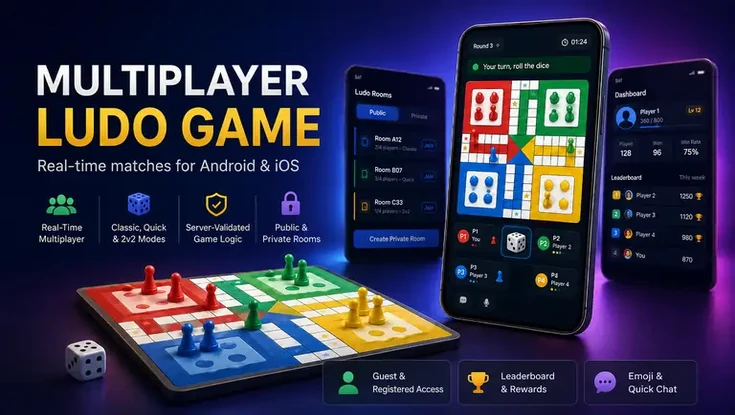
Multiplayer Ludo Game for Android and iOS

Developed a real-time Ludo game for Android and iOS with synchronized multiplayer matches.

  • Classic, Quick, and 2v2 game modes.
  • Public matchmaking and private rooms.
  • Server-validated moves and reconnection support.
Game Modes 3
Delivery 14–16 Weeks
Read Full Case Study →
Multiplayer Ludo game interface with a four-colour board and player controls Read Full Case Study →
02
AR / VR Game Development

VR Soccer Game Built for a Live 5G Experience

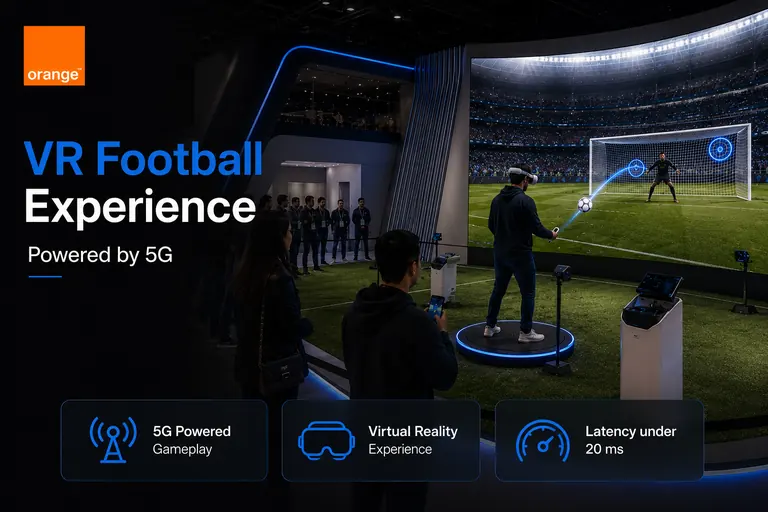
Developed an interactive VR football experience for Orange’s live 5G event.

  • Interactive football gameplay.
  • Responsive controls and football physics.
  • Built for a live public gaming event.
Platform VR
Experience Football
Read Full Case Study →
VR soccer game developed for Orange’s live 5G experience Read Full Case Study →
Mobile Gaming Solutions

Mobile Game Development Services

We build mobile games for Android, iOS, and cross-platform environments. Our team helps you choose the right platform based on your game concept, target audience, performance needs, and long-term growth strategy.

Android

Native Android games built with Kotlin/Java or Unity, optimized for Play Store review, device compatibility, monetization and long-term scalability.

Explore Android

iOS

Native or Unity-built iOS games engineered for App Store approval, Apple performance guidelines and the latest iPhone & iPad devices.

Explore iOS

Cross Platform

Develop once using Unity or Unreal and launch simultaneously on Android and iOS while reducing development time and maintenance costs.

View Cross Platform
Development Challenges

Common Mobile Game Development Challenges

Mobile game projects face recurring technical and business challenges. Addressing them early helps control scope, protect player experience, and prepare for launch. Apple reports that over 40% of unresolved App Review issues relate to Guideline 2.1, App Completeness, including crashes, placeholder content, and incomplete information. Read Apple’s App Review overview and App Review Guidelines.

Choosing the Right Technology Stack

A poor-fit engine or backend can limit growth, raise costs, and complicate updates.

01

Device & OS Fragmentation

Device and OS differences can affect performance. Test across representative phones and versions before release.

02

Scope Creep & Budget Overruns

Unplanned features and repeated revisions can increase costs and delay launch.

03

Monetization vs. Player Experience

Ads and in-app purchases should support revenue without disrupting gameplay or retention.

04

Scaling Backend for Live Games

Live multiplayer needs reliable servers, matchmaking, and real-time synchronization as player numbers grow.

05
Engagement Models

Mobile Game Development Models

Choose the engagement model that fits your project, timeline, and team. Scale or switch as your game evolves.

Compare mobile game development engagement models, including how each works, what it suits, and the next step.
Engagement model How it works Best for Next step
Launch Mode Full Game Build

We manage development from concept through launch. Best for new games and teams without in-house developers.

  • New game ideas
  • MVP launches
  • Complete delivery
Get Started
Scale Mode Co-Development

We work with your existing team on selected features, systems, or delivery milestones.

  • Existing studios
  • Feature builds
  • Game updates
Let's Talk
Team Mode Dedicated Team

Developers, artists, and QA work exclusively on your project under your direction.

  • Long-term games
  • Dedicated talent
  • Studio growth
Hire Experts
How We Build

Mobile Game Development Process

Every project moves through the same five stages, in the same order, regardless of genre or platform. That consistency is what makes timelines and cost estimates reliable from the start.

Discovery & Concept

We define genre, platform, core mechanics, monetization model, and timeline before any code is written, so scope is agreed before it can quietly expand later.

Genre Platform

UI/UX & Prototyping

A playable prototype validates the core loop early, before full production spend, so design issues surface while they're still cheap to fix.

Core Loop Prototype

Development

Designers, developers, and artists work in sprints with playable build reviews, not status calls, so you're evaluating the actual game, not a progress slide.

Sprints Playable Builds

Testing & QA

Device and performance testing, plus store-compliance checks, follow our best practices for testing Android games so issues are caught before submission.

Device QA Compliance

Launch & Post-Launch Support

We handle store submission and launch-day monitoring, then stay on for hotfixes, updates, and analytics review so your game keeps improving after release.

Submission Hotfixes
Production Ecosystem

Technologies Behind Every Build

Our mobile game development stack covers game engines, multiplayer systems, cloud backends, live operations, analytics, and publishing tools for Android and iOS games.

Firebase backend services for mobile gamesFirebase
Photon multiplayer networking for real-time mobile gamesPhoton
Amazon Web Services cloud infrastructure for mobile gamesAWS
Google Cloud platform for scalable mobile game backendGoogle Cloud
Blender software for 3D game asset creationBlender
Autodesk Maya for game character modeling and animationAutodesk Maya
Spine 2D animation tool for mobile game charactersSpine 2D
Figma UI and UX design tool for mobile gamesFigma

What ships inside

Mobile Game Features

We build mobile game features that support player engagement, monetization, social competition, retention, and stable performance across Android, iOS, and cross-platform releases.

In-app purchases and ads

Rewarded, interstitial, and banner ads plus in-app purchases that drive mobile game revenue.

Monetization

Push notifications

Re-engagement messaging tied to player behavior, not blanket blasts that get switched off.

Retention

Leaderboards and achievements

Global and friend-based leaderboards with achievement systems that give players a reason to return.

Progression

Multiplayer and real-time sync

Matchmaking and low-latency state sync built to hold up as concurrent player counts grow.

Multiplayer

Offline play

Core gameplay that works without a connection, with sync-on-reconnect for progress and purchases.

Access

Analytics and retention

Event tracking wired in from day one, so retention decisions are based on player data, not guesswork.

Analytics

Each feature is planned around your game loop, target audience, monetization model, and launch roadmap.

Why Leading Brands Trust Us

Why Choose SDLC Corp

In Budget, On-Time Fixed scope, timeline & cost
True Platform Delivery Passes store review the first time
Post-Launch Support Bug fixes, updates & performance monitoring
5/5 Review Summary

Educational Games

Tal highlighted SDLC’s educational game development, organized QA, responsive fixes, and clear communication as the project expanded in scope.

Tal Segel CEO, Helen Doron Connect

GoodFirms ↗
Review 1 of 2
106+ Games Shipped
11+ Years In Game Dev
95% Client Retention
NDA available on request, before we scope your idea
Source code ownership agreed before development starts
Fixed scope, timeline & cost, in writing
Launch Your Mobile Game With Us Share your idea, timeline, and platform. We'll come back with a scoped plan, team structure, and cost estimate.
Start Your Game Project

Let's Discuss Your Game Project

Share your requirements, timeline, existing build, or game concept. SDLC Corp will review your project and recommend the right scope, team structure, and delivery approach.

What happens next?

We review your brief, estimate scope, and recommend the right team model.

  • NDA Available
  • 106+ Games Delivered
  • Response Within 1 Business Day

No sales pressure. We reply with realistic scope and delivery recommendations.

FAQs

Frequently Asked Questions

Straight answers on timeline, cost, ownership, platforms, and support.

Timeline & Cost

A casual mobile game typically takes 8–16 weeks from concept to store submission. Multiplayer or feature-heavy games can run longer depending on scope.

Mobile game budgets typically range from $15,000 to $500,000 depending on genre, platform, and feature scope. As a rough guide, a hyper-casual game costs $15,000 to $40,000, a casual or puzzle game $40,000 to $120,000, and a multiplayer or mid-core game $100,000 to $300,000. Large 3D titles with live backends start at $300,000. We provide a detailed estimate after reviewing requirements.

Apple App Store reviews usually finish within 1 to 3 days, and Google Play reviews take from a few hours to several days. First submissions can take longer, and a rejection adds a resubmission cycle. We prepare store listings, builds, and compliance checks in advance to avoid delays. For details, see Google Play’s app publishing and review guidance.

Platforms & Ownership

Yes, natively per platform, or cross-platform through Unity or Unreal depending on your timeline and budget.

Unity suits most 2D and 3D mobile games and ships to Android and iOS from one codebase. Unreal fits high-fidelity 3D titles. Native Swift or Kotlin works best when you need deep platform features. We recommend one after reviewing your genre, target devices, and budget. For a deeper breakdown, read our Unity vs Unreal comparison.

You do. Ownership of the source code and all game IP is agreed in the contract before development starts, so there is no ambiguity about what you receive at handover.

Yes. We sign an NDA before reviewing your concept, and your designs, code, and business plans stay confidential throughout the project.

Existing Games & Support

Yes. We start with a code and performance audit, then fix bugs, update for new OS versions, add features, or scale the backend. We need your source code and store access to begin. If the codebase cannot be maintained, we advise on a rebuild.

Yes, post-launch support covers hotfixes, updates, monitoring, and analytics review.

Choosing a Studio

Check for shipped games on the app stores, case studies with real metrics, engine expertise, a clear estimate, source code ownership, device testing, and post-launch support. Ask to speak with the team that will build your game.