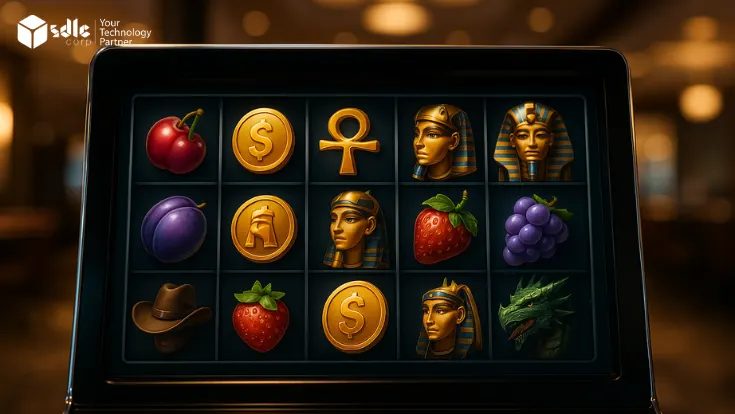

Creating a custom slot machine game starts with business model, game math, player flow, platform choice, backend scope, QA, and compliance planning.
A strong slot game is planned before art production begins. Reels, symbols, RTP, volatility, bonus triggers, wallet flow, event tracking, and release requirements should be clear before development starts.
Core idea: a custom slot game is not only a reel screen. It is a planned product with math, design, backend records, testing, launch support, and market-specific controls.
Quick Summary
| Planning Area | What to Define | Why It Matters |
|---|---|---|
| Business model | Social slot, branded slot, regulated real-money slot, or casino platform game | Controls budget, compliance needs, and launch path |
| Game math | RTP, volatility, hit frequency, bonus probability, payout curve | Controls the game feel and long-term balance |
| Gameplay scope | Reels, rows, paylines, symbols, bonus rounds, jackpots, progression | Controls production size and testing effort |
| Design scope | Theme, art style, UI, animation, sound, win presentation | Controls player experience and asset budget |
| Technical scope | Unity, HTML5, backend, wallet, analytics, LiveOps, admin tools | Controls architecture and delivery timeline |
| Compliance scope | Target market, RNG testing, documentation, responsible play controls | Controls launch requirements and certification effort |
Choose the Slot Game Model
The first decision is the operating model. A social slot, branded slot, real-money slot, and casino-platform slot can look similar on the screen, but the production scope is different.
Social Slot
Uses virtual coins, IAP, ads, subscriptions, missions, events, and economy tuning. The compliance path is usually lighter than real-money gambling.
Real-Money Slot
Requires regulated-market planning, RNG testing, game math documentation, wallet accuracy, platform integration, and jurisdiction-specific approval.
Branded Slot
Uses original theme, characters, audio, animation, and bonus design to create a recognizable product identity.
Casino Platform Slot
Built for launch inside an existing casino environment with wallet, session, reporting, and provider integration requirements.
Define the Build Scope Before Production
Production estimates become accurate when the scope is specific. A slot game with one base game and a simple free-spin bonus is very different from a slot game with progression, tournaments, jackpots, seasonal events, and multiple bonus modes.
- Target platform
- Game type
- Reel and row format
- Paylines or ways-to-win
- Symbol set
- Bonus mechanics
- Art style
- Animation depth
- Backend features
- Analytics events
- Compliance market
- Launch timeline
Plan Slot Game Math Before Art Production
Slot game math defines how the game pays over time. It controls pace, reward frequency, bonus entry, loss streak behavior, payout spikes, and the long-term return profile.
For deeper background, see EGM paytables and PAR sheets and EGM RNG and game outcome testing.
| Math Element | Meaning | Product Impact |
|---|---|---|
| RTP | Long-term expected return percentage | Defines the long-term payout profile |
| Volatility | How smooth or spiky payouts feel | Shapes player tension and session feel |
| Hit frequency | How often any win appears | Controls perceived activity and pacing |
| Bonus probability | How often a feature is triggered | Shapes engagement and content exposure |
| Payout curve | Distribution of small, medium, and large wins | Controls balance, excitement, and risk profile |
Design the Player Interface and Game Flow
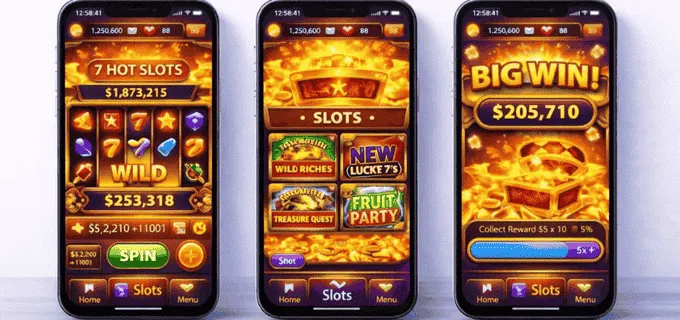
Slot UI design should make the main action clear. Players should understand balance, bet value, win amount, spin status, bonus triggers, and paytable access without confusion.
- Readable balance area
- Clear spin button
- Fast bet controls
- Paytable access
- Bonus explanation
- Win presentation
- Mobile responsiveness
- Accessible contrast
- Animation timing
- Audio feedback
Strong UI also reduces QA risk because testers can confirm states, transitions, bonus entry, and wallet updates more easily.
Choose the Slot Game Tech Stack
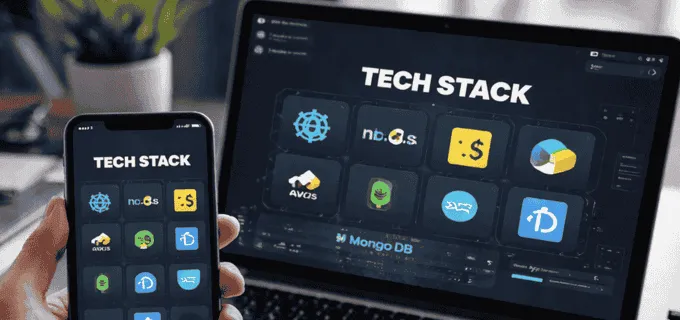
The main client choices are usually Unity, HTML5, or Unreal. The right choice depends on distribution channel, target device, animation needs, production budget, and integration scope.
| Stack | Good Fit | Watch Point |
|---|---|---|
| Unity | Mobile-first slot games, rich animation, cross-platform builds | Needs disciplined asset optimization and build management |
| HTML5 | Browser-based and instant-play slot games | Needs strong performance tuning across devices and browsers |
| Unreal | Premium 3D experiences and highly visual concepts | Usually higher cost and longer iteration cycle for standard slots |
Plan Backend and LiveOps Architecture
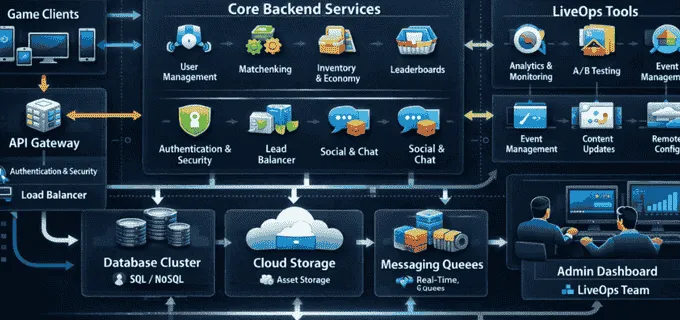
A custom slot game may need more than a playable client. Depending on the product model, backend work may include player profiles, wallet or coin balance, session validation, offers, events, analytics, crash reporting, admin controls, and configuration tools.
- Player profile
- Wallet or coin balance
- Session validation
- Offer configuration
- Event scheduling
- Analytics events
- Crash reporting
- A/B testing
- Admin controls
- Fraud checks
LiveOps matters most when the game will run for months or years with events, missions, content updates, and player segmentation.
Prepare RNG, Fairness, and Certification Requirements
Outcome logic must be fair, testable, and consistent with the approved math model. For regulated real-money products, RNG, math files, paytable behavior, game rules, logs, and reporting may need review by an approved testing lab or regulator-recognized process.
Useful references for regulated game planning include GLI standards and GLI-11.
Estimate Cost and Timeline
Cost depends on game model, math complexity, art scope, animation depth, backend needs, number of platforms, QA depth, and certification requirements.
| Scope | Typical Range | Common Inclusions |
|---|---|---|
| Basic social slot MVP | $15,000 to $35,000 | Simple game loop, standard UI, basic math, limited backend |
| Custom social slot | $35,000 to $90,000 | Original art, custom bonus, better animation, analytics, admin controls |
| Advanced slot product | $90,000 to $200,000+ | Multiple features, backend tools, LiveOps, deeper QA, platform integration |
| Regulated real-money slot | Varies by market | Certification, documentation, testing, regulator or platform requirements |
Timeline can range from 8 to 12 weeks for a focused MVP to 4 to 8 months for a more polished custom slot with original art, backend tools, analytics, and wider QA.
Custom Slot Game vs Template-Based Build
A template-based build can be useful for a quick prototype or low-budget test. A custom build is stronger when the product needs original mechanics, branded visuals, unique bonus flows, advanced analytics, or regulated-market preparation.
| Decision Area | Template-Based Build | Custom Slot Game |
|---|---|---|
| Speed | Faster to start | Longer planning and production |
| Cost | Lower upfront cost | Higher but more controlled scope |
| Differentiation | Limited | Stronger theme, features, and presentation |
| Game math | Often constrained | Designed around product goals |
| Long-term value | Good for testing | Better for branded or scalable products |
Common Mistakes to Avoid
Starting With Art Only
Visuals matter, but math, bonus design, game flow, and backend scope should be defined first.
Weak Math Simulation
Small math mistakes can change RTP, hit frequency, bonus behavior, and player experience.
Underbuilt Backend
Analytics, offers, events, and admin controls are harder to add cleanly after launch.
Poor Device Testing
Animation, load time, memory use, and touch controls need testing on real devices.
Late Compliance Review
Regulated products need early documentation and test planning, not last-minute fixes.
No LiveOps Plan
Long-term slot products need events, content updates, economy tuning, and player reporting.
Custom Slot Game Development Checklist
- Business model selected
- Target market defined
- Platform selected
- Reel format defined
- Payline model defined
- Symbol set planned
- Bonus mechanics defined
- RTP target selected
- Volatility style selected
- Hit frequency planned
- Math simulation planned
- Art style defined
- UI states mapped
- Animation depth planned
- Backend scope defined
- Wallet or coin flow planned
- Analytics events listed
- Admin controls defined
- QA device list prepared
- Compliance path reviewed
- Certification needs checked
- Launch timeline planned
- Support model defined
- Budget range confirmed
FAQs About Custom Slot Machine Game Development
How do you create a custom slot machine game?
What should be planned before slot game development starts?
How much does custom slot game development cost?
Which technology stack is best for a slot game?
What is slot game math?
Does a custom slot game need RNG certification?
How long does it take to build a custom slot game?
When should a business choose a custom slot game instead of a template?
What information is needed for a slot game estimate?
Final Thoughts
A custom slot machine game works best when product scope, game math, player flow, tech stack, backend records, QA, and compliance needs are planned before production begins.
The biggest decisions are not only visual. Business model, RTP, volatility, bonus probability, platform choice, backend depth, and testing requirements decide the actual cost and delivery plan.
Clear planning gives the development team a stronger base for estimating scope, building the game, testing the outcome model, and preparing the product for launch.