Introduction
The catering industry is fast-paced, and small mistakes can quickly impact service quality. So as you grow, you need tighter control over inventory, supplies, and delivery timelines. However, growth also increases the risk of stock gaps, missed dispatches, and inconsistent processes.
That’s where Odoo ERP helps. Odoo brings inventory and logistics into one system, so catering teams can automate supply tracking, reduce manual errors, and stay ready for peak demand. Also, if your business handles perishable items, Tracking Food Safety Compliance with Odoo becomes easier because you can standardize checks, record movements, and keep data ready for audits.
In this blog, we’ll explain how Odoo’s inventory and logistics features support scaling in catering. Additionally, we’ll cover where an Odoo development company, Odoo development agency, or Odoo consultancy services can help during setup, customization, and long-term optimization.
Understanding the Unique Challenges of Scaling a Catering Business
The catering industry has its own set of challenges, particularly when it comes to managing large-scale events, maintaining accurate stock levels, and ensuring that deliveries are made on time. These challenges only increase as the business grows, and without the right systems in place, businesses can face significant hurdles. Some of the most common challenges faced by catering businesses include:
- Inventory Management: As the business scales, the complexity of managing inventory grows. Catering companies must maintain an accurate count of food items, beverages, supplies, and even rental equipment. Discrepancies in inventory can lead to shortages or excess stock, which can disrupt operations and lead to financial losses.
- Order Tracking and Fulfillment: In catering, order fulfillment involves ensuring that the right amount of food and supplies are delivered to the correct location at the right time. Managing multiple events and different customer requirements can create confusion and delays if systems aren’t synchronized.
- Logistical Coordination: Catering businesses need to coordinate the delivery of food and equipment to various venues. Handling this manually can lead to inefficiencies, such as delays, incorrect deliveries, or missed orders.
- Cost Control: The larger the catering operation, the harder it becomes to maintain control over costs. Waste, spoilage, and mismanagement can result in financial losses, making it vital for businesses to have clear visibility into their stock levels and financials.
- Customer Relationship Management: Catering businesses must manage customer relationships effectively, ensuring that orders are accurately recorded and clients are satisfied with the services provided. This includes managing customer preferences, previous orders, and communication in real time.
Need to track food safety compliance in Odoo with clean audits and real-time records?

How Odoo Can Address These Challenges?
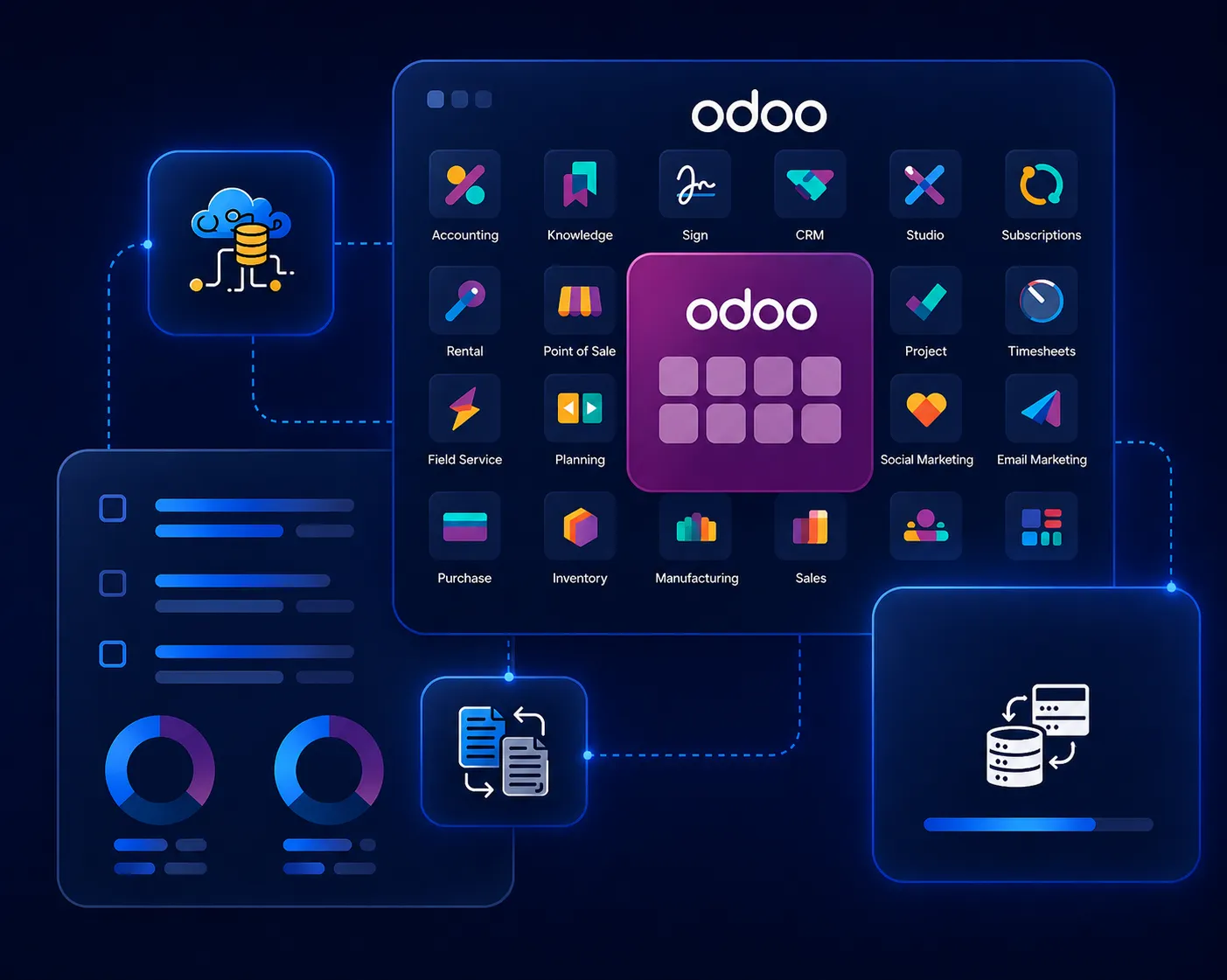
Odoo’s ERP solution offers a range of features that cater specifically to the needs of catering businesses. By implementing Odoo’s inventory and logistics modules, catering companies can automate many of their business processes, reduce errors, and scale effectively. Let’s explore how these features help solve the common challenges faced by catering businesses.
1. Streamlined Inventory Management
Odoo’s inventory management module enables catering businesses to keep track of stock in real time. With Odoo, businesses can maintain an organized inventory by tracking products, setting automatic stock updates, and ensuring that the right ingredients and supplies are available when needed. Odoo allows for:
- Real-time tracking: Automatically updates inventory levels as items are consumed, ensuring businesses have a clear view of their stock at any time.
- Reorder points: Automatically trigger restocks when inventory levels fall below a set threshold, helping businesses avoid stockouts or over-ordering.
- Barcode scanning: Quickly update inventory levels and manage stock using barcode scanning, reducing human error in the process.
By automating these inventory processes, catering businesses can focus more on serving customers and expanding their operations without worrying about the complexities of stock management.
2. Improved Logistics and Order Management
The logistics and order management modules in Odoo work together to streamline order fulfillment and delivery management. Catering businesses need to manage large orders, ensure that food and supplies arrive at the right time, and keep track of customer preferences. Odoo’s integrated modules help by:
- Order tracking: From the moment an order is placed to its delivery, Odoo’s system can track the status of the order, ensuring nothing is missed.
- Automated workflows: Odoo allows businesses to create automated workflows, which helps ensure that tasks like order preparation, packing, and dispatching are done promptly.
- Delivery scheduling: Catering businesses can schedule deliveries according to customer requirements, ensuring timely arrivals and reducing the risk of logistical errors.
By integrating logistics and order management, Odoo eliminates much of the complexity involved in catering deliveries, allowing businesses to manage multiple orders and events more efficiently.
3. Real-Time Reporting and Analytics
Scaling a catering business requires accurate data to make informed decisions. Odoo’s reporting and analytics tools provide businesses with real-time insights into their operations. Catering businesses can monitor:
- Inventory levels: Keep track of stock in real time and identify trends that can help in making more accurate purchasing decisions.
- Sales data: Analyze which products and services are most popular, enabling businesses to adjust their offerings based on customer demand.
- Cost analysis: Assess the costs of catering events, including food, equipment, and delivery, helping businesses to manage their profit margins more effectively.
These insights enable businesses to make data-driven decisions, optimize operations, and identify opportunities for growth.
4. Integration with Other Odoo Modules
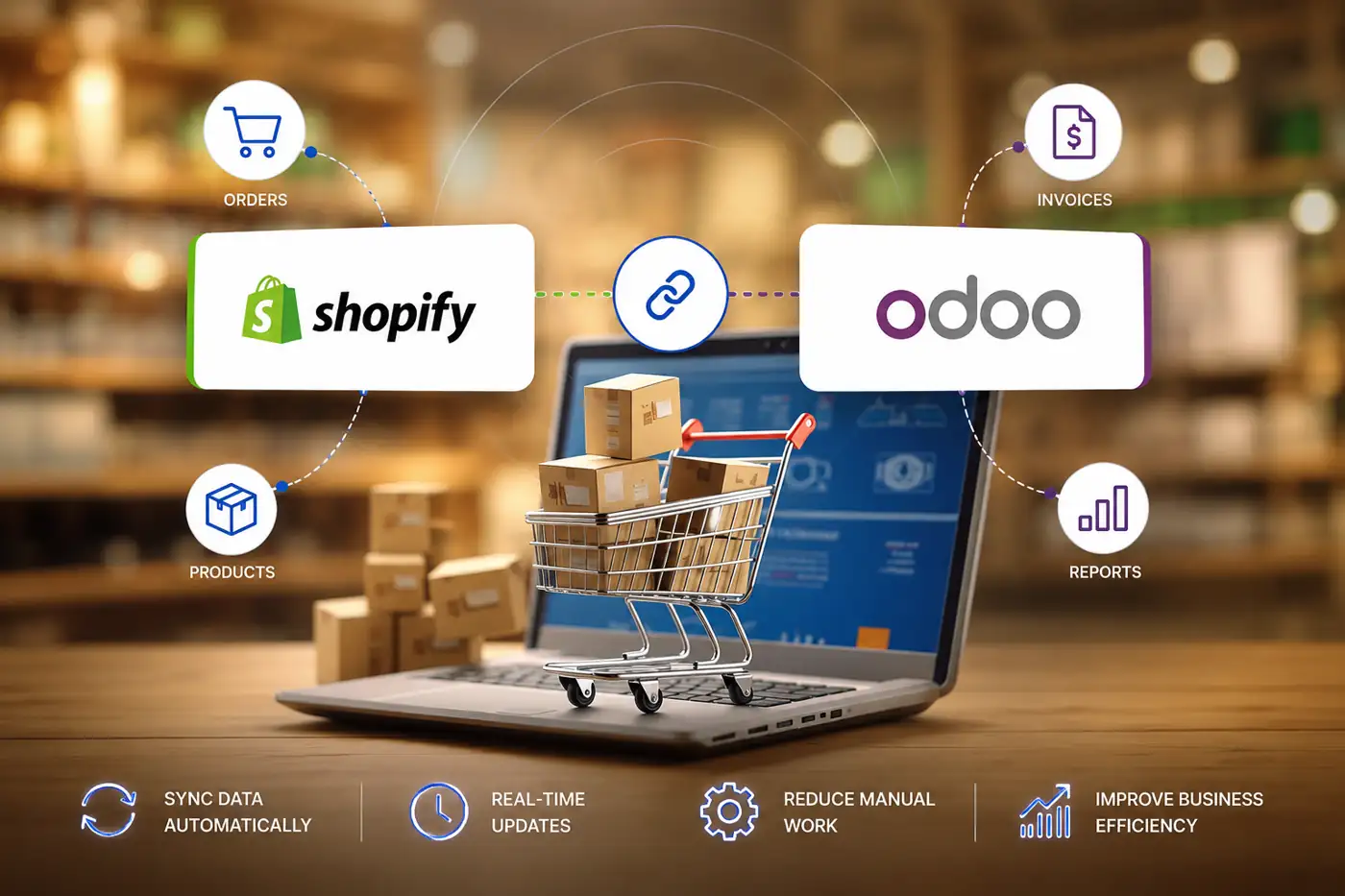
Odoo is designed to be a fully integrated ERP solution, meaning that it can seamlessly connect with other business processes beyond inventory and logistics. Catering businesses can benefit from integrating Odoo POS, Odoo CRM, and Odoo accounting modules with the inventory and logistics features. For example:
- Odoo POS: Integrating the Point of Sale (POS) module helps businesses manage on-site orders efficiently, whether for small or large events.
- Odoo CRM: Track customer preferences, past orders, and communication history to offer personalized services and improve customer satisfaction.
- Odoo Accounting: Automatically track expenses, revenue, and profits related to inventory and logistics, ensuring accurate financial reporting.
This level of integration ensures that catering businesses can scale without worrying about disparate systems and data silos.
5. Scalability and Customization
As catering businesses grow, their needs evolve. Odoo’s customization capabilities allow businesses to modify the system to meet their specific requirements. Whether it’s adding new features, adjusting workflows, or integrating with third-party tools, Odoo can scale alongside the business. Working with an Odoo ERP development company or Odoo development consultancy ensures that the platform is tailored to the unique needs of the business, maximizing efficiency and minimizing operational errors.
The Role of an Odoo Development Company
To successfully implement Odoo and fully leverage its capabilities, it is essential to work with an experienced Odoo development company or Odoo development agency. These companies have the expertise needed to guide businesses through the Odoo development process, ensuring that the system is implemented correctly and customized to meet the business’s needs. They provide Odoo consultancy services to help businesses select the right modules, integrate them seamlessly, and optimize the system for maximum performance.
When choosing an Odoo development firm, it is crucial to consider factors such as their experience in the Odoo development industry, their ability to understand the specific needs of your catering business, and their proven track record of successful Odoo development implementations.
Want to reduce manual compliance logs and pass inspections faster with Odoo?

Conclusion
Scaling a catering business gets harder when inventory and deliveries rely on manual tracking. So using Odoo’s inventory and logistics features helps you automate stock movements, reduce errors, and keep operations consistent. Also, because Odoo connects with CRM, POS, and accounting, your team works from one data source instead of separate tools.
Working with an Odoo development company or Odoo development consultancy can make implementation smoother. Then you can tailor workflows, reports, and modules to match how your catering business runs.
In the end, Odoo helps catering teams improve efficiency, maintain service quality, and scale for long-term growth.
How SDLC CORP Can Help with Odoo Development Services ?
SDLC CORP specializes in Odoo development services, providing end-to-end solutions for businesses looking to streamline operations. As an experienced Odoo development consultancy, we offer expert guidance on the Odoo development process to ensure smooth implementation. Our team, comprising top-tier professionals from Odoo development firms, customizes Odoo to fit your unique business needs.
We excel in Odoo development implementation, ensuring seamless integration with existing systems. With deep knowledge of the Odoo development industry, we bring innovative solutions that drive efficiency. Our commitment to excellence in Odoo development services guarantees that your business benefits from the full potential of Odoo. Partner with us to transform your business and achieve optimal results.
| Service | Description | Link |
|---|---|---|
| Odoo Development Company | We specialize in custom Odoo development services to fit your unique business needs. | Odoo Development Company |
| Odoo ERP Development Company | As an expert Odoo ERP development company, we provide robust solutions to integrate ERP seamlessly into your workflow. | Odoo ERP Development Company |
| Odoo Module Development Company | Our Odoo module development company creates tailored modules to enhance Odoo functionality for your business. | Odoo Module Development Company |
| Odoo POS Development Company | We develop intuitive Odoo POS systems to streamline your retail operations and enhance customer experience. | Odoo POS Development Company |
| Hire Odoo Developer | Hire dedicated Odoo developers to bring your Odoo development projects to life, ensuring quality and efficiency. | Hire Odoo Developer |
| Odoo Consulting Services | Our Odoo consulting services guide you through the implementation, customization, and optimization of Odoo. | Odoo Consulting Services |
FAQ's
1. How does Odoo help with food safety compliance tracking?
Odoo centralizes your quality checks, traceability, supplier records, and audit logs in one system. So you can track what happened, when it happened, and who approved it without chasing spreadsheets.
2. Which Odoo modules are useful for food safety compliance?
Most teams use Inventory, Quality, Manufacturing (if you produce), Purchase, and Documents. For audits and reporting, Accounting and Dashboards/Reporting also help.
3. Can Odoo track batch/lot numbers for full traceability?
Yes. Odoo supports lot/serial tracking, so you can trace products from supplier → warehouse → production → customer. This is critical for recalls and audits.
4. Can we log temperature checks and storage conditions in Odoo?
Yes. You can set quality control points (incoming goods, storage, dispatch) and record values like temperature, packaging integrity, expiry, and cleanliness checks.
5. Does Odoo support expiry date tracking (FEFO/FIFO)?
Yes. You can manage expiry dates and apply FEFO (First Expired, First Out) to reduce waste and avoid shipping expired stock.
6. How does Odoo handle recalls and complaint investigations?
With traceability, you can quickly identify affected lots, impacted deliveries, and customers. You can also link complaints to products, batches, and suppliers to speed up root-cause analysis.
7. Can Odoo store certificates and supplier compliance documents?
Yes. You can attach and manage documents like COAs, lab reports, supplier certificates, and inspection forms using Odoo Documents or by attaching files directly to products/suppliers.
8. Can we automate compliance workflows (approvals, alerts, reminders)?
Yes. You can automate actions like:
approval flows for quality holds/releases
alerts for expired batches
reminders for periodic checks and audits
blocking deliveries if a quality step fails