


Introduction
Mobile commerce continues to grow rapidly. In regions like the Middle East, shoppers prefer apps that offer localized payment options, regional deals, and a smooth mobile interface. A well-built D4D‑style eCommerce app can meet these demands and tap into this growing market.
This guide covers:
The cost to build a D4D-style app
Core features for an eCommerce app like D4D
Recommended technology stack
Monetization strategies beyond simple product sales
A clear development roadmap
Future growth scope for such an app
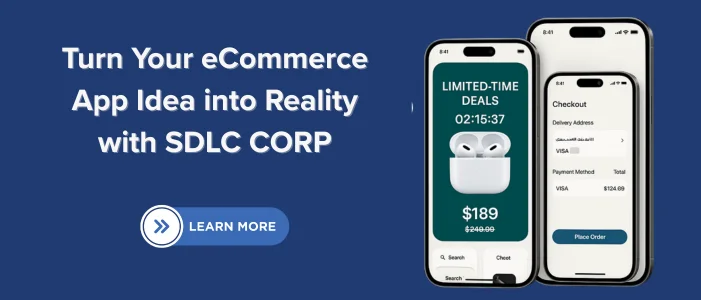
Why Build an App Like D4D?
Building an app similar to D4D gives you a competitive edge because it combines:
Localized Experience: Support for region‑specific payment methods, currencies, and languages.
Flash Deals & Dynamic Offers: Limited-time discounts and deal alerts to drive urgency and user engagement.
Mobile-First Shopping Experience: Fast interface, easy checkout, and intuitive navigation that increases conversion rates.
This approach positions your app for success especially among price- and convenience‑driven shoppers in emerging markets.

Key Features of a D4D-Style App
A successful app like D4D thrives because of its practical features. These are not just checkboxes they are essential for performance, trust, and user retention. Here’s a detailed breakdown of the must-have features you should consider while planning to build an app like D4D.
1. Seamless Registration & Login
A smooth onboarding flow helps users enter the app quickly. The login system must support mobile OTP verification, social accounts, and biometric options. This improves trust and reduces drop-offs, especially in a Middle East eCommerce app, where users expect convenience and security.
This feature strengthens user adoption and supports better activation rates
2. Smart Product Discovery
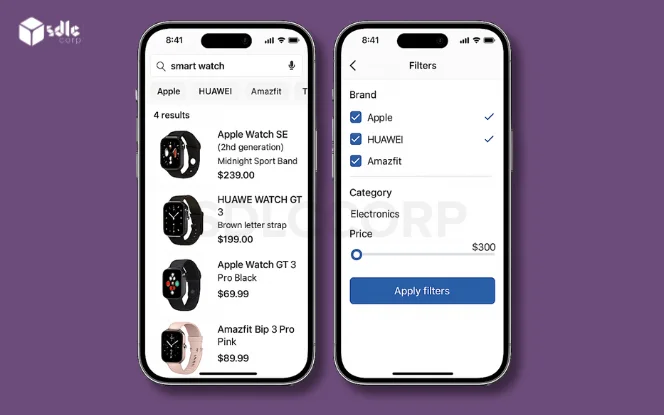
AI-driven search filters and personalized results help users find the best deals quickly and easily.
- Enhances shopping experience with intelligent suggestions
- Reduces time to purchase
- Increases engagement and conversion rate
3. Daily Deals & Flash Discounts
Limited-time pricing creates urgency, encouraging users to purchase quickly and return for more offers.
- Boosts app retention through urgency
- Supports inventory clearance strategies
- Drives frequent user visits
4. Multilingual & Multi-Currency Support

Localized language and currency settings ensure accessibility and ease of use for global and regional audiences.
- Arabic-English toggle in the app
- Supports AED, SAR, USD, and more
- Enhances user trust in local markets
5. Real-Time Order Tracking

Live order tracking powered by GPS gives users full visibility of their delivery status.
- Improves customer satisfaction
- Reduces support queries
- Adds transparency to the process
6. User Reviews & Ratings
Customer feedback helps improve product visibility, trust, and decision-making for new shoppers.
- Verified buyers only can post
- Star ratings and written reviews
- Filters by rating levels
7. Admin Dashboard

A backend portal allows store owners to manage users, inventory, orders, analytics, and support tickets.
- User-friendly panel for non-tech admins
- Export reports and track KPIs
- Supports real-time updates
8. Push Notifications

Timely alerts about deals, cart reminders, and new arrivals increase user engagement and drive sales.
- Personalized based on user activity
- Schedule flash sale alerts
- Supports deep linking to app sections
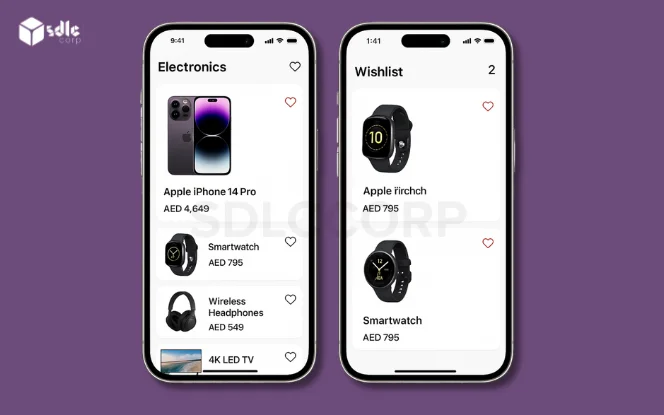
9. Wishlist & Save for Later
Let users save products they’re interested in and get notified when prices drop or stock changes.
- Encourages future purchases
- Supports personalized offers
- Increases re-engagement
10. Secure Checkout Process
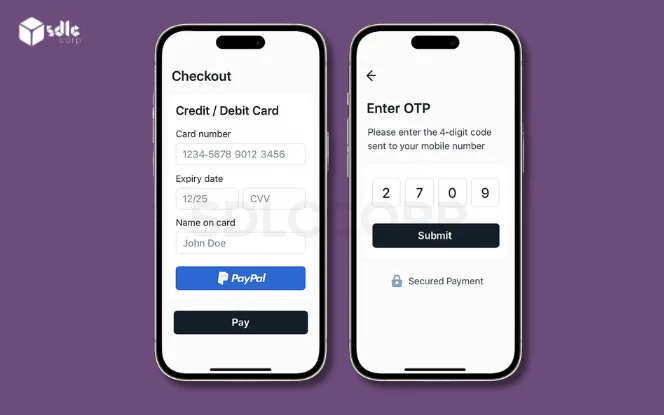
Encrypted payments, OTP logins, and gateway integrations ensure a trusted and smooth payment experience.
- Integrates Stripe, Telr, and PayPal
- SSL protection and secure authentication
- Optimized for mobile wallets
Technology Stack to Build a D4D-like App
Choosing the right tech stack is key to building a high-performance, scalable, and secure D4D-style mobile app. Your app must handle real-time data, support high volumes of users, and ensure fast transactions all while delivering a smooth user experience.
Here’s the breakdown of the essential technology layers for developing an app like D4D:

- Frontend – Flutter, React Native
- Backend – Node.js, Laravel
- Database – MongoDB, MySQL
- Cloud Hosting: AWS, Google Cloud
- Payment Integration – Stripe, PayPal, Telr
- User Behavior Tracking – Google Analytics, Mixpanel
- Security Protocols – SSL, Firebase Auth, OAuth 2.0
Choosing the right tech stack is crucial for performance, scalability, and efficiency. Explore the latest tools driving innovation in 2025 in our blog on Must-Have Mobile App Development Tools.
Cost Breakdown to Build a D4D-Style App
The cost to develop an app like D4D depends on the scope, features, platform (Android/iOS), and region of your development team. Whether you’re targeting the Middle East eCommerce market or a global audience, your budget needs to align with both functionality and scalability.
Here’s a breakdown of where your investment typically goes:
Key Cost Drivers
1. Core Features
- Product listing, flash deals, wishlist, and cart functions are foundational.
- These modules typically consume 30–40% of the total budget.
2. Technology Stack
- Your tech choices (React Native vs. Flutter, Firebase vs. AWS) impact dev hours.
- Cloud infrastructure, AI features, and third-party integrations affect monthly costs.
3. Design & UX
- A clean and intuitive mobile shopping experience increases retention.
- Custom UI/UX designs, animations, and Arabic/RTL support can raise design time.
4. Admin & Seller Panel
- A powerful backend for managing orders, inventory, flash sales, and reviews.
- Often underestimated but essential for large-scale platforms.
5. Security & Compliance
- Implementing PCI-DSS, GDPR, and strong secure checkout practices are crucial.
- Tokenization, encrypted transactions, and RBAC add technical depth and cost.
6. Maintenance & Scaling
- Ongoing costs include cloud hosting, analytics, and feature updates.
- Plan for 15–20% of the original budget annually for improvements and support.
| Development Component | Estimated Cost (USD) | Description |
|---|---|---|
| UI/UX Design | $3,000 – $6,000 | Custom designs, multilingual layouts, RTL support |
| Frontend (User App) | $8,000 – $15,000 | React Native or Flutter-based mobile development |
| Backend Development | $10,000 – $20,000 | APIs, product logic, order handling, real-time data |
| Admin & Seller Panel | $5,000 – $10,000 | Inventory, user management, analytics dashboard |
| Payment Integration | $2,000 – $4,000 | Stripe, PayPal, Telr, Apple Pay, Google Pay |
| AI/Personalization Engine | $4,000 – $7,000 | Smart recommendations, trending deals, filters |
| Testing & QA | $2,000 – $5,000 | Functional, device, security and UX testing |
| Post-Launch Support | $1,000/month+ | Bug fixes, server scaling, version upgrades |
Factors That Affect the Cost of a D4D-Like App

- Platform Selection
Choosing between iOS, Android, or cross-platform affects overall time, testing scope, and project cost. - Feature Complexity
Advanced features like flash deals, GPS tracking, and multilingual support significantly raise overall app complexity and budget. - UI/UX Design Quality
Custom interfaces tailored to user behavior require more design hours compared to using ready-made templates. - Integration Requirements
Adding payment gateways, analytics, or third-party tools increases both setup time and external service costs. - Team Location
Rates differ globally teams in the US charge more than equally skilled teams in regions like Eastern Europe or India.
Monetization Models Beyond Product Sales
Building a D4D-style app opens up more revenue streams than just selling physical products. If you’re aiming to maximize profitability and long-term value, it’s important to integrate multiple monetization strategies directly into your app’s ecosystem.
Here’s how platforms like D4D (or Daraz/Best Buy) make money beyond the obvious:

1. Seller Subscription Fees
B2C marketplaces often allow third-party sellers to list their products for a monthly or yearly subscription fee. You can offer tiered seller plans that unlock access to features like priority listing, marketing support, or analytics.
Example: A basic seller pays $49/month for listing, while premium sellers pay $149/month to access dashboards and boosted visibility.
2. Commission on Sales
This is one of the most consistent revenue streams. A fixed or variable commission (5–15%) is charged on every successful transaction processed through the platform. This ensures scalability without increasing operational overhead.
Example: Every $100 sale results in $10 commission to the app owner.
3. In-App Advertising & Sponsored Listings
Vendors can pay for featured product placement, top search results, or homepage banners. This is a huge income source, especially during high-traffic events like Black Friday or festive sales.
Ads can be CPC (Cost Per Click), CPM (Cost Per Thousand Views), or fixed weekly/monthly.
4. Affiliate Marketing Integration
You can allow affiliate partners or influencers to promote products and earn commissions — all tracked via referral codes. This increases sales without upfront ad spending.
Integrate with platforms like ShareASale, CJ Affiliate, or set up your own system.
5. Logistics & Fulfillment Services
If you offer logistics or warehousing to sellers (like Amazon FBA), you can charge storage fees, delivery charges, or packaging costs. This adds operational revenue with each shipment.
Example: Charge $2 per product packed and $5 for express delivery.
6. Premium Membership for Buyers
Users can pay for benefits like free shipping, early access to sales, or exclusive discounts—similar to Amazon Prime. This creates a recurring revenue stream from loyal customers.
Offer yearly or monthly membership plans with perks that boost retention.
7. Data Insights & Analytics for Sellers
Provide real-time dashboards, competitor analysis, and buyer behavior reports to sellers — all for a monthly fee. Businesses value actionable data that helps them scale.
Charge $99/month for advanced analytics tools with downloadable reports.
8. Buy Now, Pay Later (BNPL) Commissions
By integrating with BNPL providers (like Klarna, Zip, or Razorpay BNPL), you can earn commissions or a share of interest from every installment plan processed.
Example: BNPL services share a 2–4% fee on each converted sale.
9. White-Label Services for Brands
Offer your app infrastructure to other brands or retailers under a white-label SaaS model. This is especially valuable for niche retailers wanting an app without building from scratch.
Example: Charge $5,000–$15,000 to license your app backend with custom branding.
10. Digital Product Sales or Subscription Boxes
Beyond physical products, consider selling eBooks, training, templates, or curated subscription boxes (e.g., monthly tech gadget bundles) to generate recurring revenue..
Step-by-Step Process to Build an App Like D4D

1. Market Research & Requirements Gathering
Understand user behavior, regional trends, and business goals to define features, monetization models, and platform scope from the ground up.
2. UI/UX Planning & Wireframing
Create intuitive wireframes and app flows tailored for regional audiences, focusing on user journeys, visual clarity, and conversion optimization.
3. Frontend & Backend Architecture Design
Plan app screens, database structure, APIs, and logic layers using scalable technologies for smooth performance across mobile and admin dashboards.
4. Core Feature Implementation
Build essential modules like product discovery, checkout, geolocation, deal management, and multilingual support using secure and robust technology.
5. Integration of Third-Party Services
Add payment gateways, SMS services, analytics, and CRM tools to enhance functionality and operational efficiency.
6. Testing & Quality Assurance
Conduct multiple rounds of manual and automated testing to ensure cross-device compatibility, security, and a bug-free user experience.
7. Deployment & Ongoing Support
Launch your app on iOS and Android stores and continue improving with regular updates, monitoring, and performance enhancements.
For a deeper breakdown of timelines across different development stages planning, design, development, and testing check out our detailed guide on How Long It Takes to Develop an App.
Future Scope of a D4D-like eCommerce App

- AI-Powered Personalization
Automatically tailor deals, suggestions, and product feeds based on user history, shopping behavior, and engagement patterns boosting relevance and conversions. - Voice & Visual Commerce
Enable seamless search through speech or image input, improving product discovery for users who prefer intuitive browsing methods. - Augmented Reality Previews
Allow users to preview products like apparel, furniture, or accessories in real-world environments for more confident purchasing decisions. - In-App Wallet & Loyalty Ecosystem
Integrate digital wallets, cashback rewards, and point-based loyalty tiers to drive long-term user engagement and repeated spending.

Conclusion
Building an eCommerce platform like D4D is a strategic move for businesses targeting mobile-first, deal-driven markets especially in the Middle East. With features like AI-powered recommendations, flash deals, multilingual support, and real-time tracking, a D4D-like app can significantly enhance user engagement and sales. The cost to develop an app like D4D varies based on factors such as feature scope, platform selection, integrations, and design complexity. By working with an experienced Mobile App Development Company, you can ensure your app is scalable, secure, and tailored to market needs delivering long-term growth and competitive advantage. Contact SDLC CORP today for a free consultation and custom cost estimate.
Related Blogs You May Find Valuable
FAQs
1. How much does it cost to develop an app like D4D?
The development cost typically ranges from $30,000 to $100,000+, depending on the number of features, technology stack, user roles, and integrations (like payment gateways, analytics, or AI recommendations). A basic MVP costs less, while a full-scale platform with custom branding and logistics can cost more.
2. How long does it take to build a D4D-style app?
It usually takes 3 to 6 months to build a fully functional version of a marketplace app like D4D. The timeline varies based on feature complexity, the number of user interfaces (admin, seller, buyer), and QA/testing cycles.
3. What features should be included in a D4D clone app?
Core features include:
Multi-vendor support
Product catalog and categories
Cart & checkout
Real-time order tracking
Seller dashboard
Admin analytics
Payment gateway integration
Push notifications
Rating and reviews
4. Can I monetize the app beyond product sales?
Yes, beyond selling physical products, you can earn from seller subscriptions, ad placements, logistics, BNPL partnerships, and even premium buyer memberships. (See the “Monetization Models” section for complete strategies.)
5. What tech stack is best for building an eCommerce marketplace app?
Popular stacks include:
Frontend: Flutter or React Native for mobile
Backend: Node.js, Laravel, or Django
Database: PostgreSQL, MongoDB
Hosting: AWS, Google Cloud
Payment: Razorpay, Stripe, PayPal
Others: Firebase for notifications, Elasticsearch for search
The right stack depends on scalability needs and developer availability.
6. Is it better to build from scratch or use a pre-built eCommerce solution?
If you need full control, advanced features, and scalability, building from scratch is ideal. Pre-built solutions like WooCommerce or Shopify offer quick launch but are harder to customize for multi-vendor needs.
7. Can I launch the app in multiple regions with language and currency support?
Yes, with proper planning. Add multilingual support, RTL layout (for Arabic), and currency conversion APIs from the start. D4D-like platforms benefit greatly from regional customization.
8. How secure is a D4D-style app?
Security is crucial. You must include SSL encryption, secure payment APIs, two-factor authentication, role-based access control, and regular vulnerability testing to protect buyer and seller data.


