

Introduction
The cost to develop an eCommerce app like OzSale usually starts at $25,000–$40,000 for an MVP, increases to $50,000–$75,000 for a standard multi-feature app, and can reach $90,000–$150,000+ for an OzSale-level platform with advanced marketplace features and vendor management. Pricing depends on feature depth, third-party integrations, traffic scale, and cloud infrastructure. Defining these elements early allows accurate budgeting and ensures the app supports high-volume sales and stable performance.
Why Build a Flash-Sale Marketplace App?
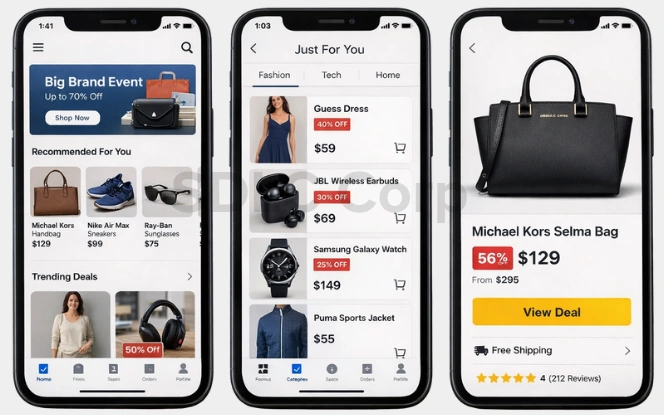
Building a deal-driven eCommerce platform allows businesses to enter the market with urgency-based selling and high user engagement. Flash-sale models focus on limited availability, time-bound campaigns, and curated deals that encourage faster purchase decisions. Many startups evaluate development cost early to align product strategy with long-term scalability and revenue potential.
Read more : Cost to Build a Mobile App Like Best Buy
Key Features of a Flash-Sale Marketplace Platform
A multi-vendor flash sale app needs advanced features like real-time promotions, personalization, high-traffic handling, and scalable seller workflows to perform reliably during peak demand.
1. Flash Sales Module

Launch urgency-driven, limited-time offers that push users to take immediate action.
Use countdowns, flash deals, and scarcity messaging during peak events to boost conversions.
Align promotions with high-traffic periods to intensify engagement and maximize results.
2. Personalized Product Feed

Analyze user behavior and browsing patterns to understand preferences.
Use purchase history to deliver personalized recommendations.
Improve engagement, retention, and upselling through tailored experiences.
3. Multi-Payment Gateway Integration
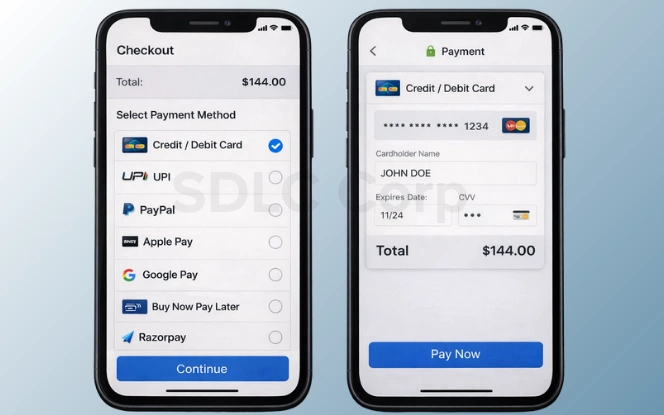
Support multiple payment methods, including credit/debit cards, UPI, PayPal, Apple Pay, Google Pay, BNPL, and Razorpay.
Simplify the checkout process to reduce friction and cart abandonment.
Improve global accessibility by accommodating regional and international payment preferences.
4. Wishlist & Price Drop Alerts

Let users track preferred items in a wishlist or watchlist.
Send instant alerts for price drops and restocks to drive action.
Encourage repeat visits by bringing users back at the right moment.
5. Ratings & Reviews

Increase product credibility through authentic user-generated feedback.
Help new buyers make confident purchase decisions.
Strengthen overall marketplace trust and transparency.
Also Read : Cost to Develop an App Like Signal
6. Seller Dashboard
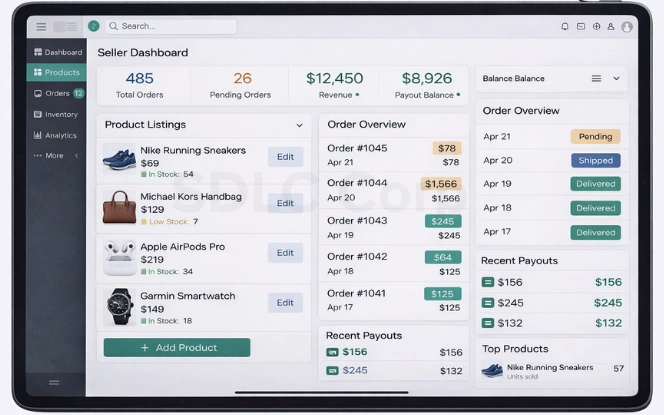
Provide vendors with tools to manage product listings and inventory.
Enable pricing control, order management, and sales analytics.
Support scalable multi-seller marketplace expansion.
7. Admin Control Panel
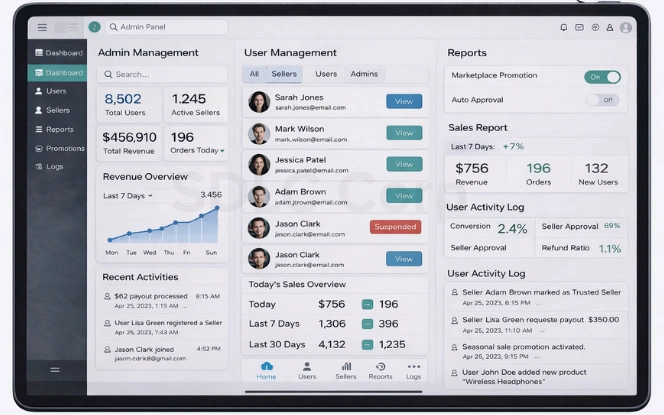
Monitor users and manage platform content centrally.
Track revenue, performance metrics, and operational insights.
Configure promotions and controls to ensure efficient platform governance.
8. Multi-Language & Multi-Currency Support
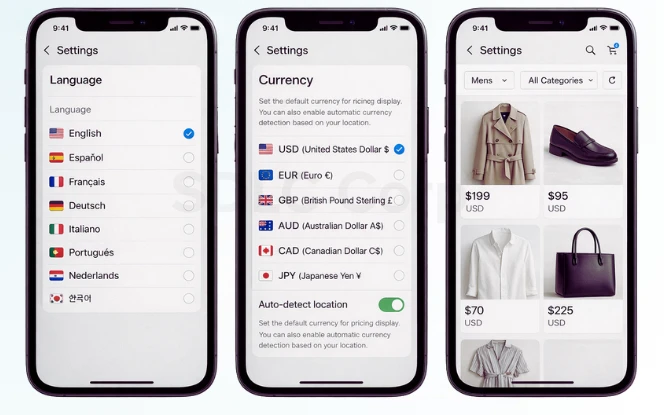
Enable seamless localization for users across different regions.
Support multiple languages and currencies for global accessibility.
Ensure a consistent experience that supports international reach.
9. Push Notifications
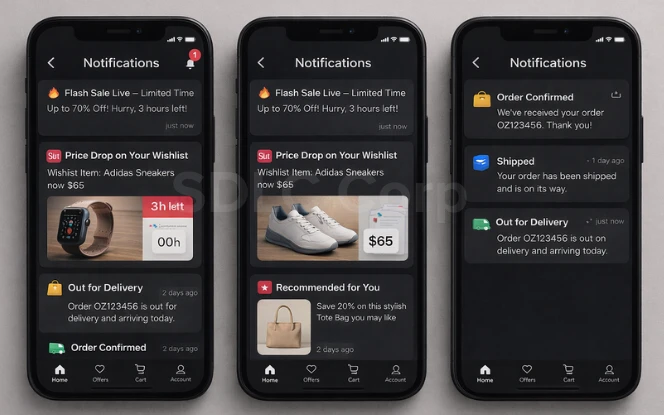
Send real-time alerts for flash sales, price drops, and limited-time offers.
Notify users instantly about order status updates to improve trust.
Boost engagement and drive repeat visits through timely reminders.
10. Real-Time Inventory Management
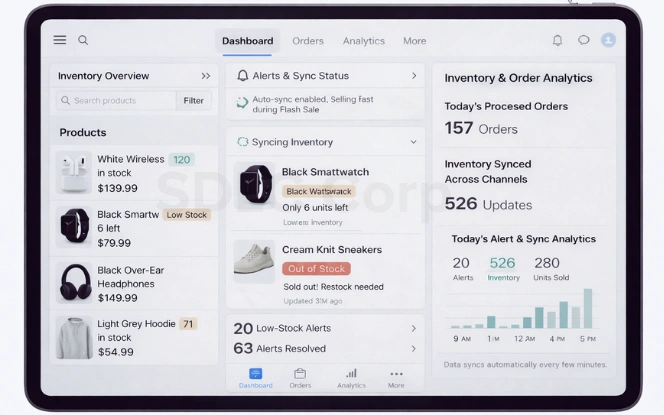
Sync inventory in real time to prevent overselling.
Enable smooth, automated order management during high demand.
Support fast-moving flash sales without operational friction.
Technology Stack for a Flash-Sale eCommerce Platform
Selecting a scalable and secure technology stack is critical for flash-sale marketplace platforms, where real-time inventory, traffic spikes, and payment reliability directly affect revenue and user trust.

Cost Breakdown: Developing a Deal-Driven Marketplace App
The cost to build a deal-based marketplace app varies based on features, UI complexity, platform choice, and team location. The estimates below help businesses plan budgets across MVP, standard, and enterprise-level solutions.
| Tier | Timeline | Estimated Cost | Key Features |
|---|---|---|---|
| Basic Version (MVP) | 10–12 Weeks | $25K – $40K |
|
| Standard App | 14–18 Weeks | $50K – $75K |
|
| Advanced Solution (OzSale-Level) | 20–26 Weeks | $90K – $150K+ |
|
Factors Influencing Development Cost
The development cost of a flash-sale marketplace app depends on several key areas that define scope, scale, and delivery.
Feature Scope & Complexity (35–45%)
Core features cost less, while flash sales, personalization, and multi-vendor workflows increase effort.
Platform Selection (20–30%)
Cross-platform development reduces cost; native iOS and Android builds require higher investment.
Third-Party Integrations (15–25%)
Payments, analytics, logistics, and CRM integrations add functionality and recurring costs.
UI/UX Design (10–20%)
Custom design, animations, and multilingual support improve conversion but raise design effort.
Development Team Location (15–30% variance)
Costs vary based on regional developer rates, team expertise, and the chosen delivery model.
Explore More : Cost to Develop A Social News App Like Reddit?
Monetization Strategies for a Flash-Sale Marketplace Platform
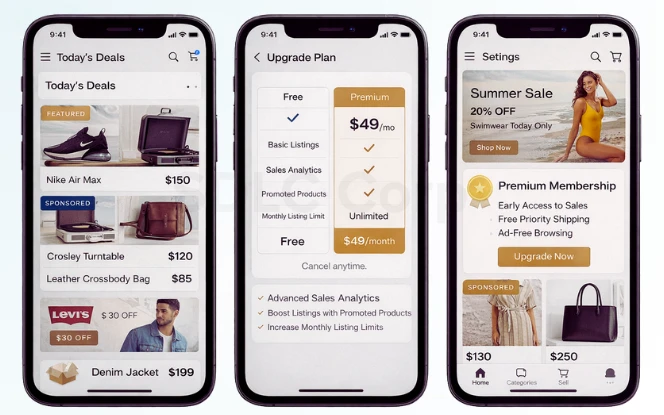
Building a flash-sale marketplace platform demands smart planning, scalable architecture, and real-time selling capabilities. Partnering with SDLC Corp ensures long-term stability, growth, and profitability.
- Commission on Each Sale
Charge a fixed percentage on every transaction processed through the platform. This scalable revenue model is widely adopted in marketplace-driven eCommerce app development.
- Freemium Model for Sellers
Provide basic features at no cost while offering premium tools such as advanced analytics, promotional options, and higher listing limits for a fee. This model supports flexible and efficient vendor onboarding.
- In-App Advertising
Generate additional revenue by allowing brands or sellers to promote products through banners, sponsored placements, or display ads within the app.
- Paid Subscriptions for Premium Users
Offer exclusive benefits such as early access to deals, faster shipping, or an ad-free experience through monthly or yearly subscription plans, creating a reliable recurring revenue stream.
- Featured Product Listings
Enable sellers to pay for enhanced visibility by placing their products at the top of search results or key home feed sections. This improves product discoverability while increasing platform earnings.
If you’re exploring innovative eCommerce ideas that blend social interaction with shopping, visit our guide on how to develop a social eCommerce app like Your Wish for deeper insights into user-driven monetization and community commerce.
Security & Compliance for Marketplace Platforms
Security and compliance are essential for flash-sale marketplaces, increasing development cost due to encryption and regulatory requirements while ensuring user trust and data protection.

- End-to-End Data Encryption
Protect all sensitive user information including login credentials, payment data, and personal details using AES-256 encryption during both transmission and storage. - GDPR & PCI-DSS Compliance
Ensure your app adheres to GDPR requirements for EU users and meets PCI-DSS standards for secure card processing. These compliance measures are essential for safe and legally aligned eCommerce app development. - Secure Payment Integrations
Integrate reliable payment gateways such as Stripe, Razorpay, and PayPal using tokenization and SSL protocols to safeguard transactions and reduce fraud risk. - Role-Based Access Controls
Assign specific permission levels to admins, vendors, and users to maintain data segmentation and prevent unauthorized access to sensitive system areas.
Scalability & Future-Ready Architecture
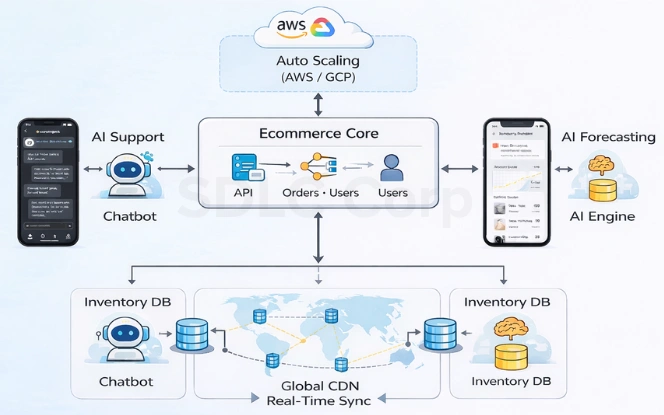
OzSale-level platforms need a scalable, real-time architecture to handle growth, manage data efficiently, and remain competitive.
- Auto Scaling Infrastructure (AWS or GCP)
Implementing AWS Auto Scaling or Google Cloud allows your app to handle traffic spikes during peak sales or promotions without downtime or manual intervention. - Content Delivery Network (CDN)
Using a CDN delivers content faster across regions, reduces load on your servers, and improves the overall user experience during global promotions and high traffic campaigns. - Real Time Inventory Sync
A scalable backend updates product availability instantly across all user devices and seller portals. This reduces overselling problems and builds stronger buyer trust. - AI Powered Chatbot for Customer Support
Integrating an AI powered chatbot provides round the clock customer support, manages order queries, and assists users without human involvement. This ensures support scales smoothly as your platform grows. Learn more about this in our Generative AI guide. - AI Based Demand Forecasting
Machine learning models help predict product demand, optimize inventory levels, and reduce wastage. This is especially important for flash sale platforms like OzSale that rely on time sensitive offers.
Conclusion
Building a flash-sale marketplace platform requires proven execution, scalable architecture, and consistent performance under peak demand. SDLC Corp has hands-on experience delivering multi-vendor eCommerce and flash-sale platforms that operate reliably in real-world, high-traffic environments, with secure payments and real-time inventory at scale. Whether launching an MVP or expanding to a full marketplace, SDLC Corp brings the technical depth and delivery experience needed for long-term growth.
Also Read :
Cost to Develop a Marketplace App Like Amazon
How Much Does It Cost to Build an App Like Cash?
Cost to Develop a Learning App Like Skillshare
FAQ'S
How Much Does It Cost To Build An deal-driven eCommerce platform?
The cost typically starts at $25K for a basic MVP and can go up to $75K or more for a standard version, depending on features, platform, and development location.
How Long Does Development Take?
What Features Should An multi-vendor flash-sale app Include?
Can SDLC Corp Provide Post-Launch Support?
Which Technology Stack Is Best For This App?
A scalable multi-vendor flash-sale app performs best with Flutter for mobile, Node.js backend, AWS cloud, MongoDB database, and secure payment integrations like Stripe, Razorpay, and PayPal for seamless transactions.
Is It Necessary To Have A Web Version Too?
What Factors Increase Development Cost?
How Can I Reduce App Development Cost?
Can SDLC Corp customize the app based on business model?
Yes. SDLC Corp customizes multi-vendor flash-sale app for:
B2C or marketplace models
Flash sales and limited-time deals
Seller-focused monetization
Region-specific compliance and payments
Why choose SDLC Corp to develop an deal-driven eCommerce platform?
SDLC Corp is a reliable partner for building an OzSale-like app due to its expertise in scalable eCommerce platforms, transparent pricing, and cost-efficient development. The team delivers secure, high-performance solutions with support for flash sales, multi-vendor marketplaces, and subscriptions, ensuring faster launch and long-term scalability.


