Introduction
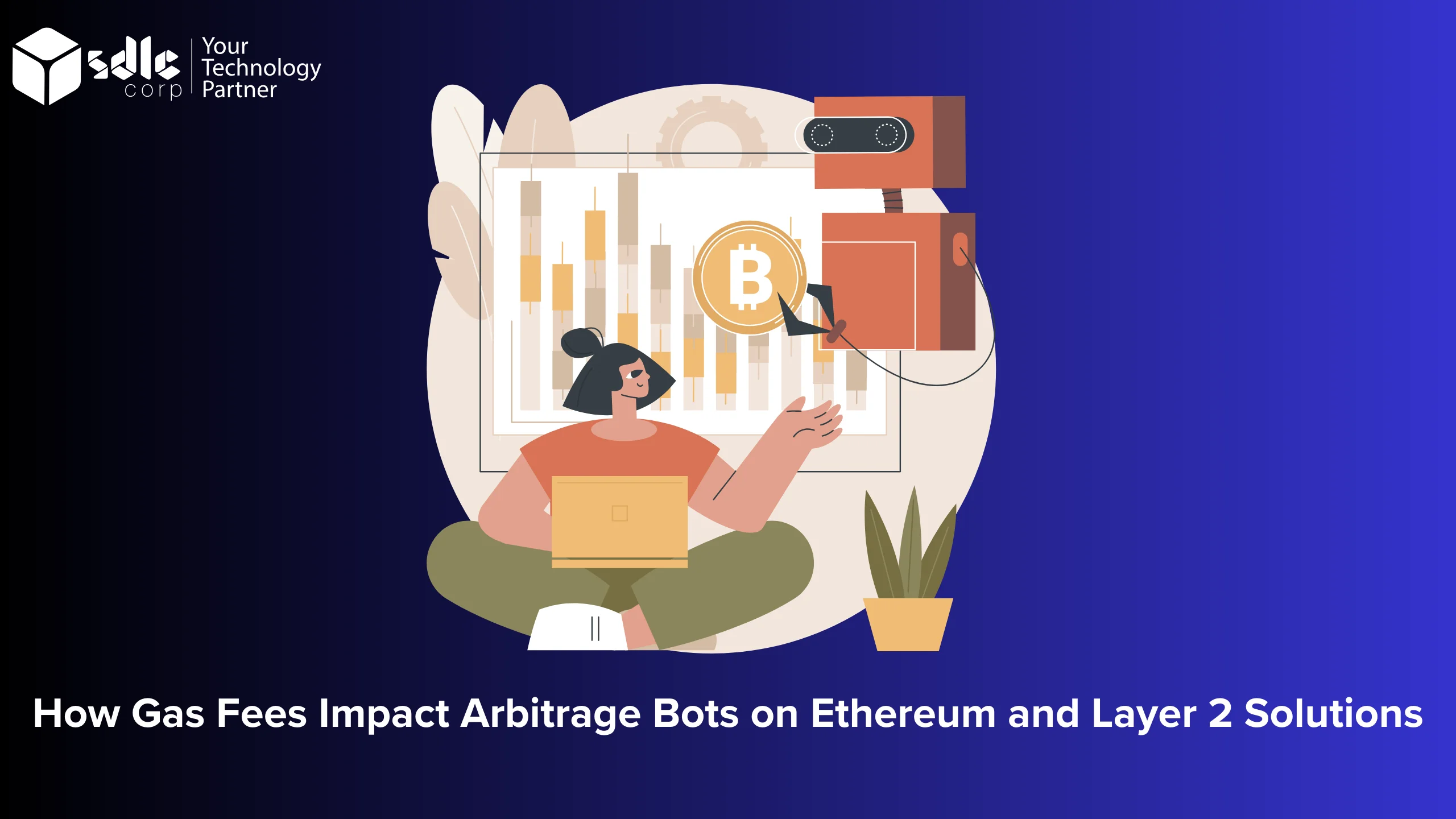
hen it comes to arbitrage bots in the crypto world, gas fees play a pivotal role in determining profitability, especially on the Ethereum network. Gas fees are essentially the transaction costs required to interact with the blockchain, and they can significantly impact the efficiency and success of arbitrage bots.
Secure Cryptocurrency Trading Solutions

Impact of Gas Fees on Arbitrage Bots
1. Profit Margin Reduction
Arbitrage bots rely on exploiting price differences across exchanges. However, high gas fees can quickly eat into those profits. On Ethereum, gas fees fluctuate based on network congestion, which can sometimes lead to exorbitant costs for even simple transactions.
- High Gas = Less Profit: For bots performing frequent transactions, if the gas fee exceeds the price difference, the trade becomes unprofitable.
2. Transaction Delays
Arbitrage opportunities are often time-sensitive, requiring fast execution. During periods of high network activity, higher gas fees are needed to prioritize transactions. If a bot doesn’t account for these fluctuating fees, the delay in execution can cause the opportunity to vanish.
- Slow Confirmation = Missed Opportunity: If the bot waits for lower fees, the price differential could disappear, leaving the trade unexecuted or unprofitable.
How Layer 2 Solutions Mitigate Gas Fee Issues
With Ethereum’s scaling issues leading to high gas fees, Layer 2 (L2) solutions like Optimism, Arbitrum, and Polygon have emerged as alternatives. These solutions operate on top of Ethereum and drastically reduce gas fees while maintaining security.
1. Lower Transaction Costs
Layer 2 solutions reduce the cost per transaction, making arbitrage trading feasible even for smaller price differentials. This opens up a wider range of profitable opportunities.
- Lower Fees = Higher Profit Margins: Arbitrage bots can process more trades without the burden of Ethereum’s gas costs.
2. Faster Transaction Speeds
Layer 2 networks offer much faster transaction finality, allowing arbitrage bots to execute trades quickly, minimizing the risk of slippage or losing the arbitrage window.
- Faster Execution = More Opportunities: The reduced latency on L2 platforms means bots can react quickly to market conditions and exploit fleeting price differences.
Challenges with Layer 2 Solutions
While Layer 2 solutions offer several benefits, they aren’t without challenges:
- Liquidity Fragmentation: Liquidity can be fragmented across different L2 networks, limiting the volume of arbitrage opportunities.
- Cross-Layer Fees: Moving funds between Layer 1 and Layer 2 incurs bridging fees, which can impact profitability.
Low Gas Fees Token Solutions
Conclusion
Maximizing Arbitrage with Layer 2 Solutions
Arbitrage bots running on Ethereum face significant challenges due to high gas fees, which can eat into profits and delay transactions. Layer 2 solutions provide a practical alternative, offering lower fees and faster execution times, making arbitrage trading more efficient. However, it’s essential for bots to carefully navigate liquidity and cross-layer transfer costs to fully optimize profitability.
For arbitrage traders, adopting Layer 2 is becoming essential to stay competitive and maximize returns in a high-fee environment like Ethereum.