
AAA Game Art Outsourcing Services
SDLC Corp is an AAA game art outsourcing studio for PC and console teams needing engine-ready character art, environment art, and cinematic VFX. We create production-ready assets for Unreal Engine 5, Unity HDRP, and custom pipelines, optimized for your polygon, texture, and LOD requirements. Trusted on Clutch, GoodFirms, and AppFutura, we support the full pipeline from concept art to in-engine delivery.



Years Combined
Projects Shipped
Assets/Project
Global offices
AAA Game Art vs Generic 3D Assets: What Makes It Production-Ready?
At SDLC Corp, our AAA game art outsourcing services cover the full production pipeline, from concept art and character sculpting to engine-ready delivery. We create character art, environment art, animation, and VFX that match your polygon budget, visual target, and platform requirements.
AAA game art is more than polished visuals. It combines strong art direction with clean topology, PBR materials, animation-ready rigs, cinematic lighting, and performance-aware optimization so assets work in real production, not just in portfolio renders.
Our team supports the full pipeline, including concept art, 3D modeling, texturing, rigging, animation, environment art, and real-time VFX. Every asset is built around defined polygon counts, texture sizes, LOD targets, and draw-call limits to keep visual quality and engine performance aligned throughout development.
Our work spans 3D game development, VR game development, and Unreal Engine game development projects. our artists understand both the visual and technical constraints of each platform - not just the aesthetic side of production.
High-poly sculpts and clean low-poly meshes with animation-ready topology.
Production-ready materials with proper albedo, roughness, metalness.
Character rigging, motion capture cleanup, facial animation, and skeletal system builds.
Modular world-building kits, terrain sculpting, and atmospheric lighting setups.
Real-time VFX using Niagara (Unreal) and VFX Graph (Unity) for combat, weather, and UI.
Character concepts, environment mood boards, and colour script documents for the full game.
Every asset passes defined QA before delivery. Environment assets are checked for texel density, clean UVs, and proper lightmap setup. Character assets are reviewed for closed meshes, correct joint orientation, and stable skin weights. We also validate power-of-two textures, approved channel packing, and target-engine import quality so your team gets assets that integrate faster with less rework.
We also run a final import test in the target engine before delivery. This catches import scaling errors, incorrect pivot points, and material assignment issues. Since these problems are invisible in the modelling application but break immediately on import, we do not rely on the client's engine team to discover them. We fix them before the handoff document ships.
Verified Reviews for AAA Game Art Outsourcing
All reviews are from shipped game projects - not prototypes or test assets.
Our ratings link to active Clutch, GoodFirms, and Sortlist profiles and reflect feedback from studios and publishers that used our AAA game art outsourcing services on shipped products. Last verified: April 2026.
11 reviews · Quality & Schedule 5.0
155+ reviews · Global Leader 2024
49 reviews
"SDLC Corp delivered our open-world environment art package - 400+ modular assets - with consistent visual quality across all biomes. Every asset hit the polygon and texture budgets we specified at the start. No exceptions in final QA."
"Character rigging and facial animation system for 24 named NPCs. SDLC Corp used a shared skeletal rig with morph target blend shapes - this let our animation team reuse clips across characters and saved 30% of our animation budget."
"Our VR title needed hand-authored environment art that ran at 72fps on Quest 3 without LOD pop-in. SDLC Corp produced 200+ optimised assets with custom occlusion culling setups built in. First platform submission passed certification."
AAA Game Art Portfolio: Shipped Outsourcing Projects
These AAA game art outsourcing case studies show how we deliver production-ready assets for PC, console, and mobile. Scope, polygon budgets, formats, and platform targets are defined at kickoff. Some client names are under NDA, but outcomes and references are available on request.
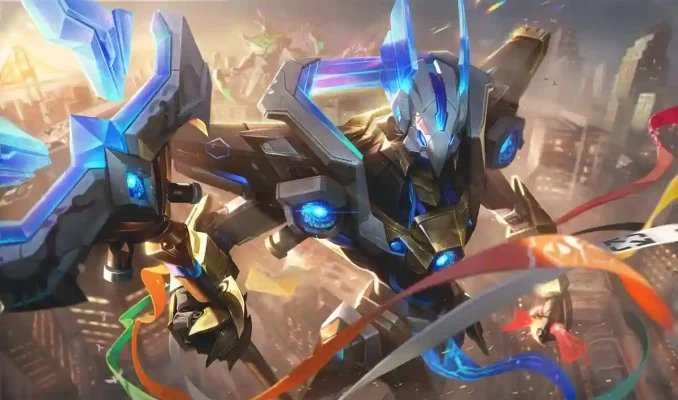
Delivered 400+ assets for Artyfact, including character skins, weapon art, and environment assets for an Unreal Engine 5 shooter on the Epic Games Store. All assets shipped with 4K PBR textures, Nanite-ready geometry, and approved LOD chains, with zero QA rejections across batches.
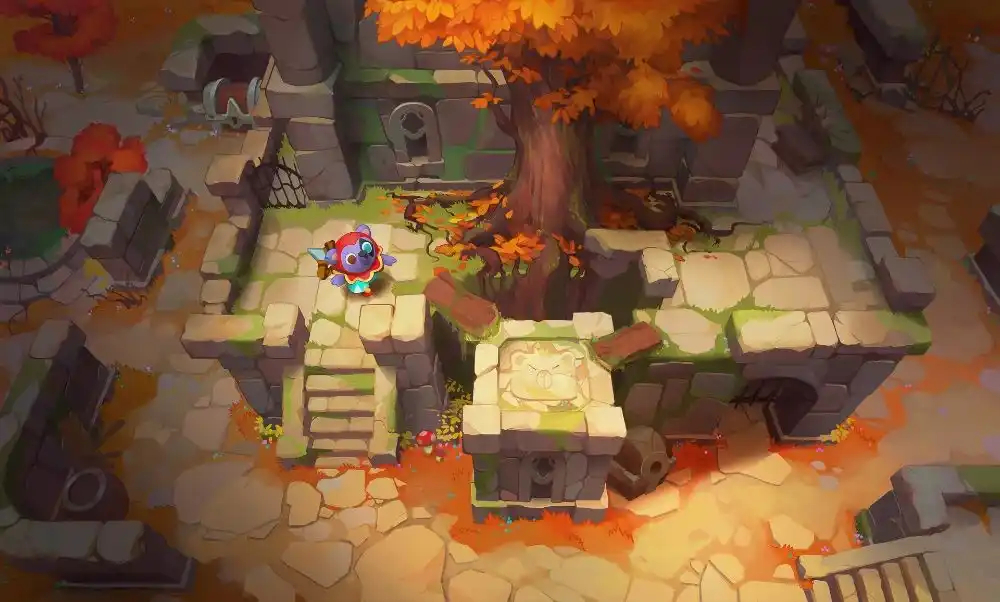
Created environment and UI art for now.gg, tailored for cloud-streamed mobile rendering and consistent in-game performance. Every deliverable was built to meet the agreed draw-call and memory budgets from the start, helping the project move forward without post-delivery optimization requests.
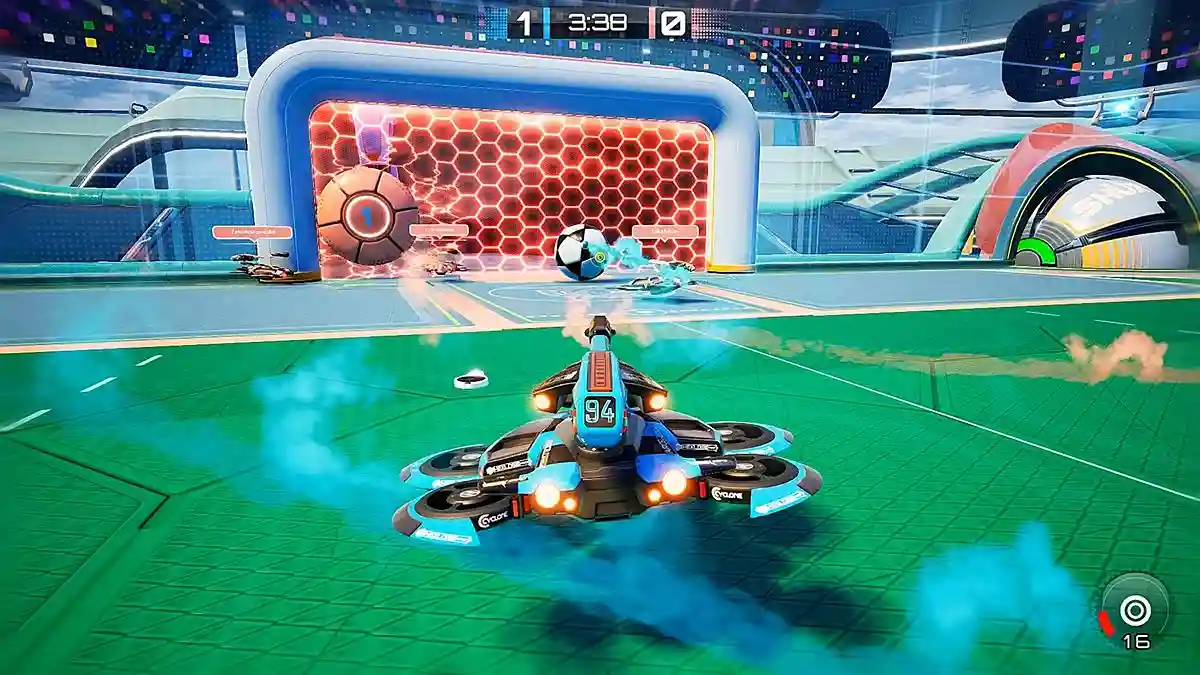
Produced 150 unit and building assets plus 40 VFX particle effects for a mid-core strategy title. All assets stayed within the approved 5,000 to 15,000 triangle budget and passed the Unity performance profile for mid-range Android in a single review cycle.
AAA Game Art Services for Concept, 3D Art, Animation, and VFX
We don’t just create art — we deliver assets that pass engine benchmarks from day one.
Our AAA game art outsourcing services cover the full pipeline, from concept design to engine-ready delivery. Each service is scoped around clear deliverables, platform targets, and performance budgets for smooth integration in Unreal Engine, Unity, or custom pipelines.
We create character sheets, environment mood boards, color scripts, and key art that give your 3D team one approved visual reference. Each package is built to reduce revision loops before modeling begins.
We sculpt high-poly hero characters and build game-ready low-poly meshes with clean, animation-friendly topology. Deliverables include source files, baked maps, and production-ready assets your team can extend without rebuilding the base model.
We build modular environment kits, props, hero pieces, and terrain assets for efficient level assembly. Texel density, naming rules, and kit structure are defined up front for faster integration and more consistent scenes.
We produce PBR materials for Unreal and Unity using industry-standard workflows. Texture sets are delivered in the right resolution and packing format for the target platform, including optimized variants where needed.
We create rigs, movement sets, combat animations, and facial performance clips tested before full production. Shared-rig planning helps clips transfer cleanly and reduces costly late-stage fixes.
We build real-time VFX for combat, weather, magic, and UI feedback using Niagara and VFX Graph. Each effect is planned against target performance budgets before handoff.
AAA Game Art Technology Stack for Engine-Ready Production
Our AAA game art pipeline uses proven tools for sculpting, texturing, animation, version control, and engine-ready delivery. This helps us create production-ready assets for Unreal Engine 5, Unity, and custom pipelines.

High-poly sculpting for characters, creatures, and hero assets

Character rigging, skinning, and animation-ready scene setup

3D modeling, UV mapping, and environment asset production

Concept art, texture polish, and paint-over workflows

PBR texturing with albedo, roughness, metalness, and normal maps

HDRP and URP asset validation for mobile and console projects

Version control for source files, art libraries, and review-safe collaboration

In-engine validation for lighting, materials, Nanite, and Niagara-based VFX
Unreal Engine 5 Lumen, HDRI lighting, and RenderDoc for profiling shaders and draw calls
Houdini, Niagara, and VFX Graph for real-time effects, fluid sims, and gameplay particles
Perforce Helix Core, ShotGrid, and custom Python scripts for review workflows, LOD generation.
Why Game Studios Choose SDLC Corp for Production-Ready Game Art
Studios such as Artyfact and now.gg choose SDLC Corp because we deliver game art that meets both visual targets and technical requirements. Our process is built around specialist roles, engine-ready delivery, and clean pipeline integration.
Our artists work in dedicated roles across concept art, character art, environment art, animation, and VFX. The same specialists stay on the project from start to finish for better consistency and fewer handoff issues.
We work with Unreal Engine 5, Unity HDRP, ZBrush, Maya, Substance Painter, and Houdini. This keeps asset creation aligned with real engine requirements, not generic 3D workflows.
We adapt to different naming conventions, delivery formats, and review systems before production starts. That helps your team receive assets that import cleanly on the first pass.
Every asset is built to agreed polygon, texture, and draw-call budgets. This reduces rework and helps protect frame rate across target
platforms.
Our review profiles on platforms like Clutch and GoodFirms reflect feedback from studios that used our work in live production. This adds third-party proof to our delivery process.
We use staged approvals for concept, grey-box, texture pass, and final delivery. Scope changes are reviewed before new work begins, helping teams stay aligned on time and budget.
AAA Game Art Outsourcing Process: Brief to Engine-Ready Delivery
Most Outsourcing Failures Happen After 3D Production - We Eliminate At the Concept Stage
Our process moves from brief to engine-ready delivery through clear approval stages. This helps catch art-direction and technical issues early, before they become expensive production fixes.
We define the asset list, visual target, polygon budgets, texture resolution limits, and delivery formats. For example, a mobile title targets 5,000–15,000 triangles per character while a console title targets 50,000–150,000. Setting this in writing in week one prevents costly budget overruns. A mismatch between visual ambition and performance budget found in week ten is far more expensive to fix than one caught in week one.
Concept artists produce character sheets, environment mood boards, and a colour script. The client reviews and approves these before any 3D work starts. This gate is non-negotiable. However, clients who skip concept approval to save a week often spend three weeks revising 3D assets. In fact, 3D corrections cost five times more per hour than concept revisions.
We produce high-poly sculpts, game-ready game meshes, PBR texture sets, and animation rigs in parallel streams. character modelling and environment art run at the same time rather than sequentially. This saves 4–6 weeks on a typical 20-asset project. Weekly WIP renders go to the client for review. We address feedback before moving to the next production pass.
We produce movement sets, combat clips, facial animations, and real-time VFX using Niagara or VFX Graph. All animation clips go through a animation transfer test against the shared rig before delivery. Moreover, each VFX asset undergoes a GPU cost check in the target engine to confirm it stays within the agreed particle budget.
We import all assets into the target engine, set up lighting, run a profiler pass, and produce LOD variants where needed. The client receives a fully organised asset package with documented folder structure, naming convention, and import settings. Additionally, we provide a 30-day support window after handoff for integration questions. Discovering an import issue post-handoff is common. It should not cost the client a new statement of work to resolve.
Frequently Asked Questions About AAA Game Art Outsourcing
Straight answers. We respond to project enquiries within one business day.
What is AAA game art?
AAA game art refers to high-fidelity visual assets created for large-scale PC and console titles. It includes detailed characters, environments, PBR materials, animation, and VFX built to strict visual and technical standards, including polygon, texture, and performance budgets.
What services does your studio provide?
We provide concept art, 3D character modeling, environment art, PBR texturing, animation, VFX, and engine-ready optimization. Our team supports the full pipeline from art brief to final delivery, including naming conventions, folder structure, and import-ready handoff files.
How does AAA game art improve gameplay?
Strong art improves immersion, readability, and consistency across the game world. Visual quality matters most when it supports gameplay performance, style coherence, and clear player feedback.
Which engines do you support for AAA game art delivery?
We primarily deliver assets for Unreal Engine 5 and Unity HDRP. We also support custom engines when import rules, material setup, and technical requirements are documented in advance.
How much does AAA game art production cost?
AAA game art pricing varies by scope. A character typically ranges from $3,000 to $12,000, while an environment kit usually ranges from $15,000 to $60,000. Final cost depends on asset complexity and engine requirements.
Do you work with in-house art teams?
Yes. Many clients use us as an extension of their internal art team for overflow production, environment kits, character assets, or VFX. We work within your style guide, naming rules, and technical pipeline.
How do you keep art quality consistent across a large asset list?
We use a shared style guide, batch reviews, and art director approvals to keep assets visually consistent. This helps reduce style drift when multiple artists work on the same production.
Contact Us
Share a few details about your project, and we’ll get back to you soon.
Let's Talk About Your Project
- Free Consultation
- 24/7 Experts Support
- On-Time Delivery
- sales@sdlccorp.com
- +1(510-630-6507)