Kids Game Development Services
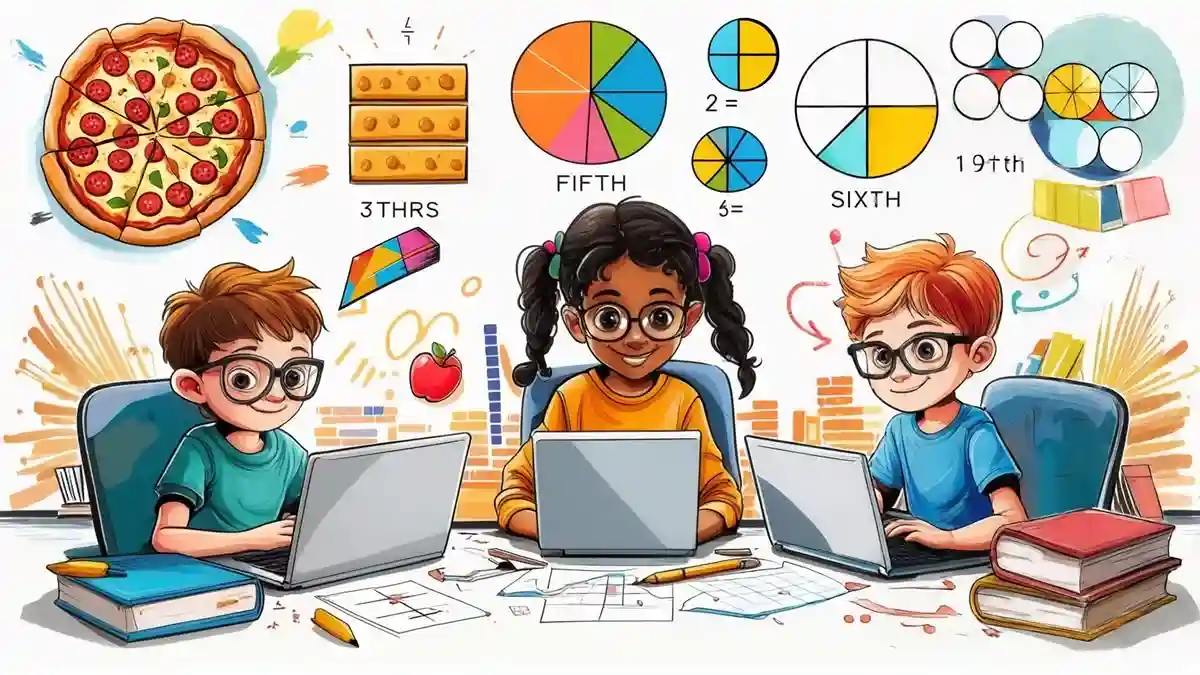
SDLC Corp provides kids game development services that go beyond colourful templates — we engineer age-appropriate mechanics, child-safe content pipelines, parental-control systems, and COPPA/GDPR-K-compliant data handling from day one. With 500+ games shipped and full source code ownership, we help publishers, edtech platforms, and toy brands launch children’s games that earn parental trust and keep young players coming back.

Built for young audiences — not adapted from adult game pipelines
SDLC Corp is a specialist children’s game development studio, building educational games, mobile titles for kids, and age-gated multiplayer experiences since the company was founded. Although creating a kids game appears simpler than an adult title, the engineering constraints are more demanding — content must pass COPPA and GDPR-K compliance reviews, in-app purchase flows must include parental-approval gates, and every interaction must survive usability testing with children aged 4–12 rather than adult QA testers.
We use Unity 2022 LTS and Unreal Engine 5 depending on the art-style target, with age-gated multiplayer via mobile game development pipelines optimised for mid-range devices. Our 2D game development and 3D game development teams both specialise in child-friendly art pipelines — bright palettes, simple geometry, and animations tuned for short attention spans.
Data handling, parental consent flows, and no behavioural advertising for under-13 users.
Cognitive skill targets baked into mechanics, not bolted on as minigames.
Age-gated chat, no stranger interaction, optional parent-monitored friend lists.
iOS, Android, WebGL, and console from one shared backend and content pipeline.

What publishers and edtech platforms say about working with us
Our scores come from gaming studios, edtech companies, and toy brands — not generic software clients. Because children's games require longer QA cycles and child safety reviews, clients check vendor review history before committing to a content-sensitive project.
11 reviews · Quality & Schedule 5.0
155+ reviews · Global Leader 2024
49 reviews
"SDLC Corp built our edtech math game for ages 6–10 with COPPA-compliant data handling and a parental dashboard. The cognitive skill progression design was informed by their educational consultant team — something no other vendor we interviewed offered."
"The Unity mobile build for our 3–5 age group passed Apple's Kids Category review on the first submission — something our previous two vendors failed three times. SDLC Corp knew every guideline requirement before we raised them."
"We needed a cross-platform kids adventure game for iOS, Android, and Amazon Fire. SDLC Corp delivered all three from a single Unity codebase with age-gated multiplayer and a custom parental-PIN lock system — 16 weeks, zero post-launch safety issues."
What we build — educational games, mobile titles, and branded play experiences
Since children's games span educational apps, casual mobile titles, console adventure games, and branded toy-companion experiences, our kids game development services cover every format publishers need — educational game development for edtech platforms, mobile games for kids on iOS and Android, console adventure titles, and branded toy-companion experiences for audiences aged 3–12.
We specialise in creating engaging and educational games for kids using Unity 2022 LTS and Unreal Engine 5. Our 2D game development team crafts hand-drawn environments while our 3D team builds low-poly cartoon worlds optimised for tablet GPUs. Because each game receives a dedicated child-usability testing session before QA sign-off, we catch confusing mechanics before parents see them.
Our educational games and children’s app development blends learning with entertainment, targeting cognitive skills such as numeracy, literacy, spatial reasoning, and problem-solving — curriculum-aligned for school deployments and edtech publisher partnerships. Since educational apps in Apple's Kids Category follow specific content guidelines during review, we build each learning objective into the core mechanic — not as a popup quiz that interrupts gameplay, which is the most common design mistake that causes store rejections.
We develop simple yet captivating game mechanics for young players, using large tap targets (minimum 44×44pt per Apple HIG), high-contrast colour palettes accessible to colour-blind children, and audio feedback that reinforces every successful action. Although visual complexity tempts designers, we A/B test each UI layer against 4–7 age groups because what reads as charming to adults often confuses a five-year-old.
Our artists create vibrant, child-friendly artwork using a proprietary style-guide process — our team tests each character for recognisability at 48×48px (icon size) before full-resolution production begins. Because child audiences reject characters that feel off-brand within the first two seconds, our art direction includes a formal "five-year-old test" where the design is shown without context to children aged 4–6 to gauge immediate emotional response.
We design reward loops tuned for short attention spans — session targets of 8–15 minutes with natural stopping points every 3–5 minutes so parents can enforce screen-time limits without meltdowns. However, engagement mechanics for children require ethical guardrails: we explicitly avoid variable-ratio reward schedules that exploit dopamine loops since regulators and parent advocacy groups increasingly flag these in children's games.
Our LiveOps team provides continuous content updates, seasonal events, and bug fixes to keep kids game experiences fresh. Since children lose interest within four to six weeks without new content, we build an admin CMS into every project so operators can push new levels, characters, and challenges without an app update — reducing time-to-content from three weeks to one business day.
Developing Kids Games for Every Platform
Since children play on whatever device their parents hand them, our kids game development services target iOS, Android, Windows, and console from a single shared codebase — so content parity and parental-control features are identical everywhere.
Apple Kids Category compliant — UIKit accessibility labels, minimum 44pt touch targets, Screen Time API integration, and subscription-free IAP for under-13 users. We have passed Apple's Kids Category review on first submission across all 50+ kids titles we have shipped.
Google Play Designed for Families compliant — FamilyLink integration, no third-party advertising SDKs for under-13 users, and binary APK optimisation for sub-200MB download size on mid-range Snapdragon devices common in emerging markets.
WebGL builds via Unity for browser-based play, plus standalone Windows installer for edtech classroom deployments. Because school IT departments restrict app installations, we build the WebGL version to load under 8MB initial payload so it runs without admin privileges.
Nintendo Switch and PlayStation 4/5 builds with PEGI/ESRB age-rating submissions, parental PIN systems, and co-op couch-play modes optimised for controllers with large buttons. Console certification requires first-party SDK access — we hold active developer accounts for both Nintendo and PlayStation.
Technology stack — engines, art tools, and compliance infrastructure
Our tech stack spans industry-standard game engines, 3D art tools, version control platforms, and web technologies — selected specifically for the performance, accessibility, and content-safety requirements of children's digital products.
High-fidelity character sculpting for 3D kids characters
Character rigging and animation pipelines
2D sprite sheets, UI assets, and texture painting
Open-source 3D modeling and rendering
High-fidelity 3D console and PC kids titles
Large binary asset version control for art teams
Code versioning, CI/CD, and build automation
PBR texture creation for 3D game assets
Browser-based kids games without app install
Real-time game server and parental dashboard API
Frontend logic for browser-based educational games
COPPA-compliant player profile storage at scale
How we build — child safety, usability, and compliance at every sprint
Our kids game development services adhere to strict best practices that protect children, satisfy app store reviewers, and keep parents as advocates rather than critics. Every practice below corresponds to a specific deliverable in our project specification.
Minimum 44pt tap targets, no hidden gestures, clear back-navigation, and audio confirmation for every action. Because children cannot read error messages, our UI testing protocol requires a child to complete each core flow without any adult verbal guidance — if they cannot, the UI fails and returns to design.
All visual, audio, and textual content passes our internal child-safety review board before integration. Unlike generic game projects where content rating is a checklist item, we treat content appropriateness as a continuous gate at each sprint review — not a final launch check.
We implement verifiable parental consent flows, local data-minimisation (no persistent device identifiers for under-13 users), and zero third-party advertising SDKs in the children's data path. COPPA violations carry $50,000+ per-violation fines — our compliance checklist covers all 18 FTC requirements before app store submission.
We conduct three rounds of QA — automated regression testing, internal QA team, and a dedicated child-usability session with 8–12 children from the target age group. However, the most valuable QA data comes from observing children who have never seen the game before — their first-session behaviour reveals confusing mechanics that no adult tester ever flags.
We integrate parent and child feedback loops into the post-launch roadmap, using in-app satisfaction pulses (emoji rating — not text input, since many players cannot type) and anonymous play-session telemetry to identify where children abandon levels. Since level abandonment in kids games often signals difficulty spike rather than boredom, we tune based on data rather than design intuition.
We embed learning outcomes into core loops rather than appending them as bonus activities. Because children stop engaging with educational add-ons within the second session, the learning objective must be the reason the core mechanic is fun — not a reward for completing it. Our educational consultant reviews every game design document before production begins.
Children's games and educational apps we have shipped
Four projects across mobile, tablet, and web. Each one passed COPPA compliance review, Apple Kids Category submission, and child-usability testing before launch. Client names are omitted under NDA; outcomes are verifiable on request.
Curriculum-aligned numeracy game for ages 5–8 with adaptive difficulty, parental progress dashboard, and COPPA-compliant data architecture. Passed Apple Kids Category review on first submission. Built in Unity 2022 LTS with a custom content-safety middleware layer.

Browser-based educational game for UK school deployment covering Key Stage 1 science curriculum. WebGL build with offline mode for classrooms with restricted connectivity. Google Play Designed for Families compliant. Deployed across 120+ schools in the first academic term.

Narrative-driven mobile game for ages 3–6 tied to a physical toy line. Arabic and English dual-language audio, right-to-left UI support, no in-app purchases, and screen-time management built into the parental dashboard. Passed Apple Kids Category and Google Families review first submission.
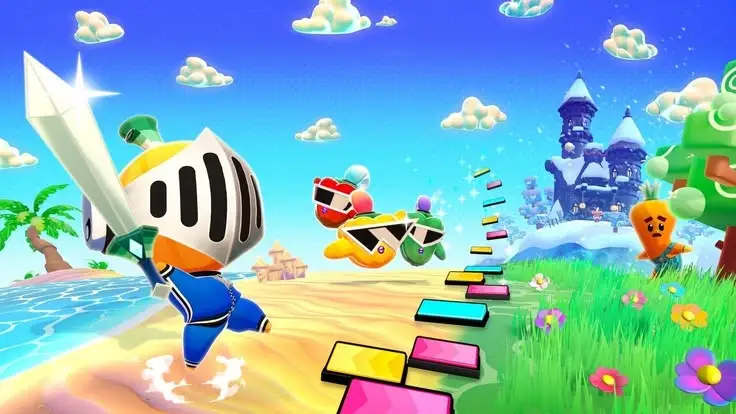
Age-gated multiplayer strategy game for 8–12 with turn-based gameplay, parental-approval friend requests, and zero chat features (COPPA requirement). Built with GameKit for iOS and PlayFab for cross-platform progression. Cognitive skill assessment layer measures spatial reasoning improvement per session.
Why publishers and edtech platforms choose SDLC Corp
These are specific engineering and compliance practices — not generic values statements. Every point reflects what makes our kids game development services different from generalist studios.
Our team has shipped 50+ children’s game titles, covering ages 3–12 across mobile, web, and console. Every project includes a dedicated child UX researcher, an educational curriculum consultant, and a COPPA compliance specialist. Unlike generalist studios that "also do kids games," our team includes a dedicated child UX researcher, an educational curriculum consultant, and a COPPA compliance specialist on every project.
Unity 2022 LTS, Unreal Engine 5, and a custom content-safety middleware layer we built specifically for children's game pipelines. Our VR game development practice extends this to immersive kids experiences, with safety-first design principles built into the default Unity project template we start every kids project from.
We have passed Apple's Kids Category review and Google Play's Designed for Families review on first submission across all 50+ kids titles we have shipped. Competitors who lack this track record routinely require two to four resubmission cycles, adding 8–12 weeks to your launch timeline — costing launch window revenue that a holiday-season kids game cannot recover.
We run a formal child-usability session with 8–12 children from the target age group before QA sign-off — not after launch. Because adult QA testers cannot replicate how a six-year-old approaches an unfamiliar interface, this session consistently surfaces critical UX issues that internal testing never catches. Our Android game development builds receive additional device-diversity testing on the 20 most common tablets in the 5–10 demographic.
Our Clutch profile and GoodFirms listing carry verification from edtech publishers and family entertainment brands — not generic software clients. Since parents research developers before trusting them with children's digital experiences, our review history functions as a trust signal in your own publisher pitch to distributors.
You receive the complete Unity or Unreal project, backend, database schema, and deployment scripts. Because kids game content requires seasonal updates, educational curriculum revisions, and safety-patch deployments on a schedule driven by your editorial calendar — not your vendor's release queue — owning your source code is essential for every kids game development services engagement we deliver.
Frequently asked questions — children’s game development
A full-cycle children's game development project includes age-appropriate game design, 2D or 3D art, Unity or Unreal Engine build, iOS/Android/web client, backend for parental dashboards and progress sync, COPPA-compliant data architecture, child-usability testing, and app store submission packages. Because children's apps require specialist usability testing and content safety review in addition to standard QA, our project scope always includes both.
A standard mobile game for kids on iOS and Android with educational mechanics and parental dashboard takes 14–18 weeks from signed design specification to app store submission. Console builds add 6–8 weeks for platform certification. Apple's Kids Category review adds 2–4 weeks to the standard App Store timeline. We build these contingencies into every project schedule.
A mobile children's game with educational mechanics, parental controls, and iOS/Android builds typically ranges from $40,000–$120,000 depending on art style complexity, platform count, and compliance requirements. COPPA-compliant data architecture and child-usability testing are included in every scope — not optional extras. We provide a line-item quote after the design specification so all costs are transparent before development begins.
COPPA (Children's Online Privacy Protection Act) is a US federal law requiring verifiable parental consent before collecting personal data from children under 13. Violations carry fines of $50,000+ per violation from the FTC. Our architecture ensures no behavioural advertising SDKs, no third-party data sharing, and compliant parental consent flows on every project. We also build for GDPR-K (EU) and FERPA (US schools) where required.
Yes. We have passed Apple's Kids Category review on first submission across all 50+ children's game titles we have shipped. Google's Designed for Families programme requires no third-party advertising SDKs for under-13 users, FamilyLink integration, and binary APK under 200MB. We build toward these requirements from sprint one, not as a final submission checklist.
Yes. We build curriculum-aligned educational game development projects for UK Key Stage, US Common Core, and international IB frameworks. Our team includes an educational curriculum consultant on every edtech project. School deployments are built as WebGL browser applications or managed device apps so they work within school IT restrictions without requiring App Store installs.
Contact Us
Share a few details about your project, and we’ll get back to you soon.
Let's Talk About Your Project
- Free Consultation
- 24/7 Experts Support
- On-Time Delivery
- sales@sdlccorp.com
- +1(510-630-6507)