

Introduction
Casino games may feel random, but the experience is carefully designed. Features like RNG mapping, paytables, RTP, volatility, and bonus rounds work together to shape risk, rewards, and pacing.
Whether you are building a slot, a table game, or a live casino product, these mechanics affect player trust and long-term performance. This guide explains the core ideas in plain language and shows how teams balance fun with fairness.
1) Core Mechanics: The Basics of Game Flow
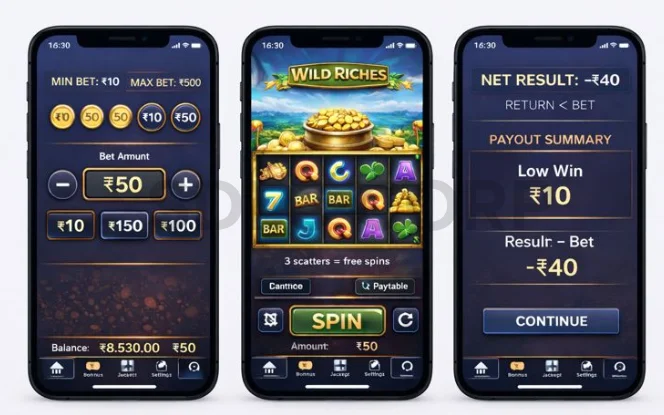
Every casino game follows a simple loop: place a bet, get an outcome, receive a payout, and decide whether to play again. The best games make each step easy to understand.
- Clear bet limits and simple controls
- Easy-to-read rules and paytables
- Visual feedback that matches the result
- Honest labels for low-value wins and bonus triggers
2) Why Risk and Rewards Keep Players Engaged
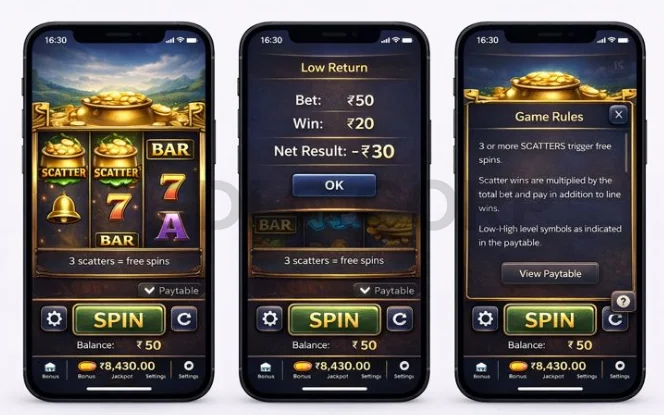
Players stay engaged because outcomes are uncertain. Small wins, near-miss moments, and steady feedback can make a session feel exciting. The key is to use these cues responsibly.
- Show real wins and losses clearly
- Keep spin speed and controls consistent
- Make help, rules, and limits easy to find
3) RTP, Volatility, and Hit Frequency
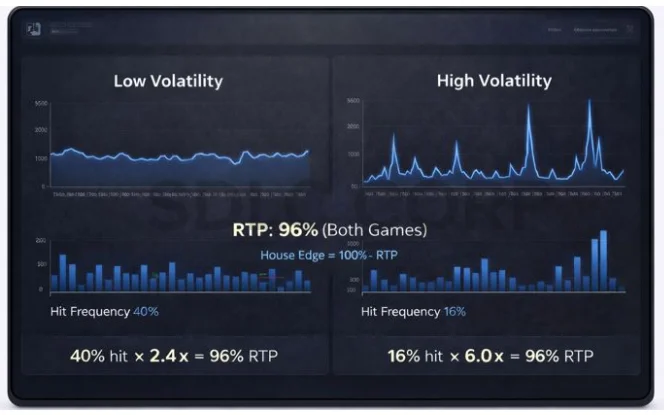
RTP is the expected return over a very long period. Volatility explains how uneven the payouts feel. Hit frequency shows how often any win appears.
- House edge = 100% − RTP
- Two games can share the same RTP but feel very different
- Frequent small wins feel steadier, while rare bigger wins feel riskier
For a deeper look at these terms, read slot volatility and hit frequency.
4) How Progressive Jackpots Work
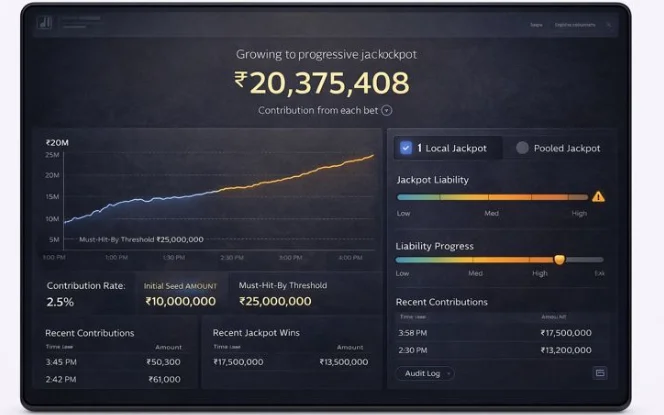
A progressive jackpot grows as a small share of each wager goes into a shared prize pool. When the jackpot hits, it resets to a starting amount.
- Set the contribution rate and seed value early
- Choose whether the jackpot is local or pooled
- Define a clear hit rule, such as random or must-hit-by
- Track contributions and payouts for audits and player disputes
See how progressive jackpots work in slot machines for a more detailed breakdown.
5) Why Bonus Features Matter
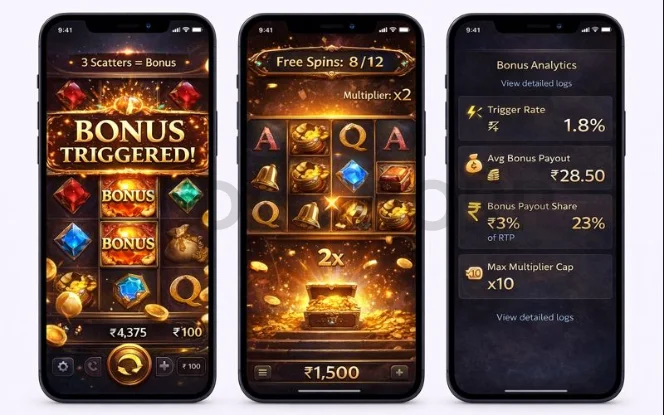
Bonus features add variety and make the base game more memorable. Common examples include free spins, multipliers, wild symbols, and pick-a-prize rounds.
- Track how often bonuses trigger
- Measure the average bonus payout
- Keep bonus rules short and visible
- Cap very large multipliers when needed
6) Responsible Play Tools
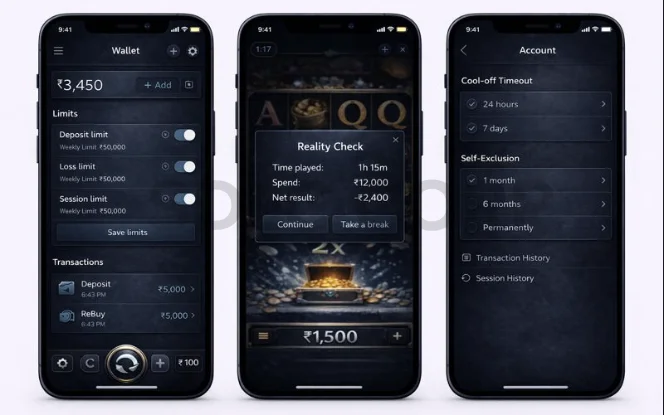
Responsible play tools are not extras. They are a core part of a trusted casino experience.
- Deposit, loss, and session limits
- Reality checks with time and spend summaries
- Cool-off periods and self-exclusion
- Clear wallet and transaction history
These tools work best when they are easy to find, not hidden in menus.
7) How Live Casino Mechanics Work
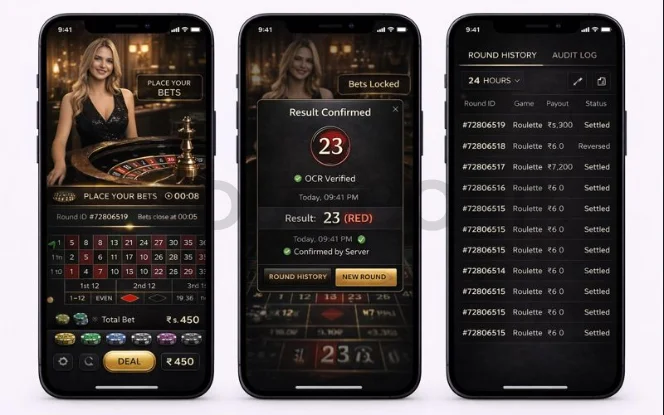
Live casino games add a real dealer and physical outcome, but the platform still handles timing, bets, and settlement. That means trust depends on accurate synchronization.
- Lock bets on time with clear cut-off rules
- Show clear timers and round IDs
- Capture and confirm results accurately
- Keep full round history and audit logs
8) How Teams Tune Games Over Time
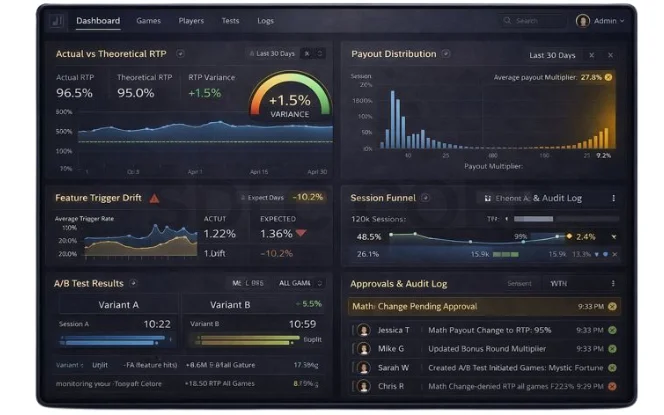
Game tuning should be based on data, not guesswork. Teams need to watch how real players move through a session and whether live results match the expected game model.
- Compare actual RTP with the expected value
- Watch bonus trigger patterns and payout distribution
- Track session length and drop-off points
- Review feature engagement across player groups
9) What Admin Dashboards Should Track
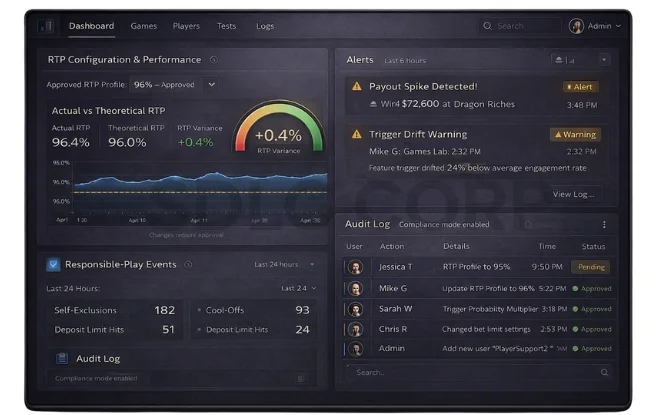
Admin dashboards should support monitoring and compliance, not risky on-the-fly changes. The goal is to spot issues early and keep a clear record of what changed.
- Compare actual and expected performance
- Flag payout spikes or unusual behavior
- Review responsible play events
- Maintain a full audit trail
Conclusion: Balance, Trust, and Long-Term Play
Good casino mechanics are built on balance. RTP and house edge set the long-term math, while volatility, bonuses, and jackpots shape how the game feels in the moment. Clear rules, reliable logs, and responsible play tools help protect that balance.
If you are planning a new product, choosing a reliable white label casino solution can help you launch a platform that feels engaging, compliant, and easy to trust.
FAQs
What Are Casino Game Mechanics?
Casino game mechanics are the rules and systems that control outcomes, payouts, bonus triggers, and player feedback. They include RNG logic, paytables, RTP, volatility, and jackpot rules.
What Is RTP In Casino Games?
RTP is the expected return to players over a very long period of play. It does not predict what will happen in one short session.
What Is House Edge?
House edge is the share the house expects to keep over time. It is the opposite side of RTP. For example, a 96% RTP game has a 4% house edge.
What Is Volatility In Casino Games?
Volatility describes how payouts are spread out. Low volatility usually means smaller, more frequent wins. High volatility means fewer wins but larger spikes.
What Is Hit Frequency?
Hit frequency is how often any win appears. It does not show whether a player is ahead or behind, because many wins can still be small.
How do progressive jackpots work?
A small part of each wager is added to a jackpot pool. When the jackpot is won, the pool resets and starts growing again.
How Do Bonus Features Affect RTP?
Bonus rounds use part of the total RTP budget. Teams model trigger rates and average payouts to make sure the math stays balanced.
Is RTP Fixed?
In many regulated markets, RTP comes from an approved game configuration. Some games support more than one approved setting, but operators cannot change it freely in a live market.
How Is RNG Fairness Checked?
Fairness is tested through technical reviews, simulations, and audits. Independent labs or regulators may also certify that the game behaves as designed over large samples.