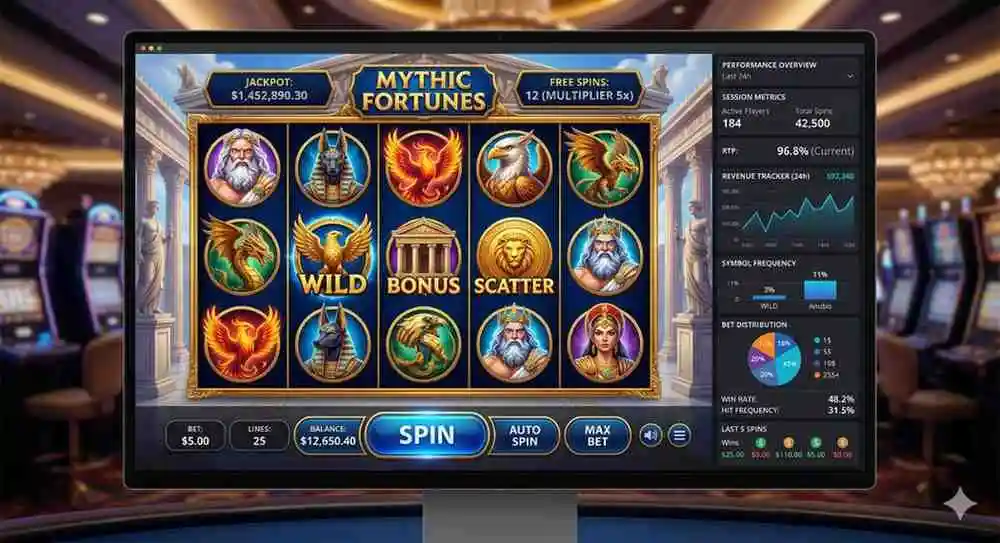

Slot games have evolved from mechanical machines into mobile-first, data-driven products that run across web, app, and cloud environments. That shift has changed how studios design gameplay, choose technology, and keep players engaged over time.
This article explains how slot games adapt to new technologies and platforms, including mobile optimization, AI, blockchain, cloud gaming, and cross-platform delivery. It also outlines what studios and operators should look for when planning a modern slot product.
The Evolution of Slot Games
Slot games started as mechanical reel machines in the late nineteenth century, with simple symbols and fixed payout logic. As electronics improved, developers introduced more features, better visuals, and richer bonus mechanics.
The shift to online gaming in the 1990s changed the category again. Slots moved onto digital platforms, making it easier for studios to test new themes, release faster updates, and expand into global markets. Modern slot products now need to work across browsers, apps, and multiple device types without losing performance or consistency.
That evolution is why modern slot development is no longer only about artwork and reels. It also depends on platform compatibility, live operations, monetization design, and long-term product support.
Key Technologies Shaping Modern Slot Games
Modern slot products are shaped by the technology stack behind them. Studios now need to think about performance, personalization, payment behavior, device compatibility, and content delivery from the earliest planning stages.
The technologies below are having the biggest impact on how slot games are built, distributed, and scaled across today's gaming market.
Mobile-First Slot Design
Mobile gaming has changed player expectations. Slot products now need to work smoothly on smaller screens, support touch-first controls, and keep load times low across a wide range of devices.
A strong mobile-first slot build uses responsive layouts, optimized assets, and simple interaction patterns that still preserve the feel of the original game. Studios also need to balance visual quality with performance so the game remains stable across Android, iOS, and mobile web.
Mobile-first thinking has also influenced feature design. Short sessions, quick-play flows, and simplified interface patterns matter more than they did in older desktop-only slot products.
VR and AR in Slot Gaming
Virtual reality and augmented reality are still emerging in slot gaming, but both create new design possibilities. VR can bring players into a more immersive casino-style environment, while AR can add digital features to physical surroundings and event-based experiences.
For most studios, these technologies are still experimental rather than mainstream. The real opportunity today is not replacing core slot play, but testing immersive layers that make bonus rounds, lobbies, or branded experiences more engaging.
As devices improve and costs come down, VR and AR may become more viable for premium slot products and branded promotional experiences.
Artificial Intelligence and Machine Learning
AI and machine learning are increasingly used to improve personalization, retention, and product tuning in slot games. These tools help teams understand player behavior, session patterns, and feature performance at scale.
Studios can use this insight to improve recommendations, adjust live content strategy, and identify which bonus systems or themes are resonating with specific player groups. Used well, AI can support smarter product decisions without changing the core fairness model of the game.
Machine learning also helps teams spot trends faster, making it easier to improve content planning, segmentation, and long-term release strategy.
Blockchain and Cryptocurrency
Blockchain has introduced new conversations around transparency, ownership, and payment methods in digital gaming. In slot-related products, it is most relevant where operators want provable transaction records, crypto-friendly ecosystems, or branded Web3-style experiences.
Cryptocurrency support can also appeal to player segments that prefer faster or alternative payment methods. That said, blockchain is not a requirement for every slot product. Studios need to assess whether it improves the commercial model, compliance fit, and player experience before building around it.
When used thoughtfully, blockchain and crypto can create differentiated products. When used only as a trend label, they tend to add complexity without improving the core game.
Cloud Gaming
Cloud gaming changes how slot products are delivered and maintained. Instead of relying on heavy local installs, teams can stream or distribute content more efficiently across devices and regions.
For studios, cloud-based delivery can simplify updates, improve scalability during traffic spikes, and support wider device access. It also helps teams manage content pipelines and live releases with more flexibility.
Cloud delivery matters most when the product strategy depends on fast rollout, cross-device continuity, or high-performance content without heavy local downloads.

Cross-Platform Slot Experiences
Players increasingly expect their games to work across desktop, mobile web, apps, and tablets without friction. Cross-platform slot delivery is now a product expectation, not a bonus feature.
That means studios need shared logic, synchronized player data where appropriate, and consistent user experience across device types. Strong cross-platform delivery helps reduce churn, extend session value, and make acquisition spend work harder.
For operators and studios, cross-platform compatibility also increases audience reach. A slot product that performs well across environments is easier to scale, test, and commercialize.
What Studios Need from a Slot Development Partner
New technologies only create value when a studio can turn them into a reliable product. That is where the right slot development partner matters most.
A strong partner should be able to connect product strategy, game logic, art, engineering, testing, and launch planning into one delivery flow. They should also understand how technology choices affect player retention, monetization, compliance expectations, and long-term maintenance.
Whether the goal is a mobile-first slot, a cross-platform product, or a feature-rich branded release, studios need a team that can translate new technology into a game that performs in the market.
Planning a New Slot Release?
Get a team that connects product strategy, math design, engineering, and launch support into one delivery flow.
Talk to Our TeamThe Future of Slot Game Development
The next phase of slot development will be shaped by faster networks, smarter personalization, better cross-device continuity, and more flexible payment ecosystems. Studios that can adapt quickly will be better positioned to keep players engaged and release products that stay commercially relevant.
AI, cloud delivery, crypto-friendly payment models, and immersive content layers will not matter equally in every market. The studios that win will be the ones that apply the right technologies to the right product goals, rather than chasing every trend at once.
The future of slot game development is not about novelty alone. It is about building products that are stable, scalable, engaging, and suited to the platforms where players already spend their time.
Conclusion
Slot games continue to evolve because the platforms around them keep changing. Mobile-first design, AI-led personalization, cloud delivery, blockchain use cases, and cross-platform play are all reshaping how studios build and scale modern slot products.
For operators and game studios, the opportunity is clear: use new technology to improve accessibility, engagement, and long-term product value without losing sight of performance, fairness, and player experience.
Teams planning a new release can also explore our slot app development services to see how these platform and technology choices translate into production-ready slot products.
Slot Game Development FAQs
How has slot game development changed in recent years?
Slot development has shifted from desktop-only reel machines to mobile-first, cross-platform products built for cloud delivery, personalization, and faster live-content updates.
Is blockchain necessary for a modern slot game?
No. Blockchain is useful for provable transaction records or crypto-friendly ecosystems, but it should be added only when it improves the commercial model, compliance fit, or player experience, not as a trend label.
How important is mobile-first design for slot games?
Very. Most player traffic now comes from mobile and mobile web, so responsive layouts, touch-first controls, and fast load times are baseline requirements, not optional extras.
Can AI change how a slot game's math model works?
AI is typically used for personalization, retention, and content tuning around the game, not for altering the core RNG or fairness model, which should remain independently verifiable.
What does cross-platform slot delivery actually require?
It requires shared game logic, synchronized player data where appropriate, and a consistent experience across desktop, mobile web, apps, and tablets, so players can move between devices without friction.
What should studios look for in a slot development partner?
A partner who connects product strategy, math design, art, engineering, testing, and launch planning into one delivery flow, with a clear understanding of retention, monetization, and compliance impact.