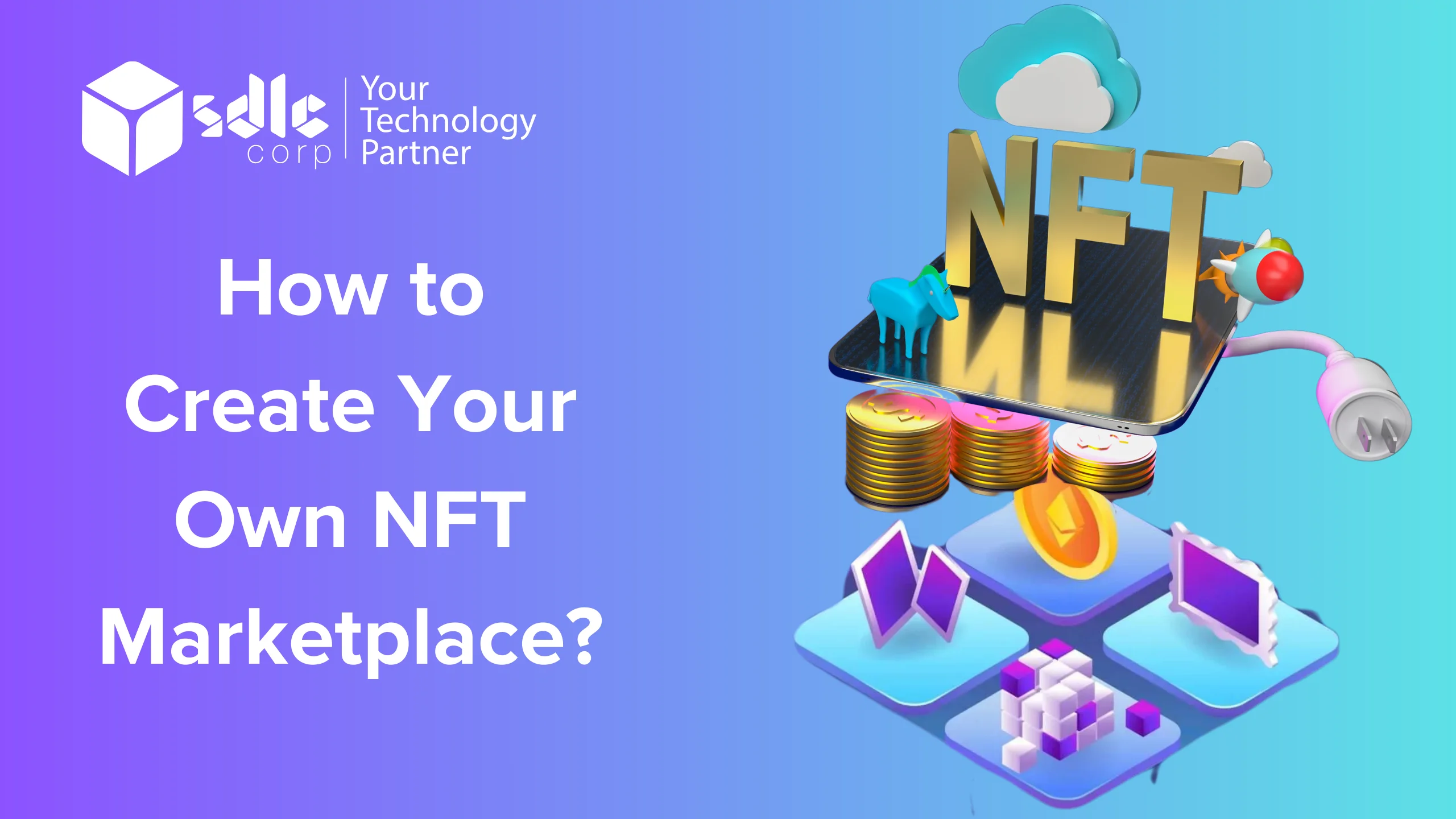
The rise of NFTs (Non-Fungible Tokens) has transformed the way digital assets are bought, sold, and owned. From art and music to gaming assets and virtual real estate, NFTs have created a multi-billion-dollar industry that continues to grow. While platforms like OpenSea and Rarible dominate the market, businesses and creators are now looking to develop their own NFT trading platforms to gain greater control, branding, and monetization opportunities. If you’re wondering how to build an NFT marketplace, this guide will walk you through the entire development process—from choosing the right blockchain to integrating smart contracts and optimizing for user experience. For businesses looking to launch a secure and scalable NFT marketplace, NFT marketplace development services can provide the right expertise to create a customized, user-friendly platform. Let’s dive in! 🚀
1️⃣ What is an NFT Marketplace?
An NFT marketplace is a decentralized platform where users can: ✔ Mint NFTs (convert digital assets into blockchain-based tokens). ✔ Buy and sell NFTs through cryptocurrency transactions. ✔ List, trade, and auction NFTs with smart contract automation. Unlike third-party platforms, businesses opting for a custom-built NFT marketplace have the advantage of tailored features, lower fees, and complete control over transactions.2️⃣ Choosing the Right Blockchain for Your NFT Marketplace
The blockchain network you choose affects transaction speed, security, and cost-efficiency. Some of the most popular options include:🔹 Ethereum
✔ Industry leader for NFT projects ✔ Supports ERC-721 & ERC-1155 token standards ✔ Strong developer community ⚠ Downside: High gas fees during peak congestion.🔹 Binance Smart Chain (BSC)
✔ Lower transaction costs ✔ Faster speeds compared to Ethereum ✔ Easy integration with Ethereum-based NFTs ⚠ Downside: Less decentralized than Ethereum.🔹 Solana
✔ Extremely low fees ✔ Handles up to 65,000 transactions per second ✔ Growing ecosystem for NFT projects ⚠ Downside: Fewer NFT marketplaces compared to Ethereum. Choosing the right blockchain is essential to ensure scalability, cost efficiency, and security for your marketplace.3️⃣ Essential Features of a Custom NFT Marketplace
To compete with existing marketplaces, your platform should include: ✅ User Registration & Wallet Integration – Support for MetaMask, Trust Wallet, and Coinbase Wallet. ✅ NFT Minting & Listing – Enable creators to upload digital files, set prices, and define auction terms. ✅ Advanced Search & Filters – Help users find NFTs by category, creator, or price range. ✅ Auction & Bidding System – Support both fixed-price and auction-based sales. ✅ Smart Contract Automation – Ensure secure transactions, royalties, and NFT transfers. ✅ Security & Transaction History – Maintain transparency with blockchain-based records. A well-designed NFT marketplace platform enhances user engagement and credibility, making it easier to attract creators and collectors.4️⃣ Smart Contract Development for NFTs
🔹 What Are Smart Contracts?
Smart contracts are self-executing blockchain protocols that handle: ✔ NFT minting & verification ✔ Automated payments & royalties ✔ Ownership transfers & dispute resolution🔹 Choosing the Right Token Standard
For Ethereum & Polygon:- ERC-721 (For unique NFTs)
- ERC-1155 (For multi-use NFTs)
- BEP-721 & BEP-1155 (Ethereum-compatible)
- Metaplex Standard