PlayStation Game Spotlight
Introduction: A New Era in Gaming
PlayStation. A name that resonates deeply with gamers worldwide. Since its arrival in 1994, Sony’s console family has delivered cutting-edge hardware and a universe of experiences that stand out. Its flagship titles, many of which first built their reputation on PlayStation, have helped define the platform’s legacy. These are not just games. They are stories, experiences, and moments etched in the minds of players.
PlayStation’s most recognisable titles also reflect the innovation happening in console game development. Sony’s collaborations with leading studios show how strong creative direction and modern console game development services can bring ambitious worlds, believable characters, and polished mechanics to life.
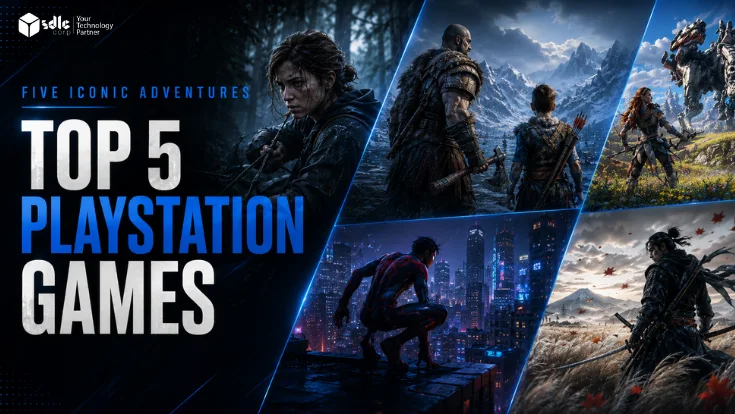
Let’s explore five games that built their reputation through PlayStation and helped push console game development forward.
Availability note: Several titles on this list are also available on PC. They remain included because they first became closely associated with PlayStation and helped shape its modern catalogue.
Naughty Dog · 2020
The Last of Us Part II
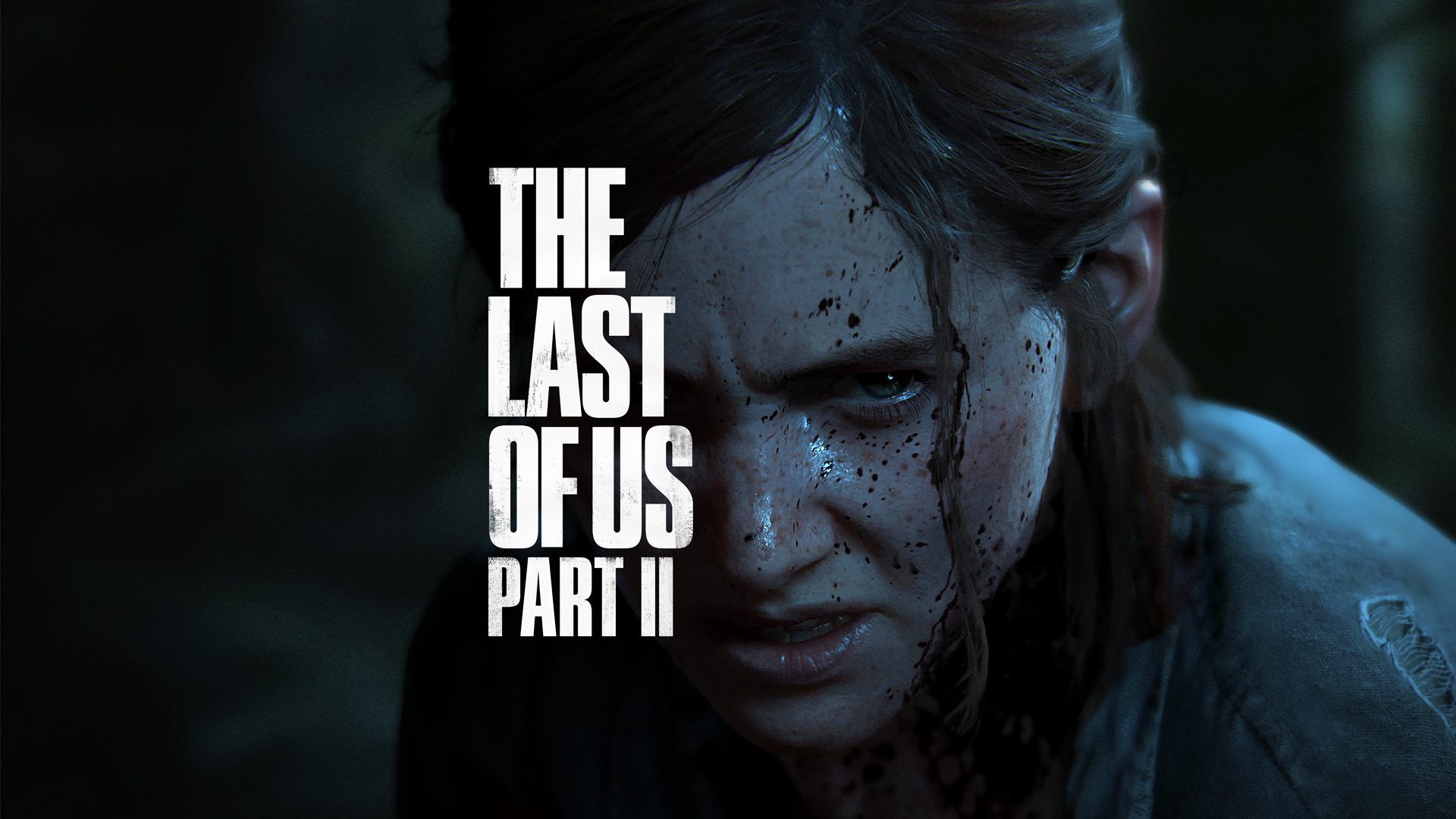
In a world where storytelling meets survival horror, The Last of Us Part II emerges as a masterpiece. Developed by Naughty Dog, a studio renowned for narrative-driven games, the title pushes emotional and technical limits through its performances, environments, and combat.
Plot and Gameplay
The world of Ellie and Joel is dark, brutal, and unforgiving. Picking up after the first instalment, the story returns to a post-apocalyptic society threatened not only by infected humans, but also by the fragility of human morality. Ellie’s journey of revenge is raw, intimate, and deeply personal. The game presents moral complexities that make players question the cost of every decision.
Its refined mechanics create realistic environments, lifelike character animations, and fluid combat sequences. Every detail, from Ellie’s subtle expressions to the violence of close encounters, shows the level of care that experienced console development experts bring to performance, animation, sound, and gameplay systems.
Why It Stands Out
Naughty Dog is closely connected to the PlayStation ecosystem and originally built the game around PlayStation hardware. The result is an experience that does more than tell a story: it uses animation, environmental detail, sound, and player control to pull the audience into Ellie’s world.
Critical Reception
From its striking narrative to its meticulous attention to detail, The Last of Us Part II earned numerous Game of the Year awards. It remains one of PlayStation’s most discussed releases because of its performances, accessibility features, technical polish, and willingness to explore difficult themes.
Santa Monica Studio · 2018
God of War (2018)
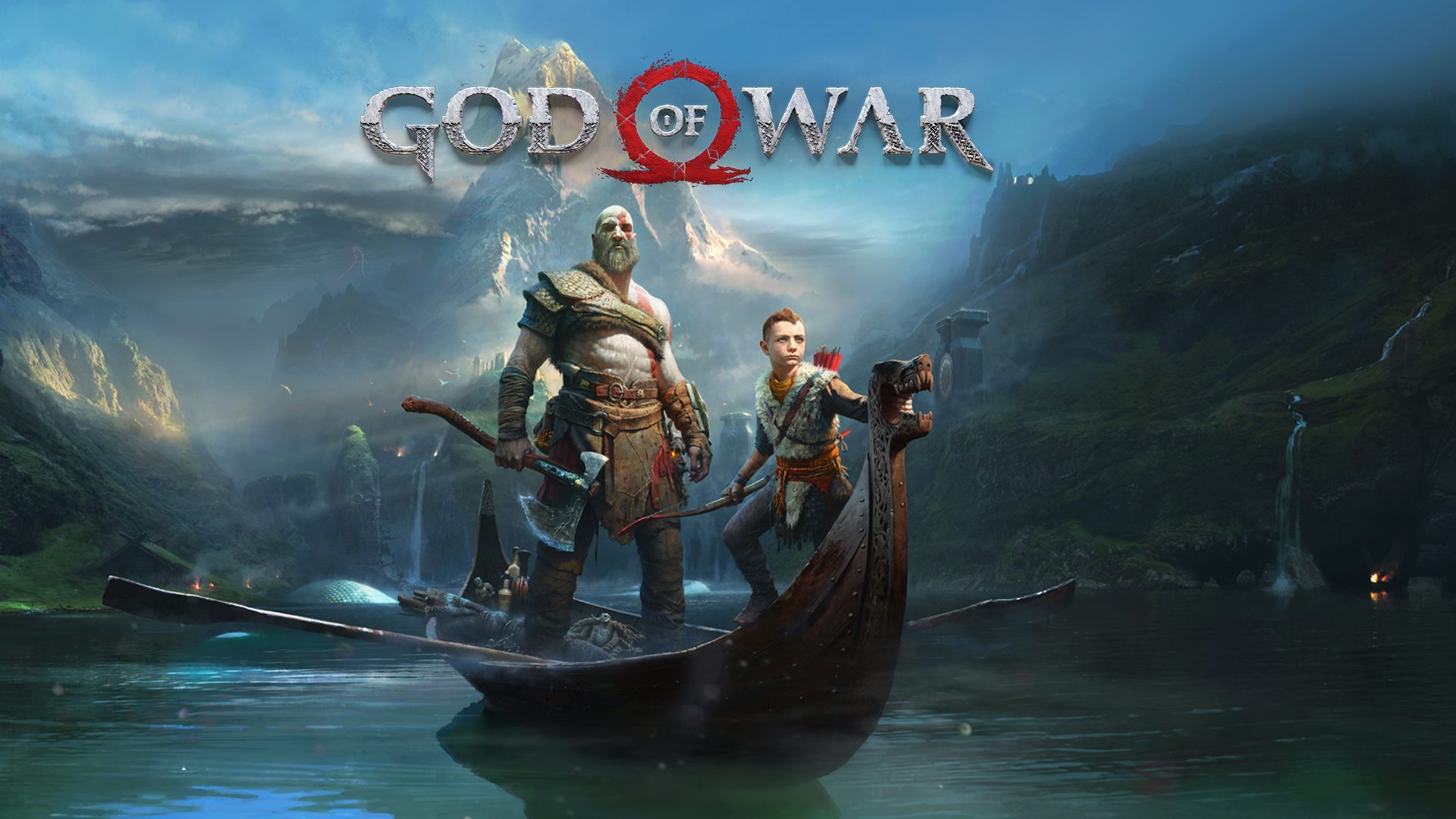
In 2018, God of War did not simply revive a franchise. It reinvented it. Kratos, once known as the rage-fuelled Spartan demigod, returns as a father carrying the weight of his past. The game takes action-adventure design to new heights without losing the scale and intensity of the original series.
Storyline and Gameplay
Gone are the Greek gods. Kratos now lives in the world of Norse mythology with his son Atreus by his side. His former mindless fury has been replaced by contemplation, restraint, and a father’s protectiveness. The relationship between Kratos and Atreus becomes the heart of a journey about fatherhood, loss, responsibility, and redemption.
The intense combat, deep exploration, and continuous-camera presentation create a seamless experience. The Leviathan Axe gives every encounter physical weight, while puzzles, optional paths, upgrades, and quieter conversations control the pace between major battles.
What Makes It Stand Out
Built initially around PlayStation hardware, God of War combines technical confidence with a clear creative purpose. Santa Monica Studio redesigned its combat, camera, progression, and storytelling together rather than treating the reinvention as a simple visual update.
Critical Reception
Winning multiple Game of the Year awards, God of War redefined Kratos and set new standards for modern action games. Its success shows how first-party game development companies can modernise an established franchise while preserving the identity that made it successful.
Insomniac Games · 2020
Marvel’s Spider-Man Remastered
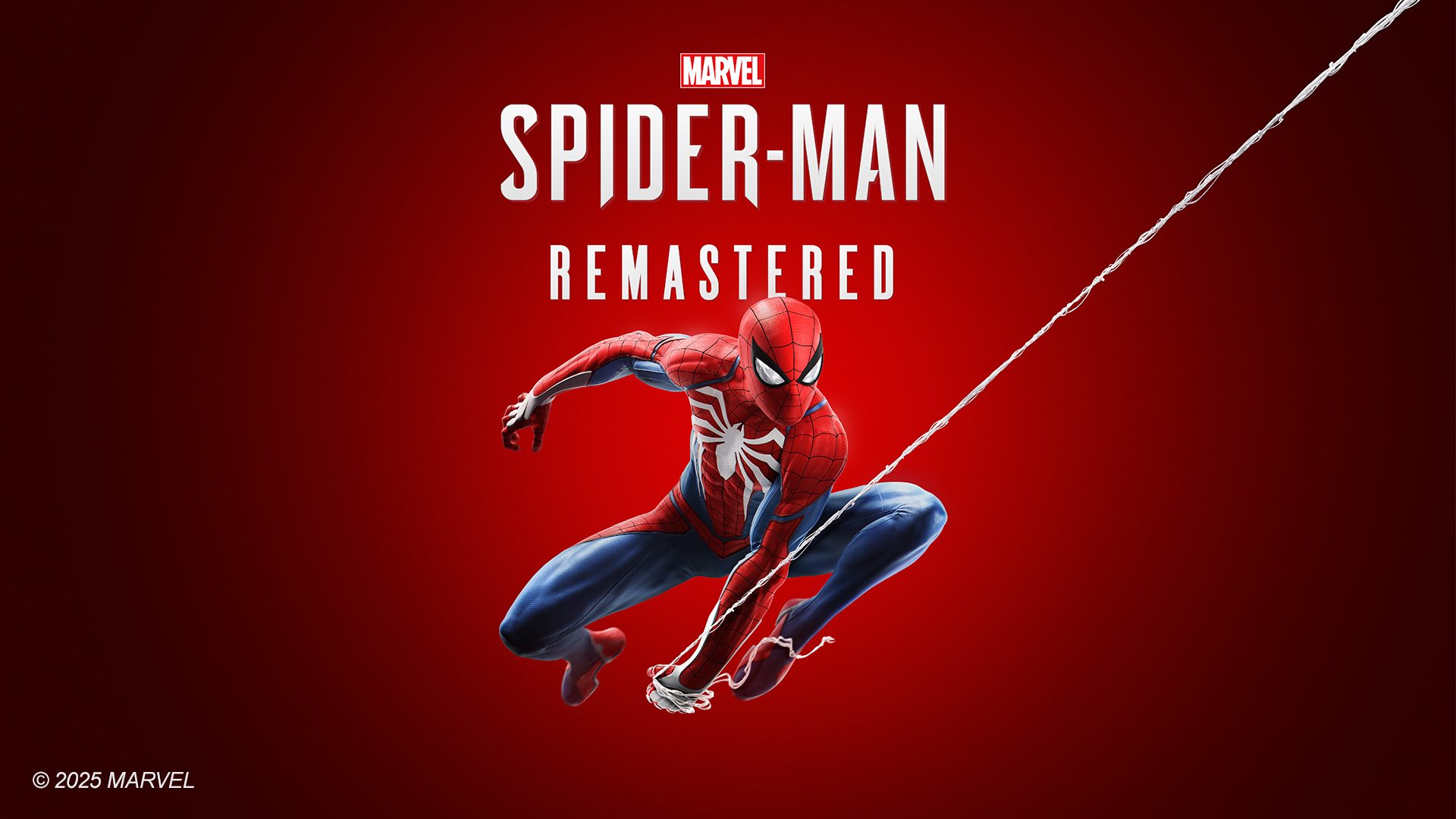
There is something inherently joyful about swinging between skyscrapers as Spider-Man. Insomniac’s Marvel’s Spider-Man offers much more than movement alone. It delivers a confident superhero story, responsive combat, and one of the most enjoyable traversal systems in an open-world game.
Narrative and Game Mechanics
In this original story, Peter Parker is eight years into his career as Spider-Man. He is older and more experienced, but his life is still shaped by the struggle to balance heroism, work, friendships, and personal responsibility. The plot brings together familiar villains and new threats while giving Peter’s relationships enough space to carry genuine emotional weight.
The web-swinging mechanics are the defining achievement. Traversing New York feels smooth, fast, and exhilarating. Wall-running, aerial movement, point launches, gadgets, dodges, and environmental attacks make both travel and combat feel expressive rather than automatic.
Why It Stands Out
Insomniac Games created a superhero experience where simply moving through the city is rewarding. The remastered edition strengthens the original foundation with improved visuals, faster loading, performance options, and the complete City That Never Sleeps story content.
Critical Reception
Marvel’s Spider-Man became one of the most recognisable modern PlayStation releases. It was widely praised for its traversal, combat, character writing, and lively interpretation of Manhattan, while also establishing the foundation for Insomniac’s wider Spider-Man series.
Console Game Development
Build a Console Experience Players Remember
Turn your game concept into responsive controls, scalable systems, and a polished platform-ready experience with SDLC Corp.
Sucker Punch Productions · 2020
Ghost of Tsushima
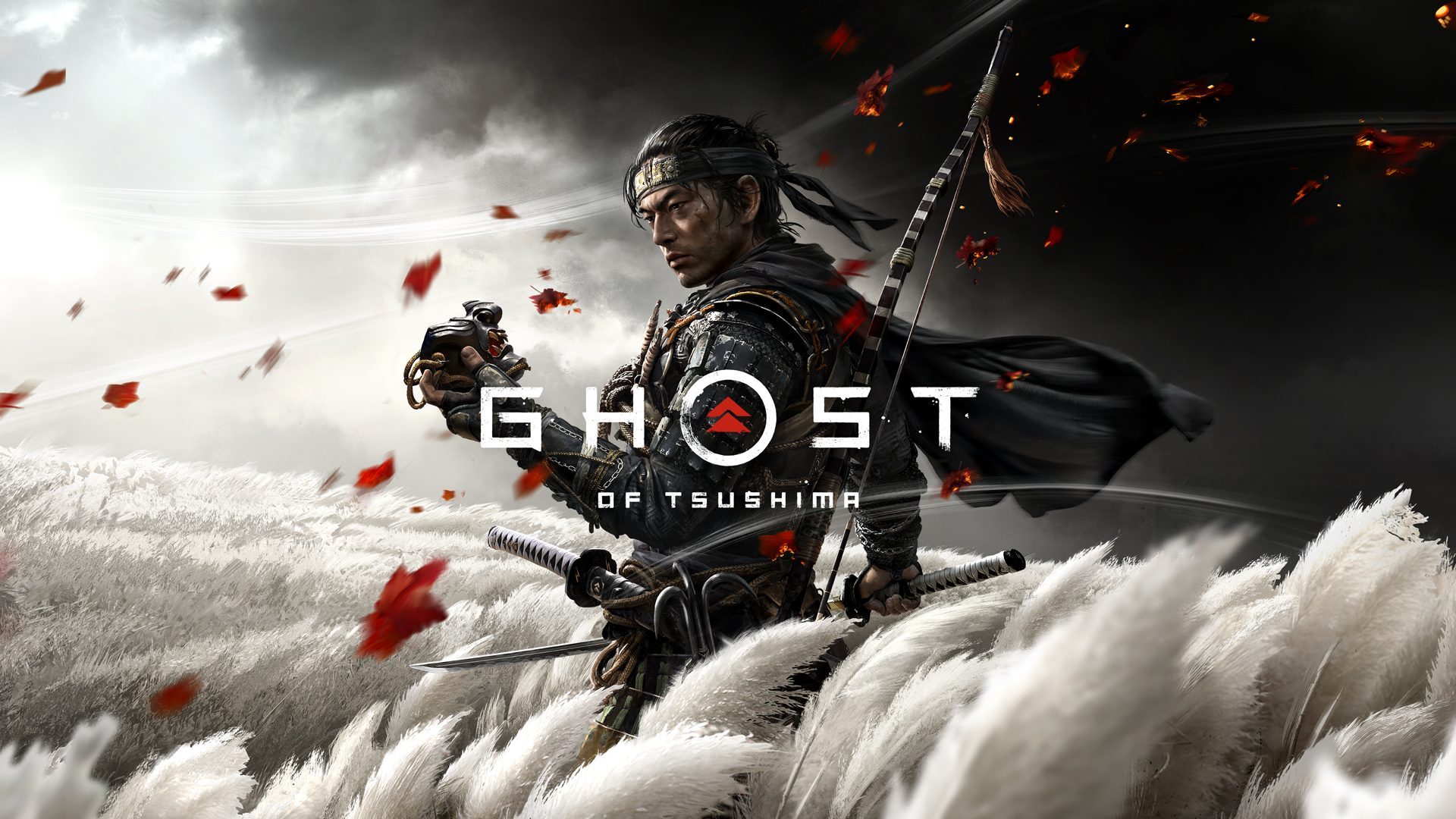
Ghost of Tsushima combines cinematic samurai combat with one of PlayStation’s most visually distinctive open worlds. Developed by Sucker Punch Productions, it follows Jin Sakai as he fights to protect Tsushima during the Mongol invasion.
Story and Gameplay
Jin begins as a samurai guided by honour and tradition. As the invasion overwhelms the island, he must choose between following the rules he was taught and using unconventional tactics to save his people. That conflict between the samurai and the emerging Ghost shapes both the story and the player’s approach to combat.
Sword fighting is built around timing, parries, dodges, and combat stances suited to different enemies. Players can also use stealth, archery, tools, and distractions. Wind, wildlife, smoke, and environmental landmarks guide exploration without filling the screen with unnecessary interface elements.
Why It Stands Out
The game’s art direction turns fields, forests, coastlines, storms, and changing light into part of the experience. Its restrained interface and guiding-wind system keep the island visually central, while cinematic duels and flexible combat give the game a clear identity.
Critical Reception
Ghost of Tsushima was praised for its visual direction, combat, music, and cinematic influences. The Director’s Cut later expanded the experience with Iki Island, technical enhancements, and additional PlayStation 5 features.
Guerrilla Games · 2017
Horizon Zero Dawn
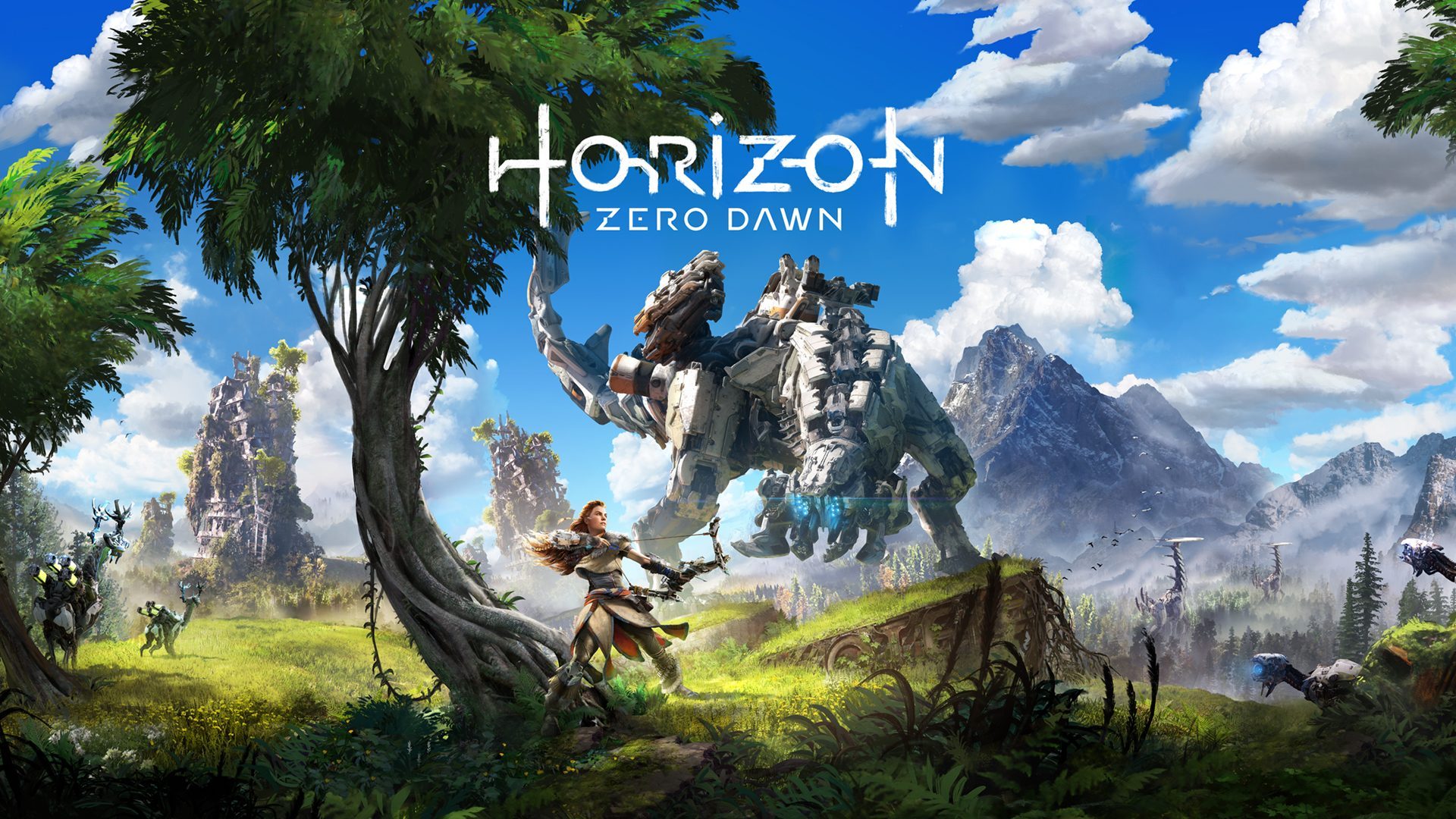
Developed by Guerrilla Games, Horizon Zero Dawn is a bold open-world adventure that blends tribal cultures with futuristic robotic creatures. Its landscape, machine designs, mystery, and tactical combat helped establish a new PlayStation franchise.
Game Experience
Players control Aloy, a young hunter and outcast, in a world where giant robotic creatures roam the land. The game combines exploration, combat, and storytelling as Aloy searches for answers about her past and the ancient events that reshaped the world.
Combat rewards preparation and observation. Aloy can scan machines, identify weak points, remove components, place traps, use elemental ammunition, and choose weapons suited to each encounter. Dynamic weather, wildlife, settlements, ruins, and machine behaviour give the open world a strong sense of variety.
Unique Advantages
Originally launched as a flagship PlayStation title, Horizon Zero Dawn demonstrates how a clear visual concept can support gameplay. The machines are not simply impressive designs. Their movement, elemental strengths, weak points, and detachable components create tactical possibilities during every hunt.
Critical Reception
Widely praised for its innovative design, compelling story, machine combat, and striking visuals, Horizon Zero Dawn became one of PlayStation’s most important new properties. Its success led to an expansion, sequels, and a remastered edition for newer hardware.
Conclusion
Why These PlayStation Games Still Matter
PlayStation’s legacy is closely connected to collaborations between Sony and some of the world’s strongest game studios. From the emotionally charged narrative of The Last of Us Part II to the mechanical creativity of Horizon Zero Dawn, these games show how storytelling, art direction, performance, combat, exploration, and technical polish can work together.
The five titles also represent very different experiences: survival drama, mythological action, superhero movement, samurai adventure, and tactical machine hunting. Some have since expanded to PC, but each built a major part of its reputation through PlayStation and remains strongly associated with the platform’s modern catalogue.
Start Your Project
Planning Your Own Console Game?
Discuss your gameplay systems, platform requirements, development scope, and long-term product goals with the SDLC Corp team.