Netherlands Gambling Law and Regulatory Framework
Dutch gambling is governed by national law that defines which games are permitted, how they may be offered, and what safeguards operators must put in place. Netherlands gaming law covers both land-based and online gambling, with tighter controls for remote play.
Legal Basis of Dutch Gambling Regulation
The law separates games of chance from skill-based or promotional activities. Games where chance — not skill — determines the outcome fall under Netherlands gambling law and need strict compliance controls.
Risk-Based Regulatory Approach
Dutch online gambling regulation uses a risk-based model. Higher-risk products such as online casino games and sports betting face stronger player-protection rules, tighter AML requirements, and more reporting obligations.
Role of the Dutch Gambling Regulator (KSA)
First, it helps to understand who is in charge. The Kansspelautoriteit (KSA) oversees the entire Dutch gambling market. Specifically, it operates independently under the Ministry of Justice and Security.
- Supervises all licensed gambling operators
- Monitors compliance with Dutch gambling laws
- Enforces player-protection, AML, and operational standards
Need expert guidance on KSA compliance requirements?
Speak With a Netherlands Gambling Law Expert →▶ Section 2
What Activities Fall Under the Netherlands Gaming License
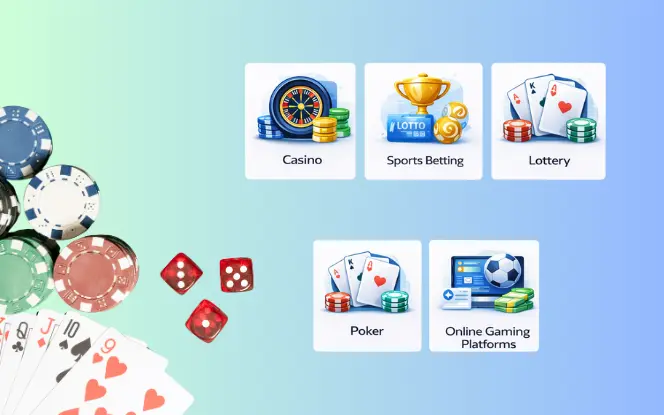
In short, correct classification of gambling activities is a core compliance requirement. A game is treated as a game of chance when luck — not skill — decides the outcome. This classification matters because it determines which rules apply. This determines whether Netherlands gaming license rules apply.
Activities typically subject to Netherlands online gambling compliance include:
- Online casino games including slots and table games — see our casino game development services
- Betting on sporting events and outcomes
- Certain peer-to-peer formats and bingo
For more on sports betting rules in the Netherlands, read our Netherlands sports betting guide.
▶ Section 3
Core Compliance Requirements for License Holders
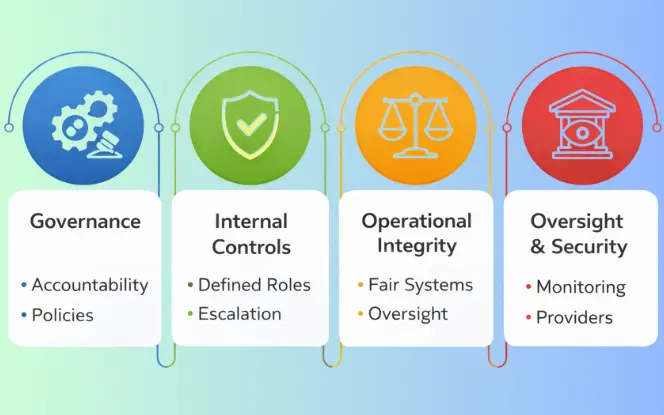
Netherlands gambling compliance requirements cover governance, operations, and internal controls. See also our guide on compliance by design for iGaming platforms.
Governance and Internal Controls
- Clear management accountability at all levels
- Defined compliance roles and escalation processes
- Documented internal policies and procedures
Operational and Integrity Standards
- Fair and transparent gaming systems
- Integrity of betting markets
- Oversight of any outsourced service providers
Our team can help you build and maintain your compliance framework.
Get Help From Our Expert Team →▶ Section 4
AML and KYC Obligations in the Netherlands Gambling Market
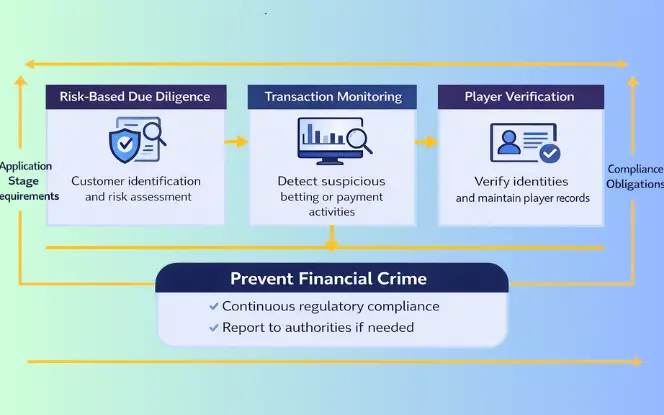
Preventing financial crime is also central to Netherlands gambling compliance. Licensed operators must implement strong AML and KYC controls to verify player identities, monitor transactions, and detect suspicious activity.
Anti-Money Laundering Requirements
- Risk-based customer due diligence
- Continuous transaction monitoring
- Detection of unusual betting or payment patterns
KYC and Player Verification
- Verify player identities before participation
- Maintain accurate and up-to-date customer records
- Apply enhanced checks for high-risk players
▶ Section 5
Responsible Gambling and Duty of Care
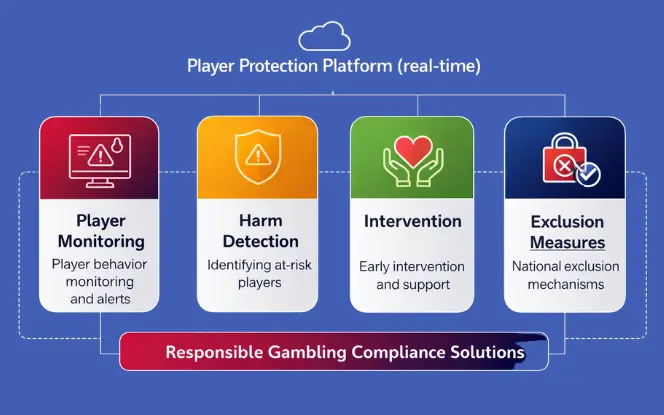
Responsible gambling is a legal requirement under Netherlands gambling compliance rules — not an optional add-on. Operators must monitor player behaviour, spot signs of harmful play, and act quickly to prevent damage. Read more on responsible gaming controls for gambling apps.
Player Monitoring and Intervention
- Monitor player behaviour on an ongoing basis
- Identify signs of excessive or harmful play
- Intervene early when risks are detected
Player Protection Measures
- Implement deposit limits, session controls, and cooling-off tools
- Restrict access for at-risk or self-excluded individuals
- Support national exclusion mechanisms
▶ Section 6
Advertising, Marketing, and Player Communication Rules
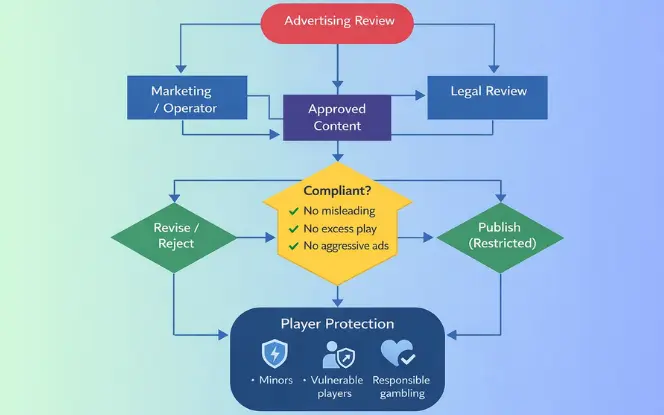
Netherlands gambling advertising rules are strict. Advertising is allowed, but all communications must be factual and must not encourage excessive play. Specifically, all marketing must be factual, proportionate, and must not encourage excessive play or mislead players.
What Advertising Rules Prohibit
- Misleading claims about winning chances or expected returns
- Content that encourages excessive or impulsive play
- Aggressive or intrusive promotions
Protection of Vulnerable Groups
- Never target minors or vulnerable individuals
- Keep all messaging factual and proportionate
- Support responsible gambling objectives in all communications
Unsure whether your marketing meets KSA standards?
Ask Our Compliance Team →▶ Section 7
Technical, Data Protection, and IT Compliance
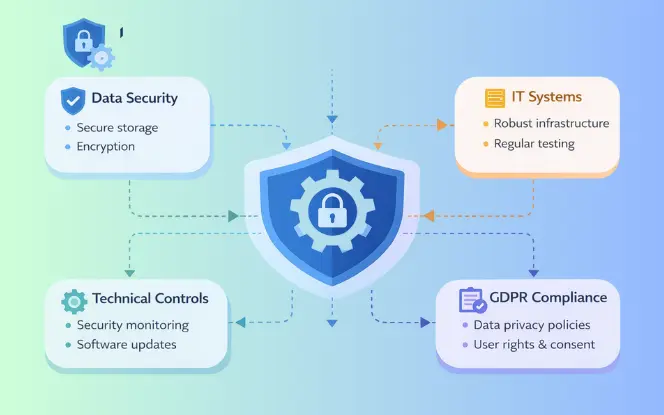
Finally, IT and data security requirements are a mandatory part of Dutch gambling compliance. In practice, operators must keep their systems secure, protect player data under GDPR, and handle transactions safely. See also our guidance on user data security in gambling apps.
Gaming System and IT Security
- Maintain secure and auditable gaming systems
- Protect against manipulation, hacking, or data breaches
- Carry out ongoing system monitoring and vulnerability checks
GDPR and Data Protection
- Process personal data lawfully and transparently
- Apply secure storage and strict access controls
- Comply with GDPR standards throughout operations
▶ Section 8
Ongoing Compliance, Monitoring, and Reporting
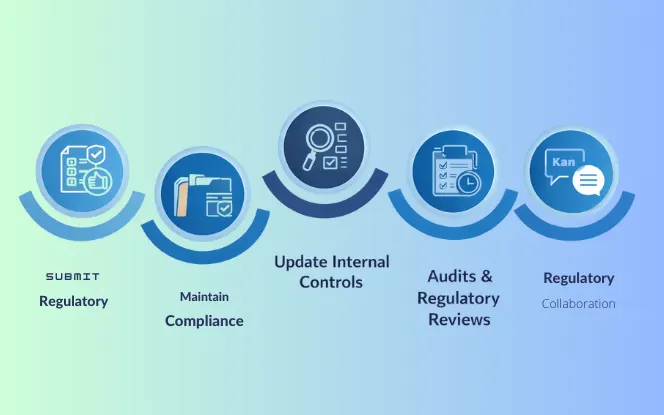
Netherlands gambling compliance does not stop when you launch. Operators must submit regular regulatory reports, keep documentation current, and update their internal controls as regulations change. This means cooperation with KSA audits is not optional — it is a condition of holding the license.
- Weak AML or transaction monitoring systems
- Insufficient responsible gambling interventions
- Non-compliant advertising practices
- Failure to update internal policies after regulatory changes
Netherlands Gambling Compliance Checklist
- Correct classification of all gambling activities offered
- Fully implemented AML and KYC systems
- Active duty-of-care and player protection tools
- Advertising aligned with KSA rules
- GDPR-compliant data handling and storage
- Ongoing monitoring, reporting, and audit readiness
Summary: Netherlands Gaming License at a Glance
| Aspect | Details |
|---|---|
| Regulator | Kansspelautoriteit (KSA) |
| Legal Basis | Remote Gambling Act Netherlands |
| License Validity | 5 Years |
| Application Fee | €61,300 (as of 1 April 2026 — confirm current KSA schedule) |
| Tax Rate | 37.8% on Gross Gaming Revenue (as of 1 January 2026 — confirm current position) |
| Key Compliance Areas | AML/KYC, responsible gambling, advertising, IT security, GDPR, monitoring and reporting |
| Renewal | Compliance confirmation and audit readiness required throughout the license term |
Conclusion
In summary, holding a Dutch gambling license means accepting a permanent compliance obligation. The KSA does not just check operators at the point of approval — it monitors them continuously throughout the license term.
Overall, operators who build compliance into their daily operations — rather than treating it as a one-off approval exercise — are in a much stronger position to retain market access, avoid enforcement action, and scale their business in the Netherlands.
If you are building or operating a licensed platform, explore SDLC Corp's iGaming software development services and online casino software built with compliance-ready architecture.
Compare the Netherlands with other licensing jurisdictions — read our guides on the Isle of Man gaming license and the Curaçao iGaming license to find the right fit for your business model.
Ready to build a compliant iGaming platform for the Dutch market?
Request a Free Eligibility Assessment →Frequently Asked Questions
What is the Netherlands gaming license?
Who is the Dutch gambling regulator?
What is the Remote Gambling Act Netherlands?
Can EU operators apply for a Netherlands gaming license?
How long is the Netherlands gaming license valid?
What are the most common compliance failures in the Netherlands?
Does getting a Netherlands license guarantee ongoing compliance?