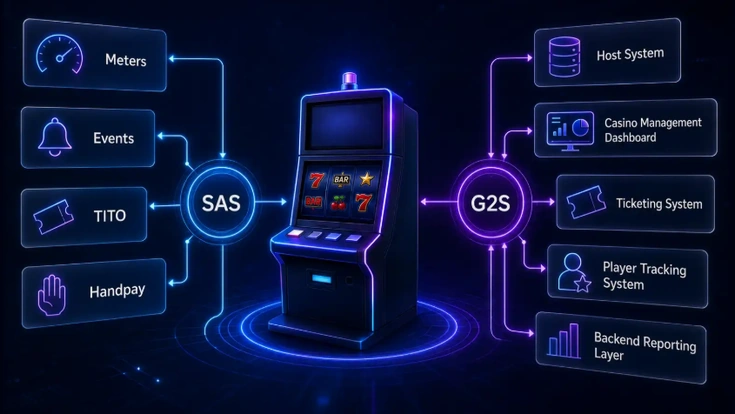

Philippines online iGaming can grow strongly through 2030, but growth will depend on trust, not just traffic. Players lose confidence when deposits fail, KYC feels confusing, or withdrawals take too long. Operators need systems that can handle payment changes, regulation shifts, and risk checks without breaking the user experience. That means building strong payment routing, reconciliation, step-up KYC, clear limits, and audit-ready logs from the start.
Key Takeaways
- Philippines iGaming growth depends on trust, not only traffic.
- Deposits, withdrawals, KYC, and limits must work smoothly because these are the moments where players lose confidence.
- Build payment routing, idempotency, reconciliation, and audit logs early to avoid duplicate credits, failed deposits, and support overload.
- Use step-up KYC so low-risk users are not blocked too early, but higher-risk activity still gets checked.
Why the Philippines iGaming Market Is Entering a Critical Growth Window
Online iGaming in the Philippines can grow fast. However, it can also tighten fast. Because adoption is rising, many operators think “more users” is the only goal. Yet the bigger risk is “more users without trust.” So, you should treat compliance and control as product work, not legal paperwork. If you want a wider view of what operators usually underestimate (rules, reporting, affiliates, evidence), see Regulatory Compliance Challenges in the iGaming Industry.
For example, Kadence reports that 27% of traditional gamblers avoid online betting because they don’t trust digital platforms. Meanwhile, research on unregulated use shows a confidence gap: 39% skeptical about fairness vs 27% confident. So, scaling in 2026–2030 is not only a marketing problem. Instead, it is a systems problem. Because the Philippines also faces regulatory pressure, you should plan for multiple outcomes. Therefore, this article focuses on what you can control: architecture, controls, and operating discipline.
Key Philippines iGaming Regulation and Market Changes from 2026 to 2030
What likely changes
Regulatory debate stays active. Because ban proposals exist, you should treat “policy change” as a normal scenario, not a rare event. Payment rails remain a control point. For example, the BSP Memorandum No. M-2025-029, which approved the suspension of in-app gambling access in mobile payment apps and websites. So, even if your product stays legal, your deposit UX can change overnight. Responsible gaming expectations increase. Because public concern rises when harm stories rise, you will likely face stricter limits and clearer enforcement.
What likely stays stable
Demand remains strong. Reuters reported record 2024 GGR figures and projected further growth in 2025, driven by electronic gaming and integrated resorts. So, the appetite is there. Operators still win by reducing friction. However, you must reduce friction without removing controls.
Philippines Gross Gaming Revenue and Market Growth Explained
You will see different 2024 GGR figures depending on what’s counted. For example, PAGCOR published a 2024 record ₱372.33B GGR figure and noted it does not include offshore gaming revenues. Meanwhile, other official statements and reports cite ~ ₱ 410.5B for 2024. So, define your metric in your reporting. Then keep it consistent.
Why the Philippines iGaming Trust Gap Affects Deposits First
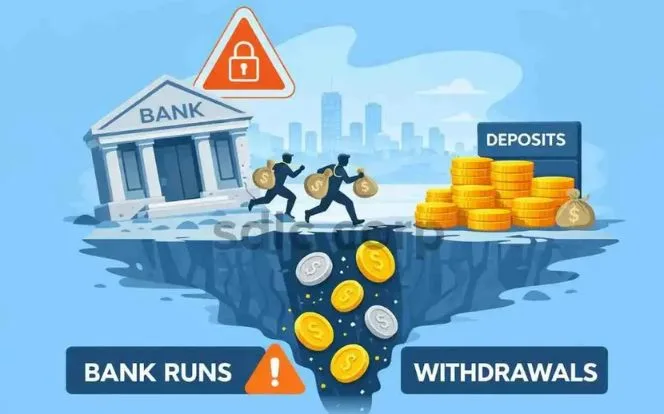
Trust is not a brand tagline. Instead, it is what your player experiences during money moments.
What the data is telling you
Kadence found that 27% avoid online betting because they don’t trust digital platforms.
Meanwhile, the study reported by TechNode shows:
- ~55% of players admit they are unaware of the legal risks tied to unregulated sites
- Only ~12% find the rules clear
- And 39% feel skeptical about fairness vs 27% confident
So, many players are not evaluating legality or safety. Instead, they are reacting to fear signals.
What "trust" means in operator terms
Trust shows up when you deliver three things:
- Predictability: deposits post when you say they will
- Transparency: statuses and receipts are clear
- Proof: decisions are explainable (KYC, limits, refunds, disputes)
Therefore, you should design trust into the system, not add it later.
Philippines iGaming Regulation and Payment Design for Safer Scaling
Many operators plan for one future. However, Philippines iGaming needs scenarios planning.
| Scenarios | What happens | What to build (operator response) |
|---|---|---|
| A: Tighter controls, operations continue | Regulators push stronger KYC, limits, and reporting. | Make the stack audit ready by default with decision logs, evidence trails, and reporting pipelines. |
| B: Payment UX restrictions return or tighten | Payment journeys can change quickly, including access restrictions inside mobile payment apps. | Add redundancy and routing with multiple PSPs, health checks, and controlled failover. |
| C: Ban proposals stay on the table | Ban proposals may remain possible, so operators need flexible controls. | Enable fast product disablement while protecting player funds through wallet isolation, ledger integrity, and payout workflows. |
| Design rule | Rules can shift unexpectedly. | Build policy toggles so you can change configuration instead of core code. |
How to Build a Scalable Philippines iGaming Platform

1) Deposits that survive restrictions
If deposits fail, trust fails. So, start here. Instead of “a PSP integration,” build a deposit orchestration layer.
Core components (minimum viable stack)
- PSP router: chooses rail + PSP based on rules and health
- Risk and compliance gate: blocks deposits before money moves
- Ledger: your internal source of truth
- Reconciliation service: matches PSP reports to ledger entries
- Audit log pipeline: stores every decision and state change
Because restrictions can hit one rail, routing must support:
- multiple PSPs per rail
- rule-based routing (amount bands, risk tier, product type)
- controlled failover (not endless retries)
A simple deposit state machine Use a clear lifecycle, so everyone speaks one language:
- INITIATED → PENDING → AUTHORIZED → CAPTURED → SETTLED
- and then FAILED / REVERSED / REFUNDED as terminal states
Non-negotiable controls (these prevent duplicate credits)
- Idempotency key per deposit attempt
- Exactly-once ledger posting (or idempotent writes)
- Webhook verification (signature + replay protection)
- Timeout policy that stops “ghost deposits”
Because payment systems retry, you must assume duplicates will happen. Therefore, you design for them upfront.
Failure modes you should plan for (so support doesn’t drown)
- user refreshes checkout and submits twice
- PSP times out but later settles
- webhook arrives late or arrives twice
- partial captures, partial reversals
- dispute-driven refunds
So, your ledger must record intent and outcome separately. Then, your reconciliation closes the loop daily.
2) KYC + AML gating that matches risk
KYC should not be a one-time wall. Instead, it should be a policy engine. If you want practical ways to reduce KYC churn without weakening verification, link here to KYC Drop-Off Fix for Betting Apps (Without Weak Verification)
For example:
- small first deposits → basic verification
- higher deposit velocity → enhanced checks
- withdrawals above thresholds → deeper review
Because Philippines users often test with small amounts, step-up reduces early friction. However, it still protects you when value increases.
Build one identity state model Keep a single “truth” record, such as:
- KYC_UNVERIFIED
- KYC_PENDING
- KYC_VERIFIED
- KYC_FAILED
- KYC_REVIEW
So, products and payments read the same state.
Make decisions explainable When you block a deposit or withdrawal, store:
- the rule triggered
- the signals used
- the timestamp
- and the next required action
Because support needs this to resolve tickets fast, logs are not optional.
3) Limits and responsible gaming as platform features
Limits are not only compliance. Instead, they are also retention protection. However, enforcement matters more than policy text. So, enforce limits before the PSP call. If you want a simple internal explainer for why these controls protect both users and retention, link to Balancing Fun and Responsibility: The Role of Responsible Gaming in Gambling Apps.
Minimum limit set (practical and enforceable)
- deposit limits (daily / weekly / monthly)
- spend limits
- loss limits
- session limits
- cooling-off and self-exclusion
However, enforcement matters more than policy text. So, enforce limits before the PSP call. Then, you avoid avoidable disputes and chargebacks. Centralize limits in one service If each product implements its own limit logic, you will drift. Instead, use one policy service that all channels call.
4) Audit readiness you can actually use
Audits are painful when evidence is missing. So, log for evidence from day one.
What to log (minimum evidence trail)
- deposit request context (user id, amount, rail, PSP, timestamps)
- risk decision outputs (allow/deny/step-up)
- KYC status and reason codes
- limit checks and which threshold triggered
- webhook payload hash and verification result
- operator overrides (who, why, when)
Because regulatory scrutiny can spike fast, an evidence trail reduces panic.
So, treat logs as a product feature.
Worked Example: Philippines Deposit Flow Modernization
In one Philippines iGaming deployment, the main issue was not traffic. The platform was losing trust during deposits. Players refreshed payment pages, PSP callbacks arrived late, and support teams had to manually check whether a player should be credited.
We redesigned the deposit flow around a PSP router, idempotency keys, a clear deposit state machine, and daily reconciliation between PSP reports and the internal ledger. We also added webhook signature checks and replay protection, so repeated callbacks could not create duplicate credits.
After rollout, duplicate-credit cases dropped sharply, support teams could trace each deposit from request to settlement, and failed-payment investigations became faster because every state change had a timestamped log. The biggest lesson was simple: in Philippines iGaming, payment trust is built through predictable money movement, not just better UI.
Philippines iGaming Metrics That Improve Player Trust and Retention

If you can’t see friction, you can’t remove it. So, track the metrics that map to trust.
Payment reliability metrics
- deposit success rate by rail and PSP
- time-to-credit (₱50, ₱95)
- settlement lag (₱50, ₱95)
- reversal and refund rates
Identity and limits metrics
- KYC completion rate per step
- time-to-verification
- limit-hit rate and repeat attempts
- self-exclusion usage and enforcement success
Customer protection metrics
- dispute volume by cause
- resolution time
- chargeback rate and root causes
Therefore, build dashboards that product, risk, and support all share. Then, decisions stay aligned.

Conclusion
Philippines iGaming can scale through 2030. However, the winners will scale with controls. So, build deposits that survive restrictions, KYC that steps up by risk, limits that enforce cleanly, and logs that prove decisions. Then, you reduce the trust gap while you grow. Share your current stack with our team, including PSPs, KYC vendor, and ledger approach. Then we can map it into a concrete architecture blueprint and build a checklist for your team.
If you also need the operational “start to scale” playbook for licensing, platform stack, cashier setup, compliance, and launch readiness, link readers to How to Start an Online Casino in The Philippines as the next step.
FAQs
What should I build first: KYC or payments?
Start with payments, because payment failures create instant distrust. Then, add KYC gating that matches risk.
How do I avoid duplicate credits during retries?
Use idempotency keys, a deposit state machine, and idempotent ledger writes. Also, verify webhooks and block replay.
What does “audit-ready” mean in practice?
It means every deposit, KYC decision, and limit check has a timestamped trail. It also means you can show “why” a decision happened.
How do I plan for regulation volatility without rebuilding?
Use policy toggles and configuration-driven routing. Then, when rules shift, you flip switches instead of shipping emergency code.
How many PSPs should I integrate for Philippines scale?
At least two PSPs per priority rail, because single-provider dependency is fragile. Also, use a router with health checks, so you can fail over in minutes, not days. Otherwise, one outage or restriction can freeze deposits and spike support tickets.
What’s the minimum reconciliation setup that actually works?
Start with daily settlement reconciliation: PSP settlement reports vs your ledger entries. Then add drift alerts for mismatches (missing settlement, double settlement, unexpected reversals). Also, keep reconciliation outcomes in an immutable log, because investigations need a clean trail
How do I reduce KYC drop-off without weakening compliance?
Use step-up KYC. So, you keep early onboarding light, while you require stronger checks when value or risk rises (deposit velocity, withdrawals, high amounts, device risk). Also, show clear “why” messages to users, because confusion drives churn.
What trust signals should the product show to reduce fear quickly?
Show clear deposit status, instant receipts, and explicit timelines (“pending verification,” “processing,” “completed”). Also, show the dispute path and expected resolution time. Finally, surface fairness and safety proof points in plain language, because trust drops when the platform feels “hidden.”