


Software Engineering Cross-Functional Project Teams

Hire a Software
Development Team

Hire a cross-functional software project team with developers, designers, QA engineers and technical leads assembled around a defined delivery scope.

Use this model when you need a complete project team assembled around a defined software initiative. For an ongoing multi-role roadmap, compare our dedicated development team model; for individual specialists under your management, see staff augmentation or hire software developers.

Your team, built around your product

BuildProduct engineering
ExtendYour existing team
DeliverWeb · Mobile · SaaS
ScaleSkills as you grow

Trusted by Fortune 500 companies, governments & universities worldwide

Cloud and AI platforms for modern software

AWS
Google Cloud
Microsoft Azure
NVIDIA
OpenAI
Anthropic
Gemini
Grok
Perplexity
Google AI
AWS
Google Cloud
Microsoft Azure
NVIDIA
OpenAI
Anthropic
Gemini
Grok
Perplexity
Google AI
Recognition

Award-Winning
Software Delivery

Company recognition across software development, consulting and AI engineering.

Top AI Development Company by Selected FirmsTop AI Development Company by Selected Firms
Top AI App Developers by C2C ReviewsTop AI App Developers by C2C Reviews
Top IT Consulting, SI & Managed Services Company by ITRateTop IT Consulting, SI & Managed Services Company by ITRate
Top Software Development Company by Selected FirmsTop Software Development Company by Selected Firms

Reviewed on Clutch, GoodFirms, Selected Firms and DesignRush.

Capabilities

Cross-functional team patterns for defined delivery

Choose a project-team pattern based on the delivery scope, systems involved, release risk and level of coordination the initiative requires.

01 / 08
Project scopes

Complete teams for defined software initiatives

Use a cross-functional team when the work needs several disciplines coordinated around one project scope, milestone plan and delivery outcome.

Launch

New Product Delivery

Take a defined product scope from architecture and UX through engineering, QA and release.

Connect

Business Platform Delivery

Coordinate frontend, backend, integration and QA work for portals, dashboards and operational platforms.

Mobile

Mobile Product Delivery

Combine mobile, backend, QA and release responsibilities around one app delivery plan.

Integrate

Integration Programs

Coordinate API, data, application and QA work where several systems must move together.

Modernize

Modernization Projects

Assemble the roles needed for phased refactoring, migration, regression testing and controlled cutover.

Evolve

Release & Handover

Close a defined delivery scope with documentation, repository access, deployment guidance and agreed handover.

Have a defined software initiative?

Share the scope, target milestones, existing systems and delivery responsibilities so we can shape the right project team.

Discuss Your Project Team
Delivery models

Choose the right ownership model

Choose between a defined project team, a long-running dedicated team, or specialists embedded under your management based on who should own coordination and delivery.

Dedicated

Long-Running Dedicated Team

Best for an ongoing product roadmap that needs stable roles and continuity beyond one defined project scope.

Extend

Embedded Specialists

Best when your managers already own delivery and need extra individual capacity or specialist skills.

Delivery

Defined Project Team

Best when you need a complete cross-functional team coordinated around a defined scope, milestones and acceptance criteria.

Launch

MVP / Phase-One Team

Use a compact cross-functional team to move a scoped first release from product definition through launch.

Improve

Modernization Project Team

Coordinate architecture, development, migration and QA responsibilities for a staged modernization scope.

Support

Release Support Team

Use a focused team for a defined stabilization, release, migration or support window.

Delivery environments

Project teams shaped around operating context

Shape the team around the systems, controls, dependencies and review requirements of the environment where the software will operate.

Finance

Regulated Finance

Coordinate product, integration, QA and security responsibilities for payments, reporting, onboarding and regulated financial workflows.

Health

Healthcare Operations

Coordinate application, integration, QA and access-control work for patient, staff and administrative workflows involving sensitive data.

Logistics & Supply Chain

Logistics & Supply Chain

Bring platform, integration and QA roles together across shipment, warehouse, document and operational system dependencies.

Industry

Industrial & Manufacturing

Coordinate software, IoT, integration and quality responsibilities around production, maintenance and operational visibility.

Commerce

Retail and E-Commerce

Coordinate storefront, backend, integration and release work across commerce, inventory, payments and fulfillment.

Impact

SaaS & Digital Products

Build and evolve SaaS products through coordinated product, engineering, QA, cloud and release ownership.

Process

How a project team moves from scope to delivery

Mobilize the right disciplines around one project scope, then align ownership, dependencies, quality gates and release responsibilities before delivery begins.

  1. 01

    Scope

    Define the project boundary, business outcome, milestone targets and acceptance criteria.

  2. 02

    Compose

    Build the cross-functional role mix around architecture, engineering, QA, design, DevOps and client-side responsibilities.

  3. 03

    Align

    Align dependencies, decision rights, repositories, environments, communication rhythm and escalation paths.

  4. 04

    Mobilize

    Give the full project team the same delivery context, architecture constraints, access and first milestone plan.

  5. 05

    Deliver

    Coordinate implementation, reviews, testing and milestone demos against the agreed delivery plan.

  6. 06

    Align

    Review working increments against milestone acceptance criteria, record decisions and resolve delivery risks with the client owner.

  7. 07

    Handover

    Complete the agreed release, document the solution and hand over repositories, environments and operating knowledge to the named owners.

Project Team Delivery Framework

A delivery framework for cross-functional project teams

Define ownership, milestones, dependencies, quality gates, release responsibilities and handover before the project team starts delivery.

01 · Discover

Scope & Acceptance

Define the project boundary, expected outcomes, milestones and acceptance criteria before delivery starts.

02 · Align

Roles & Decision Rights

Agree who owns product decisions, architecture, engineering, QA, approvals and escalation across both organizations.

03 · Engineer

Dependencies & Engineering

Coordinate architecture, features, APIs and integrations around shared dependencies and engineering standards.

04 · Validate

Quality Gates & Acceptance

Review agreed acceptance criteria through functional, integration, performance and release-readiness checks.

05 · Govern

Governance & Escalation

Define repository access, approvals, decision logs, reporting and escalation paths for the project.

06 · Operate

Release & Handover

Plan deployment, rollback, documentation, repository transfer and post-release responsibilities before project closure.

This model fits buyers who need one coordinated cross-functional team to own a defined software initiative. For an ongoing roadmap, use our dedicated development team model; for individual specialists managed by your team, use staff augmentation or hire software developers.

Architecture

Software that connects to your business systems

Identify the application, service, data and integration dependencies the project team must coordinate within the agreed scope.

Application Layer

Build websites, enterprise software, mobile applications, internal portals and APIs.

Service Layer

Implement business logic and application services using the right stack for your workload.

Data Layer

Provide approved business information required by the application.

Integration Layer

Connect applications with CRM, ERP, databases, APIs and other operational systems.

Validation

Apply input validation, business rules and automated tests across critical workflows.

Monitoring

Track operational quality, latency, failures, usage and business outcomes.

Stack

Software
Technology Stack

Select the stack around your existing systems, product requirements and maintainability.

Frontend

Where users interact

ReactAngularVueTypeScriptNext.js
Backend

Where application logic runs

Node.jsPythonJava.NETGo
Mobile & APIs

How products connect

React NativeFlutterFastAPINode.jsREST APIs
Data

Where business information lives

PostgreSQLMongoDBSnowflakeDatabricks
Infrastructure

Where it runs

AWSMicrosoft AzureGoogle CloudDockerKubernetes
Secure delivery

Privacy, security and delivery controls

Plan controls around the data, industry and deployment involved in your project.

California privacy

CCPA and CPRA

Plan data access, retention and privacy request handling where California privacy requirements apply.

Healthcare data

HIPAA

Build access controls, encryption and audit logs around protected health information where HIPAA applies.

Payment data

PCI DSS

Define payment data flows and integration requirements with approved payment providers.

Engineering controls

Secure development

Plan dependency reviews, secure coding practices and risk-based testing throughout delivery.

Human oversight

Project governance

Set owners, approval steps, access rules and review points for sensitive or consequential work.

Secure deployment

Cloud and private systems

Choose infrastructure and access controls that fit your security, data location and operational needs.

Need to check security and compliance first?

Share your hosting, data and governance requirements so the team can plan the work around them.

Review My Requirements
Portfolio

Software and platform delivery examples

Explore product and enterprise platform delivery. The examples below describe their original project scope and outcomes.

4 entries · scroll to reveal
01 / 04 Case Study
Document Intelligence SDLC Corp

Transworld Logistics

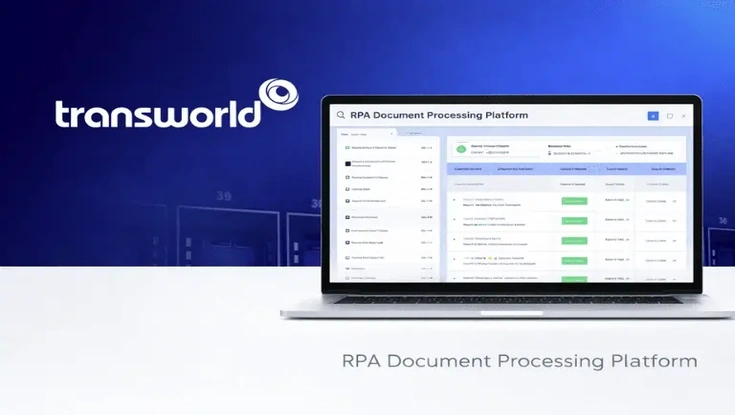
An AI document processing workflow extracts information from invoices and bills of lading, validates important fields and sends approved results into enterprise operations.

Verified outcome: processing time fell from 48 hours to 4 hours, while error rate dropped from 4–5% to 0.1%.

  • 48h → 4h processing
  • 4–5% → 0.1% errors
  • $2.50 → $0.45/invoice
  • 2,000+ invoices/day
  • Human review
  • ERP integration
Explore the Case Study ↗
Transworld Logistics document processing platform extracting fields from unstructured invoice PDFs
02 / 04 Case Study
AI Virtual Staging SDLC Corp

DYD interior design platform

A generative AI application allows users to visualize furniture, flooring, wall finishes and lighting inside real rooms.

Verified outcome: photorealistic renders are produced in about 25 seconds versus 4–12 hours for manual 3D builds.

The production pipeline combines image understanding, real scale visualization and generative models.

  • ~25s render time
  • 4–12h manual baseline
  • 1:1 inch-accurate
  • 6-month build
  • 4 user types
  • Production deployment
Explore the Case Study ↗
AI interior staging platform rendering furniture and finishes inside a real room photograph
03 / 04 Case study
US Retail Platform SDLC Corp

KISS USA retail and back-office platform

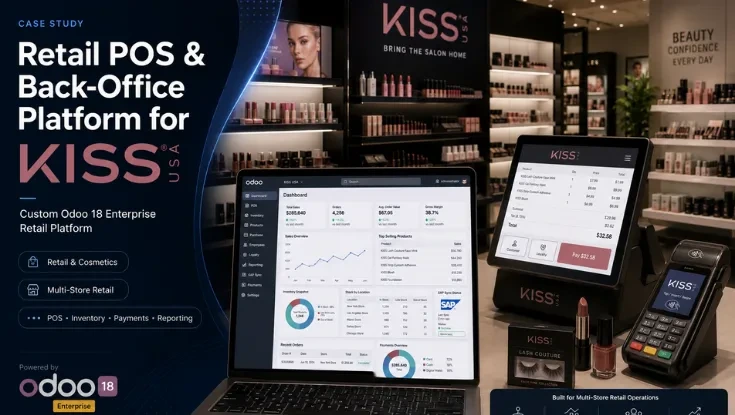
A US retail platform connects point of sale, inventory, employee workflows, loyalty, reporting, SAP synchronization and payment operations across stores.

Verified delivery scale: 19 custom modules, 200+ data models and 80+ API endpoints across the US retail platform.

  • 19 custom modules
  • 200+ data models
  • 80+ API endpoints
  • Odoo 18 Enterprise
  • SAP integration
  • Elavon payments
Explore the US case study ↗
KISS USA retail and back-office platform learning platform
04 / 04 Product
Document AI Platform SDLC Corp

Data AI Ninja

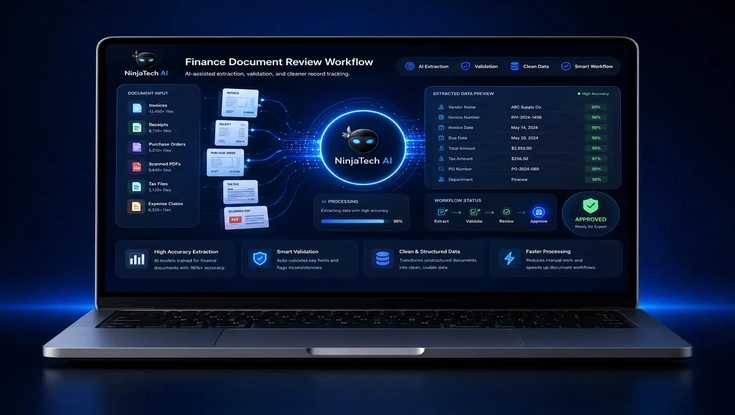
A document-intelligence platform classifies uploaded files, extracts structured information and provides confidence based review workflows.

Verified rollout scope: a 12-person finance team across three departments moved to the AI workflow in a 2-week setup.

  • 12 finance staff
  • 3 departments
  • 2-week setup
  • 5+ export options
  • Confidence scoring
  • Human review
Explore Data AI Ninja ↗
Data AI Ninja document extraction console showing document type, detected language and per-field confidence
Client Stories

Clients share their experience

Named clients discuss the delivery, communication and support they received from SDLC Corp.

Client story

Eric Leist

CEO, Edgerton Strategies

Client story

Doug Schmidt

CEO, Roofaid USA

Client story

Reyzal Razmi

All Star Influencers
What clients say
01 / 05
They approached our Salesforce discovery with real technical depth, uncovered structural gaps others missed, and delivered a solution that worked exactly as promised.
SDLC CORP built a mobile application that met our strategic requirements with strong technical execution. The solution performs reliably and has become an important operational asset.
They saw inefficiencies in our Salesforce workflow and redesigned our entire quote-to-cash system. We now operate faster, cleaner, and with better accuracy.
From planning to post-launch, SDLC Corp guided us every step of the way. Their support makes them more than a vendor. They're a trusted partner.
The SDLC Corp team scaled our platform with impressive technical expertise, ensuring it's secure, robust, and ready for future growth.
What clients say
01 / 05
The SDLC Corp team scaled our platform with impressive technical expertise, ensuring it's secure, robust, and ready for future growth.
From planning to post-launch, SDLC Corp guided us every step of the way. Their support makes them more than a vendor. They're a trusted partner.
They saw inefficiencies in our Salesforce workflow and redesigned our entire quote-to-cash system. We now operate faster, cleaner, and with better accuracy.
SDLC CORP built a mobile application that met our strategic requirements with strong technical execution. The solution performs reliably and has become an important operational asset.
They approached our Salesforce discovery with real technical depth, uncovered structural gaps others missed, and delivered a solution that worked exactly as promised.

Team foundations

Software Engineering
with Shared Standards.

The working practices behind a coordinated development team.

Drag to spin
Code
Engineering quality
Peer review and documentation
SOC 2 Type II
Security assurance
Independent controls review
Team
Specialist roles
Product-focused collaboration
QA
Release confidence
Testing and acceptance criteria
ISO
27001 and 9001
Security and quality management
Ops
Production support
Release and maintenance planning
Why SDLC Corp

Why businesses choose SDLC Corp

Assemble the disciplines needed to deliver one defined initiative, with agreed milestones, acceptance criteria and release responsibilities.

End to End

Coordinated Software Delivery

Develop the interface, services, integrations and release plan as one product.

Depth

Specialist Software Teams

Combine frontend, backend, mobile, QA, DevOps and technical leadership skills.

Connected

Enterprise Integration

Work with the software, systems and engineering tools already used by your business.

Right-Sized

Flexible Team Composition

Choose roles according to the roadmap and adjust capacity through an agreed process.

Measured

Visible Delivery Progress

Review working software, quality checks and milestones throughout the engagement.

Oversight

Clear Accountability

Agree owners, review points and escalation paths so technical decisions stay transparent.

Security and quality assurance

Company AssuranceSOC 2 Type II · ISO 27001 Certified · ISO 9001 Certified

Project controls are planned around your data, systems, industry and deployment requirements.

Ready to build your software team?

Talk to us about the roles, working model and technical skills your project needs.

Get a Free Consultation
Get Started

Build your software development team

Tell us about your product, technology stack and the skills you need to move your roadmap forward.

We will review your requirements and agree the next step.

Contact Us

Share a few details about your project, and we’ll get back to you soon.

Let's Talk About Your Project

FAQ

Hiring a software development team: FAQs

Answers about project-team composition, delivery ownership, milestones, governance, handover and cost.

Which roles belong in a cross-functional software project team?

A project team can combine frontend, backend, mobile, QA, DevOps, UI/UX and technical leadership. The mix should follow the delivery scope and dependencies rather than a fixed staffing package.

When should I hire a project team instead of individual developers or a dedicated team?

A project team fits a defined software initiative where several roles must coordinate against one scope and milestone plan. Individual developer hiring fits specific role gaps under your management, while a dedicated team fits an ongoing roadmap that needs continuity. Our dedicated team vs staff augmentation comparison explains the ownership and continuity differences, while hiring developers vs a complete development team helps when the decision is individual capacity versus a cross-functional project team.

How is the proposed project team assessed?

Review the proposed role mix, seniority, technical coverage and delivery responsibilities against the project scope. Individual interviews can still be used for key roles before the team is finalized.

How does project-team onboarding work?

Onboarding covers scope, milestones, systems, repositories, architecture, access, standards, decision rights and the first delivery increment so the whole team starts from the same operating context.

Who owns priorities and delivery decisions?

Product priorities normally remain with the client product owner, while delivery coordination, engineering dependencies and milestone execution are assigned explicitly to the project team. The engagement should define decision and escalation rights before work begins.

Can the project team work alongside our existing engineers?

Yes. The project team can work inside approved repositories, APIs, environments and engineering tools while coordinating dependencies with your internal engineers and other vendors.

How are project governance and communication arranged?

Agree review cadence, milestone reporting, working-hour overlap, decision logs and escalation channels before delivery starts. The exact governance model depends on project complexity and client involvement.

How is a project-team engagement priced?

Pricing depends on project scope, role mix, seniority, delivery duration, technical dependencies and ownership responsibilities. We review the scope before proposing the team structure and commercial model.

How soon can a project team begin delivery?

Start dates depend on required disciplines, team availability, access readiness and project discovery. We confirm the mobilization plan after reviewing scope, dependencies and onboarding requirements.

Still have a question?

Ask our team directly and get answers specific to your project.

Ask Our Team