




Unreal Engine 5 & Unity PC Game Studio

PC Game Development
Company

SDLC Corp is a PC game development company for studios, publishers and founders. Our teams build desktop games in Unreal Engine 5 and Unity. After that, we ship them to Steam, the Epic Games Store and GOG as part of our wider game development services.

Featured PC Game Builds

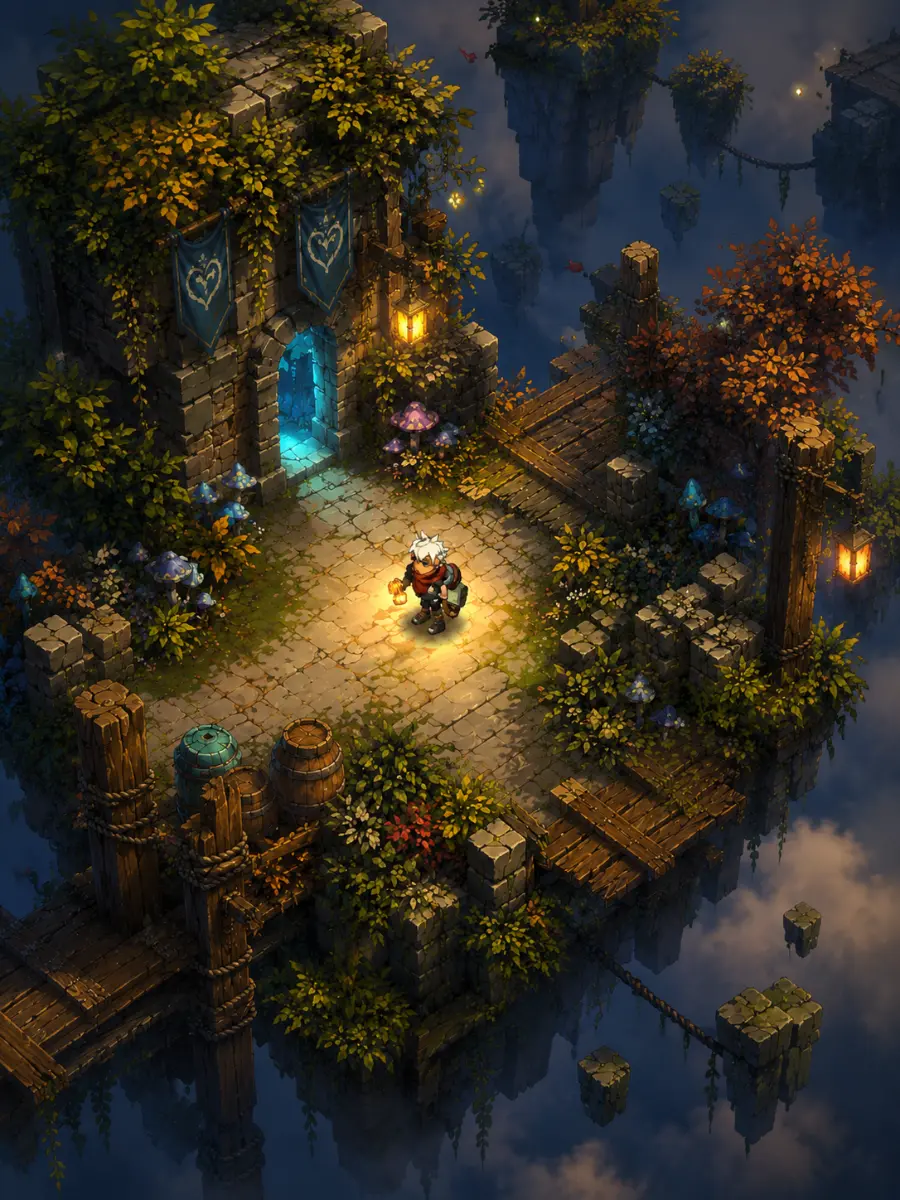
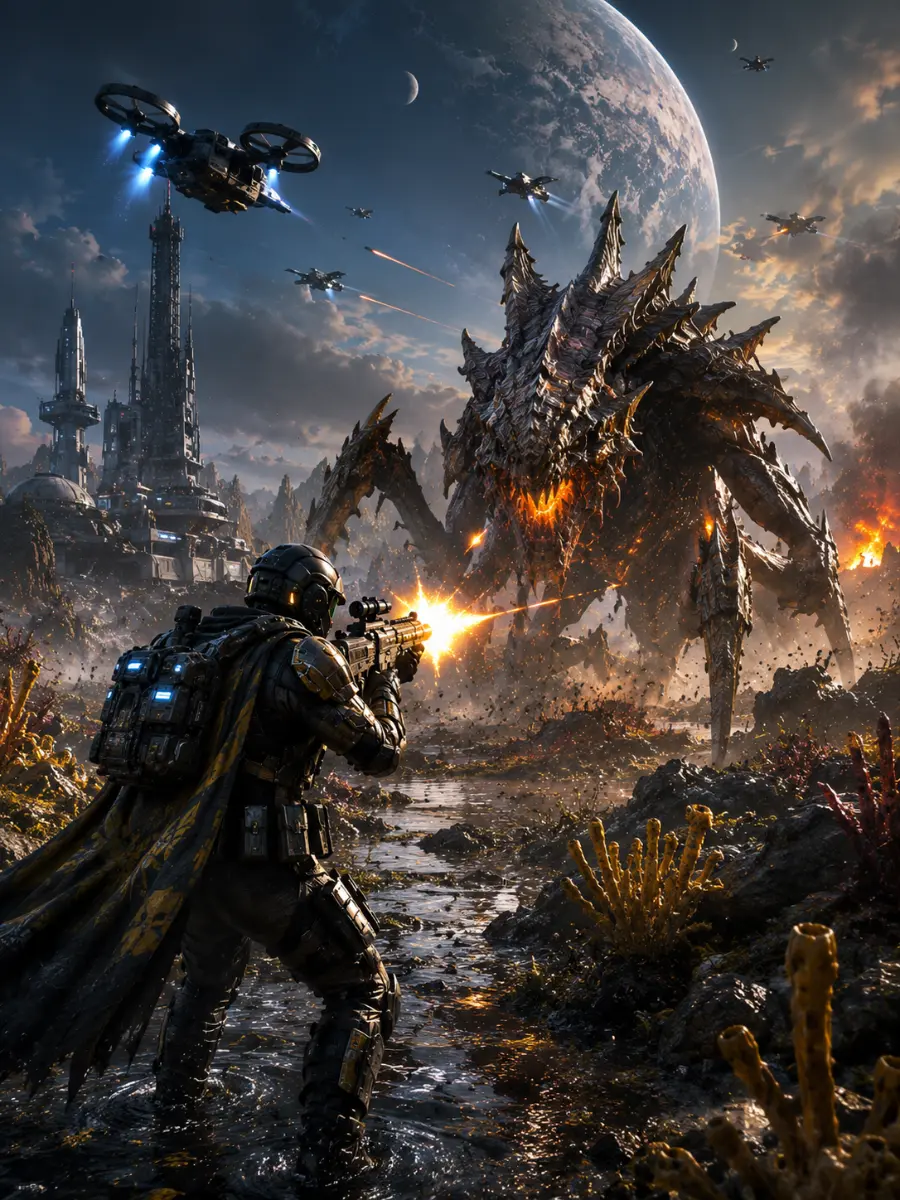
PC adventure game with a cinematic 3D environment, featured SDLC Corp build
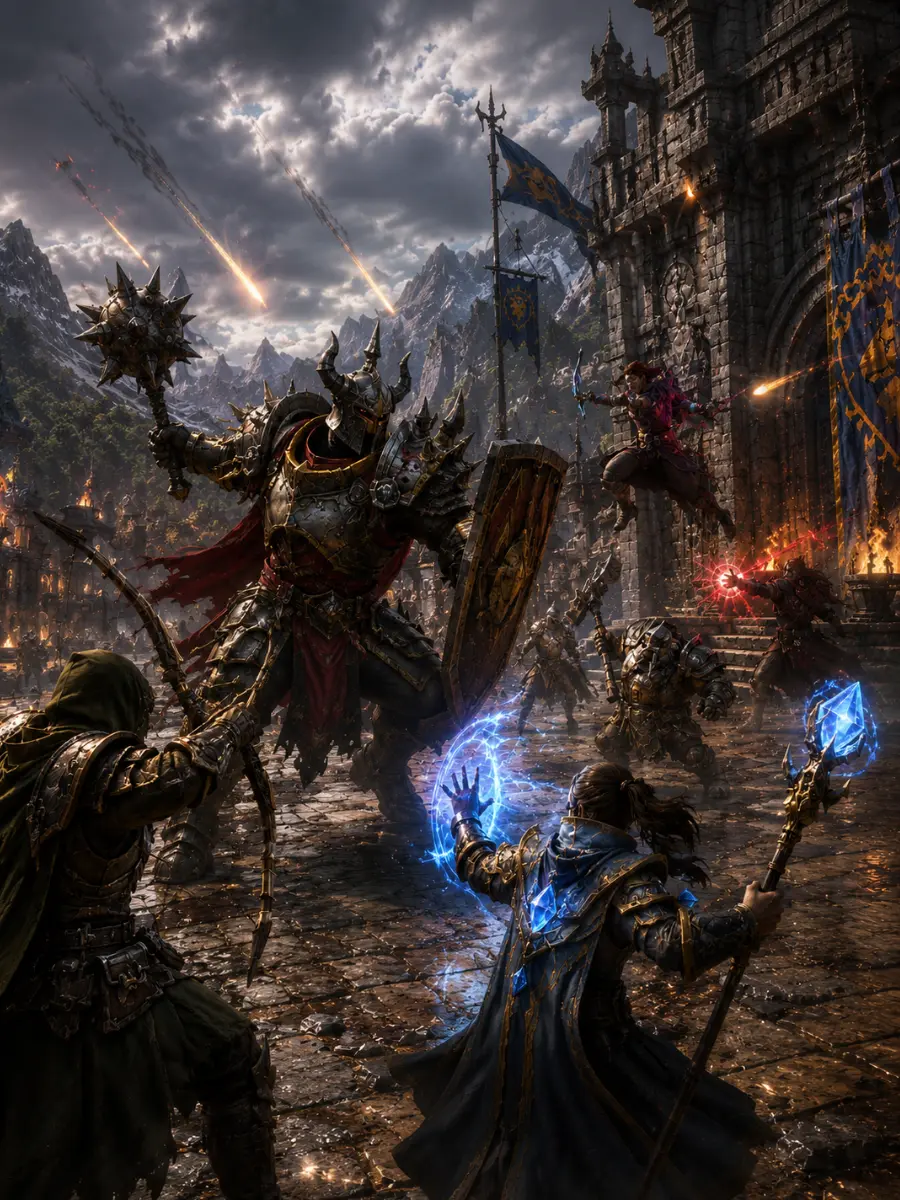
Fantasy role-playing PC game scene from an SDLC Corp game build
PC fighting game with close-quarters combat, featured SDLC Corp build
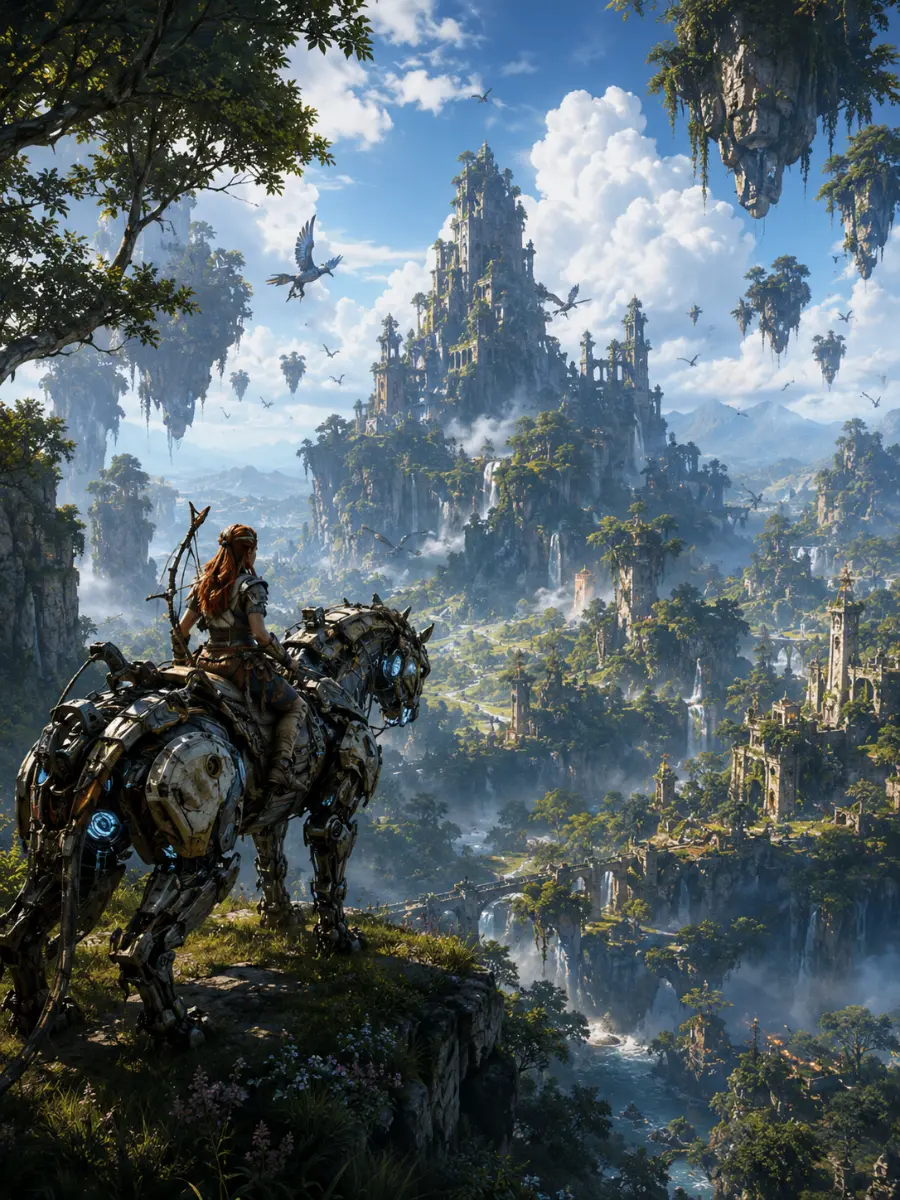
Action-adventure PC game scene from an SDLC Corp game build
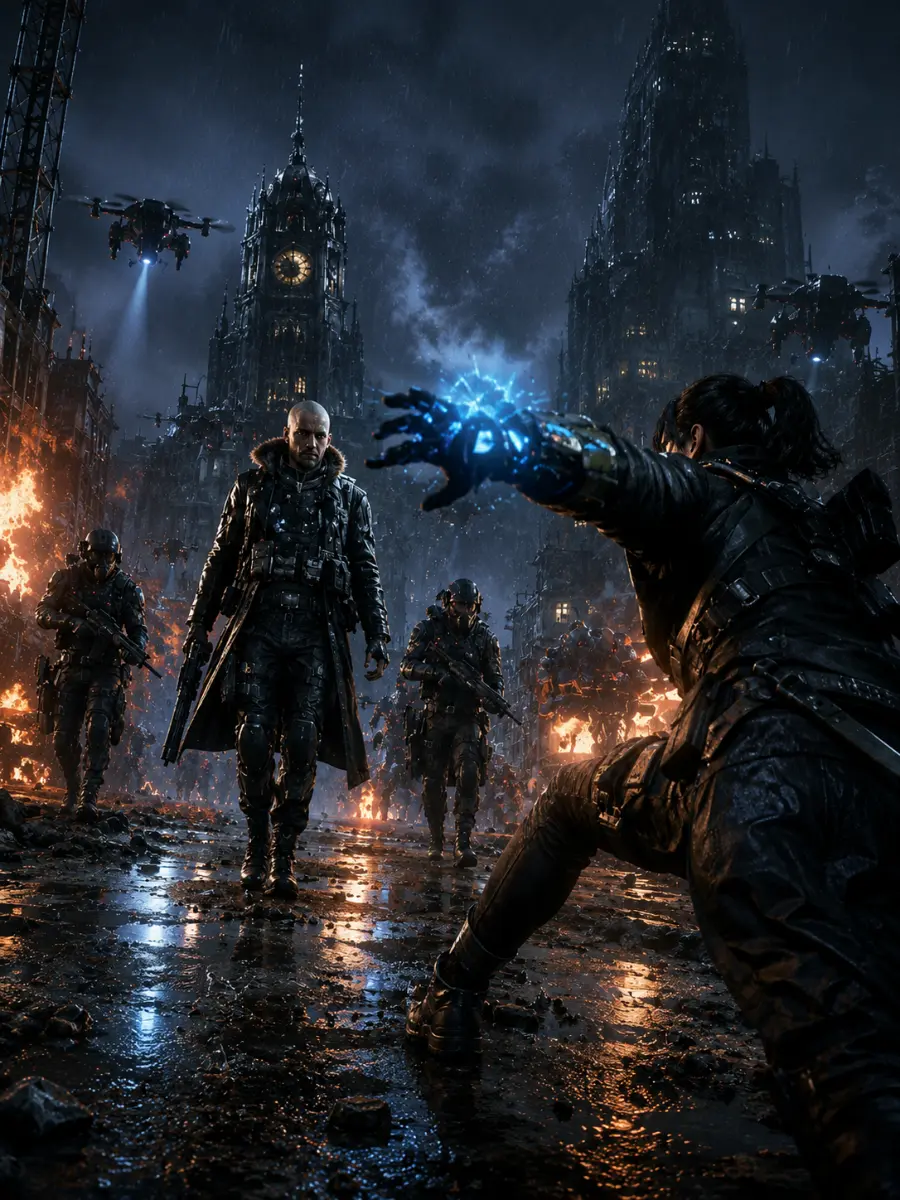
Multiplayer PC shooter game scene from an SDLC Corp game build

SDLC Corp client review profiles

  • SDLC Corp review badge on GoodFirms
  • SDLC Corp review badge on DesignRush
  • SDLC Corp review badge on Trustpilot
  • SDLC Corp review badge on Clutch
  • SDLC Corp review badge on Sortlist

Built and Tested for PC Hardware

  • Windows 10 & 11
  • Steam Deck
  • DirectX 12
  • Vulkan
  • DLSS & FSR
  • Ultrawide & 4K
  • Keyboard & Mouse
  • SteamVR
Case Studies

Game Development Case Studies

These are real projects from our game team. Each one shows skills that carry over to PC games, such as VR, live game systems and real-time multiplayer.

VR Game

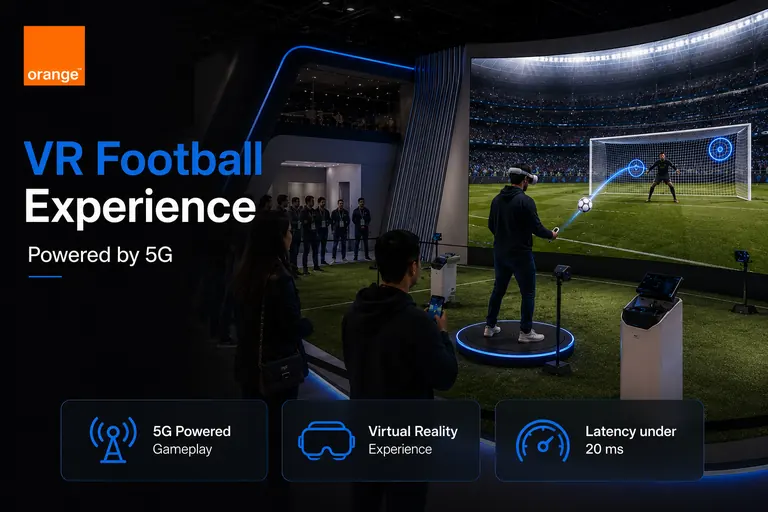
5G VR Soccer Game for Orange Jordan

To launch its 5G network, Orange Jordan needed a game that would draw crowds. So we built a Unity penalty-shootout game for Meta Quest Pro and HTC Vive headsets. As a result, a new player started roughly every 90 seconds at the event kiosk.

Input Response
<20 ms
Delivery
12 Weeks
Read the Orange VR Case Study
Unity 5G VR soccer penalty-shootout game built by SDLC Corp for Orange Jordan
Casual Puzzle Game

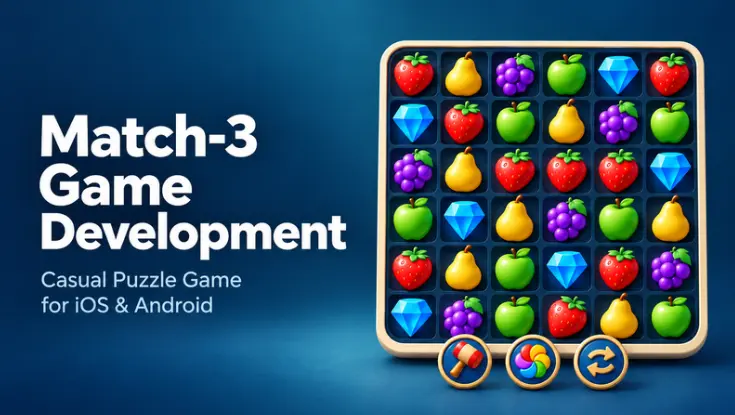
Match-3 Puzzle Game Built in Unity

This reference build combines tile matching, boosters, daily rewards and optional in-app purchases. In addition, analytics events track retention and level difficulty. Because Unity also exports to Windows, the same codebase can take a casual puzzle game to Steam.

Engine
Unity C#
Build Stages
6 Phases
Read the Match-3 Case Study
Match-3 puzzle game with tiles, boosters and level goals built in Unity by SDLC Corp
Real-Time Multiplayer

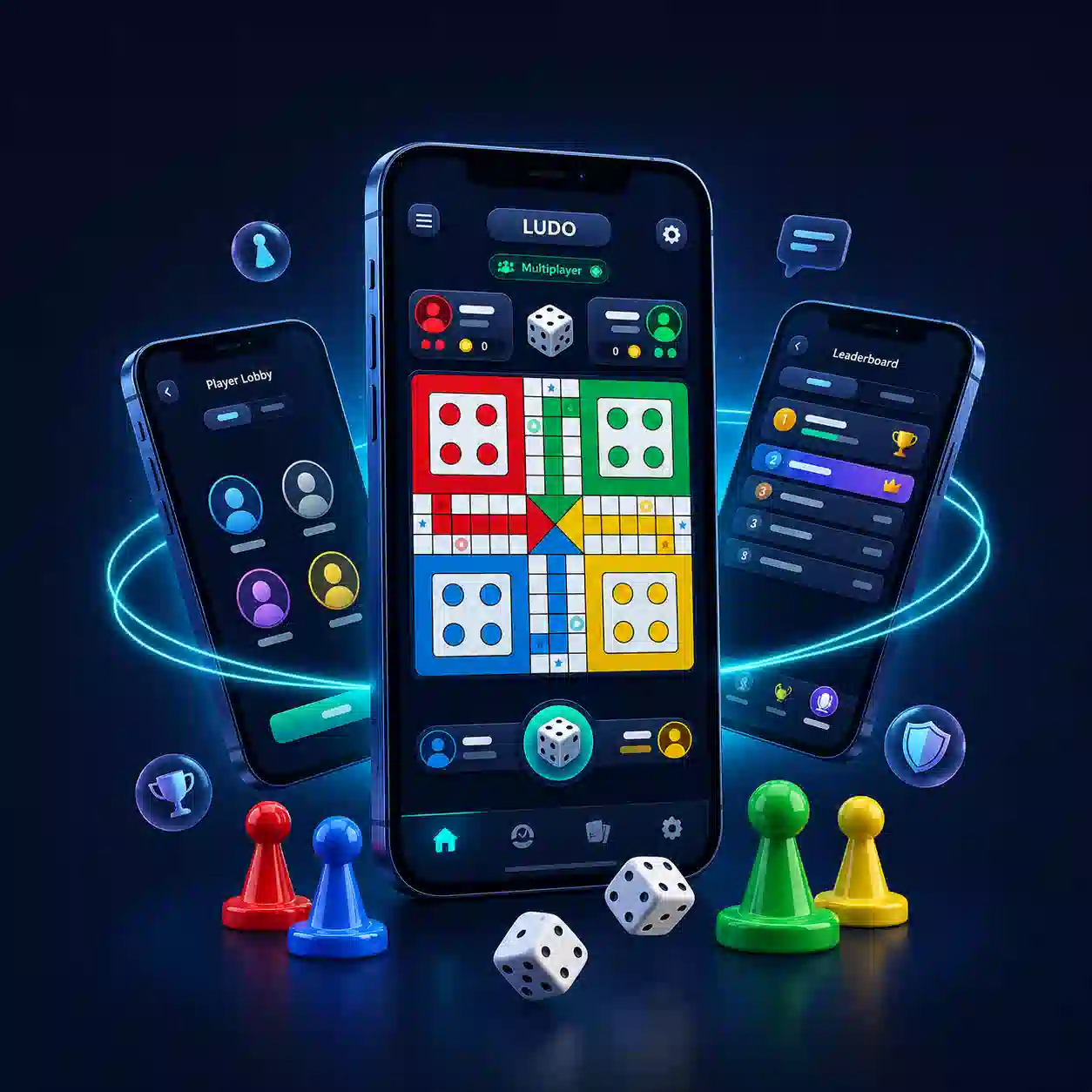
Real-Time Multiplayer Ludo Game

This Unity game includes matchmaking, private rooms, timed turns and server-validated moves. Moreover, every match restores its full state when a player reconnects. Our PC multiplayer games use this same server model.

Game Modes
3 Modes
Delivery
14-16 Weeks
Read the Multiplayer Case Study
Real-time multiplayer Ludo game board with player rooms built in Unity by SDLC Corp
What We Do

PC Game Development Services

Hire us for a complete desktop game or for one stage of it. Either way, each of our PC game development services has a clear scope and deliverable list. That way, you always know what the next milestone brings.

Full-Cycle PC Game Development

One accountable team runs concept, game design document, art, engineering, QA and store launch. Meanwhile, you review a playable build at every milestone.

Full CycleMilestone Builds

Steam Game Development

First, we set up Steamworks with achievements, Steam Cloud saves and Steam Input, along with store page assets. Then the same codebase ships to the Epic Games Store and GOG.

SteamworksEpic & GOG

Unreal Engine 5 and Unity Development

Unity fits indie, 2D and cross-platform games. For high-fidelity 3D worlds with Nanite and Lumen, however, our Unreal Engine game development team leads the build.

UnityUnreal Engine

Multiplayer Game Development

Our multiplayer stack covers dedicated servers on AWS, Photon Fusion netcode, matchmaking and Easy Anti-Cheat. Before launch, we also load-test servers against your expected peak player count.

Dedicated ServersAnti-Cheat

PC Game Art and Animation

Artists build characters, environments and cutscenes in Blender, Maya and Substance Painter, sized for PC texture budgets. For high-fidelity titles, our AAA game art team leads the work, while stylised indie projects use our 2D game development team.

3D ArtAnimation

LiveOps and Post-Launch Support

After launch, we ship crash fixes, performance patches and new content. In addition, crash reports arrive grouped by GPU and driver, so every fix moves faster.

LiveOpsPatches
Why SDLC Corp

Why Choose SDLC Corp for PC Game Development

Here is what you get from a studio that runs the whole PC pipeline. Behind every build, our 3D game development practice adds engine, art and optimisation depth.

Flexible Engagement Models

Choose a full build, help with a single stage, or dedicated developers inside your sprints. Later, you can switch models between milestones.

Playable Build Every Milestone

Every milestone ends with a build you can play, plus a short note on scope, risks and frame-rate targets. As a result, you can test progress yourself.

Cross-Platform Ready Code

Input, UI and save systems are structured so a later console or mobile release needs less rework. When that time comes, our cross-platform game development team handles those builds.

Line-Item Cost Estimates

Once we review your game design document, you get a quote split by stage, role and feature. Therefore, you can see the cost of every feature before you commit.

Teams Across Time Zones

Offices in the US, UK, UAE, India and Qatar overlap with your working day. Consequently, you get answers during your own business hours.

NDA From Day One

An NDA is signed before you share your concept, build or source code. In short, your idea stays protected from the first call.

What We Build

PC Game Genres We Build

Each genre puts different demands on hardware, input and servers. For that reason, we plan those needs in the game design phase, before production starts.

Action and Adventure Games

We build third-person combat, traversal and cinematic cutscenes. In addition, each scene is tuned to hold 60 fps on mid-range graphics cards.

RPG Games

Quest systems, dialogue trees, inventory and save data must stay stable across long campaigns. Therefore, we design them to survive patches and expansions.

Strategy and Simulation Games

Pathfinding handles large unit counts, while a readable mouse-driven UI keeps complex systems clear. We also add mod support for long-running communities.

Shooter and Sports Games

Competitive play depends on low-latency netcode and server-side hit checks. On top of that, we add anti-cheat and support for high-refresh monitors.

PC VR Games

SteamVR and Meta Quest Link titles include comfort settings for seated and room-scale play. Our VR game development team builds each one.

Engines and Tools

Technologies Behind Every PC Build

Unreal Engine and Unity drive gameplay, while Photon and AWS power multiplayer. Meanwhile, Blender, Maya and Spine cover art. In every project, we pick each tool to match your genre and target hardware.

  • Unreal Engine logoUnreal Engine
  • Unity logoUnity
  • Godot logoGodot
  • Steam logoSteam
  • NVIDIA logoNVIDIA
  • Photon logoPhoton
  • AWS logoAWS
  • Google Cloud logoGoogle Cloud
  • Kubernetes logoKubernetes
  • Docker logoDocker
  • Firebase logoFirebase
  • Blender logoBlender
  • Autodesk Maya logoAutodesk Maya
  • Spine 2D logoSpine 2D
  • Figma logoFigma
  • Meta logoMeta
  • WebGL logoWebGL
  • Nintendo Switch logoNintendo Switch
  • iOS logoiOS
  • Android logoAndroid
  • Ethereum logoEthereum
How We Work

Our PC Game Development Process

An indie single-player PC game usually takes 4 to 6 months from kickoff to launch. Along the way, every sprint ends with a playable build you can test.

Step 1 · Strategy

Discovery & Game Planning

First, we lock the genre, target hardware, engine and store list. Next, both teams agree on milestones, team size and a delivery plan.

Step 2 · Design

Game Design Documentation

Our designers write the game design document, covering mechanics, levels, UI and technical specs. At the same time, they study the top Steam games in your genre.

Step 3 · Validation

Prototype Development

A playable prototype tests the core loop on target hardware. That way, design problems surface before full production starts.

Step 4 · Production

Full Production

Art, gameplay, networking, save systems and store SDKs come together in two-week sprints. Each sprint also includes a frame-rate check.

Step 5 · Testing

QA & Performance Testing

Testers run hardware compatibility checks, multiplayer load tests and a minimum-spec PC pass. All of this happens before store submission.

Step 6 · Launch

Launch & Post-Launch Support

Because Steam's store review takes several business days, we submit at least a week before launch. After release, patches and updates follow on a regular schedule.

Work With Experienced PC Game Developers

Share your concept or current build. Within one business day, we reply with a scope, an engine recommendation and a cost range.

Get Your PC Game Estimate
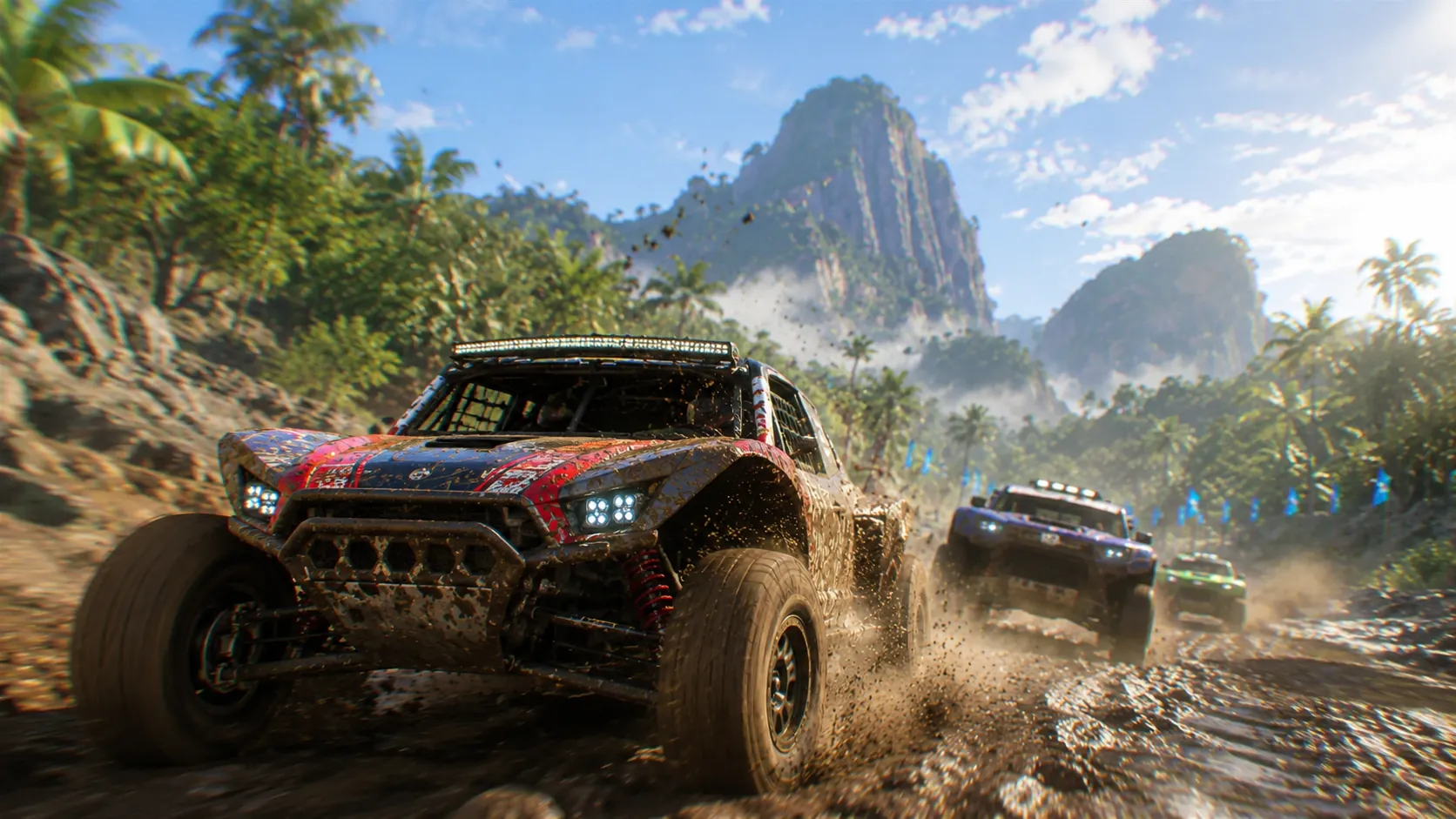
Off-road racing game scene with buggies on a muddy jungle track
Porting & Performance

PC Game Porting & Performance Optimization

Our game porting services bring mobile and console titles to Windows PCs. To plan testing, we build the hardware matrix around the graphics cards, resolutions and operating systems that PC players actually use.

Console to PC Porting

We replace console prompts, add keyboard and mouse controls and rebuild menus for desktop screens. For the reverse move, our console game development team ports PC games to PS5, Xbox and Switch.

Mobile to PC Porting

Touch controls become keyboard, mouse and controller input. Next, the UI is rescaled for widescreen monitors and textures are upgraded for larger displays. Meanwhile, our mobile game development team keeps the original build intact.

Performance Optimization

Engineers profile CPU and GPU load with Unreal Insights, the Unity Profiler and RenderDoc. Then they fix frame-time spikes, memory leaks and long load times.

Hardware Compatibility

Testing covers NVIDIA, AMD and Intel graphics on Windows 10 and 11. Since 1080p is still the most common PC resolution, we tune it first and then move to 1440p, 4K and ultrawide.

Controller Support

Players get full key rebinding, Xbox and PlayStation controller support and correct button prompts through Steam Input. In addition, Steam Deck gets its own test pass.

Graphics Optimization

Quality presets, NVIDIA DLSS, AMD FSR upscaling and level-of-detail tuning work together. As a result, both entry-level and high-end PCs hold a steady frame rate.

Pricing

How Much Does PC Game Development Cost?

PC game development usually costs between $15,000 and $200,000+. However, the final figure depends on scope, art style, multiplayer needs and target hardware. The ranges below show typical budgets and timelines, so you can plan before a detailed quote.

Typical PC game development cost and timeline by project type
Project TypeWhat It IncludesTypical TimelineIndicative Budget
Small 2D Indie GameSingle-player game in Unity with 2D art and a Steam release4–6 months$15,000 – $40,000
Mid-Size 3D Single-Player Game3D art, save systems, controller support and Steam, Epic and GOG builds6–9 months$40,000 – $100,000
Multiplayer PC GameDedicated servers, matchmaking, anti-cheat and load testing8–14 months$80,000 – $200,000
High-Fidelity Unreal Engine 5 GameLarge 3D worlds with Nanite and Lumen, plus cinematic content12+ months$200,000+
Porting an Existing Game to PCKeyboard and mouse input, UI rescaling, graphics settings and hardware testing2–4 months$10,000 – $50,000

What Changes the Cost

  • Art style and asset count. Stylised 2D art costs far less than realistic 3D characters and large environments.
  • Multiplayer and backend. Dedicated servers, matchmaking and anti-cheat add engineering and testing time.
  • Engine and hardware targets. For example, a Unity game for mid-range PCs needs less optimisation than an Unreal Engine 5 title with ray tracing.
  • Stores and platforms. Each extra store, or a later console release, adds builds and QA passes.
  • Post-launch support. Finally, LiveOps, patches and new content are scoped as a separate support plan.

Get a Line-Item Quote

These ranges are indicative only. After we review your game design document, you receive a quote split by stage, role and feature.

Get Your PC Game Estimate
Who We Serve

Supporting Studios, Publishers and Gaming Brands

We work with indie teams, AAA studios and publishers worldwide. Some hire us to build a whole game. Others, by contrast, use PC game development outsourcing for a single stage.

Indie Game Studios

Original concepts become polished PC titles through rapid prototyping, full-cycle development and Steam launch support.

AAA Game Studios

For AAA studios, we provide co-development, multiplayer systems, performance work and LiveOps. Studios can also hire game developers to join their sprints.

Game Publishers

Publishers get launch-ready PC games that meet each store's technical rules. After release, regular patches keep those games stable.

Gaming Startups

Founders can test an idea with a playable prototype first. Once the core loop works, the prototype grows into a full PC release.

Entertainment & Media Brands

Entertainment companies and IP owners use branded PC games to reach fans. These range from story-led adventures to event tie-ins.

Start Your Game Project

Let's Discuss Your PC Game Project

Share your requirements, timeline, existing build or game concept. Then we review it and recommend the right scope, team structure and engine.

What Happens Next?

We review your brief, estimate the scope and recommend the right engagement model.

  • NDA Available
  • 106+ Games Delivered
  • Response Within 1 Business Day

No sales pressure. We reply with realistic scope and delivery recommendations.

FAQs

PC Game Development FAQs

Here are answers to the questions studios, publishers and founders ask before starting a PC game project.

Planning & Budget

PC game development usually costs between $15,000 and $200,000+. A small 2D indie game sits at the low end. By contrast, multiplayer games with dedicated servers and Unreal Engine 5 titles sit at the high end. The cost table above shows typical ranges, and after we review your game design document, you get a line-item quote.

A small indie PC game usually takes 4 to 6 months. Multiplayer, however, adds time for server work and load testing, and a large Unreal Engine 5 game often takes a year or more. Porting an existing game to PC is quicker, at roughly 2 to 4 months.

Technology & Development

Unreal Engine 5 suits high-fidelity 3D games, because Nanite and Lumen handle detailed worlds and real-time lighting. Unity, on the other hand, fits indie, 2D and cross-platform games better. Either way, we confirm the engine during game design, based on your genre, hardware target and budget.

Yes. You can outsource the full game or hand us one stage, such as art, porting or QA. Alternatively, our Unity and Unreal developers can join your sprints, and many studios start small before expanding later.

Our QA team tests on NVIDIA, AMD and Intel graphics at resolutions from 1080p to 4K, on both Windows 10 and Windows 11. The test matrix follows real player hardware data. Steam Deck also gets its own pass for controls and text size.

Publishing & Support

Yes. Our game porting services start with a codebase review. Then we add keyboard and mouse controls and rescale the UI for desktop screens. Finally, the team builds a graphics settings menu and tests across our PC hardware matrix.

Yes. We handle Steamworks setup, store page assets, builds and submission for Steam, plus separate packages for the Epic Games Store and GOG. Note that Steam charges a $100 Steam Direct fee per game, which Valve returns once the game earns $1,000 in adjusted gross revenue.

Yes. After launch, we ship crash fixes, performance patches and content updates, and we monitor servers for multiplayer games. In addition, player reviews and crash reports help us decide what to fix first.