

Build a fantasy app like RT Sports with a clear plan, smooth user flow, real-time data, and a scalable backend. In this guide, you will see the main features, technology stack, development process, cost factors, and launch steps needed to turn your idea into a working fantasy sports platform.
Schedule a Free Consultation
Growth of RT Sports: Key Stats
Fantasy sports continues to grow as more users join digital leagues, contests, and live sports experiences. As a result, many businesses now see apps like RT Sports as a strong market opportunity.
Moreover, market interest is visible across mobile downloads, active users, and revenue potential. These numbers show why entrepreneurs are investing in fantasy sports app development with real-time features and scalable architecture.
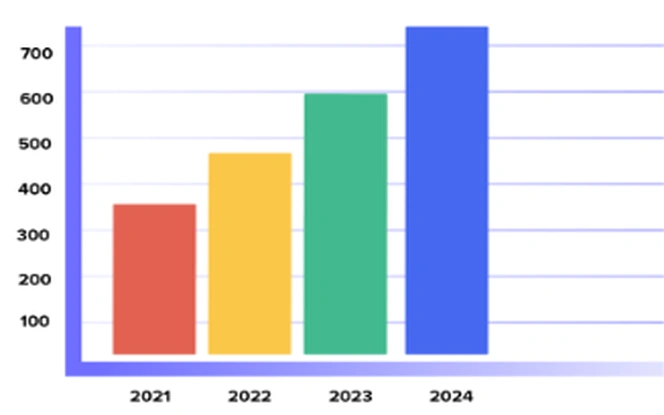
These growth signals prove that fantasy sports apps can attract loyal users when the platform is fast, simple, and reliable. However, success depends on more than downloads; the app must offer live scoring, secure payments, and easy league management.
Therefore, a strong development strategy can help your fantasy sports app compete better, retain users longer, and create steady revenue opportunities.
Architecture of a Scalable Fantasy App
The architecture of an RT Sports-like fantasy app plays a major role in speed, stability, and user experience. A well-planned structure also supports traffic spikes during live matches and contest deadlines.
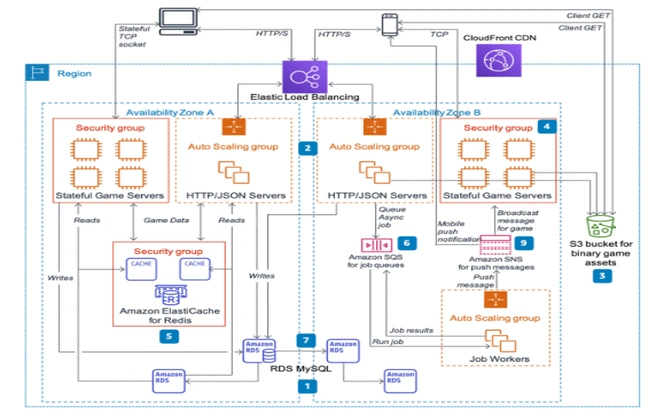
In addition, the system connects real-time data, user sessions, game assets, cache layers, and backend services. With the right setup, developers can build a fantasy sports platform that performs smoothly as the user base grows.
Users
This layer represents the end-users of the app, interacting with it from various devices, expecting high performance and responsiveness at all times.
CDN (Content Delivery Network)
A CDN distributes static assets such as images and videos across servers globally, reducing load times and enhancing user experience by serving content from the nearest node.
Stateful Servers
These servers manage specific user sessions and are crucial in maintaining continuity in user interactions, such as fantasy game data and scores.
Auto Scaling Groups
This feature automatically adjusts the number of active servers based on traffic, similar to AWS Auto Scaling, ensuring resources are used efficiently and costs are minimized during low activity periods.
Cache
By storing frequently accessed data temporarily, caching reduces server requests and speeds up response times, allowing for smoother user interactions during high traffic.
Regions
Regional distribution of servers ensures minimal latency by serving users from the closest available data center, enhancing the overall responsiveness of the app.
App or Game Assets
These include all multimedia and interactive assets used within the app, which are optimized and delivered through the CDN for faster load times.
Redis
An in-memory data store like Redis provides rapid access to real-time data, such as active users or scores, which is critical for a live fantasy app.
MySQL
This relational database stores structured data like user profiles, scores, and game results, providing a reliable backend for user-related information.
Kafka
Kafka handles the streaming of real-time data across the app, managing tasks such as real-time updates and event tracking, essential for a seamless user experience.
A fantasy app like RT Sports needs a backend that can handle user actions, live updates, score changes, and data requests without delay. Each layer should work together to keep the platform stable and engaging.
For example, caching can reduce repeated database calls, while auto scaling can support sudden traffic growth. Because of this, careful architecture planning improves performance, reliability, and long-term scalability.
As the platform grows, regular optimization will help maintain speed, protect user experience, and support future feature expansion.
Features
A fantasy app like RT Sports needs features that keep users active before, during, and after every match. These features should support live updates, team management, social interaction, rewards, and easy navigation. As a result, users can compete, track performance, and return to the app more often.
User-Friendly Interface
A clean, intuitive interface ensures that users can easily navigate through the app. By focusing on usability, users can quickly access their teams, scores, and other essential information, making for a more enjoyable experience.
Real-Time Updates
Providing real-time updates on player statistics, scores, and game events is crucial. Users should receive instant notifications about important changes, ensuring they can make informed decisions during gameplay and stay engaged throughout the event.
Player Drafting
A seamless player drafting system allows users to build their fantasy teams through live or automated drafts. The feature should include easy-to-use interfaces for selecting players, viewing stats, and making quick adjustments, enhancing the competitive experience.
Live Scoring
Integrating live scoring keeps users informed of their team's performance in real-time. This feature provides instant feedback, allowing users to celebrate their successes and make strategic decisions based on current gameplay.
Social Sharing
Enabling social sharing features allows users to connect with friends and share their achievements on various platforms. This fosters community engagement and attracts new users, enhancing the app's visibility and user base.
Custom Leagues
The option to create custom leagues enables users to invite friends and set their own rules. This personalization makes the app more appealing, as users can engage in a tailored gaming experience that meets their preferences.
Comprehensive Analytics
Providing users with in-depth analytics on player performances, trends, and historical data allows for more strategic gameplay. Users can analyze their teams and opponents, making data-driven decisions to improve their standings.
Rewards and Incentives
Implementing a rewards system, such as badges, points, or cash prizes, incentivizes user participation and enhances competitiveness. This feature encourages users to engage regularly, boosting retention and overall satisfaction.
Push Notifications
Push notifications keep users informed about critical events, such as game reminders, player injuries, and trade offers. Timely alerts ensure that users stay engaged and don’t miss important opportunities to enhance their teams.
Multiplatform Support
Ensuring the app is available on multiple platforms, including mobile and web, provides users with flexibility and convenience. This accessibility increases user engagement, as they can participate anytime and anywhere, enhancing their overall experience.
Process To Develop
Creating a fantasy app like RT Sports becomes easier when the work follows a clear development process. First, the team studies the market and user needs. Then, it plans features, designs screens, builds the backend, tests every flow, and prepares the app for launch.
Market Research
Start with market research to understand users, competitors, and current fantasy sports trends. Next, identify gaps in existing apps and collect insights about user preferences. This step helps shape features that match real market demand.
Define Features and Functionalities
After research, outline the core features your app should include. For instance, user profiles, team creation, live scoring, leaderboards, and social sharing are important for engagement. Clear priorities also help reduce development delays.
Design the User Interface (UI)
Design a simple and engaging interface that helps users move through the app without confusion. Moreover, clean layouts, clear buttons, and attractive visuals can improve retention and encourage users to explore more features.
Development and Testing
Begin development with an agile workflow so the team can build, review, and improve features in stages. Meanwhile, regular testing helps find bugs early and ensures the app works smoothly across devices.
Launch and Marketing
Prepare the launch with a focused marketing plan for your target audience. Also, use social media, paid campaigns, and sports communities to promote the app. After launch, review analytics and user feedback to improve the platform.
How To Build?
Building a fantasy app like RT Sports starts with choosing the right development path. You can hire a full company, work with dedicated developers, or learn the process yourself. However, the best option depends on your budget, timeline, and technical needs.
1. Hire Companies
A fantasy sports app needs technical skill, sports domain knowledge, and strong UX planning. Therefore, hiring an experienced company can reduce risk and speed up delivery. Two useful options for app development support are listed below.
1. SDLC Corp 2. Upwork
2. Hire Developer
If you prefer a dedicated development team, choose developers with fantasy sports, API integration, and real-time app experience. In addition, review their portfolio, communication process, and post-launch support before hiring.
1. SDLC Corp
2. IMG Global Infotech
3. SemiDot Infotech
3. Learn Yourself
You can also learn app development yourself through tutorials, courses, and developer communities. However, this route usually takes more time and works best for learning, prototypes, or small experiments.
YouTube Resources
- Brackeys – Covers Unity basics and mobile development tutorials.
- FreeCodeCamp – Provides full tutorials on game development, including Unity and 2D/3D game creation.
- GameDev.tv – A wide array of tutorials, from Unity to mobile game development.
Other Learning Resources
- Udemy – Comprehensive courses on mobile game development using Unity and other tools.
- Coursera – Structured courses from top universities on game design and development.
- Stack Overflow – A great community to learn from developers, ask questions, and solve development challenges.
- Unity Learn – Interactive tutorials on Unity’s platform to kickstart your game development journey.

Cost Breakdown
Fantasy sports app cost depends on the app scope, feature depth, design quality, backend complexity, and third-party integrations.
For example, market research, UI/UX design, frontend development, backend development, payment setup, sports data APIs, testing, and maintenance all affect the final budget. Therefore, a clear cost breakdown helps you plan better before development starts.
| Features/Services | Basic/POC | Advanced |
|---|---|---|
| App Design & UI/UX | User-friendly design with custom themes | Advanced UI/UX with animations, personalized design, and high-end user experience |
| Core Features (User login, team creation, scoring) | Full-featured fantasy gameplay: user login, team creation, real-time scoring, leaderboards | Multiple game modes, dynamic user dashboards, and highly scalable gameplay |
| Backend Development | Robust backend with database and APIs for handling moderate user load | Scalable cloud infrastructure, real-time data processing, load balancing, and microservices architecture |
| Third-Party Integrations (payment gateways, notifications, etc.) | Integrated payment gateways, push notifications, and basic analytics | Advanced integrations: AI-based analytics, real-time notifications, blockchain for transactions, and cryptocurrency payments |
| Post-launch Support & Updates | 3-6 months support with minor updates | 12+ months of premium support, regular updates, AI-driven user personalization, and advanced data security features |
| Pricing | $10,000+ | $50,000+ |
Lets Connect
Share your fantasy app idea with our team. Then, get a practical development plan for features, timeline, cost, and launch.
Develop Your Sports AppTypes Of Game
- Fantasy App Like RugbyPass
- Fantasy App Like FanTeam
- Fantasy App Like Sorare
- Fantasy App Like Togga
Popular Game Development Services
- Fantasy Football Software Development Services
- Fantasy Cricket Software Development Services
- Fantasy Hockey Software Development Services
- Fantasy Basketball Software Development Services
- Fantasy Baseball Software Development Services
- Fantasy Tennis Software Development Services
- Fantasy Golf Software Development Services
- Fantasy Kabaddi Software Development Services
Our Happy Clients






Why Choose Us?
Choose us for expert game development with a focus on quality, innovation, and tailored solutions. We deliver engaging games across all platforms, backed by a proven track record and end-to-end support.
Custom Design
Our team creates custom fantasy sports experiences with engaging game mechanics, smooth user flows, and brand-focused design.
Seamless Integration
Additionally, we integrate payments, sports data APIs, analytics, notifications, and third-party tools to support a complete fantasy app.
Full-Cycle Development
From idea to launch, SDLC Corp supports design, development, testing, deployment, and post-launch improvements.
Track Record of Success
Because of our game development experience, businesses can launch stable, scalable, and user-focused fantasy platforms.
FAQs
What is the cost to develop Fantasy App Like RT Sports?
Developing a fantasy app like RT Sports can cost between $10,000 and $100,000+, depending on features, design, backend complexity, real-time data integration, and scalability.
Also, payment gateways, player statistics, social features, team location, and developer expertise can affect the final price.
What are the key Features of Fantasy App Like RT Sports?
Key features include secure user registration, personalized profiles, team creation, real-time player stats, draft tools, trade options, live scoring, leaderboards, push notifications, and payment integration.
Moreover, social sharing, custom leagues, analytics, rewards, and admin controls can improve engagement and platform management.
How much Time Does it take Develop Fantasy App Like RT Sports?
The development time for a fantasy app like RT Sports can range from 1 month to 12 months, depending on feature complexity and platform scope.
For example, a basic version may take 1 to 3 months. However, an advanced app with real-time data, custom dashboards, and social features may take 6 to 12 months.
How to Earn Money by Launching Fantasy App Like RT Sports?
You can earn money from a fantasy app through paid leagues, subscriptions, in-app purchases, ads, sponsorships, premium analytics, and brand partnerships.
In addition, strong engagement features can improve retention and support long-term revenue growth.
How to choose Technology stack to develop Fantasy App Like RT Sports?
Choose the technology stack based on features, platform, budget, scalability goals, and real-time performance needs.
Common choices include React Native or Flutter for mobile apps, Node.js or Django for backend development, MySQL or MongoDB for databases, and AWS or Google Cloud for hosting.
Which Technologies used for Fantasy App Like RT Sports?
Creating a fantasy sports app like RT Sports involves frontend technologies, backend frameworks, databases, cloud hosting, sports APIs, real-time communication, analytics, and security tools.
Sports Data APIs: To fetch real-time sports statistics and player data. SportsRadar, Opta, or ESPN APIs can provide the necessary data feeds.
Payment Gateway Integration: For handling transactions through Stripe payment methods, PayPal, or similar gateways.