United States:
Transform Digital LLC
44 Montgomery Street, Suite 300
San Francisco, CA 94104
We build banking software for commercial and digital banks, credit unions, payment institutions, and corporate banking teams. Each solution can be shaped around the institution’s workflows, customer needs, and operating priorities.


We build banking software for core systems, mobile apps, payments, APIs, fraud checks, KYC workflows, digital banking, and cloud migration. As a result, banks and financial teams can run daily operations more smoothly and improve digital services over time.
Build core banking systems for accounts, transactions, ledgers, and reporting so operations stay stable as services grow.
Create mobile banking apps with login, balances, transfers, alerts, and self-service features for everyday use.
Develop payment systems for ACH, SWIFT, SEPA, FPS, and ISO 20022 flows with better tracking and control.
Build banking APIs for account access, payment initiation, and third-party connections where open banking applies.
Set up fraud checks with rules, device signals, and risk scoring so teams can review suspicious activity faster.
Build KYC and AML workflows for identity checks, sanctions screening, monitoring, and case handling.
Create banking portals for balances, transfers, service requests, and daily customer actions across digital channels.
Move banking systems to AWS, Azure, or GCP with a phased plan, stronger controls, and less disruption.

Banking software projects need secure delivery, stable integrations, and careful rollout planning. That is why we focus on systems that are easier to launch, maintain, and improve in real banking environments.
We plan access control, encryption, logging, and audit support from the start.
We use phased delivery and rollout planning so teams can update older systems with less disruption.
We design software to work with core systems, APIs, payment flows, and internal banking tools.
We focus on systems that are easier to monitor, maintain, and improve after launch.
We build banking software for commercial and digital banks, credit unions, payment institutions, and customer-facing banking divisions. As a result, each solution can be shaped around the team’s service model and operating needs.
Commercial banks often need stable core systems, connected workflows, and better visibility across daily operations. The software should support account services, lending flows, internal teams, and customer access without creating extra friction.
Core banking updates, API integrations, lending workflows, customer portals, staff dashboards, and reporting support.
Improving daily operations, modernizing older systems, and supporting retail and business banking services with better control.
Digital banks usually need mobile-first journeys, faster onboarding, and connected banking services. As a result, the platform should support smooth account opening, real-time updates, payments, and API-based integrations.
Mobile banking apps, onboarding flows, customer verification, account management, transfers, and alert systems.
Improving digital journeys while keeping banking services easier to manage as the platform grows.
Credit unions often need member-focused digital tools, easier self-service, and better support for lending and internal operations. The software should improve daily service while still fitting existing systems and processes.
Member portals, account self-service, lending support, core integrations, reporting tools, and staff workflows.
Improving member experience while making legacy updates and operational changes easier to handle.
Payment institutions usually need reliable transaction handling, fraud checks, and better visibility into settlements and reconciliation. Therefore, the platform should support payment flows at scale without losing operational control.
Payment routing, fraud review, settlement support, reconciliation tools, and multi-currency payment operations.
Managing payment activity, reducing exceptions, and improving transaction visibility across fast-moving operations.
Corporate banking teams usually need stronger controls for business users, payment approvals, and account visibility. The software should support structured workflows for company accounts and internal banking teams.
Business portals, user roles, payment approvals, cash visibility, account tools, and transaction workflows.
Improving control, visibility, and workflow management for business banking operations and multi-user access.
AI works best in banking when it is tied to clear tasks like fraud checks, onboarding, risk review, document handling, and customer support. As a result, teams can use AI to improve speed, reduce manual work, and make day-to-day banking operations easier to manage.
Banking software should support the security, audit, privacy, and regulatory needs that apply to the product, market, and deployment model. As a result, the right controls depend on what the platform handles, where it operates, and which banking workflows are in scope.
Payment flows that handle card data should be designed around PCI DSS controls for storage, transmission, access, and monitoring.
Open banking and payment-service features may need support for secure APIs, consent handling, strong authentication, and market-specific requirements.
Privacy-focused design may include access controls, consent handling, retention rules, and deletion workflows for personal data.
Banking platforms often need onboarding, verification, monitoring, and review flows shaped by AML and KYC requirements in the target market.
Risk and reporting systems may need stronger data quality, aggregation, traceability, and internal reporting support where BCBS 239 principles are relevant.
For EU-regulated environments, software may need stronger incident handling, continuity planning, ICT risk controls, and resilience support.
Clear audit logs, role-based access, approval flows, and change tracking help teams manage reviews, investigations, and internal controls.
Encryption, secrets handling, logging, environment controls, and secure deployment practices should be planned from the start.
Our process covers planning, design, build, testing, launch, and post-launch support. So the project stays clearer from the first discussion to the final rollout.
We start by understanding business goals, system scope, user needs, and key integrations before the build begins.
Then we plan the architecture, workflows, data flow, and access controls so the platform is easier to manage and scale.
Next, we build the main features, banking flows, and integrations in stages with regular reviews during delivery.
After that, we test the software for quality, security, and performance before it moves closer to release.
We support rollout, migration, and release planning so the move to production is more controlled and easier to handle.
Once the platform is live, we help with monitoring, updates, fixes, and further improvements based on business needs.
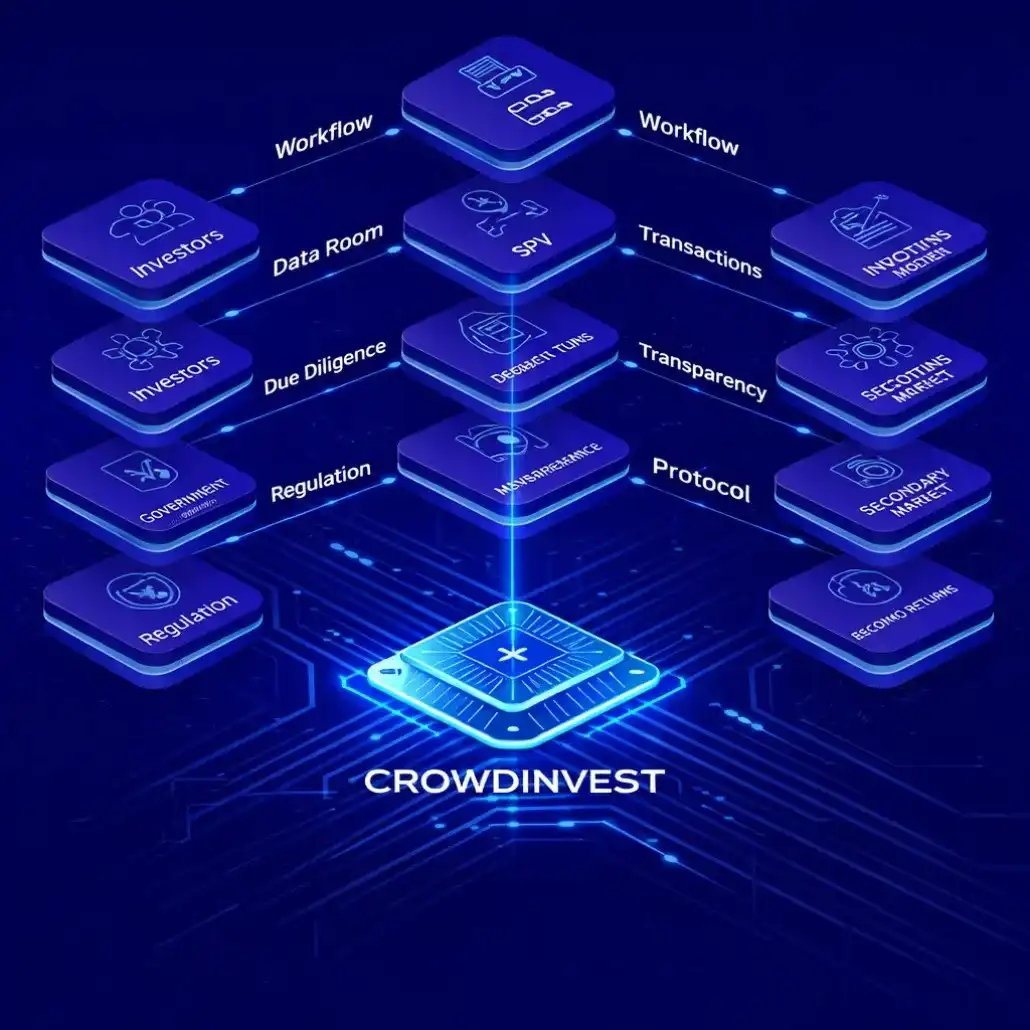
These examples come from digital finance and payment-focused projects with onboarding, transaction handling, and regulated user flows. They are not core banking case studies, but they show relevant experience across adjacent financial platforms.
These badges represent broader company listings and industry recognition across software and digital services.


Here are some common questions about banking software development, migration, compliance, integrations, and delivery. These answers give a practical starting point, while the final scope depends on the product, market, and system needs.
It depends on the scope, integrations, compliance needs, and whether the project is a new build or a modernization effort. Smaller modules may move faster, while larger platform or migration projects usually take longer and are often delivered in phases.
The right compliance approach depends on the product, market, and data flows involved. Banking software may need support for areas such as payment security, AML and KYC workflows, privacy controls, audit trails, and open banking requirements where relevant.
Cost depends on the feature set, architecture, integrations, and delivery scope. Focused modules usually cost less than full platform builds, while regulated workflows and legacy integrations can increase effort. The best estimate comes after a scoped review.
Yes. Legacy systems can often be connected through APIs, middleware, or phased modernization plans. In many cases, teams keep important existing systems running while newer services are introduced step by step.
Yes. Banking-related work can include digital banking journeys, payment flows, onboarding, fraud checks, and finance-focused platforms. The exact delivery model depends on the business stage, product scope, and market requirements.
Releases are usually planned with testing, rollout checks, monitoring, and fallback planning. After launch, support may include fixes, updates, performance review, and further improvements based on business priorities.
Share your banking platform, payments, integration, compliance, or modernization needs, and our team will help you plan the right next step.

United States:
Transform Digital LLC
44 Montgomery Street, Suite 300
San Francisco, CA 94104

United Kingdom:
30 Charter Avenue, Coventry
CV4 8GE Post code: CV4 8GF United Kingdom

United Arab Emirates:
Unit No: 729, DMCC Business Centre Level No 1, Jewellery & Gemplex 3 Dubai, United Arab Emirates

India:
715, Astralis, Supernova, Sector 94 Noida, Delhi NCR India. 201301

Qatar:
B-ring road zone 25, Bin Dirham Plaza building 113, Street 220, 5th floor office 510 Doha, Qatar

© 2026 SDLC Corp. All Rights Reserved.