
Case studies: intelligent document processing

AI Intelligent Document Processing Case Studies

These intelligent document processing case studies show how SDLC Corp automated invoice, bill of lading and invoice email processing for three companies in logistics and food distribution. Each project combines OCR and computer vision extraction with confidence checks, human review and ERP integration. Data AI Ninja, our document processing platform, packages the same workflow.

Clients featured:Transworld LogisticsMeed FoodsLiladhar Pasoo
Request a Proposal
48h to 4h
Invoice processing time, Transworld Logistics
4-5% to 0.1%
Data entry error rate, Transworld Logistics
$2.50 to $0.45
Cost per invoice, Transworld Logistics
90%
Manual email handling effort saved, Liladhar Pasoo
Case studies

Three document processing projects, three different bottlenecks

Each client had a different problem: invoice layouts that broke template OCR, vendor paperwork keyed by hand, and an inbox that needed constant triage. Each summary below links to the full case study.

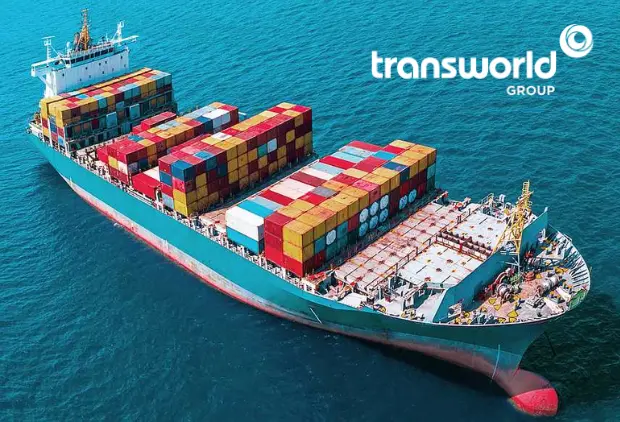
Transworld Logistics container ship, AI document processing case study
Logistics | Global operations

Transworld Logistics: earlier AI document-processing phase

The documented AI extraction work predates a further ERP and AI modernization in 2026. Read the earlier Odoo ERP implementation and the 2026 modernization for related engagement phases. Historical figures below should be read in the context of the earlier document-processing case study.

The challenge

More than 2,000 invoices a day arrived with no standard layout, so template-based OCR failed. Manual entry ran at a 4-5% error rate, with a 48-hour lag from receipt to approval.

What we built

An extraction pipeline that combines OCR with computer vision to read fields and tables across changing layouts. Confidence scoring sends only uncertain fields to reviewers, and validated data goes into the ERP through an API.

Results

  • Processing time: 48h to 4h
  • Error rate: 4-5% to 0.1%
  • Cost per invoice: $2.50 to $0.45
  • Full adoption within 3 months of a phased rollout

Read the Transworld Logistics case study
Meed Foods meal packaging, AI document processing case study for the food industry
Food distribution

Meed Foods: automated vendor invoice and bill processing

The challenge

Staff sorted and keyed vendor invoices, receipts and supply chain records by hand. That slowed order processing and made quality and compliance records hard to keep current.

What we built

Automated vendor invoice and bill processing that classifies incoming documents, extracts invoice and order data, and feeds it to order processing, supply chain and quality control workflows. The project also covered migrating existing records, ERP and CRM integration, and staff training.

Scope delivered

  • Invoice and order processing automation
  • Quality control and compliance tracking
  • Real-time supply chain data extraction
  • Integration with existing ERP and CRM
Read the Meed Foods case study
Liladhar Pasoo freight yard, automated invoice email processing case study
Logistics | India

Liladhar Pasoo: invoice email intake, SKU matching and routing

The challenge

Staff spent 3-4 hours a day opening, reading and forwarding invoice emails. Invoices were sent to the wrong departments, and missed ones went unnoticed until a vendor called.

What we built

A pipeline that scans the inbox every 15 minutes, reads the SKU on each invoice, matches it against a routing table and forwards it to the right team. An admin panel adds failure alerts, an audit log and one-click retry.

Results

  • Manual effort: 90% saved
  • 500+ invoices processed monthly
  • Inbox scanned every 15 minutes
  • Live in 4-6 weeks
Read the Liladhar Pasoo case study
How it works

How the document processing pipeline works

The three projects solved different problems, but they share the same six stages. Volume, document types and the receiving system decide how much of each stage a project needs.

  1. Intake

    Documents arrive from email inboxes, scanners and PDF uploads, and each one is logged when received.

  2. Classify

    The document type, such as an invoice, bill of lading or receipt, sets which fields and rules apply.

  3. Extract

    OCR and computer vision read text, key fields and line-item tables, even when vendors change their layouts.

  4. Validate

    Each field gets a confidence score, and business rules check totals, vendor IDs and SKUs.

  5. Review

    Low-confidence values go to a reviewer, shown side by side with the source page. Everything else passes straight through.

  6. Post and log

    Validated data is sent as structured JSON to the ERP or accounting system, and each action is written to an audit log.

FAQ

Intelligent document processing FAQs

What is intelligent document processing?

Intelligent document processing (IDP) uses OCR, computer vision and language models to classify documents, extract fields and tables, and validate the output before it reaches a business system. Template OCR breaks when a layout changes. IDP handles the different formats sent by different vendors.

Which documents were automated in these case studies?

Vendor invoices, bills of lading, receipts, supply chain records and invoice emails with attachments. Data AI Ninja supports 18+ document types out of the box, and new types can be added with their own field schema and rules.

How long does an intelligent document processing project take?

It depends on document variety and integrations. The Liladhar Pasoo email intake system went live in 4-6 weeks. The Transworld Logistics multi-format extraction platform was a 6-month implementation, and full adoption came within 3 months of the phased rollout starting.

How is extraction accuracy controlled?

Every extracted field gets a confidence score. Values below the threshold go to a reviewer before export, and rules check totals, IDs and SKUs. At Transworld Logistics this approach cut the data entry error rate from 4-5% to 0.1%.

Can the extracted data go straight into our ERP?

Yes. Validated output is delivered as structured JSON through APIs, so it can post to ERP, accounting or workflow systems. The Transworld pipeline writes directly into the company ERP, and the Meed Foods project integrated with existing ERP and CRM systems.

Let’s Talk About Your Product

Get expert guidance on scope, architecture, timelines, and delivery approach so you can move forward with confidence.

What happens next?