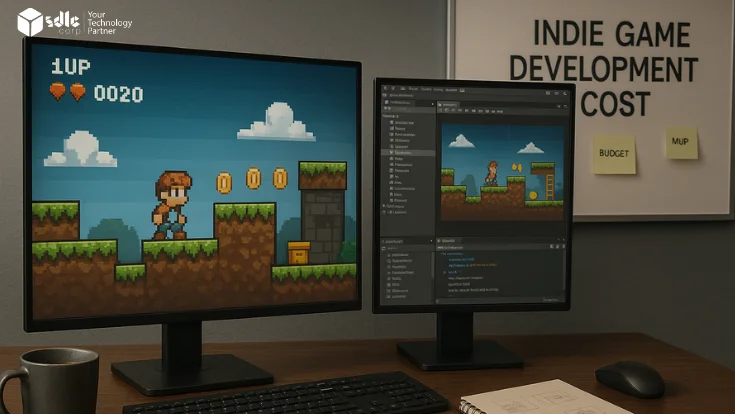
Indie game development costs between $5,000 and $100,000+ depending on game scope, team size, and platform. A solo developer using free tools can ship a game for under $5,000. A small team building a 3D RPG for PC and console will likely spend $60,000–$100,000+.
The indie game development cost is mostly driven by four things: game scope, art style, platform targets, and team size. Below you will find cost ranges for each component, a three-tier budget table, real examples, and tips to keep your budget under control.
What is indie game development?
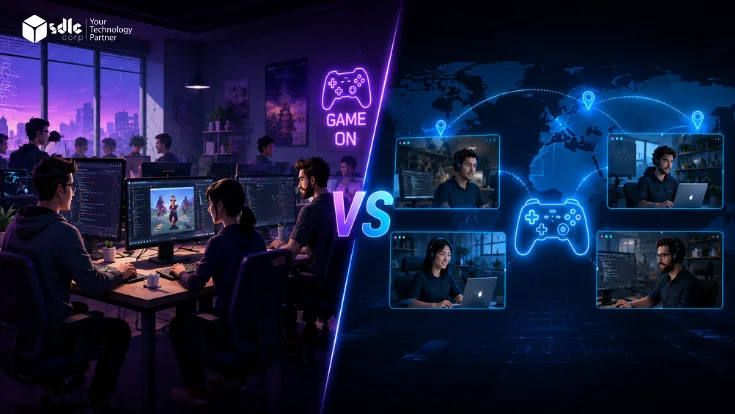
Indie game development means building a game without a large publisher's money or backing. The developer keeps full creative control but also carries all the financial risk. Most indie games come from one person or a small team of two to ten people.
Here are the four things that define most indie projects:
What actually drives your indie game development cost
Here is what drives the cost from $5,000 to $100,000+ — and where the money actually goes.
Game complexity and genre Main cost factor
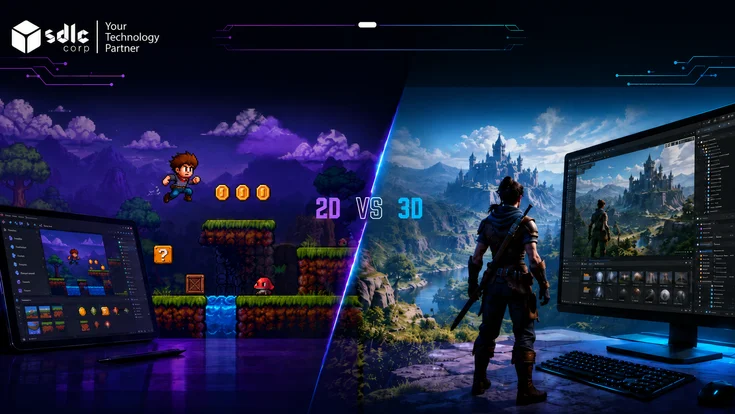
A 2D puzzle or platformer is cheap and fast to build. A 3D RPG or survival game needs far more code, content, and testing time. AR/VR and multiplayer add even more cost on top.
Art style and assets
Pixel art is the fastest and cheapest visual style. Hand-drawn 2D comes next. 3D models, rigging, and cutscenes are the most expensive. Outsourcing art saves dev time but adds budget.
Target platform
PC-only is the simplest and cheapest path. Each additional platform (mobile, console, multi-platform) adds porting work, testing, and certification costs.
Team size and structure
A solo dev spends almost nothing on salaries but takes years. A 4–6 person team can ship faster but costs $10,000–$30,000+ per month in wages or freelance fees.
Tools, engines, and licenses
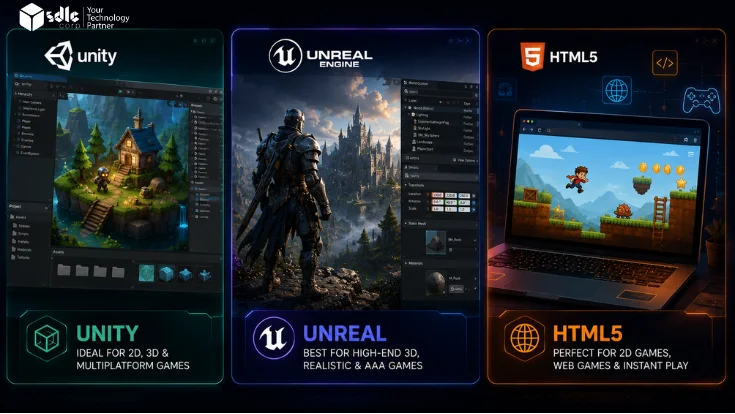
Godot is free. Unity is free for developers with under $200,000 in combined revenue and funding in the past 12 months — above that a paid subscription is required (no royalties). Unreal Engine is free until your game earns $1 million in lifetime revenue, then charges a 5% royalty. Paid plugins and asset packs add up on top of either engine.
Indie game development cost by scope
Three tiers cover most indie projects. Your actual cost will depend on the five factors above.
| Tier | Budget range | Team size | Timeline | What you get |
|---|---|---|---|---|
| Basic / Jam game | $5,000–$15,000 | 1–2 people | 4–8 weeks | Simple 2D game — 1–2 mechanics, pixel or simple vector art, PC or mobile only |
| Mid-size indie | $20,000–$60,000 | 2–5 people | 3–6 months | Polished 2D or simple 3D, original art and music, PC + one console port, 5–10 hours of content |
| Full-scale indie | $60,000–$100,000+ | 5–10 people | 6–18 months | 3D environments, full voice acting, multi-platform release, 20+ hours of content |
Three well-known indie games for reference: Stardew Valley — solo developer, ~5 years, minimal cash costs (no published figure). Celeste — 2-person core team plus contractors, ~2 years. Hollow Knight — 2 developers, raised AU$57K on Kickstarter, rest from savings. None disclosed a total development cost publicly.
Cost breakdown by component
Where the budget actually goes in a typical mid-size indie project.
Hidden costs most indie developers forget
These costs are easy to miss in your first budget — and they add up fast.
Engine and plugin licenses
Unity Pro, paid plugins, and store licensing fees. Some become mandatory at revenue thresholds.
Marketing and community
Trailers, press kits, ads, and Discord/Steam community management cost real time and money.
Legal and compliance
Copyright registration, privacy policy, store agreements, and GDPR compliance for EU players.
Post-launch support
Bug patches, player-reported issues, and compatibility updates after release — often underestimated.
Console submission fees
Getting your game on PlayStation, Xbox, or Nintendo Switch requires dev kits, approval processes, and certification testing. Exact costs are not publicly disclosed but they are significant — factor this in before targeting consoles.
Servers (for online games)
Multiplayer, leaderboards, or cloud saves need monthly server infrastructure costs from day one.
How to reduce your indie game development cost
Early planning tends to reduce what you spend overall. These five moves have the biggest impact.
Build a prototype first
Validate your core game loop before investing in art or audio. A working prototype often costs under $2,000 and saves you from expensive pivots later.
Use free and open-source tools
Godot is completely free. Blender handles 3D modelling and animation at zero cost. BFXR and Audacity cover many basic sound needs.
Buy asset packs instead of commissioning
Unity Asset Store and itch.io asset packs can cut art costs by 50–70%. Customise purchased assets to give them your unique look.
Hire freelancers for specialist work
Use Upwork or ArtStation to hire artists and composers for specific tasks rather than keeping full-time roles on payroll.
Apply for grants
Programs like Epic MegaGrants, Creative Europe, and national game funds offer free funding for indie developers worldwide — you keep full ownership of your game.
How indie games make money
The model you use affects whether you recover your development cost. Match it to your game type and audience.
Premium (buy once)
One-time payment on Steam, Epic, or mobile stores. Well suited to story-rich or polished games where players feel they get good value.
Common for: story games and RPGsFreemium + in-app purchases
Free to download, earn through optional cosmetics, level packs, or ad removal. Ideal for mobile games with high download volume.
Common for: mobile and casual gamesOther common models include Patreon, Steam Early Access, and crowdfunding — best explored once you know your game's scope and audience.
When to work with a development partner
Solo development works well for simple 2D games. For anything more complex, working with a specialist team — like a professional game development companyprofessional game development company.
- Your game fits one or two core mechanics
- You have 1–2 years to learn and build
- Your budget is under $15,000
- You want full creative control over every detail
- Your game needs 3D art, voice acting, or multiplayer
- You have a hard deadline or a deal that depends on shipping on time
- Your budget is $25,000 or more
- You lack specific skills (art, audio, or QA)
Questions to ask any development studio before hiring
- Can you share shipped games from your portfolio, especially similar scope to mine?
- Is the quote a fixed price, or do you charge by the hour? What triggers extra costs?
- Who owns the source code and assets after delivery?
- What post-launch support is included and what costs extra?
Related: How to choose the best indie game development partner
Want a development estimate for your game idea?
Tell us your concept, target platform, and timeline. SDLC Corp — a game development company — will return a scoped cost breakdown with the assumptions behind each number.
Get a Free EstimateFrequently asked questions about indie game development cost
How much does it cost to make an indie game?
Indie game development typically costs between $5,000 and $100,000+. A basic 2D game made solo costs $5,000–$15,000. A polished mid-size indie title costs $20,000–$60,000. A full-scale indie game with 3D art and multi-platform support costs $60,000–$100,000 or more.
Can you make an indie game on a small budget?
Yes. Many successful indie games were built for under $30,000 using free tools like Godot and Blender, pre-purchased asset packs, and freelancers for specific tasks. Starting with a prototype helps control costs and validate the idea before full production.
What is the cheapest way to develop an indie game?
Use a free engine (Godot), buy asset packs instead of commissioning custom art, do the programming yourself, and release on one platform first (PC via Steam or itch.io). Solo developers have shipped quality games for under $5,000 this way.
How long does it take to make an indie game?
A basic 2D game takes 4–8 weeks. A mid-size indie title takes 3–6 months. A full-scale 3D game can take 1–3 years. Solo developers typically take longer than small teams at the same scope level.
What is the best game engine for indie development?
Godot is free and growing fast — best for 2D games. Unity is free for developers with under $200,000 in combined revenue and funding in the past 12 months; above that a paid subscription applies. Unreal Engine is best for high-fidelity 3D games — free until your game earns $1 million in lifetime revenue, then 5% royalty. All three have large communities and free learning resources.
How do indie games make money?
The most common paths: premium pricing (one-time purchase on Steam or mobile stores), freemium with in-app purchases (common for mobile), Patreon or Steam Early Access for community-funded development, and crowdfunding on Kickstarter before launch.