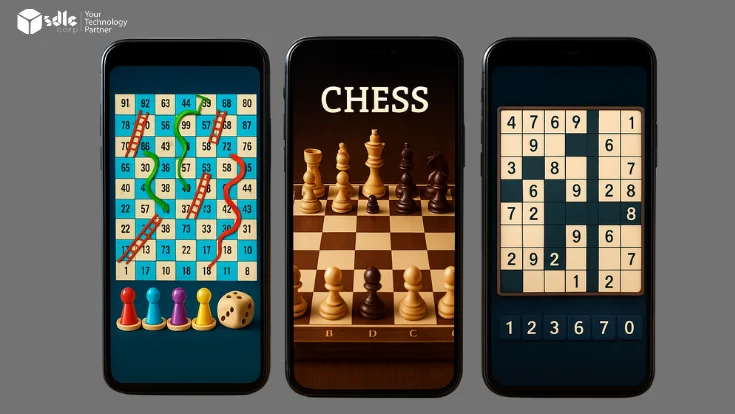
Board Game Development Company
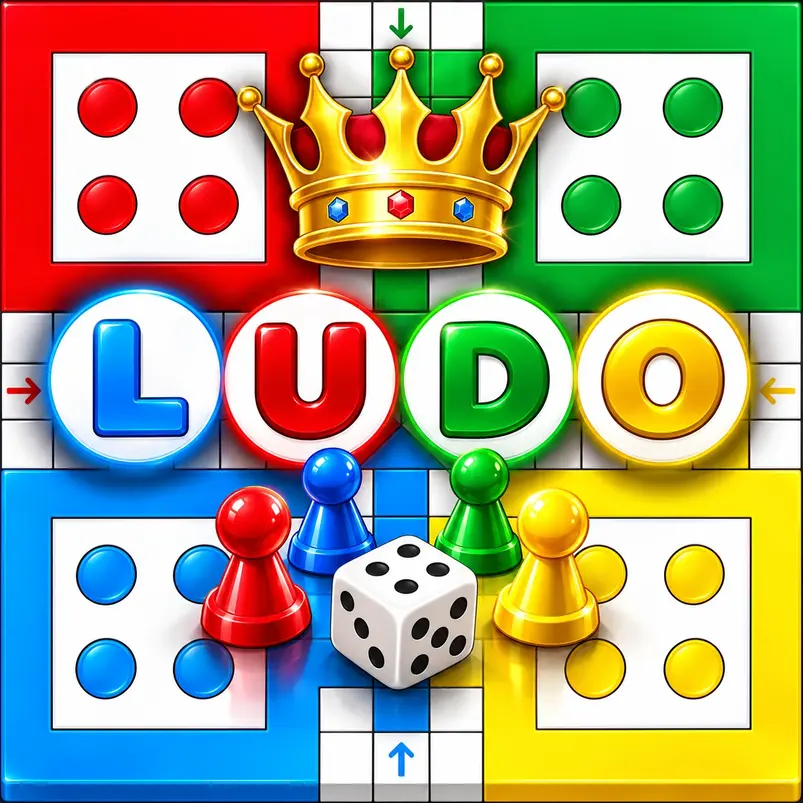
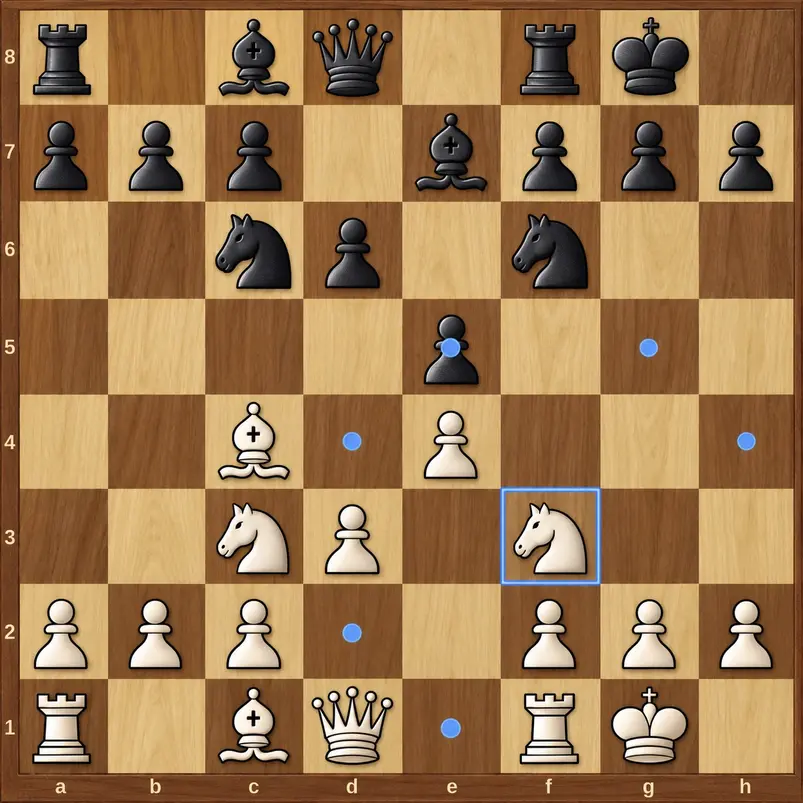
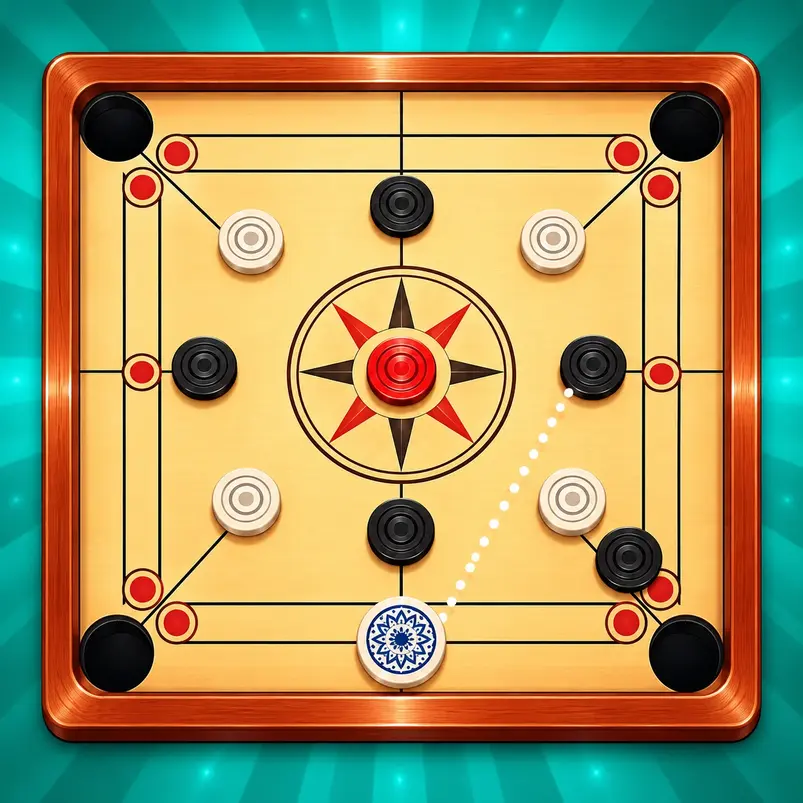
SDLC Corp is a board game development company that builds digital games for publishers, studios, and founders. For example, we develop classics such as Ludo, chess, and carrom, as well as original games and tabletop adaptations. In addition, our team covers AI opponents, multiplayer, testing, and post-launch updates.






- Unity
- Cocos2d-x
- Godot
- Real-Time Multiplayer
- AI Opponents
- iOS & Android
- HTML5 / WebGL
- PC / Desktop
- Console
- Scalable Backend
Board Game Case Study: Multiplayer Ludo
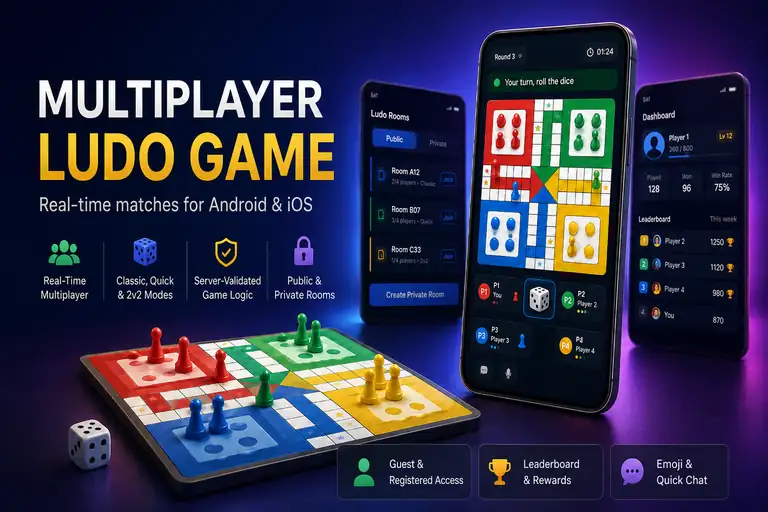
This online board game project combines gameplay, backend engineering, and mobile delivery. In particular, it shows server-checked moves and live match updates across connected devices.
Multiplayer Ludo for Android and iOS
SDLC Corp built a four-player Ludo game in Unity for Android and iOS in 14–16 weeks. Players join public rooms or private invites and play Classic, Quick, or 2v2 modes with timed turns. Meanwhile, the server checks every dice roll and token move. As a result, players who lose connection can rejoin at the latest saved match state.
- Platforms:
- Android and iOS
- Delivery:
- 14–16 weeks
Custom Board Game Development Services
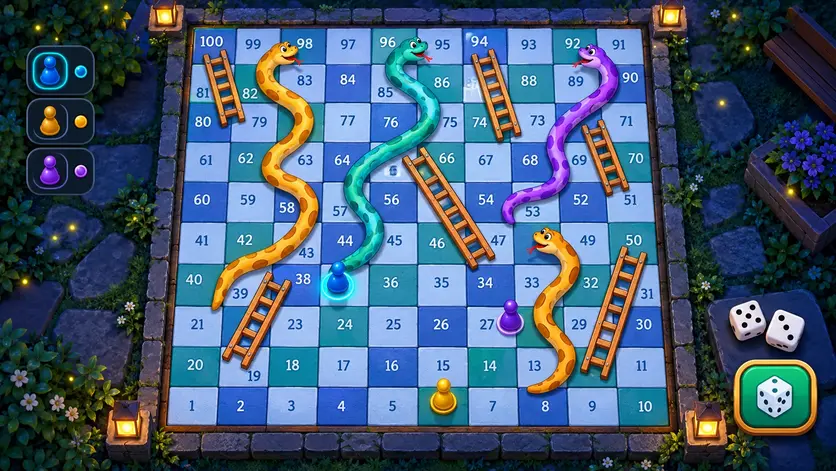
Our board game development services cover full games, digital adaptations, and single systems such as AI or multiplayer. For example, we build classics like Ludo, Snakes and Ladders, and carrom. In addition, we support strategy, party, educational, and deck-building formats.
Custom Digital Board Games
Design original mechanics, scoring, progression, and player interactions around your concept. For shorter sessions and simple controls, see our related casual game development services.
Physical-to-Digital Adaptation
Turn an existing tabletop game into digital rules, controls, and tutorials. If a rule is unclear, we agree on it with you before we build.
Multiplayer Board Game Development
Connect players through matchmaking, private rooms, accounts, and saved matches. In asynchronous games, players take turns at different times, and the game keeps their progress between sessions.
Board Game AI Development
Create AI opponents that play legal moves within set response times. For example, chess game development needs move evaluation and difficulty levels. In hidden-information games, the AI only sees what a player could see.
Board Game Art and UI/UX
Develop readable boards, cards, pieces, menus, and touch controls. In addition, our game art and consulting services help set the visual direction and asset list.
Monetization and Live Updates
Add in-app purchases, ads, premium access, or content packs. After launch, we also handle OS update fixes, expansions, and scheduled content.
Features for Digital Board Games
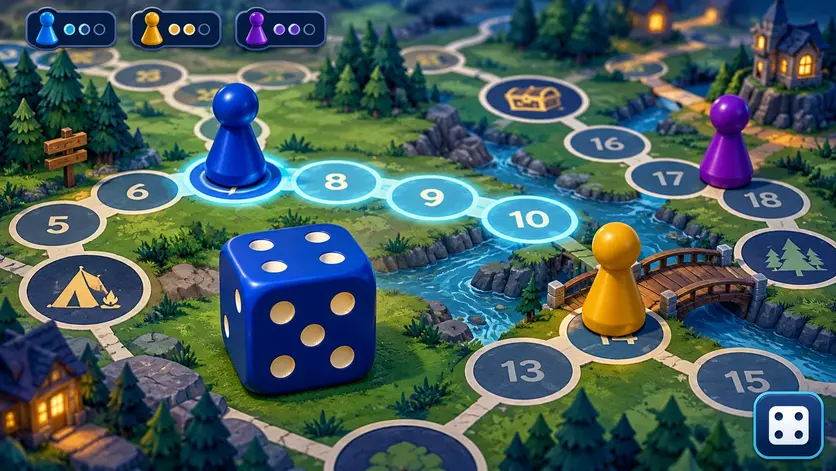
Digital board games need clear player actions and consistent rules. Accordingly, we choose features based on your game format and launch scope.
Rule Validation
Checks legal moves, scoring, turn order, and win conditions against the rulebook. For online matches, server-side validation rejects invalid actions. In addition, request IDs prevent a repeated move from being applied twice.
Private Rooms and Matchmaking
Lets friends join private rooms or find opponents by skill and game mode. Before a match starts, players confirm room settings. If no opponent is available, the agreed queue rules define waiting or cancellation.
Turn Management
Manages turn order, countdown timers, and reminders. When a player misses a turn, agreed rules apply a skip or timeout. Meanwhile, server timestamps keep connected players on the same turn deadline.
Reconnection
Restores the latest valid match state after temporary connection loss. Before play resumes, the client checks the server’s turn and move history. However, recovery remains subject to session expiry and timeout rules.
Guided Tutorials
Introduces rules through playable steps and move guidance. Then, players practice key actions before a full match. For example, a short tutorial can explain legal moves, scoring, and how a turn ends.
Match History and Leaderboards
Records moves, scores, and key events for review and support checks. Where replay is in scope, stored events rebuild the match. In addition, agreed ranking rules handle tied scores and incomplete games.
Our Board Game Development Tech Stack
We select board game development tools around your rules, target platforms, and multiplayer requirements. Unity and C# support gameplay, while Node.js, Socket.IO, and databases handle online sessions and saved match states. In addition, AI decisions respect available player information. Meanwhile, testing covers legal moves, device performance, and reconnection during active turns.

 Figma
 Blender
Our Board Game Development Process
Each digital board game project follows clear deliverables and playable reviews. Throughout delivery, agreed milestones keep decisions, approvals, and scope changes visible.
Define the Scope
First, review the rulebook, audience, platforms, and available assets. Then, agree deliverables, acceptance criteria, and dependencies. Record rule ambiguities and backend needs early, so the estimate reflects the actual launch scope.
Test the Prototype
Next, test the core loop and controls in a limited playable build. For existing games, check unclear rule interactions and tutorial needs. Then, use feedback to approve the rules and technical direction before production.
Build and Review Milestones
Build gameplay, interfaces, AI, and integrations through reviewable milestones. Meanwhile, run rule tests and device checks throughout production. Share builds and review feedback, then assess cost and schedule changes before expanding scope.
Validate the Game
Before release, validate supported devices, rule edge cases, timeouts, and interrupted sessions. For example, test duplicate requests during an active turn. Then, review agreed performance and concurrent-player targets and resolve release blockers.
Prepare Release and Handover
Finally, prepare approved builds, deployment notes, project access, and documentation. Also, confirm custom-code ownership and third-party licenses against the contract. After handover, follow the agreed monitoring, bug-fix, and update responsibilities.

Why Choose SDLC Corp for Board Game Development
Our 90+ game development engineers are part of SDLC Corp’s 1,200+ engineering team. To date, they have delivered 400+ game development projects.
“They were willing to discuss alternative approaches and explain the practical implications of design decisions.”
- 400+
- Game Development Projects
- 90+
- Game Development Engineers
- 30+
- Countries Served
- An NDA is available before you share confidential game rules or assets.
- Agree source code, assets, builds, and IP ownership terms, including third-party licenses.
- Confirm features, costs, timelines, and review milestones before production begins.
Share your brief, and we will agree on scope, roles, build access, and budget.
Board Game Design and Development Guides
Explore practical guides to board game design, mechanics, and budgets. Together, these resources help you prepare your concept before development.
A Beginner’s Guide to Board Game Design
How We Build Board Games