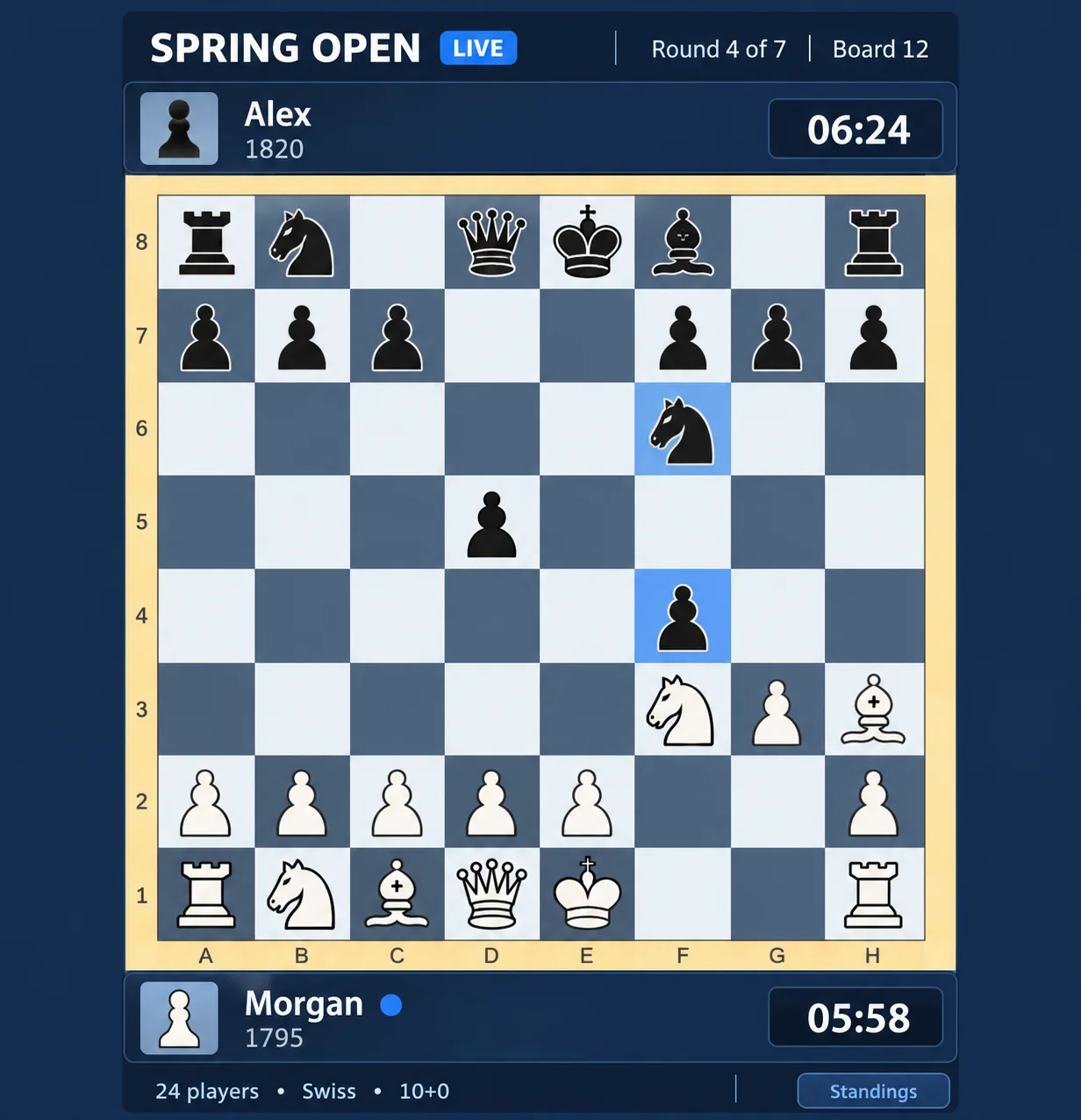
 Chess Tournaments
Chess Game Development Company
SDLC Corp builds custom chess games for mobile and web. Our chess game development services cover AI opponents, multiplayer, tournaments, and admin tools. Before development starts, we define your launch requirements. Afterwards, we organise development around clear milestones, testing, and handover.
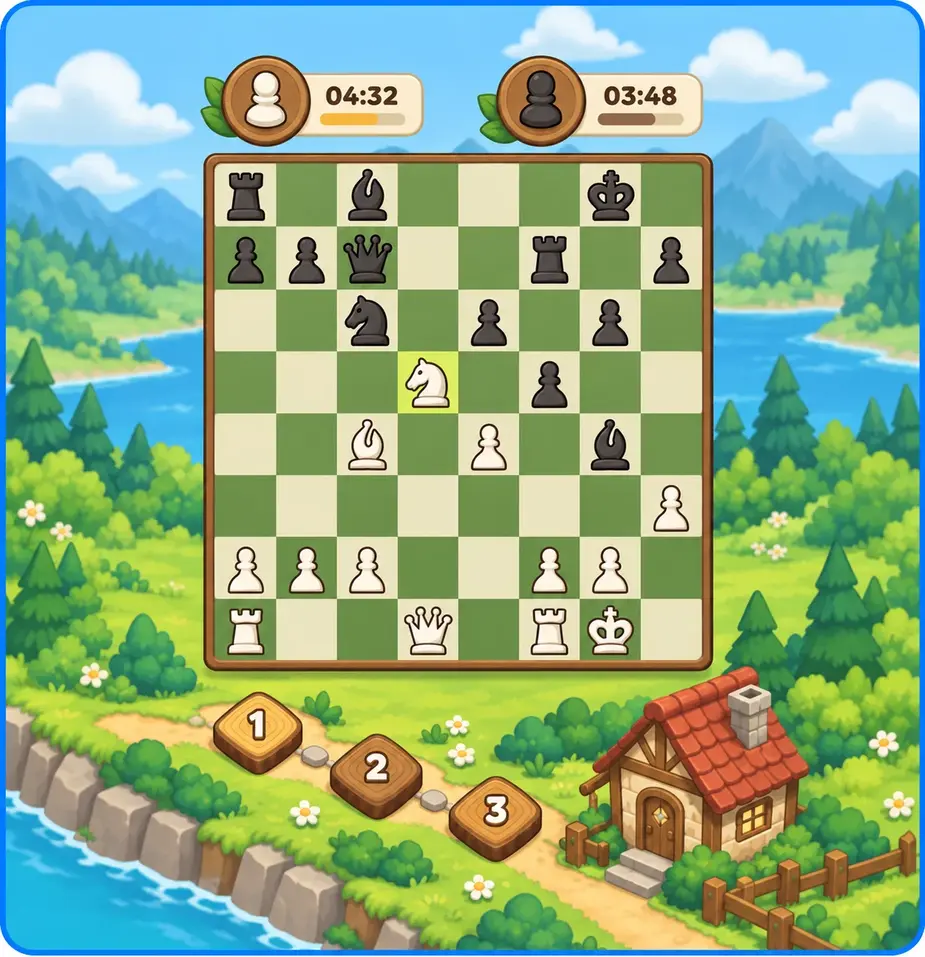 Casual Chess
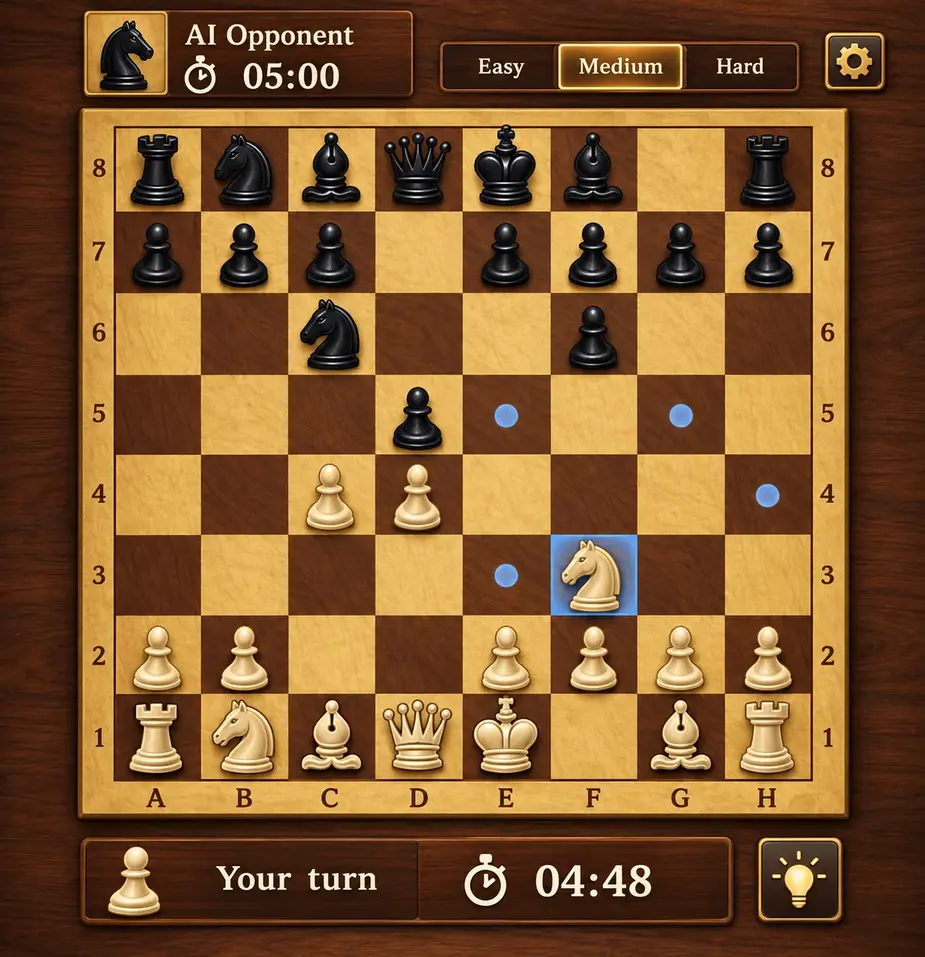
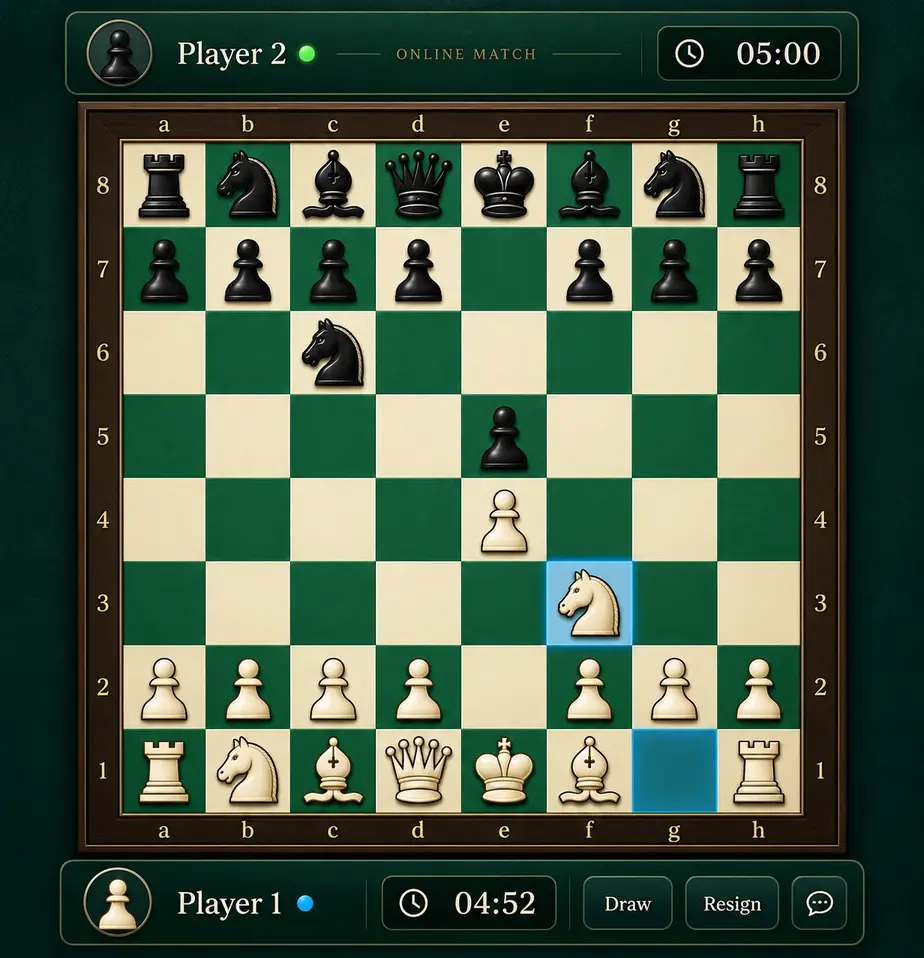
Find us on review platforms





Technology for Custom Chess Game Development
- Chess Rule Validation
- Chess Engine Integration
- AI Opponents
- Real-Time Multiplayer
- Chess Clock Synchronization
- iOS & Android
- HTML5 / WebGL
- PC / Desktop
- PGN / FEN Support
- Scalable Backend
Explore Our Game Development Projects
Explore our school chess platform project and multiplayer Ludo game. Together, these case studies cover online competition, shared match state, private rooms, and player reconnection.
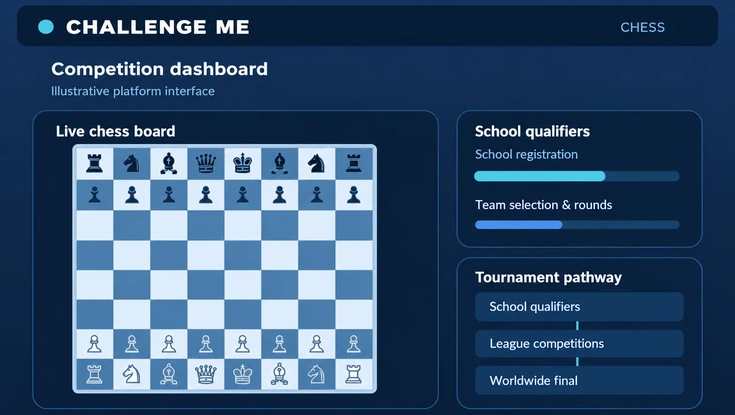
Online Chess Platform for Schools
SDLC Corp is building Challenge ME, a browser-based chess platform for school competitions. The proof of concept is delivered, with the full build planned around student play, school onboarding, tournament management, fair-play review, and live match viewing.
- Platform:
- Web Browser
- Status:
- POC Delivered
Multiplayer Ludo for Android & iOS
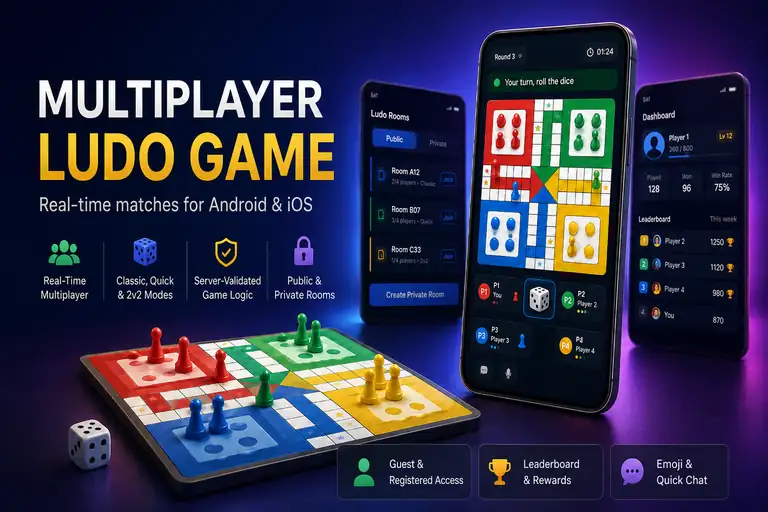
SDLC Corp developed a four-player Unity Ludo game for Android and iOS in 14–16 weeks. It included public rooms, private invitations, and Classic, Quick, and 2v2 modes. Behind the scenes, the backend checked dice results and token moves. Reconnection support helped players recover the latest available match state after temporary network loss.
- Platforms:
- Android & iOS
- Delivery:
- 14–16 weeks

Custom Chess Game Development Services
Our chess game development services cover complete products, specific integrations, and existing platform improvements. First, we identify the features your launch needs. Once those are clear, we define deliverables around your audience, platforms, and budget.
Custom Chess App Development
Create a branded 2D or 3D chess app with clear board controls, profiles, and game settings. Next, we design the interface around your users, and then connect gameplay with the agreed account features.
For products spanning several board games, explore our board game development services.
Multiplayer Chess Game Development
Connect players through matchmaking, private invitations, and casual or rated matches. The server validates moves and maintains the authoritative match state and clock. Each client displays an estimate that resynchronises with the server; network delays can cause brief differences. After a connection drops, recovery follows the saved state and agreed disconnect policy.
Chess AI & Analysis Integration
Add practice opponents, difficulty settings, hints, or post-game analysis. First, we assess engine options such as Stockfish against your requirements. For beginners, we lower the engine skill level or search depth. For club players, we raise them. Meanwhile, practice help stays separate from competitive play.
Chess Tournament Software Development
Manage registration, schedules, pairings, standings, and organiser controls. Before development, we confirm formats and tie-break rules. After the build, we test scoring and progression against your approved competition requirements.
Educational Chess Platform Development
Build tutorials, puzzles, practice games, and progress tracking. School platforms can also include student registration and coordinator access. For younger users, we define account permissions and communication controls during discovery.
Existing Chess Platform Improvements
Update your chess app with interface changes, backend improvements, or new features. First, our chess game developers review the code and reported issues. From that review, we prepare a scoped improvement plan.

Platforms for Chess Game Development
We plan chess game development around your audience and target devices. First, we review access, performance, and release requirements for each device. Based on that review, we recommend a platform approach that fits your launch and support plans.
Android
Build chess apps for supported Android phones and tablets, tested across screen sizes, touch controls, and network changes. See our Android game development services.
iOS
Develop chess apps for supported iPhones and iPads, with release preparation for device compatibility and store submission. Explore our iOS game development services.
Web
Offer browser-based chess without an app installation. As a result, this suits schools, tournament organisers, and players on desktop or tablet devices.
Cross-Platform
Connect clients through shared accounts and match services, with interface checks and testing on each platform. Our cross-platform game development services help plan it.
Our Chess Game Tech Stack
Chess software development combines gameplay, engine, backend, design, and testing tools. Rather than using one stack for every product, we select tools around your platforms, features, and expected match traffic.
 Unity
C#
HTML5
WebGL
Stockfish
Minimax with Alpha-Beta Pruning
Glicko-2
Node.js
Socket.IO
Firebase
MongoDB
Redis
 Figma
Illustrator
 Blender
AWS
Postman
Firebase Test Lab
Unity Test Framework
For visual 2D and 3D clients, explore our Unity game development services. However, browser-first products need a separate assessment of loading time and device limits.

Our Chess Game Development Process
Our chess game development process connects milestones with reviewable deliverables. First, architecture starts during discovery. Meanwhile, testing continues throughout production, followed by final release validation.
Discovery & Scope
First, we confirm users, platforms, modes, and integrations. Then, we document priorities, assumptions, and acceptance criteria.
Prototype & Architecture
With scope agreed, we test board interactions and key journeys. We also plan the engine, accounts, backend, and admin tools.
Development & Integration
We build the agreed features in milestones. During reviews, you inspect working builds and provide feedback.
Gameplay & Platform Testing
Testing covers legal moves under the FIDE Laws of Chess, draw handling, clocks, ratings, reconnection, and supported devices. In addition, scoped load tests check expected traffic.
Release Validation & Handover
Finally, we validate builds, deployment settings, and handover materials. Ongoing support follows the agreed service scope.

Why Choose SDLC Corp for Chess Game Development?
Our 90+ game development engineers are part of SDLC Corp’s 1,200+ engineering team. To date, they have delivered 400+ game development projects. For chess products, we support clubs, coaching academies, edtech teams, and casual game studios with server-side move checks, server-authoritative clocks, and match recovery.
“They were willing to discuss alternative approaches and explain the practical implications of design decisions.”
Sushant Ashtaputre Senior Associate, Digital Entertainment Company
400+ Game Development Projects
90+ Game Development Engineers
30+ Countries Served
- An NDA is available before you share confidential features, product plans, or code.
- Agree source code, assets, builds, and ownership terms, including third-party licences.
- Confirm features, costs, timelines, and review milestones before production begins.
Share your brief, and we will review your platforms, features, timeline, and budget.
Chess Game Development Guides
These chess game development guides explore AI, platform planning, and product features. For example, use them to prepare questions before discovery.

AI-Powered Chess Games

Cross-Platform Chess Games