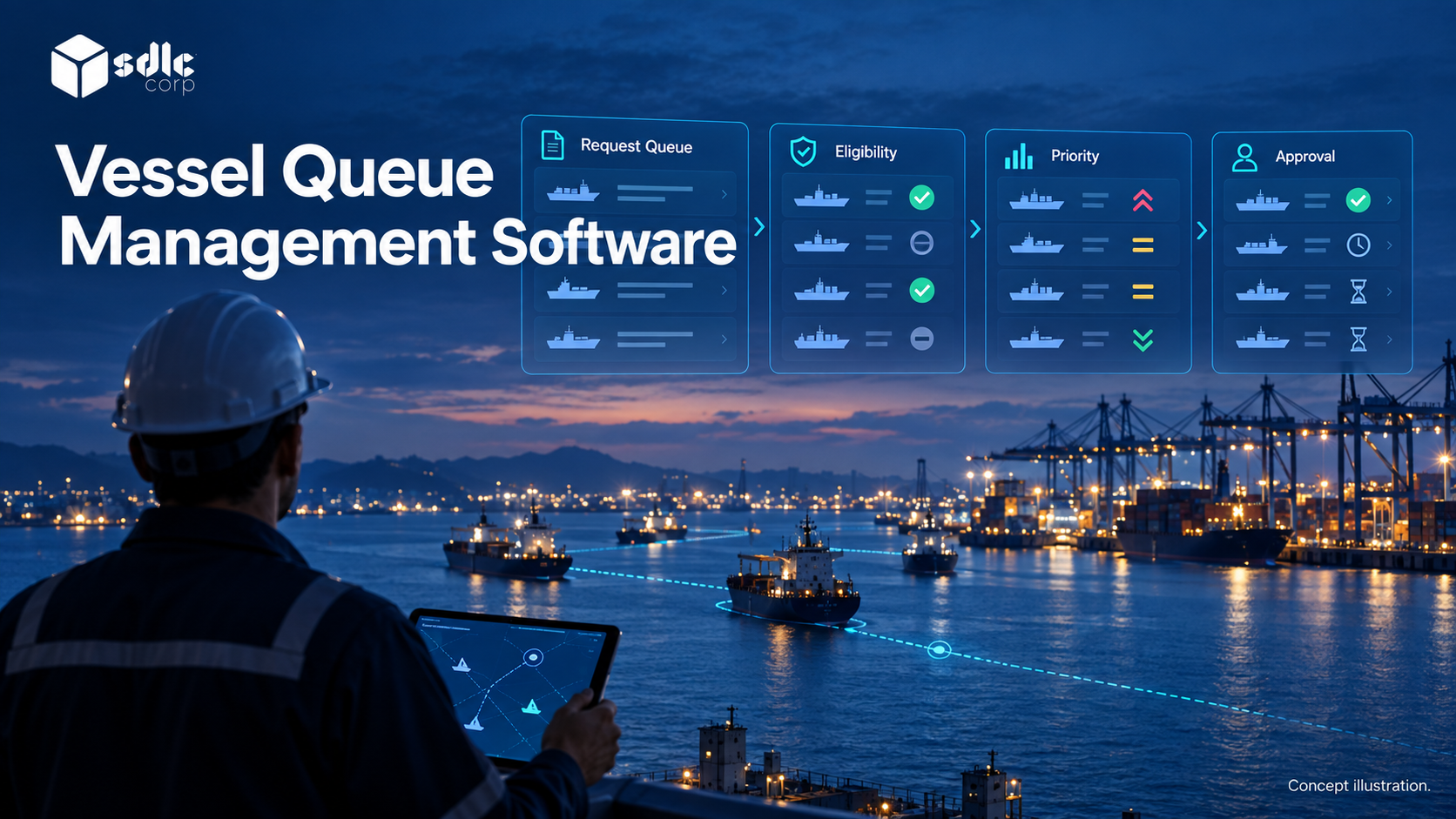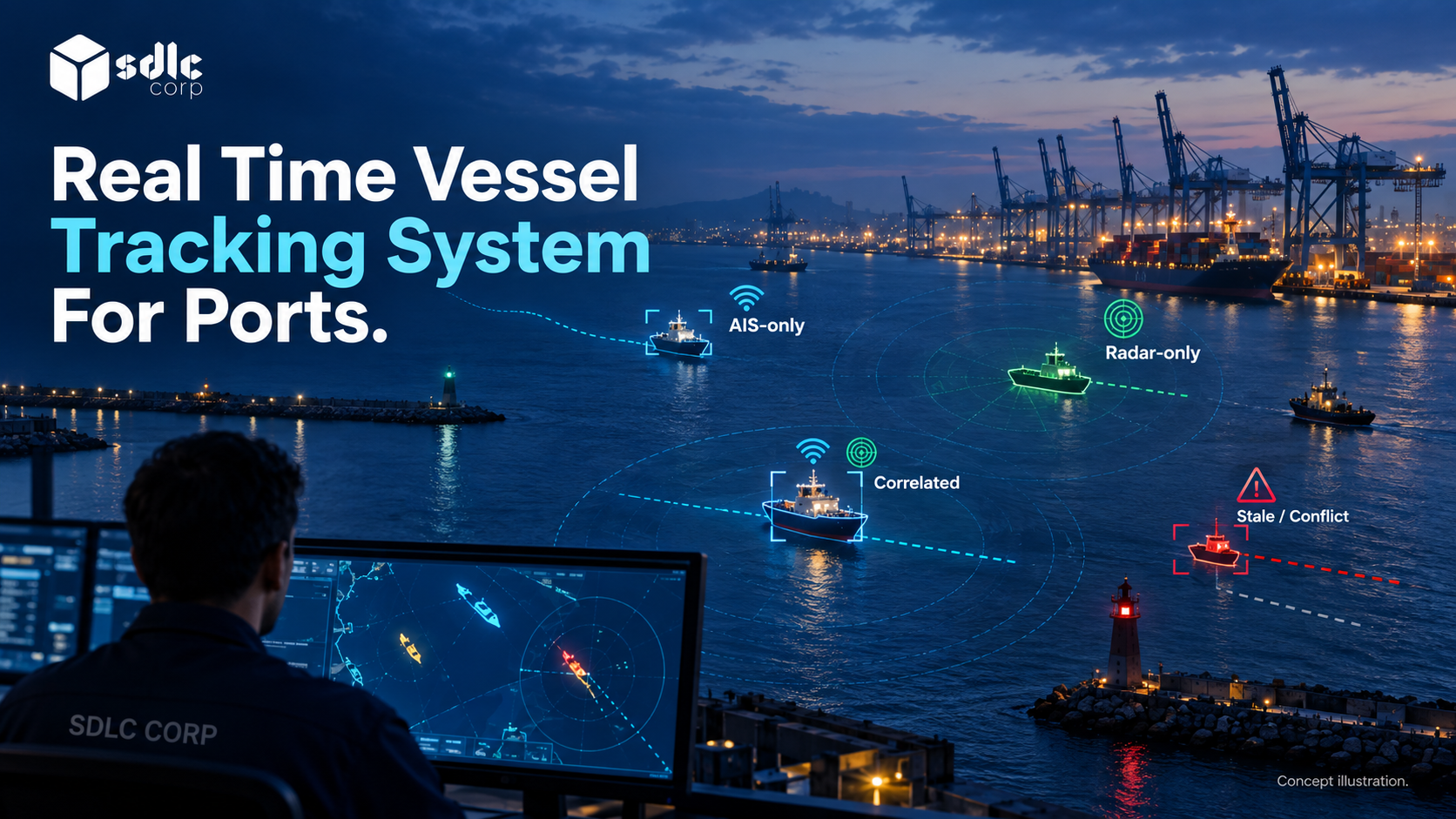

Better port call coordination can reduce delays caused by late updates, repeated confirmation and unclear handoffs. Sharing changes in berth, fairway and service readiness gives the responsible teams an earlier opportunity to revise the plan.
That benefit has limits: software cannot create berth capacity or remove a weather restriction. The useful business question is which part of a delay comes from information and coordination, and whether the participants can change it.
Which Port Delays Can Better Coordination Reduce?
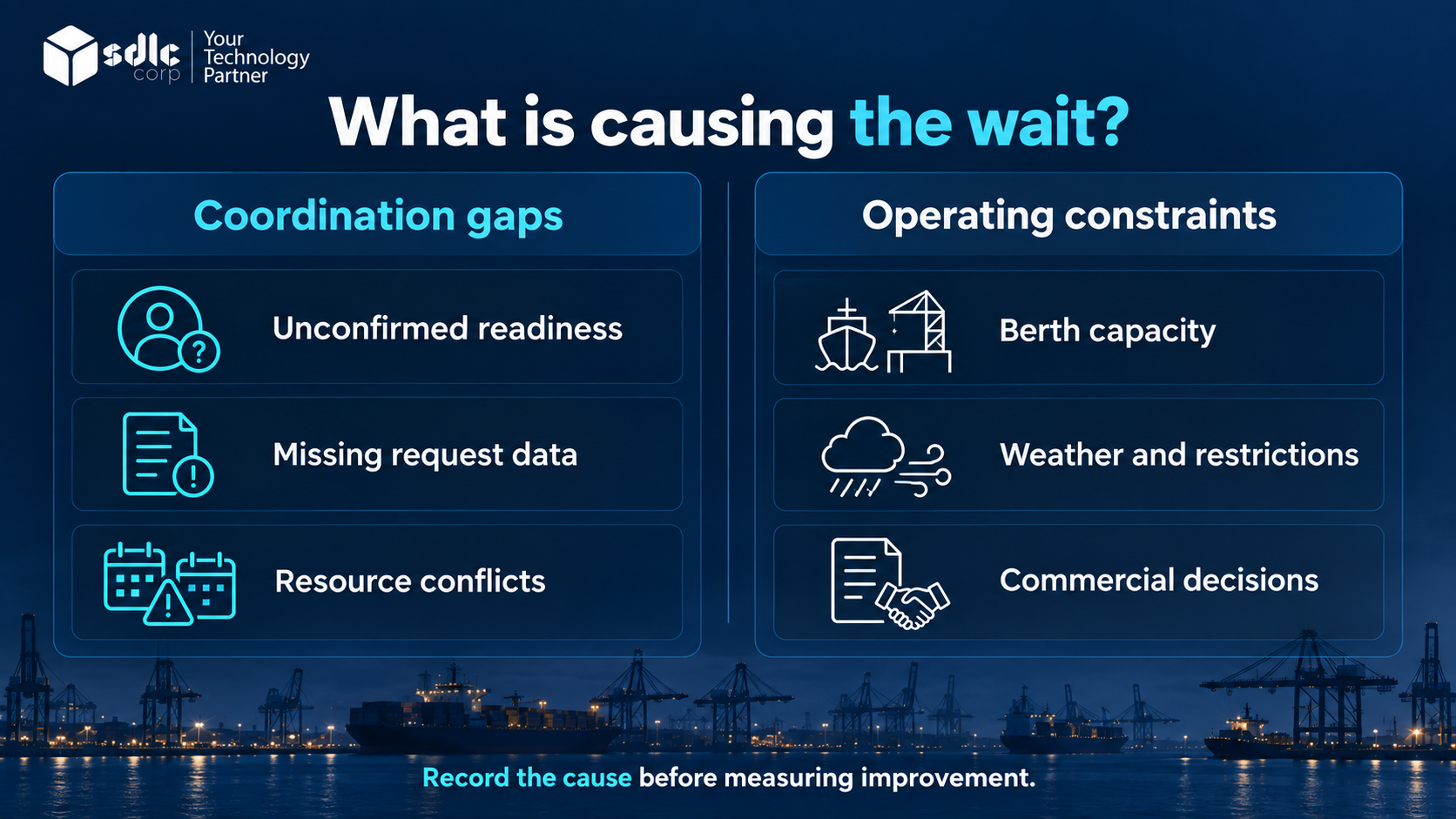
Separate waiting caused by missing information from waiting caused by physical capacity, weather, operating restrictions, or commercial decisions. Software can make a missing acknowledgement visible; it cannot create berth capacity. Without this distinction, a project can appear to underperform even when it fixes the workflow it was designed to improve.
| Delay category | Evidence to collect | Potential application role |
|---|---|---|
| Unconfirmed readiness | Revision and acknowledgement history | Shared milestone status |
| Missing request data | Incomplete fields and resolution time | Validation and work assignment |
| Resource conflict | Competing reservations and constraints | Conflict visibility |
| External restriction | Reason, owner and effective interval | Context for a revised plan |
Record the cause before aggregating a waiting time metric. A single average can hide whether a delay is controllable by the project team or belongs to a separate operating constraint.
A call can have more than one constraint at once. For example, an unanswered readiness request may overlap a berth closure. Record both intervals, but do not add them together as if each created a separate period of vessel waiting. Identify which unresolved condition actually prevented the next step at each point.
Keep a correction history for reason codes. If later evidence changes the attributed cause, the report should retain the earlier classification and explain the revision. Otherwise a cleaner looking metric could reflect changed coding rather than a better handoff.
Better messaging cannot create berth capacity, remove a weather restriction, supply an unavailable nautical service or replace an authority’s decision. It may reveal those constraints sooner and reduce the delay in communicating a revised plan. Measure that information improvement separately from any later change in vessel waiting time.
Establish A Baseline Before Promising Benefits
Choose metrics that correspond to an action the new workflow supports. Examples include unresolved readiness updates, time spent reconciling call records, requests awaiting an owner, and changes received after a planning cut off. Agree the sampling period and exclusions. Review a sample of records with operators to ensure the timestamps mean what the report assumes.
For waiting time analysis, define the start and end events and identify the reason codes used. Avoid combining physical arrival observations with administrative timestamps without examining the gap between them. An evidence based investment case can then distinguish measured improvement, avoided effort, and benefits that remain uncertain.
Which Minutes Can Better Information Actually Remove?
Illustrative example
Both paths use call C-182 and face the same terminal constraint. The changed variable is when readiness information reaches the coordinator.
| Milestone | Separate Messages | Shared Readiness Record |
|---|---|---|
| Initial berth estimate | 12:00 | 12:00 |
| Terminal revises availability at 10:00 | New readiness is 13:00 | New readiness is 13:00 |
| Coordinator learns of revision | 10:30 | 10:01 |
| Service provider reconfirms | 11:00 | 10:20 |
| Berth actually ready | 13:00 | 13:00 |
The coordination loop closes in 60 minutes in the first path and 20 minutes in the second: 40 minutes less administrative delay. Both still wait for the 13:00 berth. It would be wrong to report those 40 minutes as vessel waiting time saved.
Attribute The Delay Before Claiming A Benefit
| Interval | Cause | Effect Of Shared Information |
|---|---|---|
| 12:00 to 13:00 berth postponement | Terminal unavailability | No reduction in this example |
| 10:00 to 10:30 notification delay | Coordinator lacks updated estimate | Reduced to one minute |
| 10:30 to 11:00 reconfirmation | Provider checks revised plan | Starts earlier and finishes at 10:20 in the alternate path |
| Movement after 13:00 | Services and required approvals | Still needs confirmation |
The useful result is earlier knowledge of a feasible plan. To measure a real benefit, compare call records with equivalent constraints and track notification and acknowledgement times separately from physical arrival and departure.
Retain The Handoff Evidence
| Shared-Record Event | Exercise Timestamp | Evidence |
|---|---|---|
| Revised status available | 10:00:00 | Terminal issues the new readiness revision |
| Message sent | 10:00:05 | Publisher record with revision and recipient |
| Message received | 10:00:10 | Receiver records transport receipt |
| Coordinator acknowledges and updates the plan | 10:01:00 | Attributed acceptance of the revision |
| Service provider reconfirms | 10:20:00 | Separate service commitment |
The first four records explain the information handoff. The last is a different operational decision; receipt alone does not establish it.
Connect Readiness Milestones
Explain Which Readiness Fact Changes The Plan
Use an agreed vessel call identity to connect anchorage allocation, berth expectations, and service readiness. Distinguish estimated, requested, planned, confirmed, and actual timestamps. A change to an estimate should not masquerade as a confirmed commitment. Show the owner and update time beside each milestone so a coordinator knows whom to contact.
The International Maritime Organization (IMO) Just In Time Arrival guide announcement connects arrival planning with berth, fairway, and nautical service availability. Translate that concept into local responsibilities before selecting software. Port call milestone integration explains the event and acknowledgement design needed to support the coordination.
Use the reporting, community and traffic-platform role comparison to identify the accountable receiver before choosing a route for the readiness exchange.
Follow One Call Through A Revised Plan
Suppose a vessel is already waiting at anchorage. The coordinator has a berth estimate and requests confirmation from the required service providers. The anchorage record retains its approved allocation while those preparations continue; the readiness screen does not itself authorize departure.
One provider confirms availability, then the terminal revises berth readiness. The coordinator records the revision time and identifies the confirmations affected by it. An earlier service confirmation should not be carried into the revised window without the agreed revalidation. The relevant participant either acknowledges the new plan or reports a conflict.
The coordinator can now distinguish three facts: the terminal's current estimate, the provider's commitment and the outstanding operational approval. If an acknowledgement is missing, the next action has a named owner. If the revised window is physically unavailable, a faster acknowledgement cannot remove that constraint.
After the call, compare when the revision was issued, received, acknowledged and acted upon. Separately record the events used to measure physical waiting. The software's contribution may be a shorter notification gap or less reconciliation effort; neither result alone establishes a reduction in overall vessel waiting.
Make The Daily Coordination Screen Actionable
A useful screen highlights the next unresolved dependency for each call. It should show who owns the dependency, whether the information is current, and what decision is awaiting approval. A list of vessel positions without those relationships is a traffic display, not a coordination workflow.
Build a supervisor view from the same state model. When a metric changes, users should be able to inspect the underlying calls and exceptions. Requirements for an operational dashboard covers that drill down journey. Preserve an accessible list alongside the map so operators can work without relying on color or geographic selection alone.
Test A Readiness Reversal
Consider a demonstration in which a berth is expected to be ready, a service provider acknowledges the plan, and the berth estimate later moves. Ask the system to show which downstream participants have received the revision. Any prepared anchorage release must remain subject to the authorized workflow.
The test is successful when the team can explain the current state, the superseded plan, outstanding acknowledgements, and the next owner. A green indicator with no provenance is insufficient. Include delayed updates and reconnection in the same scenario so the evaluation covers coordination during disruption.
Choose A Pilot Handoff And Measure Its Delay
Start with one handoff that creates repeated manual reconciliation. Agree a limited pilot, responsible participants, timestamp definitions, and evidence of completion before setting a benefit target. Extend to more participants only after the event definitions and exception process work. The anchorage system capability overview helps decide which changes belong in the application and which require wider port coordination.
Agree the pilot's comparison method before it begins. Use calls with sufficiently similar operating conditions, record missing timestamps and retain the exclusions. Review both normal calls and calls where readiness was withdrawn. An apparent improvement based only on uncomplicated calls does not answer how the process handles disruption.
At the review, show the changed handoff measure beside unresolved constraints and operator effort. Decide whether to extend the pilot, change the workflow or stop it. The useful outcome is a supported decision about one coordination problem, with broader performance claims kept separate.
Conclusion
Select one delayed handoff and measure the time between a changed condition, notification and the next confirmed plan. Test the same process when readiness is withdrawn, not only when every participant is available.
Expand the pilot when the improvement can be traced to that coordination change. Keep physical waiting and unrelated restrictions separate when reporting the result.
Explore A Coordination Pilot With SDLC Corp
SDLC Corp can be consulted about a bounded coordination pilot using the anchorage management software, with digital transformation services considered where the change crosses organizations or existing workflows. Bring the handoff timestamps and the measured information gap. Ask for a proposal that separates communication improvements from physical delays and defines how the pilot's results will be measured and attributed.
Frequently Asked Questions
Which Delays Can Better Coordination Reduce?
It can address delays caused by missing updates, unclear ownership or repeated confirmation where participants can act on shared information. It does not remove physical capacity limits or replace the approvals required for a movement.
How Should The Improvement Be Measured?
Record the relevant handoff timestamps before and during the pilot, using comparable calls and conditions. Separate notification and confirmation time from berth unavailability, weather restrictions and other causes outside the pilot.
What Makes A Suitable First Pilot?
Choose a recurring handoff with a known delay, an identified owner and willing participants. Agree the expected response to both a readiness update and a reversal, then retain enough evidence to explain any change in performance.