Endless Runner, Shoot-em-Up, Brawler, Retro & HTML5 Arcade

Arcade Game Development Company

As an arcade game development company, SDLC Corp builds games for mobile, web and PC, from endless runners to retro shoot-em-ups. We prototype the core loop first, so the controls feel right before any art begins. Then we add combos, leaderboards and LiveOps, and you keep the full source code with no revenue share.

Formats We Build
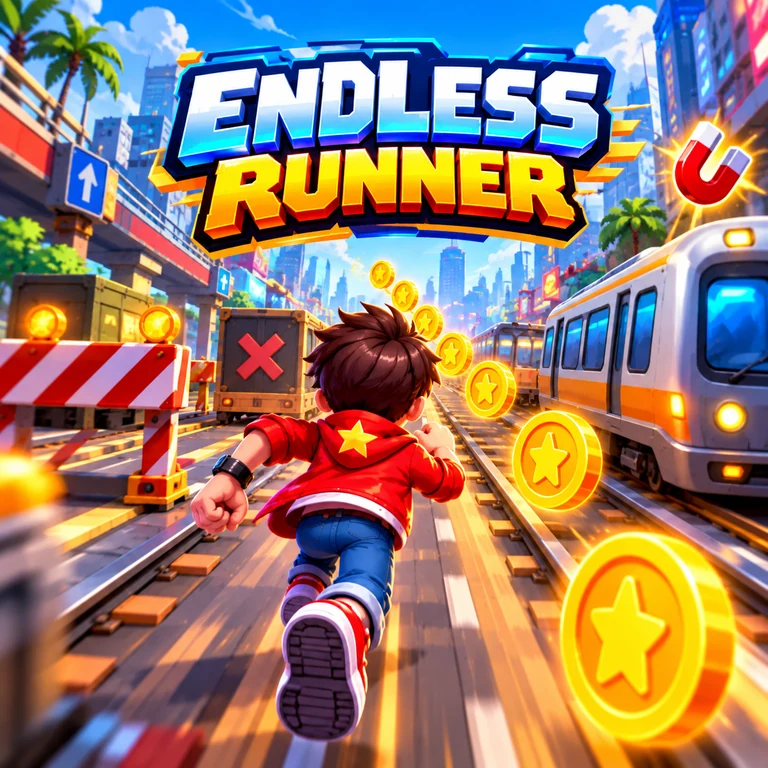
Endless runner arcade game art with a boy running along train tracks and collecting coins
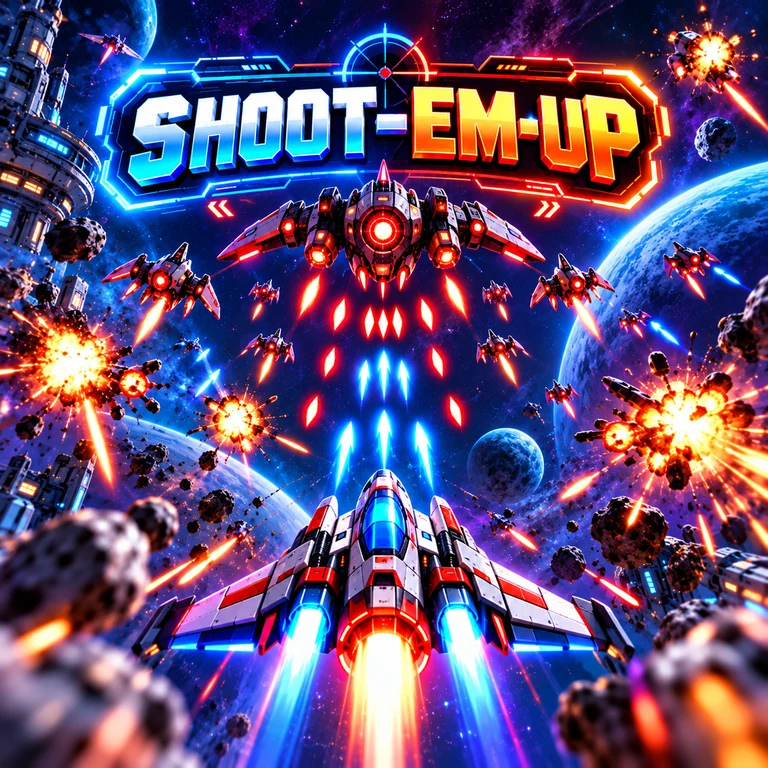
Shoot-em-up arcade game art with a spaceship firing at enemy ships
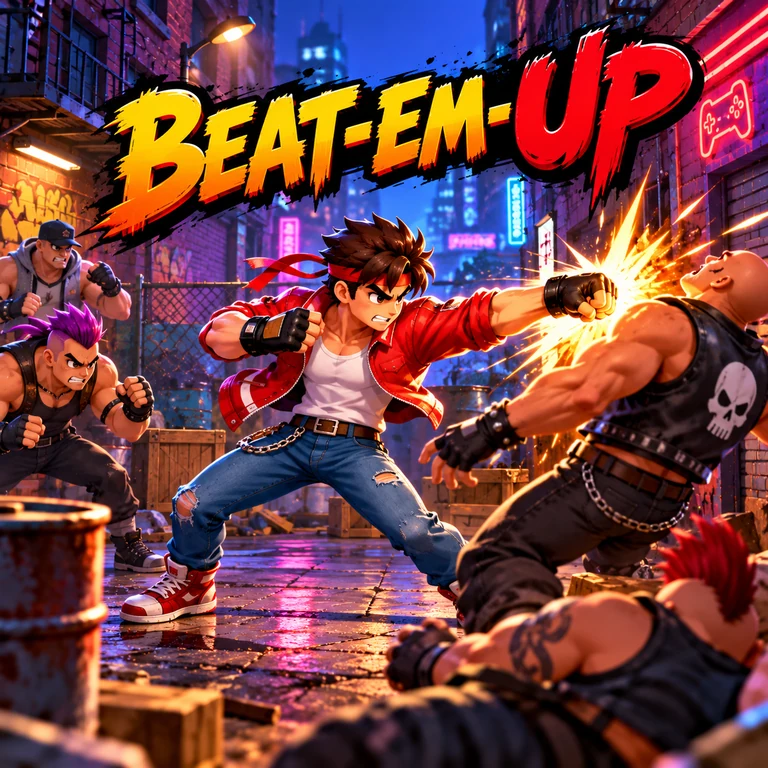
Beat-em-up arcade game art with a street brawler fighting a gang
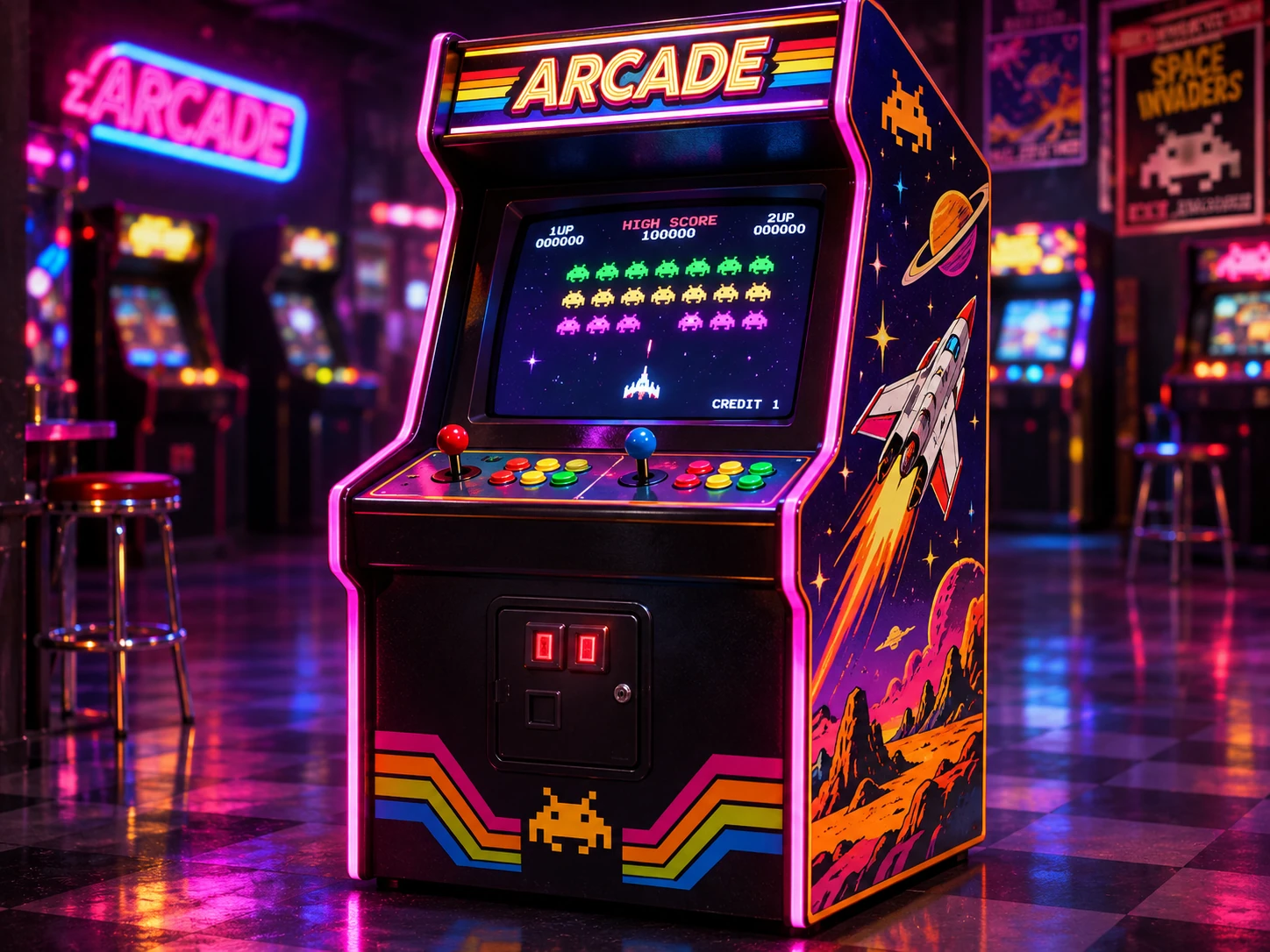
Retro neon arcade game art
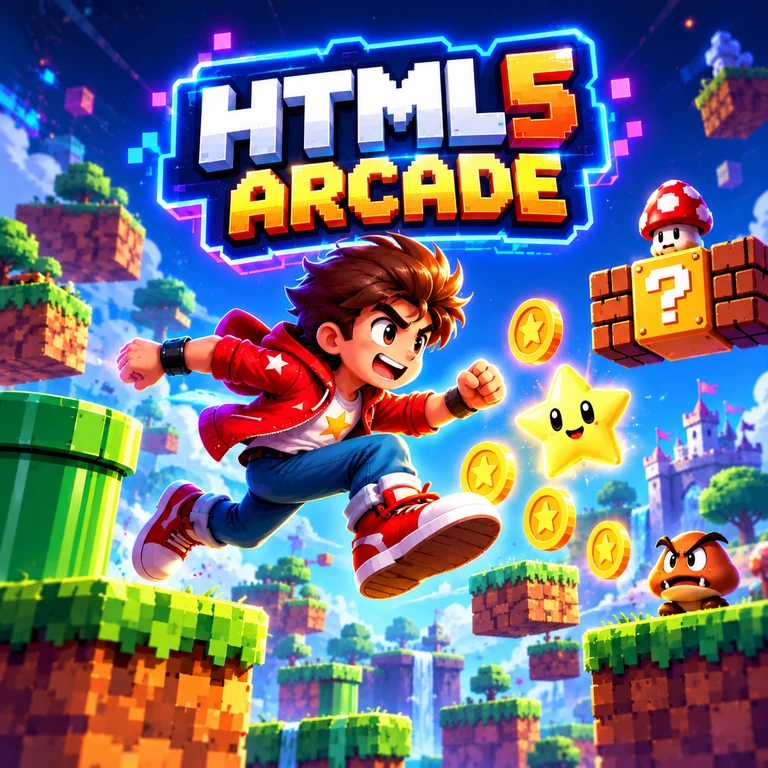
HTML5 arcade platformer game art with a boy jumping across blocks
Client Ratings
SDLC Corp rating on GoodFirms
SDLC Corp rating on Trustpilot
SDLC Corp rating on Clutch
Studio track record
  • 106+ Games Delivered
  • 11+ Years in Game Dev
  • 2-3 Wks To Playable Prototype
  • 5 Global Offices
  • NDA Before We Scope Your Idea
Our Approach

Arcade Games Built on Game Feel

Players decide within seconds whether an arcade game feels right. A late jump, an unfair hit or a flat difficulty curve sends them away, and no amount of art wins them back.

Feel First, Art Second

We Engineer Game Feel From the First Week

That is why our team treats game feel as engineering work, not end-of-project polish. SDLC Corp is a game development company with Unity, Phaser and Godot teams.

On arcade projects, we first build a playable core loop within three weeks. Internal players then test it, and only after the loop holds up do we commit to production art.

Talk to an Arcade Lead Reply within one business day
Neon-lit retro arcade cabinets representing the arcade games SDLC Corp builds
Playable Before It Is PrettyThe core loop is tested on target devices before any production art begins.
  • 60fpsFixed game loop on mid-range phones
  • <16msInput response, so every press lands
  • 2–3weeksTo a playable prototype you can test
  • 60fps Fixed Game LoopThe simulation runs at a fixed rate, whatever the render rate.
  • Frame-Perfect HitboxesCollision timing matches the animation, frame by frame.
  • Real-Device TestingEvery build is profiled on mid-range Android and iOS phones.
  • Leaderboard BackendScores also pass server-side checks before they reach the board.
Services

Arcade Game Development Services

Our arcade game development services cover design, code, art, QA and launch. One team runs it all, from the first playable loop to live tournaments.

Custom Arcade Game Development

We take a custom arcade game from concept to store submission as one team. As a result, design, core loop, art, code and QA run in the same sprints. Builds ship for iOS, Android, web and PC, with cross-platform game development for console or Steam releases.

Mobile Arcade Game Development

We build iOS and Android arcade games tuned for touch input, battery life and mid-range phones. In fact, most arcade sessions happen on budget devices held in portrait. So we profile on those phones from the first build, and our mobile game development team then handles store launch.

Retro and Pixel Art Arcade Games

We make pixel art arcade games in Aseprite and Unity, with CRT shaders, scanlines and chiptune audio. Retro fans notice small errors, so we lock resolution, palette size and frame counts during discovery. The work draws on our 2D game development pipeline.

HTML5 Browser Arcade Games

We build browser arcade games in Phaser and PixiJS that start instantly from a link. For that reason, they suit game portals, brand campaigns and ad-funded play. Our HTML5 game development team keeps first load under two seconds on 4G.

Arcade Game Art, UI and Sound

Our game art team creates sprites, animation, VFX, HUDs and menus that read clearly at arcade speed. In addition, sound designers add hit effects and music matched to each game's style. We test every asset on target devices, so frame rate holds when the screen gets busy.

Leaderboards, Tournaments and Multiplayer

We set up global and friend leaderboards through Google Play Games, Apple Game Center or a custom backend. On top of that, we add daily challenges, seasonal tournaments and real-time or turn-based multiplayer. Score comparison appears in the first session, because competition keeps players past week one.

Game Types

Arcade Game Types We Build

Each arcade format depends on a different core system. Therefore, we plan the build around the one your game needs most.

Endless Runner

Procedural lanes and swipe controls, built for short mobile sessions and daily score chasing. Meanwhile, power-ups and missions give players a reason to start one more run.

Shoot-em-Up

Vertical and horizontal shooters with bullet patterns, weapon upgrades and boss waves. As a result, they suit players who chase high scores across short runs.

Beat-em-Up and Brawler

Side-scrolling fighters with combo chains, juggle states and local co-op. Even so, move lists stay short enough to learn in a few minutes.

Platformer

Precision jumping with coyote time, jump buffering and tight collision. For this reason, we lock the controls in the prototype before anyone draws level art.

Arcade Racing

Drift, boost and checkpoint racers with short laps and readable tracks. Here, physics favors fun over realism, and ghost runs also feed the leaderboard.

Rhythm and Music

Tap and swipe games synced to the beat, with timing windows set in milliseconds. We calibrate audio latency per device, so every hit feels fair.

Hyper-Casual Arcade

One-tap arcade games built for fast prototypes and ad-led sessions. This work sits close to our casual game development team.

Cabinet and Coin-Op

Game software for PC-based arcade cabinets in family entertainment centers, built on custom C++ game loops. In addition, we scope attract mode, operator settings and card readers per cabinet.

Core Systems

Arcade Game Features We Engineer

Most arcade games fail at one of three points. Controls feel slow, hits feel unfair, or the difficulty curve goes flat. That is why we treat each one as an engineering task, not a polish item.

Fixed 60fps Game Loop and Input Buffering

First, intuitive controls need a fixed timestep loop that runs at 60fps, whatever the render rate. We then buffer jumps and attacks for 4 to 8 frames. As a result, a press made slightly early still counts, and controls stop feeling unresponsive.

Frame-Perfect Hitboxes

Hitbox and hurtbox components update apart from the sprite and switch on frame by frame from animation events. In fact, even a 2 to 3 frame lag makes a hit feel undeserved. So we check collision timing against animation data, not by eye.

Combo and Score Multipliers

Combo counters, multipliers and risk-reward choices reward skilled play without punishing new players. The combo window and multiplier decay set how high the skill ceiling goes. For that reason, we tune both in the prototype, where changes are cheap.

Gradual Difficulty Scaling

Difficulty rises with each player's reaction time, accuracy and survival time, not with a fixed timer. Timer-based scaling is simpler to build. However, performance-based scaling keeps skilled and casual players happy in the same build.

Game Feel and Polish

Screen shake, hit-stop, particle bursts, layered sound and mobile haptics make each action feel satisfying. After all, players replay arcade games for how they feel. For that reason, these systems get their own sprint time instead of a slot at the end.

Score Validation and Anti-Cheat

Scores pass server-side checks for outliers, rate limits and replay data before they reach the board. Our Android game development team also uses Play Games Services leaderboards, which set score limits and hide flagged players. One visible cheat breaks trust, so validation runs from launch.

Process

Arcade Game Development Process

As an arcade game development company, we prototype the game loop before any production art. No spec can capture arcade feel, so it has to be played.

Week 1

Discovery

First, we confirm the arcade format, target platforms and art style. We also pick the monetization model: rewarded ads, in-app purchases or a premium price. Scope is narrow, so this moves fast, yet we still write down the game feel target first.

Weeks 2-3

Playable Prototype

A playable build runs the core loop, input system and basic feedback at 60fps on target devices. Then internal testers play it before we lock any production systems or art direction.

Week 4 Onward

Production

Sprints deliver weekly builds through TestFlight and the Google Play internal track. In general, arcade games ship faster than RPGs or strategy titles. Even so, mobile profiling takes real time, so we set performance budgets at the start.

Final Sprints

QA and Soft Launch

We test frame-rate stability, input lag and leaderboard flows on real mid-range Android and iOS devices. After that, a soft launch checks early retention and ad placement before global release, where it fits.

Post-Launch

LiveOps

New levels, skins and seasonal events keep players returning after week two. Meanwhile, we rebalance difficulty, run tournaments and A/B test rewarded ads. We plan the first three months of LiveOps during production.

Tech Stack

Arcade Game Tech Stack

Most mobile and cross-platform arcade titles run on Unity, because its 2D tools, sprite atlases and mobile pipeline suit the genre. Our Unity game development team builds those. For browser games, Phaser loads faster than Unity WebGL thanks to its smaller runtime.

Engines and Game Loop

  • Unity logoUnity2D, URP, mobile
  • PhaserHTML5
  • PixiJSWebGL rendering
  • Godot 4 logoGodot 4Indie and retro
  • Custom C++ Game LoopsArcade cabinet hardware
  • Fixed-Timestep 60fps Loop
  • Box2D
  • Hitbox and Hurtbox SystemsCustom
  • Frame Data Tables
  • Input Buffers4 to 8 frames
  • Coyote Time and Jump Buffering

Pixel Art and Mobile Performance

  • Aseprite
  • TexturePacker
  • CRT ShaderScanlines, bloom, chromatic aberration
  • Chiptune AudioFamiTracker, BeepBox
  • Palette-Restricted Rendering
  • Android Profiler logoAndroid Profiler
  • Xcode Instruments logoXcode Instruments
  • GPU Overdraw Analysis
  • Draw Call Batching
  • Texture CompressionASTC and ETC2
  • Battery-Aware Quality Scaling

Monetization and Backend

  • AdMobRewarded and interstitial
  • Unity Ads logoUnity Ads
  • Firebase Remote Config logoFirebase Remote ConfigA/B tests
  • AdjustAttribution
  • Google Play Games Services
  • Game Center
  • Node.js with RedisReal-time boards
  • Firebase Realtime Database logoFirebase Realtime Database
  • PlayFabTournaments
  • Photon logoPhotonMultiplayer
  • WebSocketLive scoring
  • Server-Side Score Validation
Builds

How We Build Each Arcade Format

Every arcade format brings its own feel targets, performance limits and platform risks. For example, here is how our team plans four of them. Finished projects sit in our game case studies.

Mobile Arcade

Mobile Endless Runner

  • Unity
  • iOS
  • Android
  • Procedural

The game generates obstacle patterns procedurally, and difficulty follows player performance. That scaling function is the first thing to break in this format. So we test it against three player skill tiers before any art is locked.

Platform
iOS + Android
Stack
Unity
Typical Timeline
5 months
Retro Arcade

Retro Shoot-em-Up

  • Unity
  • PC
  • iOS
  • Pixel Art

A vertical shooter in 16-color pixel art, with a CRT scanline shader, chiptune audio and per-frame hitbox tables. However, shmup players expect hitboxes smaller than the sprite. So we expose a hitbox toggle in debug builds and test with genre veterans before tuning difficulty.

Platform
PC + iOS
Stack
Unity + Aseprite
Typical Timeline
7 months
Browser Arcade

HTML5 Arcade Portal Game

  • Phaser
  • HTML5
  • WebGL
  • Leaderboard

A breakout-style browser game with a global leaderboard and daily challenges. However, desktop Chrome often hides problems that mobile Safari exposes. That is why we profile Safari mid-production, giving it its own texture compression path and particle budget.

Platform
Web
Stack
Phaser + WebGL
Typical Timeline
4 months
Fighting Arcade

Beat-em-Up Brawler

  • Unity
  • Android
  • iOS
  • Combo System

A side-scrolling brawler with 3-hit combos, juggle states and an 8-frame input buffer. Unlike physical buttons, however, touch screens add one to two frames of latency. We therefore tune buffer and hit-stop values for touch instead of copying console settings.

Platform
iOS + Android
Stack
Unity + custom hitbox
Typical Timeline
8 months
Why SDLC Corp

Why Choose Our Arcade Game Development Company

Six practices our arcade game developers follow on every project. You can check each one from the first week.

Playable Prototype Before Art

Every project starts with a playable core loop on target devices. While this delays the first art delivery by two to three weeks, it removes the costly loop redesigns that appear mid-production.

One Team From Concept to LiveOps

Designers, engineers, artists, QA and LiveOps staff work as one team under one contract. As a result, decisions move faster, and the people who built the loop also run your events.

KPI Tracking After Launch

We also instrument retention, session length, run length and ad engagement before release. After launch, those numbers decide what we rebalance first.

Full Source Code and IP Transfer

You receive the full project, art source files, hitbox data and build pipelines at handover. Moreover, there is no revenue share and no proprietary middleware lock-in.

Flexible Engagement Models

Choose a full-cycle team, add co-development capacity to your studio, or hire game developers for set sprints. You can also switch models as the game moves from prototype to live.

Scope and Cost in Writing

First, we agree scope, milestones and cost in writing after discovery. Weekly builds then let you play the progress yourself instead of reading status reports.

Case Studies

Game Development Case Studies

These shipped projects use the same systems arcade games depend on. For example, they cover short event sessions, tuned difficulty loops and real-time multiplayer.

Event Arcade Game

5G VR Soccer Game for Orange Jordan

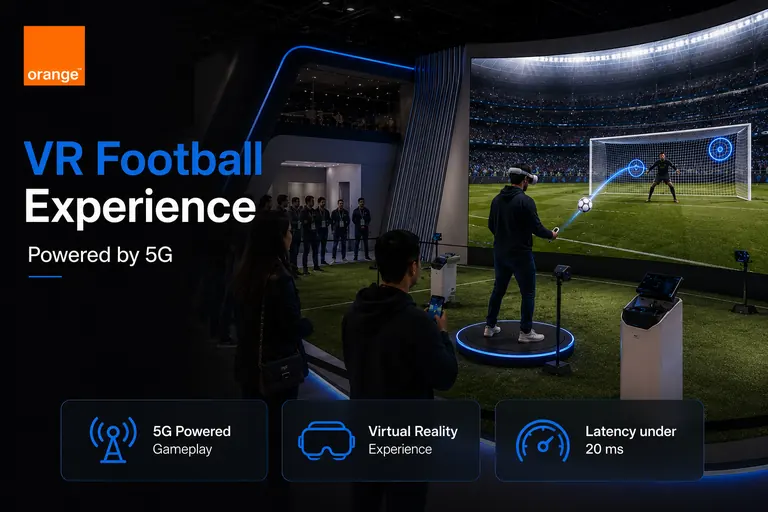
Orange Jordan wanted a crowd-pulling game for its 5G launch events. So we built a Unity penalty-shootout game for Meta Quest Pro and HTC Vive, with rounds short enough for a kiosk queue. As a result, more than 1,000 people played across live events.

Latency
<20 ms
Players
1,000+ at events
Read the Orange VR Case Study
Unity 5G VR penalty-shootout game built by SDLC Corp for Orange Jordan live events
Casual Puzzle Game

Match-3 Puzzle Game Built in Unity

This Unity reference build pairs fast tile matching with boosters, cascades and daily rewards. In addition, analytics events track retention and level difficulty. We use the same tuning loop for arcade score chasers.

Engine
Unity C#
Build Stages
6 Phases
Read the Match-3 Case Study
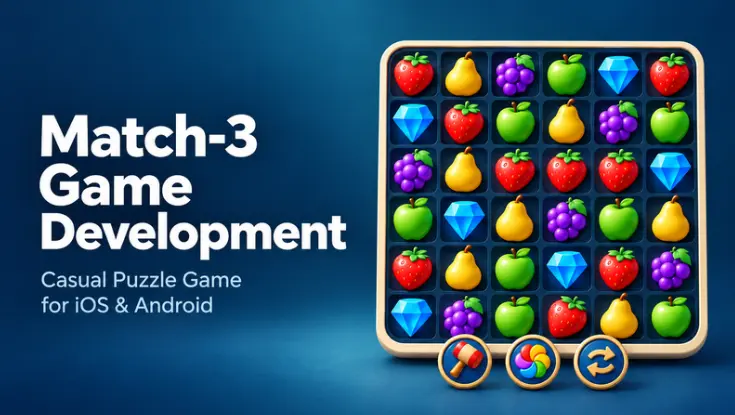
Match-3 puzzle game with tiles, boosters and level goals built in Unity by SDLC Corp
Real-Time Multiplayer

Real-Time Multiplayer Ludo Game

This Unity game includes matchmaking, private rooms, timed turns and server-validated moves. Moreover, every match restores its full state when a player reconnects. Competitive arcade modes reuse this same server model.

Game Modes
3 Modes
Delivery
14-16 Weeks
Read the Multiplayer Case Study
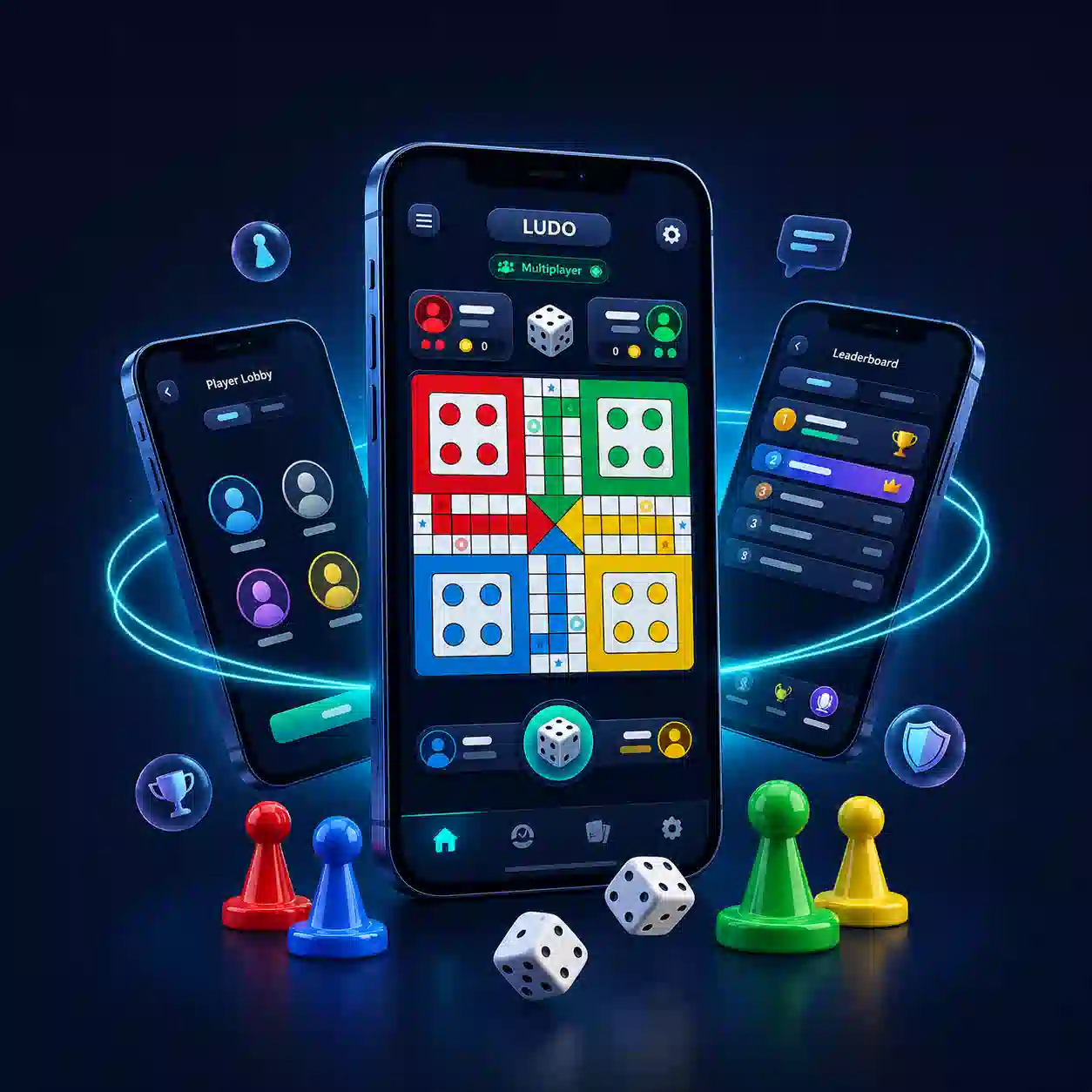
Real-time multiplayer Ludo game board with player rooms built in Unity by SDLC Corp
Cost and Timeline

Arcade Game Development Cost and Timeline

Most arcade games cost between $15,000 and $90,000+. However, art volume, platform count and backend needs set the final figure. Every project also starts with a playable prototype in two to three weeks.

Typical arcade game development cost and timeline by project type
Project TypeWhat It IncludesTimelineBudget
Simple Arcade GameHyper-casual game, one-platform endless runner or simple browser game8–12 weeks$15,000 – $40,000
Mid-Complexity Arcade GameCombos, procedural levels, leaderboards, plus iOS and Android builds4–6 months$40,000 – $90,000
Premium or Cross-Platform TitleRetro pixel art pipeline, tournaments, LiveOps, PC or console builds6–9 monthsFrom $90,000
Arcade Cabinet SoftwareCustom C++ game loop, attract mode, operator settings and card readersScoped per cabinetCustom quote

What Changes the Cost

  • Art volume. More characters, levels and animation frames add art sprints.
  • Platform count. Each extra store or device family adds builds, profiling and QA passes.
  • Backend needs. For example, tournaments, multiplayer and anti-cheat add server work.
  • LiveOps plan. Finally, seasonal events and new levels are scoped as a separate support plan.

Get a Scoped Estimate

These ranges are indicative only. After discovery, you receive scope, milestones and cost in writing.

Get Your Arcade Game Estimate

Have an Arcade Game Idea?

Send us the core mechanic and target platform. We reply within one business day with a scoped prototype plan.

Plan My Prototype
Client Reviews

Verified Game Development Reviews

Clients rate our game development work on Clutch and GoodFirms. Below, the scores come from each public profile, while the quotes are short excerpts from published reviews.

5.0Clutch, 19 reviewsQuality 4.9 · Schedule 4.8 · Cost 4.9 · Willing to refer 4.9Read reviews on Clutch
4.9GoodFirms, 155 reviewsGame, software and Web3 development projectsRead reviews on GoodFirms

“They were willing to discuss alternative approaches and explain the practical implications of design decisions.”

Sushant AshtaputreSenior Associate, Digital Entertainment Company
Clutch · 3D Adventure Game

“Working with SDLC Corp was a smooth, transparent, and professional experience.”

Eunice HelenCEO, SolenaGoodFirms · Casino Game Development

“Their fast turnaround and responsive communication stood out.”

Jaymal SoniGoodFirms clientGoodFirms · Poker Game Development

Ratings and review counts checked on each platform in November 2026.

Insights

Arcade Game Development Guides

Before you scope a build, read these practical guides on budgeting, engine choice and the short-session formats that arcade players return to.
Start Your Project

Get a Free Arcade Game Development Quote

Share your game idea, an existing build or a reference title. Our arcade game developers will review the core loop, platforms and art scope, then recommend a budget and timeline.

What Happens Next?

An arcade lead reviews your brief and plays any build you share. Then you get a scope with cost and timeline options.

  • NDA Available
  • 106+ Games Delivered
  • Playable Prototype in 2-3 Weeks

No sales pressure. If your budget is tight, we tell you what to cut first.

FAQ

Arcade Game Development FAQs

Straight answers on cost, timelines, platforms and how we work. We reply to project inquiries within one business day.

What Does an Arcade Game Development Company Do?

An arcade game development company designs and builds fast, score-driven games with simple controls and high replay value. The work covers core loop design, input and hitbox systems, difficulty tuning, art, leaderboards and launch. In addition, SDLC Corp handles all of this in one team, for mobile, web and PC. Our teams also work from offices in the US, UK, UAE, Qatar and India.

How Much Does Arcade Game Development Cost?

A simple arcade game usually costs $15,000 to $40,000. For example, that covers a hyper-casual game, a one-platform endless runner or a simple browser game. A mid-complexity game runs $40,000 to $90,000, and it adds combos, procedural levels, leaderboards and iOS and Android builds. Finally, premium or cross-platform titles start at $90,000. In particular, these include a retro pixel art pipeline, tournaments, LiveOps or PC and console builds. Art volume, platform count and backend needs set the final figure, so we confirm it after discovery.

How Long Does It Take to Develop an Arcade Game?

A playable prototype takes two to three weeks. After that, a simple arcade game ships in 8 to 12 weeks, while a mid-complexity mobile game takes 4 to 6 months. Meanwhile, premium or cross-platform builds take 6 to 9 months. Because game feel needs playtest data, we spend more time early and less on rework later.

Who Owns the Store Accounts and the Final Game?

Your company should own the Google Play and Apple Developer accounts that publish the game. You give our team permission to prepare and submit builds, so control stays with you. At project close, the design document, backend setup and QA report also transfer to you with the code.

What Types of Arcade Games Can You Build?

We build endless runners, shoot-em-ups, beat-em-ups, platformers, arcade racers, rhythm games and hyper-casual arcade titles. We also write game software for PC-based arcade cabinets. Each type depends on a different core system, so we plan the build around that system first.

Which Platforms Work Best for Arcade Games?

Mobile suits most arcade games, because short sessions and touch input fit the format. HTML5 works well for portals and brand campaigns, since players start from a link. For competitive high-score titles, our PC game development team ships to Steam, while cabinets suit entertainment centers. Therefore, we choose platforms in discovery, based on your audience and distribution plan.

How Are Arcade Games Monetized?

Most mobile arcade games combine rewarded ads for extra lives, in-app purchases for power-ups or skins, and an ad-free option. Premium pricing suits PC and console releases instead. Also, we plan ad frequency and reward points during design. Then we test them in soft launch before you scale marketing.

Can You Add Multiplayer and Leaderboards to an Arcade Game?

Yes. We build global and friend leaderboards through Google Play Games, Game Center or a custom backend, with server-side score checks. For multiplayer, we offer real-time matches, turn-based modes and asynchronous challenges such as ghost runs. Leaderboards ship with the first release, because competition keeps players engaged after week one.

Can You Take Over an Existing Arcade Game or Prototype?

Yes. First, we review the current build, code, art and design documents. Next, we list what can be reused, what needs refinement and what should be rebuilt. You then choose full-cycle delivery or co-development alongside your own team.

What Support Do You Provide After Launch?

We monitor crashes and player analytics, fix bugs and handle ongoing maintenance after release. Then LiveOps adds new levels, events and balance updates. Afterwards, you can keep the same team for this work or move to a dedicated team.

What Is Game Feel, and Why Does It Matter in Arcade Games?

Game feel is how responsive and satisfying a game is to control: a jump that lands cleanly, a hit that feels earned. In arcade games, in fact, it drives replays more than new content does. So we build it into the game loop, input buffering and hit feedback from the first prototype.