Legacy Software Modernization Services

Legacy Software
Modernization Services

Modernize aging applications, infrastructure, data, and integrations through a phased approach designed around business continuity, technical debt, security, maintainability, and long-term ownership.

We help teams assess what to retain, refactor, replatform, rehost, replace, or rebuild before committing to a migration path, with architecture, testing, cutover, rollback, documentation, and handover planned around the system in scope.

  • Phased Migration & Cutover Planning
  • Cost & Maintenance Targets Defined by Scope
  • Architecture, migration, testing & handover planning

Request a Proposal
Software delivery experience

Trusted Across Complex Business and Operational Environments

Selected organizations from SDLC Corp's broader software delivery portfolio. Modernization scope and architecture are defined around the systems, data, dependencies, and operating constraints of each engagement.


Understanding Modernization

What Is Legacy Software Modernization?

Legacy software modernization is the process of assessing, updating, re-platforming, refactoring, integrating, or replacing aging systems so they remain maintainable, support current business requirements, and can evolve with modern infrastructure, security, data, and integration needs.
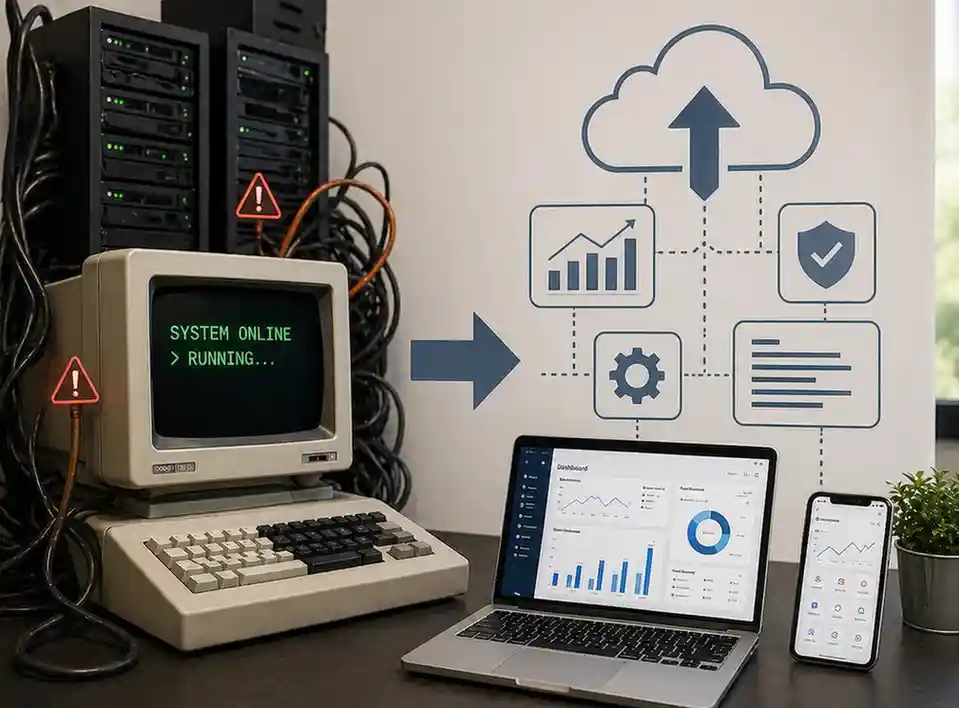
Understanding legacy software modernization process

When Should You Modernize? 7 Warning Signs

01

Maintenance effort is crowding out product and operational investment

02

Your vendor no longer supports the tech stack

03

You cannot connect to modern SaaS tools or APIs

04

Security, privacy, auditability, or control requirements are difficult to support

05

Critical system knowledge is concentrated in a small number of people

06

Performance or reliability degrades under expected workload

07

Small changes require disproportionate effort or release coordination

Our Services

Our Application Modernization Services

SDLC Corp covers application modernization services across the 7 Rs, from lift-and-shift to full rebuilding. Modernization planning begins with an assessment of the current architecture, dependencies, business criticality, codebase condition, data, interfaces, operating constraints, and target outcomes.

Discuss Your Modernization Strategy

Application Rehosting Lift and Shift to Cloud

Application rehosting services move legacy systems to cloud with minimal code change, faster migration, and lower infrastructure risk.

Code Refactoring and Technical Debt Reduction

Legacy code refactoring reduces technical debt while preserving functionality, so your system becomes easier to maintain.

Re-Platforming for Modern Infrastructure

Application re-platforming services give cloud benefits without a full rebuild while keeping business logic intact.

Rearchitecting Monolith to Microservices

Monolith to microservices migration helps teams deploy independently and reduce delivery bottlenecks.

Full Application Rebuilding

Application rebuilding services preserve valuable business logic when the legacy codebase is no longer safe to maintain.

Database Modernization and Migration

Database modernization services move legacy data with validation checks to reduce data loss and reporting risk.

UI/UX Modernization

UI modernization services improve outdated interfaces to increase user adoption without disrupting the working back-end.

API Development and Legacy System Integration

API modernization services extend legacy system life through API-first modernization, Salesforce integration, and ERP connectivity.

Industries We Serve

Industries We Serve Across Enterprise Legacy Modernization

Legacy modernization requirements vary by industry. We map workflows, system dependencies, data sensitivity, security requirements, accessibility needs, integration standards, and operating constraints before recommending the modernization approach.

Book Consultation Now

Healthcare and Life Sciences

Healthcare modernization can involve patient, clinical, administrative, interoperability, and reporting systems. Where applicable, architecture and migration planning can account for privacy, access control, auditability, HL7/FHIR interfaces, and healthcare-specific operating constraints.

  • HIPAA-ready architecture across patient records and clinical pipelines
  • HL7/FHIR interoperability between EHR, EMR, and lab systems
  • Epic integration expertise for enterprise healthcare providers
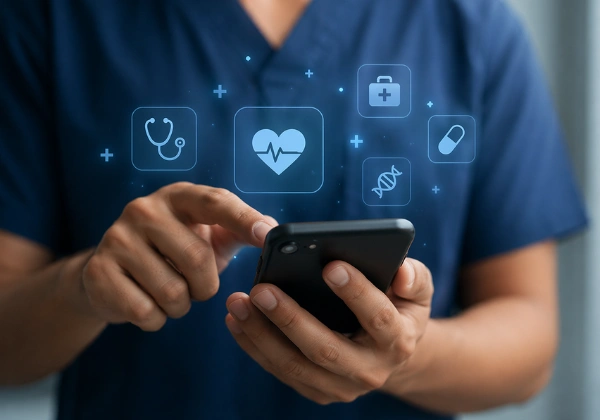
HIPAAHL7/FHIREpicEHR/EMR
Explore Healthcare Services
Healthcare legacy modernization
Compliance First

Healthcare controls mapped according to the workload and organization.

Banking, Financial Services and Insurance

Banking and financial modernization can involve core systems, payments, data, APIs, reporting, risk, and customer workflows. Migration planning should account for transaction integrity, access control, auditability, security, and regulatory requirements relevant to the institution.

  • Phased COBOL modernization designed to minimize transaction downtime
  • PCI DSS-aligned migration controls for applicable core banking data
  • Open banking API layer for third-party integrations
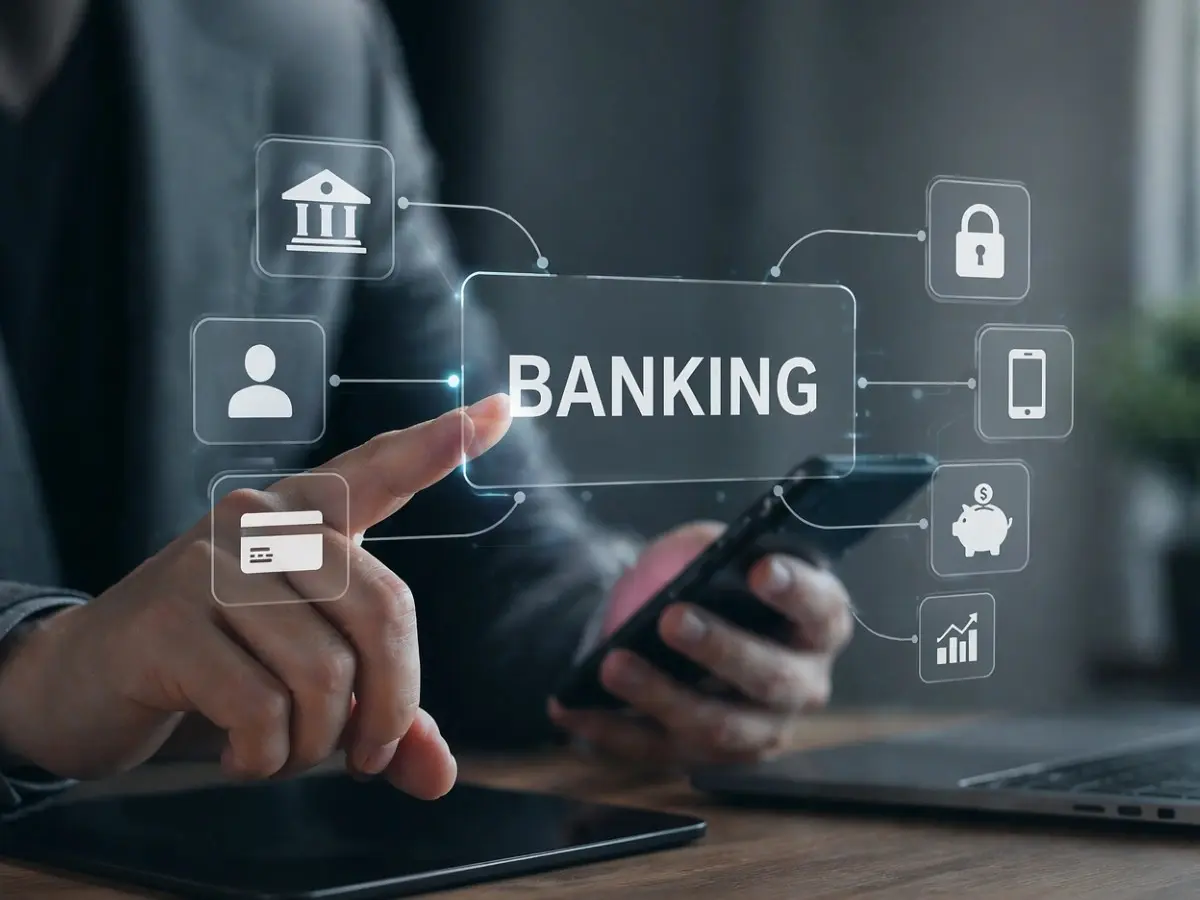
COBOLPCI-DSSOpen BankingCore Banking
Explore Banking Services
Banking and BFSI modernization
Zero Disruption

Transaction integrity preserved throughout migration.

Manufacturing and Industrial Operations

SAP R/3 and legacy MES platforms lack the connectivity needed for Industry 4.0. We modernize on-premise ERP and MES infrastructure to enable IoT integration, real-time dashboards, and cloud-connected factory operations.

  • SAP R/3 to cloud ERP with phased parallel-run cutover
  • MES to IoT integration for real-time factory floor visibility
  • Industry 4.0 architecture with live operational dashboards
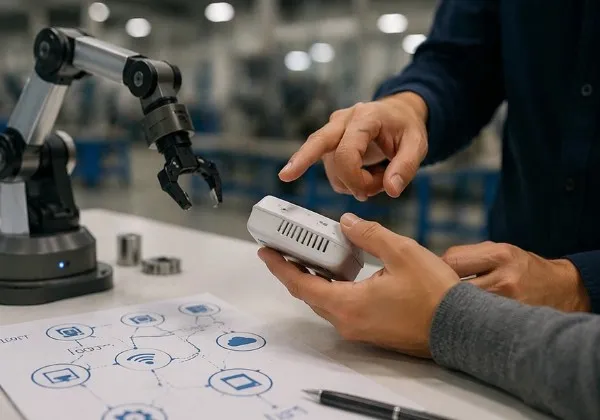
SAP R/3MESIoTIndustry 4.0
Explore Manufacturing Services
Manufacturing ERP modernization
Industry 4.0 Ready

Cloud-connected operations across factory floors.

Government and Public Sector

COBOL benefit systems and aging case management tools create operational risk and Section 508 accessibility failures. We modernize public-sector infrastructure in phased, budget-conscious engagements that keep critical services live.

  • Section 508 accessibility built into every modernized interface
  • Phased, budget-conscious engagements for public sector funding cycles
  • Critical service continuity throughout the transformation process
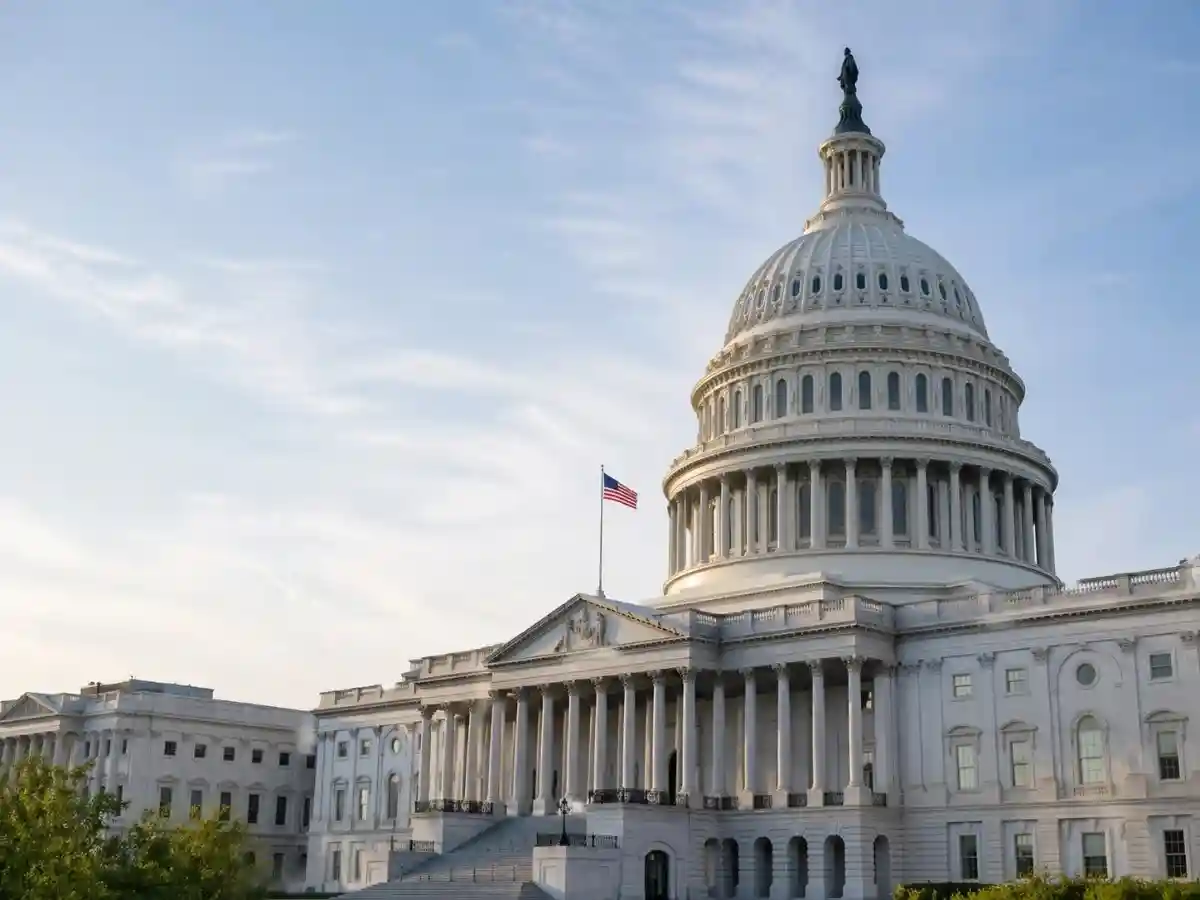
Section 508Benefit SystemsCase ManagementFedRAMP
Government public sector modernization
Phased Delivery

Services stay live through every modernization phase.

Retail and eCommerce

Legacy Magento installations, disconnected POS systems, and on-premise ERP-to-eCommerce bridges create inventory accuracy and omnichannel gaps. We re-platform retail infrastructure to headless, API-first architectures for real-time inventory sync.

  • Headless commerce architecture for modern checkout performance
  • Real-time inventory sync across POS, ERP, and storefronts
  • Omnichannel readiness with unified order and customer data

HeadlessMagentoPOSOmnichannel
Explore Retail & eCommerce Services
Retail and eCommerce modernization
API-First Retail

Real-time inventory across every channel.

Telecommunications

OSS and BSS platforms built a decade ago cannot support 5G service models or digital-first customer experiences. We modernize telecom systems through cloud-native service decomposition and API-first billing integration.

  • Cloud-native service decomposition across OSS and BSS platforms
  • API-first billing integration for 5G-ready service models
  • Digital-first customer experiences built on modern architectures
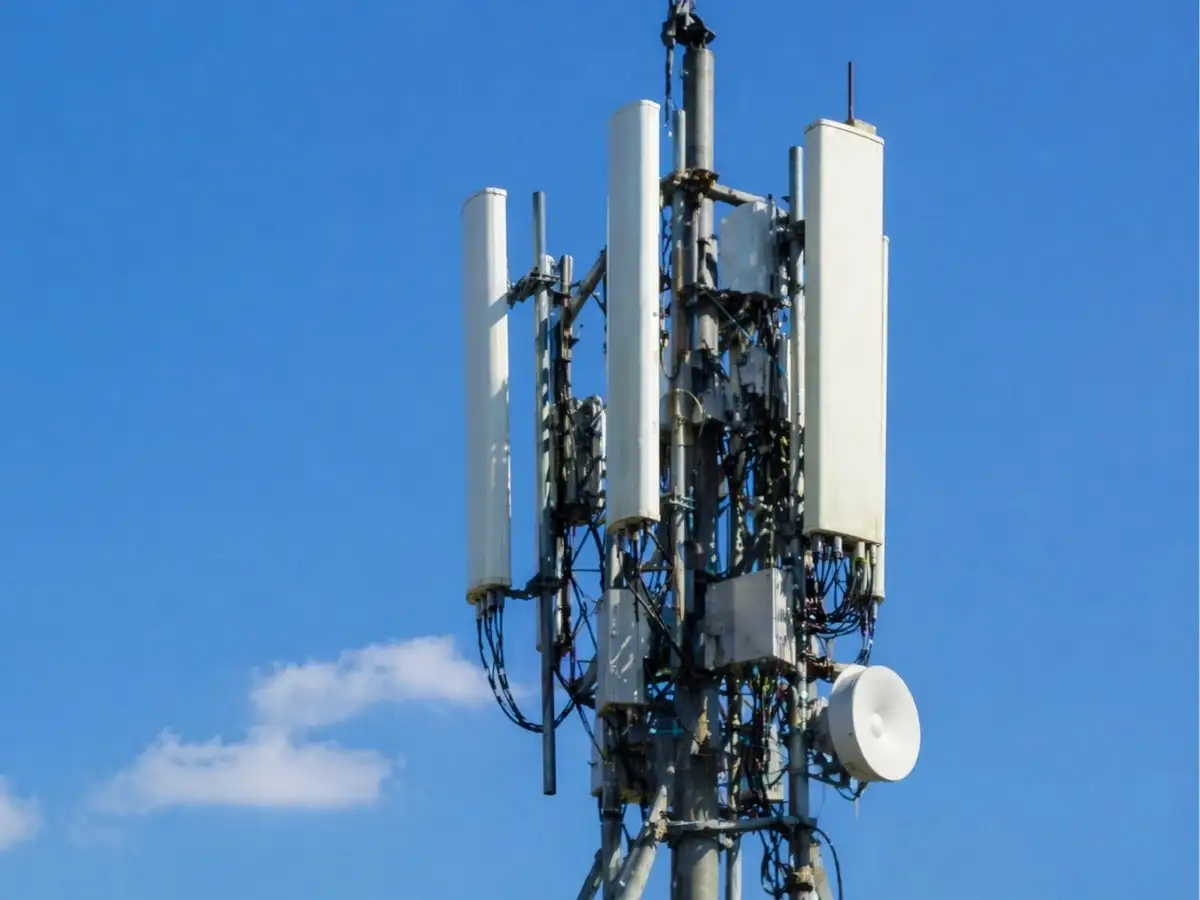
OSS/BSS5G ServiceCloud-NativeAPI Billing
Explore Telecom Services
Telecommunications OSS BSS modernization
5G Ready

OSS and BSS systems built for the next generation.

Logistics and Supply Chain

Legacy TMS and WMS platforms running on FoxPro or aging SQL Server cannot support real-time shipment visibility. We modernize logistics infrastructure for live tracking, carrier API integration, and automated exception management.

  • Real-time shipment tracking across TMS and WMS platforms
  • Carrier API integration for unified multi-carrier management
  • Automated exception handling for proactive disruption response
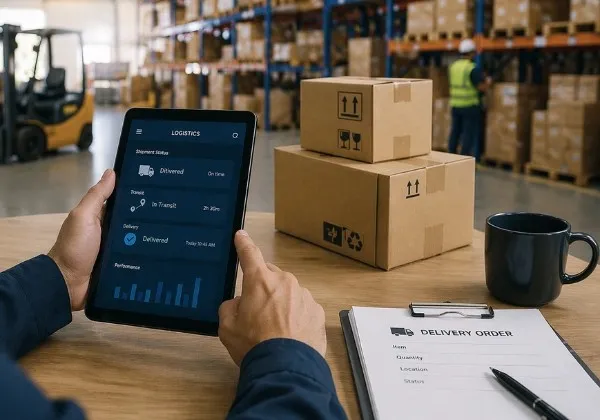
TMSWMSReal-Time TrackingCarrier APIs
Explore Logistics Services
Logistics TMS WMS modernization
Live Visibility

Real-time tracking across every shipment leg.

Education and EdTech

Legacy LMS platforms and student information systems fail mobile accessibility standards and lack LTI compliance. We modernize EdTech through re-platforming and API-first architecture, covering compliance-heavy rewrites for insurance and similar regulated sectors.

  • LTI-compliant LMS rebuilds with modern mobile accessibility
  • Student information systems re-platformed on API-first architecture
  • Regulated sector coverage including insurance and similar rewrites
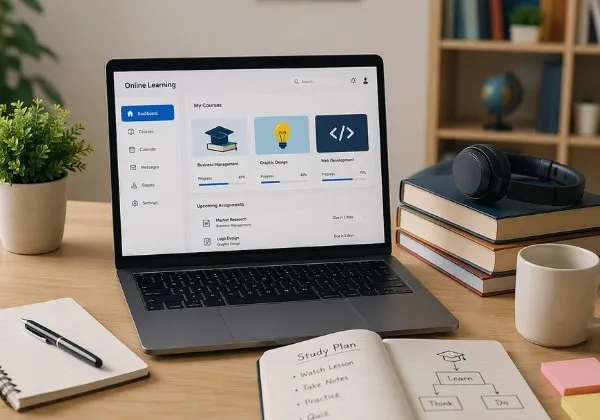
LMSLTIMobile AccessibilityAPI-First
Discuss EdTech Modernization
Education and EdTech modernization
LTI Compliant

Modern LMS rebuilds with mobile-first access.

Our Process

Our Legacy System Modernization Process

Our modernization process is structured around discovery, architecture, phased implementation, validation, cutover planning, and post-launch support. Where business continuity is critical, migration and release strategies are selected to reduce disruption and provide rollback options.

Legacy Code Audit and System Assessment

We audit your codebase, infrastructure, and integrations assigning a technical debt score to every component.

Legacy Assessment Report

Modernization Strategy and Roadmap

We deliver a prioritized application modernization roadmap with strategy, cost range, and timeline per component.

Modernization Strategy Document

Architecture Design

Our architects define the target-state architecture covering tech stack, API contracts, and infrastructure topology before a single line of code is written.

Architecture Design Document & ADRs

Agile Modernization Execution

Development can run in planned iterations, with modules validated against agreed functional, integration, performance, and operational criteria before cutover.

2-Week Sprint Deliverables

Testing, Validation and Security Review

Testing can include functional, regression, integration, performance, security, and user-acceptance validation according to the system and project requirements.

Behavioral Parity Validation

Controlled Deployment and Handoff

Production release can use parallel run, blue/green, canary, staged cutover, or other deployment approaches depending on architecture, risk, and operational constraints.

Post-Launch Support Plan
Case Studies

Case Studies Measured Outcomes

Each case study shows how SDLC Corp improved legacy workflows through application modernization, integration, automation, and measurable before-and-after outcomes.

DYD · AI SaaS Modernization

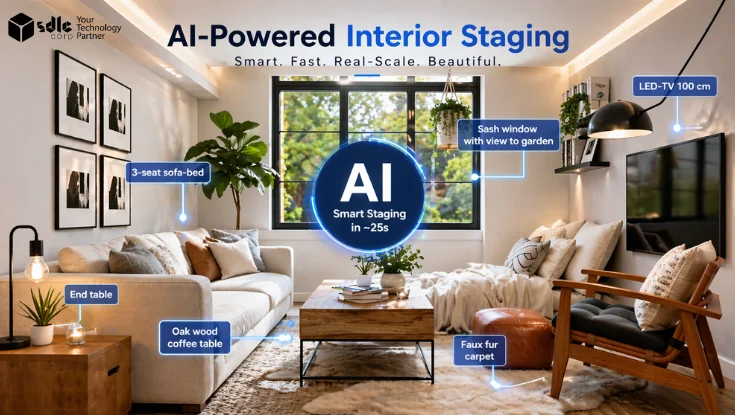
Manual Interior Workflow Modernized into AI SaaS Platform

DYD replaced slow manual room staging with a modern AI interior design platform. SDLC Corp delivered the full application modernization build, including computer vision measurement, generative AI 3D rendering, and multi-user SaaS billing.

  • Manual room measurement replaced with inch-accurate photo-based mapping
  • 4-12 hour staging workflow reduced to approximately 25 seconds
  • Legacy sales workflow converted into embeddable SaaS for web stores
~25sper render
(was 4-12 hrs)
1:1inch-accurate
3D placement
4 Rolesmodern SaaS
access model
View Case Study
DYD AI virtual staging application modernization case study with 3D room visualization
No Baby Blisters · Integration Modernization

Legacy Email Validation Workflow Modernized with Real-Time API Integration

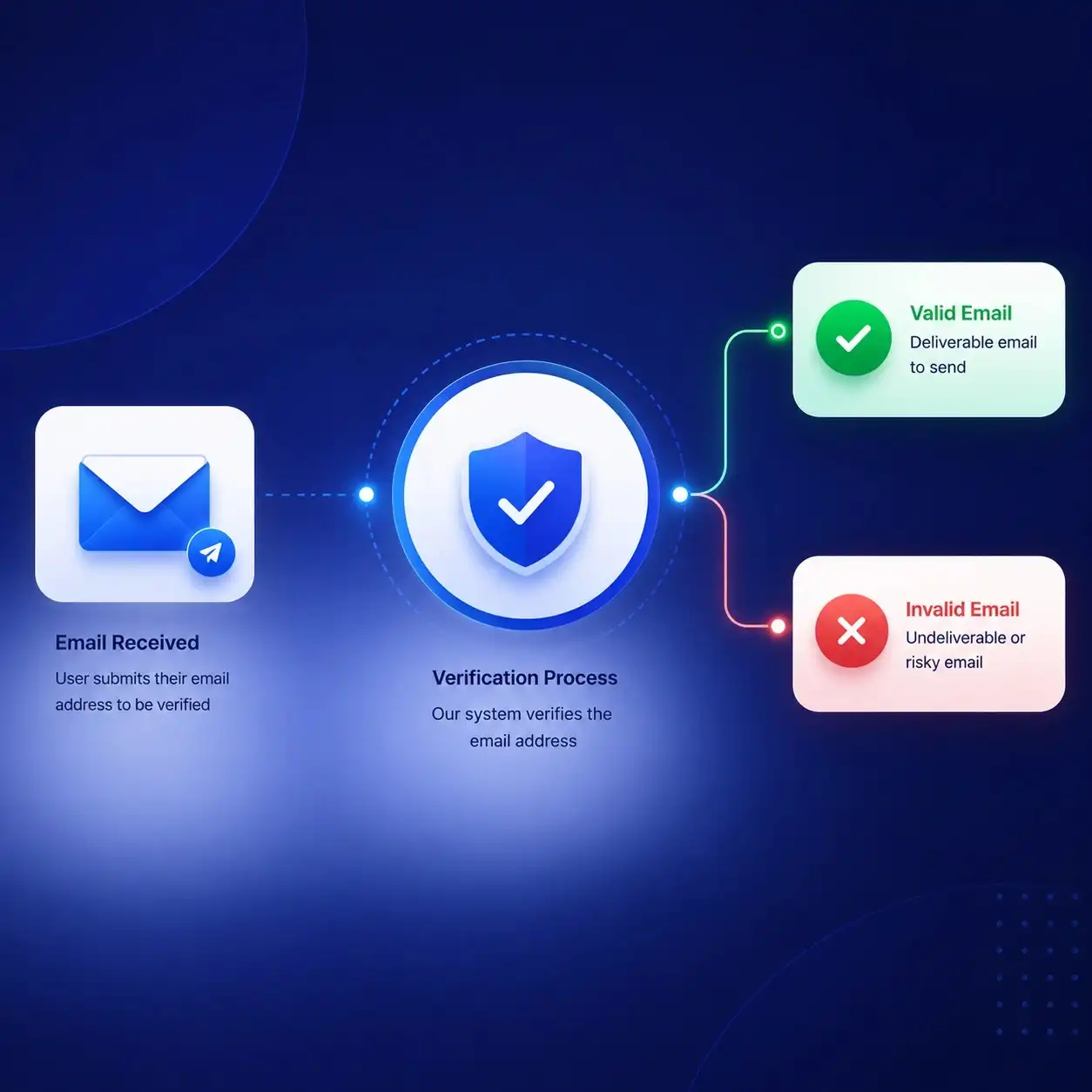
SDLC Corp replaced manual email-quality checks with a modern ActiveCampaign and Validity connector. The API modernization layer validates each new contact in real time and writes the result back as an automated CRM tag.

  • Slow manual checks replaced with event-driven webhook validation
  • Valid/Invalid tags auto-applied for faster campaign segmentation
  • Legacy contact workflow secured with JWT, HMAC, and hardened APIs
Zerounverified contacts
in campaigns
Real-timecontact tagging
within seconds
Livemodern API
workflow
View Case Study
No Baby Blisters API modernization case study for ActiveCampaign Validity email verification connector
Looking for modernization-specific outcomes? Browse our full case studies library or request a reference from our modernization practice.
Ready to Start?

Start Your Legacy Modernization Journey

Get a free 60-minute Legacy Assessment. We'll map your system's risk profile, modernization options, and a phased roadmap. No commitment required. NDA signed before any technical discussion.

Discuss Your Legacy System
NDA available where required Next steps agreed after initial review
Technology Stack

Technologies We Use to Modernize Legacy Systems

The right stack depends on your system's domain, your team's capability, and where the architecture needs to go, not what is trending. Where useful, we bring in AI development services and cloud-native tooling to accelerate delivery.

Legacy Languages

End-of-life languages our engineers audit, read, and migrate to modern stacks.

  • COBOL
  • VB6
  • Delphi
  • FoxPro
  • Classic ASP
  • .NET Framework
6
Languages
Real Migration Expertise

Modern Back-End Frameworks

Modern backend languages and frameworks selected according to maintainability, performance, ecosystem support, and the target architecture.

  • Node.js
  • Python (FastAPI)
  • Python (Django)
  • Java (Spring Boot)
  • .NET 8
  • Go
6
Frameworks
High Performance

Cloud & Infrastructure

Cloud modernization can use AWS, Microsoft Azure, or Google Cloud depending on workload, security, integration, and operating requirements.

  • AWS
  • Microsoft Azure
  • Google Cloud
  • Kubernetes
  • Docker
  • Terraform
6
Platforms
Cloud Platforms

Databases

Relational, NoSQL, and in-memory databases selected for consistency, speed, and scale.

  • PostgreSQL
  • MySQL 8
  • MongoDB
  • Cassandra
  • DynamoDB
  • Redis
6
Databases
Data Migration

DevOps and CI/CD

CI/CD and deployment automation can support repeatable builds, testing, environment validation, and controlled releases.

  • GitHub Actions
  • Azure DevOps
  • ArgoCD
  • Docker
  • Kubernetes
  • Terraform
6
Tools
Automated Delivery

Security and Observability

Security testing and observability tooling can be incorporated according to the system's risk profile, delivery process, and operational needs.

  • SonarQube
  • Checkmarx
  • OWASP ZAP
  • Datadog
  • Splunk
  • Prometheus
6
Tools
Security & Observability

This list is what separates a real modernization partner from a general-purpose development agency. If your system was built in one of these languages, we can read it, audit it, and move it forward.

Why SDLC Corp

Why Enterprises Choose SDLC Corp for Legacy Modernization

Legacy modernization requires architecture, codebase assessment, data migration, integration planning, testing, cutover strategy, documentation, and post-launch support to be treated as one coordinated program rather than isolated development tasks.

SDLC Methodology Built for Modernization Risk

Where the architecture permits, parallel-run and staged cutover approaches can reduce operational disruption and provide validation and rollback options before full transition.

Deep Legacy Language Expertise

Our teams can assess legacy languages and frameworks such as COBOL, VB6, Delphi, FoxPro, Classic ASP, and older .NET estates where the engagement requires them.

Transparent Engagement Model

Every project includes a named Modernization Lead and fixed-scope phase plans. Teams preferring an embedded model can access our staff augmentation option.

Commercial Structure

Each modernization phase is scoped around architecture, dependencies, migration risk, validation needs, and delivery responsibilities before commercial terms are agreed.

Accreditations

Certifications and Partner Accreditations

CertificationWhat It Means for You
ISO/IEC 27001:2022Information security management system
Security controlsRequirements mapped by engagement scope
AWSCloud platform capability
Microsoft AzureCloud platform capability
Healthcare workloadsPrivacy and security controls planned where applicable
200+ Projects Delivered
1,200+ Engineers
35+ Founded
40% Engineers
Cost & Investment

How Much Does Legacy Software Modernization Cost?

Legacy modernization cost depends on the current architecture, codebase condition, integrations, data migration, target platform, security requirements, testing depth, business-continuity needs, and the modernization strategy selected for each component.

Discuss Your Modernization Scope

Cost Drivers by Modernization Strategy

StrategyCommercial ConsiderationsDelivery Considerations
Rehosting (Lift and Shift)Infrastructure, environment and migration scopeDepends on workload and cutover readiness
Code RefactoringCodebase size, test coverage and technical debtDepends on refactoring depth and validation
Re-PlatformingPlatform dependencies and migration scopeDepends on target platform and interfaces
Rearchitecting (Microservices)Architecture decomposition and integration complexityOften delivered in phased milestones
Full Application RebuildBusiness logic, rebuild scope and migration dependenciesDepends on product scope and transition strategy
Database ModernizationData volume, transformation and validation requirementsDepends on refactoring depth and validation

Final scope and commercial terms are defined after the current system, dependencies, risks, and target state are understood.

Key Cost Factors

Number of legacy integrations. Each connection requires mapping, testing, and parallel validation.
Undocumented codebase. Increases assessment and refactoring time significantly.
Regulated industry. Security, privacy, audit, accessibility, and regulatory requirements can increase analysis, implementation, validation, and documentation effort.
Data migration volume. Record count, transformation complexity, and validation depth all affect scope.
Undocumented codebase. Increases assessment and refactoring time significantly.
Resources
Resources

Learn More About Legacy Modernization

Technical guides for CTOs, engineering leads, and modernization sponsors covering build-vs-buy decisions, cost benchmarks, and digital transformation strategies so your team moves from research to scoping with confidence.

Browse All Resources
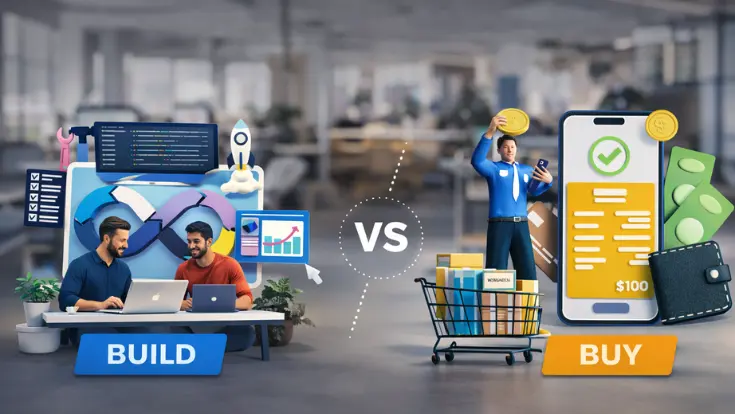
Build versus buy custom software versus SaaS decision guide Strategy 8 min read

Build vs. Buy: Custom Software vs. SaaS for Enterprise Decisions

Read Strategy Guide
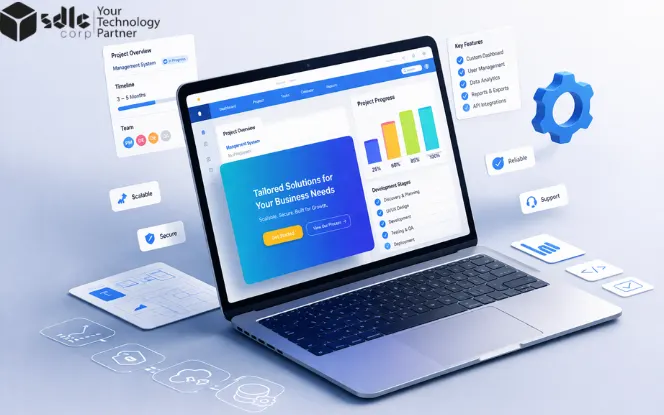
Software development cost pricing and timeline breakdown Cost Guide 10 min read

Software Development Cost, Pricing, and Timeline Explained

Read Cost Breakdown
FAQs
FAQ

Frequently Asked Questions

Straightforward answers to the questions enterprise teams ask before committing to a legacy modernization engagement, covering timelines, cost, risk, NDA terms, and delivery methodology so you have everything you need before a scoping call.

01

What is legacy software modernization?

Legacy software modernization is the process of updating end-of-life systems using modern technologies, architectures, and practices. It covers strategies from rehosting to full rearchitecting, preserving existing business logic while eliminating technical debt, security vulnerabilities, and scalability constraints. It also creates the foundation for machine learning and AI integration on a stable modern infrastructure.
02

How long does legacy software modernization take?

Timeline depends on system complexity, codebase condition, integrations, data migration, target architecture, testing depth, operational constraints, and the modernization strategy selected for each component. We define phased milestones after discovery and architecture assessment.
03

What are the 7 Rs of application modernization?

The 7 Rs are Retire (decommission unused systems), Retain (keep as-is where risk outweighs benefit), Rehost (lift-and-shift to cloud), Replatform (move with minor optimization), Repurchase (replace with SaaS), Refactor (restructure code without behavioral change), and Rearchitect (redesign the system architecture). SDLC Corp evaluates each system component against all seven before recommending an approach.
04

Will modernization cause downtime for our operations?

Downtime risk depends on the architecture and cutover approach. Where business continuity is critical, we can use parallel-run, staged cutover, blue/green, canary, rollback, or other release strategies to reduce disruption and validate the modernized system before full transition.
05

What is the difference between modernization and a full rewrite?

Modernization can preserve valuable business logic while refactoring, replatforming, integrating, or replacing selected components. A full rewrite starts from a clean architecture and may be appropriate when the existing codebase, product model, or technology constraints make incremental modernization impractical. The right choice depends on the current system and target state.
06

How much does legacy application modernization cost?

Cost depends on codebase size and condition, integrations, data migration, target architecture, security requirements, testing depth, business-continuity needs, and the modernization strategy selected. We provide a scoped commercial model after discovery and dependency mapping. Commercial terms are defined after the current system, dependencies, modernization strategy, validation needs, and delivery responsibilities are understood.
07

Do you sign an NDA before the assessment?

An NDA can be used where confidentiality or system-access requirements call for one. The timing and terms are agreed as part of the engagement setup before sensitive code, architecture, or data is shared.
08

Which industries do you specialize in?

SDLC Corp has delivered modernization engagements across Healthcare, BFSI, Manufacturing, Government, Retail, Logistics, Telecommunications, and EdTech. Regulated industries make up the majority of our modernization practice due to our compliance-first delivery approach.

Let’s Talk About Your Product

Get expert guidance on scope, architecture, timelines, and delivery approach so you can move forward with confidence.

What happens next?