
AI Governance & Assurance Platform
Govern AI systems with evidence and accountability.
Manage AI inventory, risk reviews, validation evidence and approval decisions in one platform. Track changes across models, agents and autonomous systems.
Systems › Claims triage agent v2.3 · sample data
ApprovedInterface visuals are illustrative and use sample data.
- AI governance teams
- Risk and compliance
- TEVV and validation leads
Assurio in production
Production adoption and governance coverage
Assurio has more than 120 production deployments and is used by five customer organisations. Deployment count, user count and AI-system inventory are different measures; they should not be read as customer counts.
AI system governance coverage
The platform inventory contains 40 registered AI systems, with governance workflows currently active for 12 of them.
When AI Changes, Evidence Must Keep Up
An AI system is more than its model. Data sources, tools, permissions, people and operating conditions shape what it can do.
Evidence Is Scattered
Results sit across evaluation tools and reports, with no single record of what was tested and why.
Approvals Live Somewhere Else
The decision is recorded apart from the evidence that was meant to support it.
Change Goes Unnoticed
A later change can leave an approval resting on assumptions that no longer hold.
Connect system requirements, test results and approvals in one traceable record.
From AI Inventory to Accountable Decisions
Establish scope and ownership, assess risk, evaluate performance and review evidence. Track subsequent changes to determine when a decision needs to be revisited.
- 01
Scope
Record the system, its intended use and the operating conditions the decision will cover.
- 02
Govern
Assign ownership, permissions and who may accept residual risk.
- 03
Assess
Assess exposure across data, tools, permissions and autonomy before testing.
- 04
Test
Test the relevant claims against requirements and acceptance criteria.
- 05
Evidence
Review whether evidence is relevant, sufficient and current.
- 06
Decide
Make an accountable decision within a clearly stated scope.
- 07
Monitor Change
Watch for model, permission, threshold and environment changes.
- 08
Reassess
Revalidate only the conclusions a change affects, and record why.
AI Governance and Assurance Capabilities
Manage inventory, controls, evaluations, evidence and change reviews in a connected workflow.
Governance and Risk Record
Keep an AI inventory with owners, intended use, models, components, agents and suppliers. Connect risk and impact assessments to policies, lifecycle gates, controls and exceptions. Record who may accept residual risk and who can restrict a use when conditions fail.
AI-BOM and ML-BOM records preserve component dependencies, versions, hashes and provenance. Third-party evidence remains linked to the supplier and configuration it covers. Framework mapping connects applicable NIST AI RMF, ISO/IEC 42001, ISO/IEC 23894, EU AI Act and internal-control requirements to the work and evidence; a mapping is not a compliance determination.
- AI inventory
- AI-BOM and ML-BOM
- Framework mapping
Evaluation to Decision
Connect requirements and acceptance criteria to scenarios, metrics, results and findings. Review whether evidence is relevant, sufficient and current before deciding.
Retain rejected and inconclusive findings alongside successful tests so the record explains the limits as well as the conclusion.
- Acceptance criteria
- Findings review
- Inconclusive results kept
Evidence Behind the Decision
Trace each result to the evaluated system, domain, requirement baseline and method. Preserve provenance, review history and controlled evidence revisions. Preserve evidence history and link revisions to the decisions they support.
Review requirements, unresolved findings and the operating conditions covered by each decision. Signed artifacts and protected records support integrity controls; retention and immutability policies must fit the deployment architecture.
- Evidence ledger
- Provenance
- Controlled revisions
Adaptive, Agentic and Autonomous
For adaptive systems, define what may change and which evidence conditions permit continued use. For agents, connect identity, tool permissions, action boundaries, escalation and human oversight to the system record. For autonomous systems, evaluate operating limits, fallback and intervention across the assembled system.
Runtime controls enforce configured boundaries at the relevant execution points. Log operational events for subsequent review and reassessment.
- Agent permissions
- Runtime boundaries
- Human oversight
Change Connected to Evidence
A model replacement, permission change, revised threshold or new operating environment can affect different parts of the assurance record.
Trace those dependencies, identify stale evidence and direct revalidation toward the claims that need it. Preserve the reason for reusing unaffected evidence.
- Dependency tracing
- Stale evidence
- Targeted revalidation
Tools Your Teams Already Use
Bring evidence from requirements systems, model registries, MLOps, observability, simulation and test infrastructure into the assurance process. Use API and integration contracts to preserve identifiers, versions and provenance across tools.
Connect enterprise GRC, ERP, CRM and workflow systems where AI decisions affect business operations. Document integration ownership, event formats, access controls and failure handling.
- Registries and MLOps
- GRC, ERP and CRM
- API contracts
Deploy for the Environment
Customer-hosted and dedicated deployment designs support controlled enterprise use. Connected edge and disconnected operation require explicit synchronization, data-freshness and authorization rules. Separate execution workers, protect evidence access and define role- and attribute-based permissions.
Deployment planning establishes security controls, retention, recovery, integration scope and the evidence that can be shared with reviewers. Configure the deployment architecture to the operating environment and data requirements.
- Customer-hosted
- Edge and disconnected
- Role and attribute access
Start With the Next Decision
Use the AI System Inventory Template to establish scope and ownership. Use the AI Assurance Checklist to identify missing evidence before a review.
For organizational responsibilities, the Enterprise AI Governance Operating Model provides the wider context.
- Inventory template
- Assurance checklist
- Operating model
How Assurio Connects Evidence to Decisions
Define operating limits, collect test evidence across environments and trace findings to requirements, so every decision states what it covers and what would change it.
TEVV Multi-environment test, evaluation, verification and validation evidence
Change detected → reassess the affected evidence
Select a component to see its role in the assurance record.
- 1
Declare the system boundary: components, permissions and operating limits.
- 2
Collect TEVV evidence across simulation, test and operating environments.
- 3
Trace every requirement to its results, review and decision.
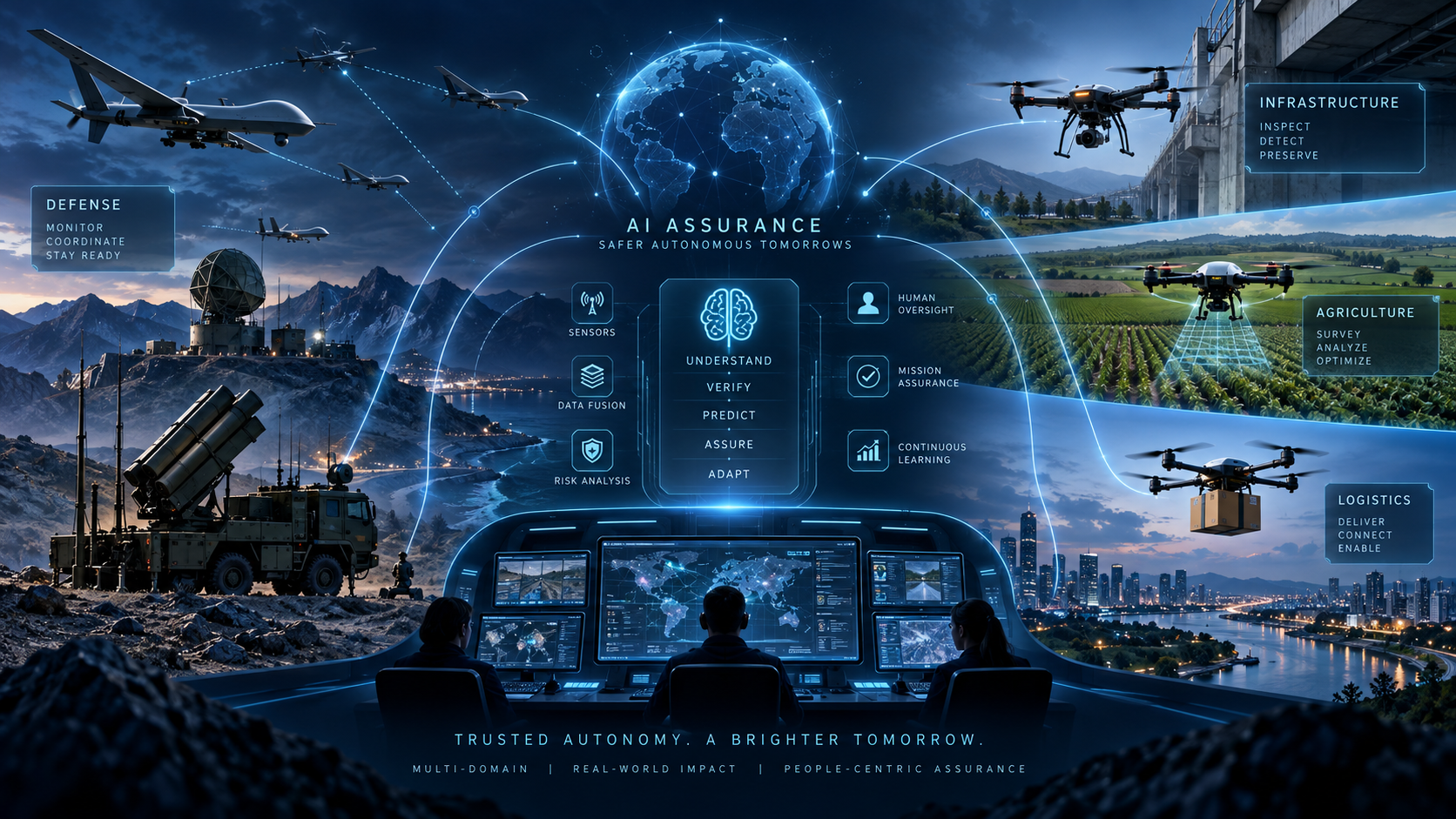
AI Assurance for Adaptive and Autonomous Systems
Explore how system boundaries, validation evidence, human review and change-triggered reassessment come together in an AI assurance workflow.
Black-box validationTEVV evidenceHuman oversight
SDLC Corp engineering experience
Engineering Experience Relevant to AI Assurance
SDLC Corp's work in computer vision, governed analytics, operational monitoring and human-supervised AI informs our approach to assurance engineering.
AI perception and monitoring
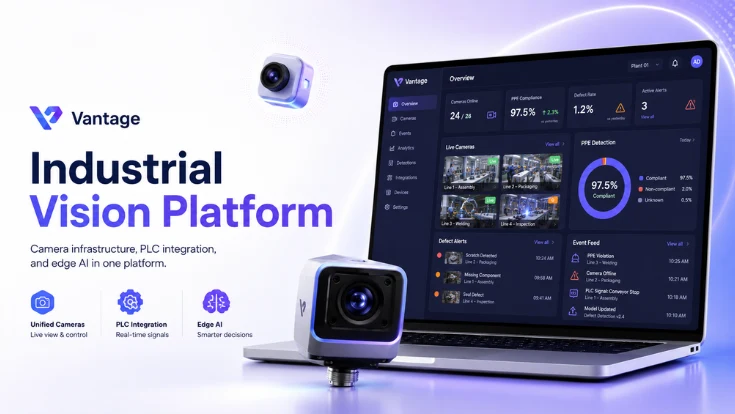
Vantage — Industrial Vision
Computer vision workflows for monitoring events and reviewing AI-generated detection results.
Explore VantageData governance and evidence
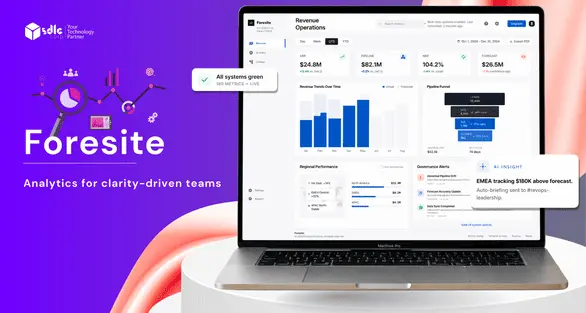
Foresite — Governed Analytics
Governed reporting, data traceability and analytical workflows.
Explore ForesiteHuman oversight and escalation
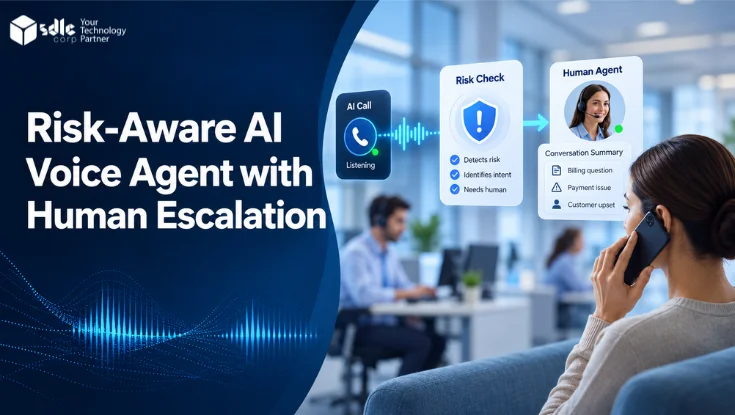
Risk-Aware AI Voice Agent
Policy-controlled AI interactions with escalation to human reviewers.
Read the case studyOperational diagnostics

AssetIQ — Asset and Maintenance Operations
Operational status, asset condition monitoring and maintenance data workflows.
Explore AssetIQComparisons and Resources
Product comparisons, governance use cases and assurance workflows.
- Buyer's guideAI Governance Platforms Compared
- ComparisonAssurio vs ModelOp
- ComparisonAssurio vs Credo AI
- ComparisonAssurio vs Holistic AI
- ComparisonAssurio vs IBM watsonx.governance
- ComparisonAssurio vs OneTrust AI Governance
- Case studyAI Governance and Assurance for a Regulated Enterprise
- Case studyAI Governance for ERP-Connected Automation
- WalkthroughContinuous Assurance for a Changing AI System
Frequently Asked Questions
Answers about deployment, validation, governance and integrations.
Assurio unifies AI governance, risk management, inventory, model and agent oversight, assurance, validation and continuous monitoring across the AI lifecycle.
Assurio supports AI testing and evaluation workflows, but its scope goes beyond individual tests. It connects requirements, domains, metrics, evidence, findings and decisions across the assurance lifecycle.
Yes. Assurio brings together AI inventory, policies, ownership, risk assessments, lifecycle controls, approval gates and exceptions, with evidence and framework mapping connected to enterprise GRC workflows.
No. Assurio does not claim universal proof of AI safety, automatic certification or authority to operate. It helps organizations structure evidence and make decisions within a clearly declared scope.
Assurio is designed to integrate with external engineering, requirements, simulation, model-management, evaluation and observability systems rather than replacing every tool in the evaluation stack.
Yes. Assurio's assurance model is designed to retain system baselines, evidence and decisions and to identify when later changes may require reassessment.
See Assurio
in Action
Review your AI systems, governance requirements, evaluation evidence and deployment needs with our team.
- Contact Us
Scope Your Assurio Pilot
What happens next?
- We review your requirements
- Strategy call with experts
- Clear roadmap & estimate
- NDA Protected
- Enterprise Grade Delivery
- Global Clients