CLOUD APPLICATION ENGINEERING

Cloud Application Development Services for Cloud-Native Products

SDLC Corp builds cloud-native applications on AWS, Azure, and Google Cloud, including SaaS platforms, APIs, event-driven services, and scalable web applications. We design the application and cloud architecture together so teams can deploy, monitor, and evolve the product without unnecessary infrastructure complexity.


Cloud-native Engineering
AWS · Azure · GCP Platforms
Applications APIs · SaaS
GoodFirms top rated 4.9 out of 5 AppFutura verified agency 4.9 out of 5 Clutch verified partner 4.9 out of 5
Request a Proposal
Cloud delivery credibility

Cloud Engineering Backed by Broader Software Delivery Experience

Cloud application work combines product engineering, architecture, integration, DevOps, security, observability, and operating-model decisions. Our broader delivery experience spans enterprise, education, transport, finance, retail, and technology environments.


3,400+Projects delivered
1,200+Engineers
2015Founded
ISO9001:2015 & 27001:2022
AWSMicrosoft AzureGoogle CloudKubernetesDockerTerraformGitHub ActionsArgo CD
WHAT WE BUILD

What Is Cloud Application Development ?

Cloud application development is the process of designing and engineering applications to use cloud-native infrastructure, managed services, APIs, containers, serverless components, and elastic deployment models. SDLC Corp focuses on building the application and its cloud architecture together so the product can be operated, monitored, and evolved as one system.

Discuss Your Cloud Architecture
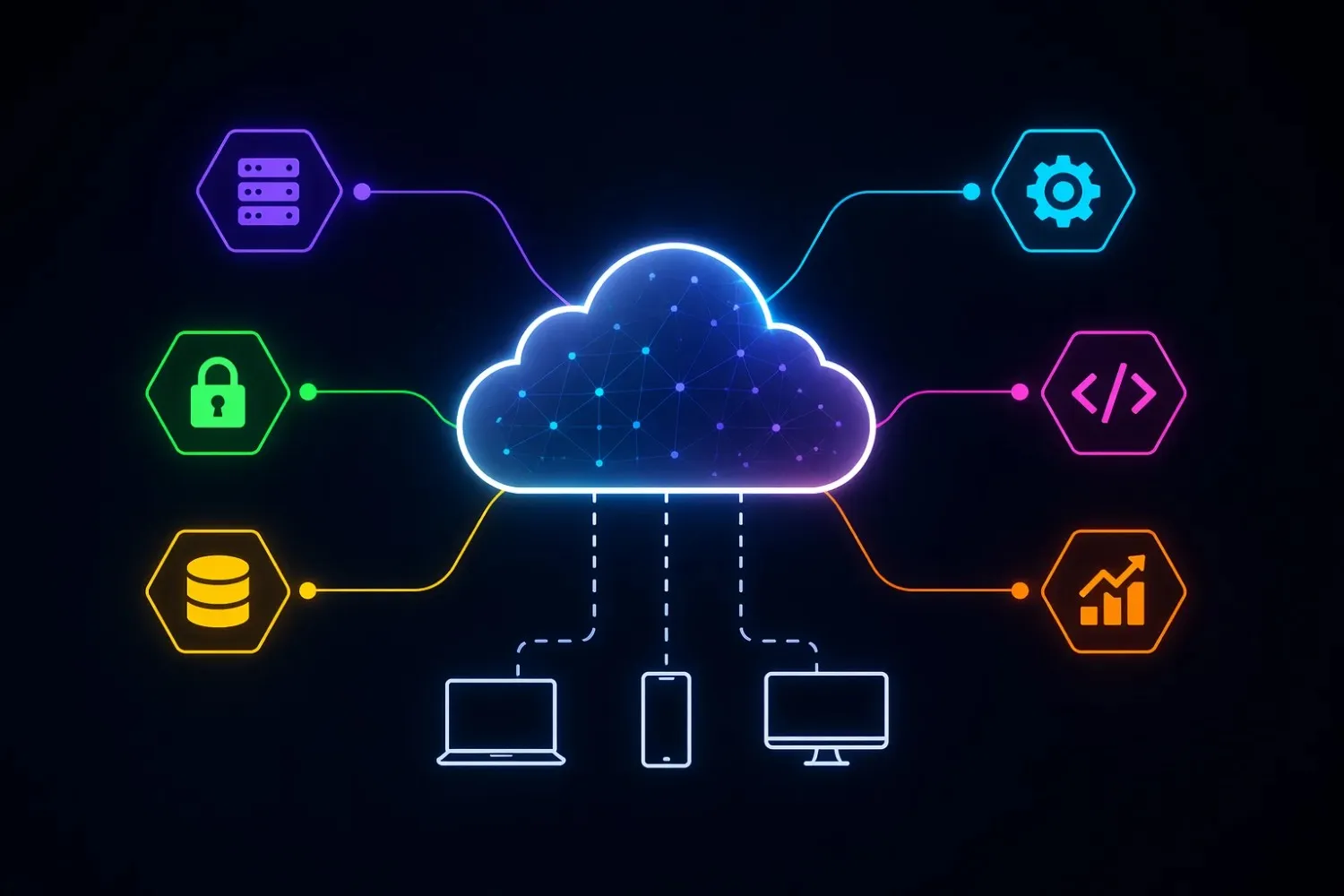
Cloud application development architecture on AWS Azure GCP
Cloud-Native ArchitectureMicroservices · Containers · Serverless

Types of Cloud Application Development We Handle

Choose an application architecture based on workload, data, integration, resilience, and operating requirements—not on a generic cloud pattern.

Cloud-Native Apps
Architected with microservices, containers, serverless components, and managed services where they fit the workload, with scaling and operational responsibilities designed into the platform.
Managed-Cloud Applications
Applications designed to use managed databases, queues, storage, identity, observability, and other cloud services without recreating unnecessary infrastructure.
Hybrid Application Architectures
Application components can span cloud and existing environments when data locality, legacy dependencies, latency, or operational constraints require it.
OUR SERVICES

Our Cloud App Development Services

SDLC Corp covers the application lifecycle from architecture and product engineering through deployment, observability, and ongoing improvement. Migration and legacy modernization are handled by their dedicated service pages when the primary goal is moving or reworking an existing system.

01

Cloud-Native Application Development

Cloud-native applications architected with managed services, containers, serverless components, APIs, and deployment patterns selected around workload and operating requirements.

02

SaaS Application Development

Multi-tenant SaaS platforms with subscription workflows, role-based access, tenant isolation, observability, and security controls mapped to the product and operating requirements.

Plan SaaS architecture
03

Serverless Application Development

Event-driven applications using services such as AWS Lambda, Azure Functions, and Cloud Run where serverless execution fits workload, cost, latency, and operational needs.

04

Microservices Application Development and APIs

Decompose legacy monoliths into independently deployable services connected via secure REST and GraphQL APIs.

Explore software integration
05

Cloud Integration & Managed Services

Connect cloud applications to existing systems and managed cloud services using APIs, queues, storage, identity, event flows, and secure service-to-service communication.

Explore cloud transformation
06

Cloud Application Architecture Scaling

Scale a cloud application's architecture as usage, integrations, resilience needs, and team ownership evolve. For legacy re-platforming or migration, use our modernization services.

Explore Legacy Modernization
07

Cloud Delivery, CI/CD & Observability

Build deployment pipelines, infrastructure automation, monitoring, and release controls around the application so teams can ship changes with traceability and rollback options.

Plan cloud delivery & DevOps
08

Cloud Security & Resilience Engineering

Design access controls, encryption, secrets handling, logging, backup, resilience, and recovery requirements into the application architecture based on the product's risk profile.

View Security Services
INDUSTRIES WE SERVE

Industries We Serve with Cloud Application Development

Cloud applications often support regulated or operationally sensitive workflows. We design around the security, access, data, integration, and availability requirements defined for each industry and project scope.

Healthcare cloud application development

Healthcare Cloud Application Development

Healthcare cloud applications can support patient records, telehealth, remote monitoring, and clinical analytics with architecture planned around agreed healthcare data, access, and interoperability requirements.

Healthcare software development

Fintech cloud application development

Fintech Cloud Application Development

Fintech cloud applications can support digital banking, payments, trading, and risk workflows with security controls, auditability, data protection, and compliance requirements defined for the specific engagement.

Fintech software development

eCommerce cloud application development

eCommerce Cloud Application Development

High-availability storefronts, order management, and inventory systems built to handle peak traffic without degradation.

eCommerce development

Logistics cloud application development

Cloud App Development for Logistics Companies

Real-time cloud application development for fleet tracking, route optimization, and IoT cloud application development services across logistics operations.

Logistics software development

Manufacturing cloud application development

Cloud Application Development for Manufacturing

IoT-connected platforms for factory automation, predictive maintenance, and quality control workflows.

Manufacturing software development

Automotive cloud application development

Automotive Cloud Application Development

Connected vehicle platforms, telematics, dealership CRMs, and EV charging infrastructure apps. Available as cloud application development services for startups or enterprise pilots.

Automotive software development

Real estate cloud application development

Real Estate Cloud Application Development

Property management, MLS portals, virtual tour platforms, and tenant billing on the cloud, delivered as cloud application development services for enterprises.

Real estate software development
Education EdTech cloud application development

Education and EdTech Cloud Application Development

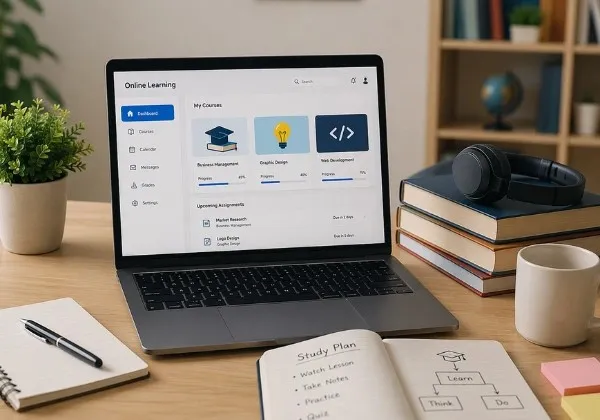
Cloud LMS, virtual classrooms, and e-learning platforms designed for changing usage levels, content delivery, reporting, and integration needs.

EdTech app development
OUR PROCESS

Our Cloud Application Development Process Step by Step

A structured engineering lifecycle for cloud applications, with architecture, application code, infrastructure, testing, deployment, and observability treated as one delivery system.

PHASE 01 · DISCOVERY

Discovery & Cloud Architecture

We map product requirements, system dependencies, data flows, workload characteristics, and operating constraints, then define the application and cloud architecture together.

  • Requirement mapping
  • Architecture blueprint
  • Compliance review
  • TCO estimate
PHASE 02 · SETUP

Product Design & Cloud Foundations

Product design and cloud foundations progress together, including environments, identity, deployment patterns, observability, and the infrastructure required by the application.

  • Wireframes and prototypes
  • Kubernetes clusters
  • Container setup
  • CI/CD pipelines
PHASE 03 · BUILD

Cloud Application Engineering

Application engineering proceeds in reviewable increments across frontend, backend, APIs, managed services, and infrastructure, with working software used to validate progress.

  • Planned delivery iterations
  • Frontend and backend parallel
  • API integrations
  • Regular progress reviews
PHASE 04 · TEST

Application, Integration & Resilience Testing

Testing covers functional behavior, integrations, performance, permissions, failure handling, and security requirements appropriate to the application and agreed scope.

  • Functional testing
  • Performance and load
  • Security scans
  • Compliance validation
PHASE 05 · DEPLOY

Deployment & Release Engineering

Deployment uses automated pipelines and infrastructure definitions where appropriate, with release controls, health checks, monitoring, and rollback planning built around the application's operating model.

  • Automated CI/CD
  • Terraform IaC
  • Controlled deployment options
  • Rollback and continuity planning
PHASE 06 · OPTIMIZE

Observability & Lifecycle Improvement

Post-launch support can include monitoring, incident response, dependency updates, performance review, capacity planning, and cloud-cost analysis based on the agreed support model.

  • Monitoring model defined by scope
  • Support coverage defined by engagement
  • Periodic capacity and cost reviews
  • Cost optimization
TECH STACK

Cloud Application Development Technologies and Tools

Our cloud engineers work across major cloud platforms and cloud-native technologies including AWS, Microsoft Azure, Google Cloud, Kubernetes, Terraform, and Docker. Technology choices are based on workload, security, integration, team ownership, deployment, and operating requirements.

Cloud Platforms
  • AWS
  • Microsoft Azure
  • Google Cloud
  • DigitalOcean
  • Oracle Cloud
5Technologies

Multi-cloud or hybrid patterns considered where portability, data, resilience, or organizational constraints justify the added complexity.

Cloud Platforms
Infrastructure and DevOps
  • Kubernetes
  • Docker
  • Terraform
  • Ansible
  • Jenkins
  • GitHub Actions
  • ArgoCD
  • Helm
8Technologies

Container orchestration and CI/CD selected according to application architecture, release process, and operational ownership.

DevOps & Delivery
Backend Development
  • Node.js
  • Python
  • Java
  • Go
  • .NET Core
  • PHP
6Technologies

Backend architectures designed around expected concurrency, integrations, latency, reliability, and operating requirements.

Backend Engineering
Frontend Development
  • React
  • Angular
  • Vue.js
  • Next.js
  • TypeScript
5Technologies

Frontend applications designed around usability, accessibility, maintainability, performance, and supported device/browser requirements.

Frontend Engineering
Databases and Storage
  • PostgreSQL
  • MongoDB
  • Redis
  • MySQL
  • Amazon RDS
  • DynamoDB
  • Elasticsearch
7Technologies

Data technologies selected around consistency, access patterns, latency, search, governance, and operational needs.

Data & Storage
Monitoring
  • AWS CloudWatch
  • Datadog
  • Grafana
  • Prometheus
4Technologies

Observability can include logs, metrics, traces, alerts, dashboards, and cloud-cost visibility according to the agreed operating model.

Observability

Together, these technologies help us build secure, scalable, and high-availability cloud applications with faster deployment cycles and lower infrastructure risk.

WHY CHOOSE SDLC Corp

Why Engineering Leaders Choose SDLC Corp for Cloud Development

Cloud application delivery depends on architecture quality, integration design, operational visibility, security planning, and maintainable ownership. Our approach keeps those concerns connected to the application build instead of treating cloud infrastructure as a separate afterthought.

Cloud Architecture and Platform Expertise

01

Architecture decisions are made around workload patterns, managed services, integration needs, team ownership, and long-term operability across AWS, Azure, and Google Cloud.

Security and Operational Controls by Design

02

Security requirements such as access control, encryption, secrets handling, audit logging, dependency review, and vulnerability testing are incorporated according to the agreed risk profile and scope.

Delivery Planning Around Application Complexity

03

Delivery cadence and release timing are defined around product scope, integration complexity, architecture, testing needs, and operating requirements rather than a universal project duration.

Engagement Models for Cloud Application Delivery

04

Engagement structure can be aligned to scope clarity, roadmap maturity, delivery ownership, and the level of specialist cloud, application, QA, and platform support required.

Visible Delivery and Technical Ownership

05

Keep architecture decisions, release status, source access, environments, dependencies, and delivery responsibilities visible throughout the engagement.

Ownership and Confidentiality Defined Upfront

06

Confidentiality, source access, intellectual-property ownership, environments, and handover responsibilities are defined in the engagement agreement before delivery begins.

THE COMPARISON

How to Evaluate a Cloud Application Development Partner

Evaluate potential partners based on architecture quality, delivery visibility, ownership, security planning, integration capability, support model, and long-term maintainability.
Evaluation FactorWhat to VerifySDLC Corp Approach
Cloud platform fitArchitecture matched to workload and operating modelAWS, Azure, and Google Cloud options assessed by scope
Security planningIdentity, access, secrets, encryption, logging, and recovery requirementsSecurity requirements mapped during architecture and delivery planning
Delivery ownershipClear roles, review points, environments, and escalation pathsResponsibilities and governance defined in the engagement model
Commercial modelStructure that fits scope certainty and roadmap maturityCommercial terms scoped after discovery
Ownership and handoverSource access, documentation, deployment guidance, and IP termsDefined by the engagement agreement
Support modelMonitoring, incident response, maintenance, and release responsibilitiesDefined by operating requirements and support scope
Delivery timelineMilestones tied to dependencies, testing, and readinessDefined after discovery and architecture planning
ConfidentialityNDA and data-processing terms before sensitive access where requiredAgreed before sensitive code, data, or environments are shared
Our Track Record Selected company and cloud delivery context
AWS · Azure · GCP Cloud platform coverage
Cloud-native Cloud platform capability
2015 Founded
1,200+ Engineers
PRICING

How Much Does Cloud Application Development Cost in 2026?

Cloud application cost depends on the product scope, architecture, managed services, integrations, data requirements, security controls, availability targets, environments, release model, and ongoing support expectations.

Project TypeEstimated RangeTimeline
Focused Cloud ApplicationScope-basedTimeline defined after discovery
SaaS ApplicationScope-basedTimeline defined after discovery
Complex Cloud PlatformScope-basedTimeline defined after discovery
Migration Program — see modernization servicesScope-basedTimeline defined after discovery
Cloud-Native Rebuild — see modernization servicesScope-basedTimeline defined after discovery

Cost Factors

App complexity. Features, integrations, and user roles.
Cloud platform choice. AWS, Azure, and GCP differ in service pricing.
Compliance requirements. HIPAA, GDPR, PCI DSS, and SOC 2 add overhead.
Team size. Dedicated team versus project-based engagement.
Post-launch support. L1 monitoring or full L1 to L3 managed service.
Team composition. Onshore, nearshore, or blended pods.
Want a precise estimate? Final cost depends on scope, integrations, platform, compliance, and support tier. A scoped estimate is prepared after the product, architecture, integrations, security requirements, and support expectations are understood.
RESOURCES

Cloud Application Development Resources

Plan your cost, architecture, timeline, and technology choices before kicking off a cloud application build. These guides help you walk into the project with the answers, not the questions.
FAQ

Frequently Asked Questions

Answers to the most common questions about our cloud development services, pricing, timelines, and engagement models so you have everything you need before a scoping call.

01

What is cloud application development?

Cloud application development is the process of designing, building, and operating software on AWS, Azure, or Google Cloud instead of on local servers. These applications use auto-scaling, serverless computing, and containerization to deliver high availability, global reach, and cost efficiency.

02

How much does cloud app development cost?

Cloud application cost depends on product scope, architecture, integrations, data, security requirements, environments, availability targets, testing, release model, and ongoing support. We provide a scoped commercial model after these requirements are understood.

03

What is the cloud application development timeline?

Timeline depends on product scope, architecture, integrations, security requirements, environments, testing depth, release model, and operational readiness. Delivery milestones and review cadence are defined after discovery and architecture planning.

04

Difference between cloud native and cloud hosted, what is it?

A cloud-hosted app is an existing application moved to cloud servers via lift-and-shift with minimal re-architecture. A cloud-native app is built from scratch with microservices, containers, and serverless functions to fully exploit cloud elasticity. Cloud-native delivers better long-term resilience and cost efficiency but requires more upfront architecture planning.

05

AWS vs Azure for cloud app development , which is best?

AWS, Microsoft Azure, and Google Cloud each support enterprise cloud application development. The right choice depends on workload, existing technology estate, identity, data, integration, security, regional availability, team capability, and operating requirements.

06

Do you sign an NDA before starting?

Confidentiality requirements, source access, intellectual-property ownership, and any required data-processing terms are defined in the engagement agreement before delivery begins.

07

Can you migrate our existing application to the cloud?

Yes, but migration is handled through our dedicated modernization services rather than this cloud application development page. We first assess the existing application, dependencies, data, and target architecture, then define whether rehosting, replatforming, refactoring, or another modernization path is appropriate.

08

What engagement models do you offer?

Engagement models are selected around scope clarity, roadmap maturity, delivery ownership, and the mix of application, cloud, QA, and platform expertise required. Responsibilities, review cadence, commercial structure, and handover terms are defined in the engagement agreement.

Let’s Talk About Your Product

Get expert guidance on scope, architecture, timelines, and delivery approach so you can move forward with confidence.

What happens next?