
- Home
- Custom Software Development Services
Custom Software Development Services
Our custom software development services connect approvals, reporting and daily operations. As a custom software development company, we design, build and maintain web applications, SaaS products and internal tools. For example, we delivered CrowdInvest, an investment platform with 2,000+ active investors during 2024–2025.
Company-wide delivery experience
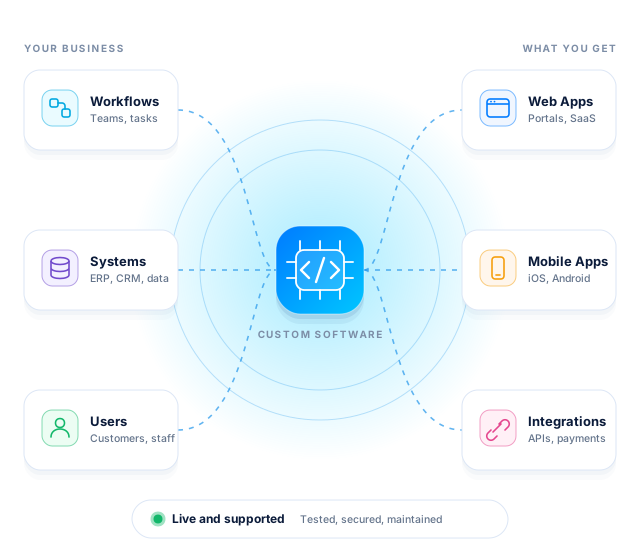
A custom software development company with cross-industry delivery experience
Custom software development services
Our custom software development services cover new applications and extensions to existing products. For example, build a new application when standard software cannot support essential workflows.
Applications
Custom Software Application Development
Build custom applications for customer self-service, approvals and daily operations. First, define the user roles and workflows; then set the tests each release must pass.
Explore Application Development ↗Platforms
SaaS Platform Development
Develop SaaS products with account administration, user permissions, subscriptions and reporting. Plan capacity around expected users and data volumes.
Discuss Your SaaS Platform ↗Modernization
Legacy Software Modernization
When an existing application needs replacement, assess its code and data before changing it. Use phased releases to keep essential operations running.
Explore Modernization ↗Integrations
Software Integration Services
Connect the new application to ERP, CRM, identity or payment systems through supported APIs. Define record ownership and retries so that failed exchanges can be resolved.
Explore Software Integration ↗Cloud
Cloud Application Development
Build and deploy applications on AWS, Microsoft Azure or Google Cloud. Before launch, confirm who manages access, monitoring, backups and recovery.
Explore Cloud Development ↗Support
Software Maintenance
After launch, plan defect fixes, dependency updates and improvements. A separate support agreement sets coverage, response targets and recurring costs.
Discuss Maintenance ↗Build, configure, extend or integrate?
Before choosing a custom software development company, check whether existing software can meet your essential requirements.
Existing platform
Configure
Configure an existing product when it supports your core workflows. However, compare license costs, integration limits and future upgrades before choosing it.
Additional workflows
Extend
Add modules or features when the existing application is a good fit. Also check compatibility with the platform and its upgrade path.
Connected systems
Integrate
Connect tools that already fit their tasks, but first check vendor APIs, access limits and record ownership.
Purpose-built application
Build
Build when available products cannot support essential workflows. Therefore, budget for engineering, hosting, maintenance and future changes.
Custom software solutions we’ve delivered
Our custom software solutions support investment, real estate, education and industrial operations.
CrowdInvest
Built a cross-border investment platform with investor onboarding, deal workflows and administrative controls. The 16-month build launched in November 2023.
- 2,000+ active investors · 2024–2025
- 5+ countries
- Role-based access
- Structured deal room
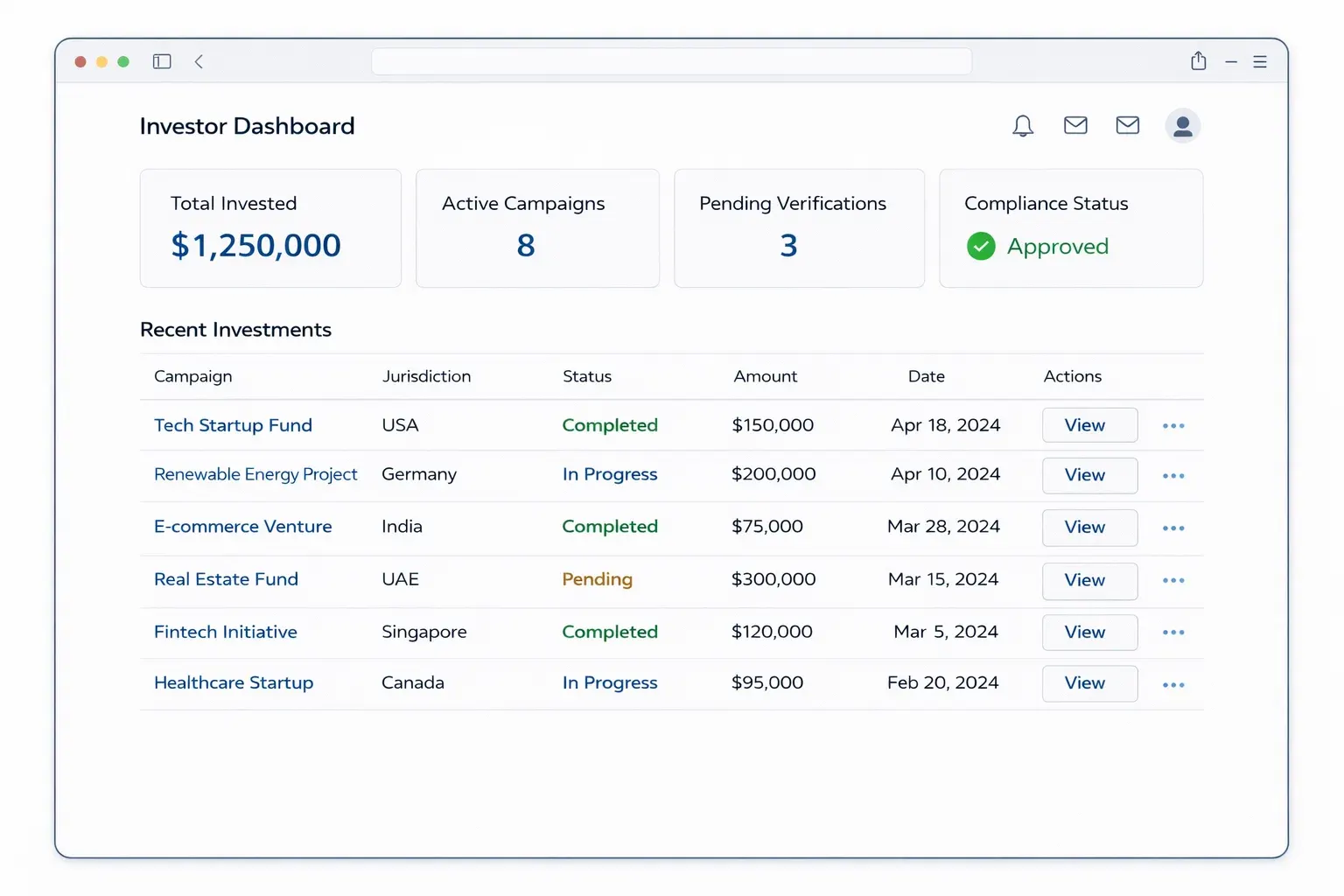
Dashboard illustration from the case study
Best Offer Package
Arbor’s 24-month platform build connected financing approval, offer preparation and tracked delivery. Users complete a form to generate an offer automatically.
- Pre-approval required before offers
- Shared buyer and financing records
- Offer preparation: 48 hours to 2 hours
- Delivery and opening tracking
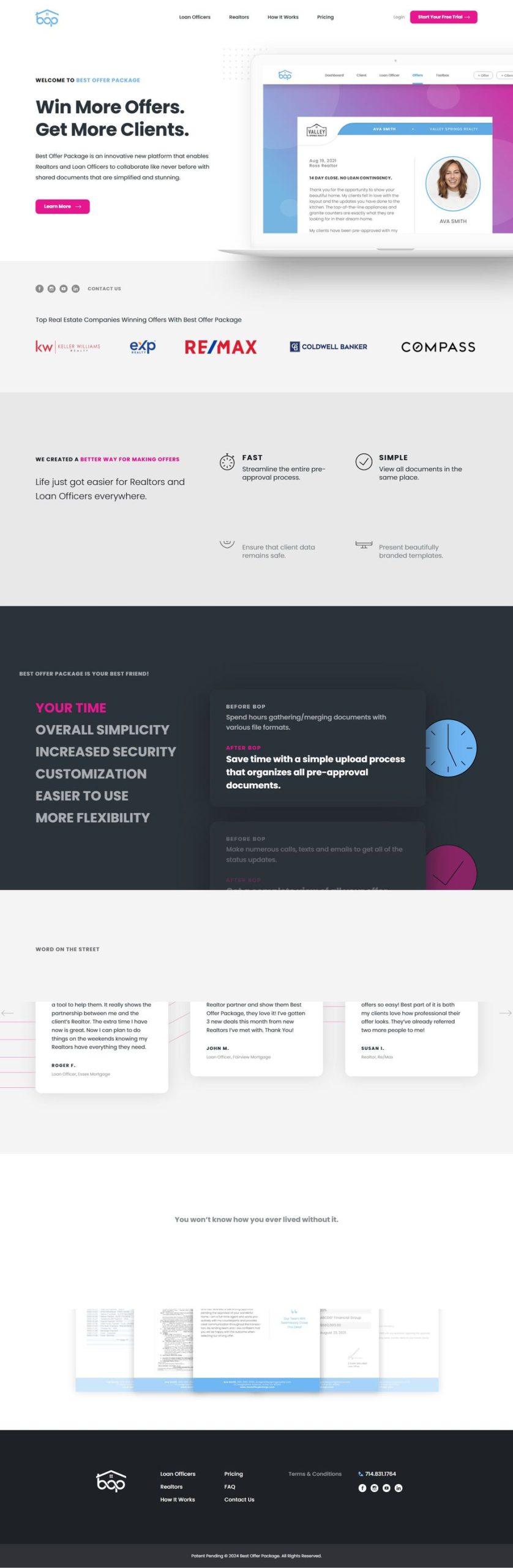
Public website preview
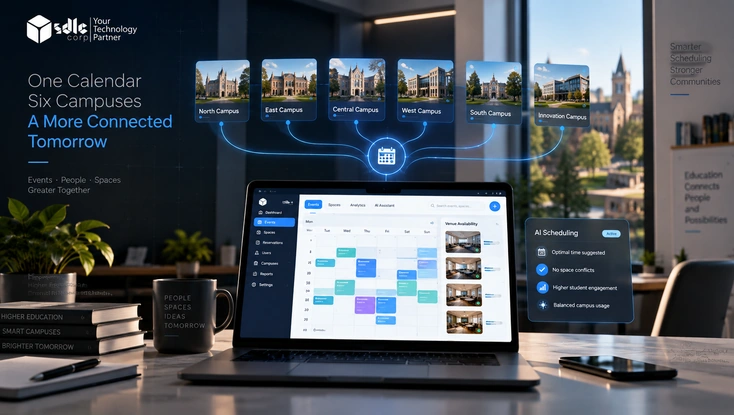
Education Event Management Platform
For six campuses, we connected registration, scheduling, approvals and check-in with university systems. The platform supports 1,900+ events a year following a 26-week rollout. Coordination time was measured against the baseline captured in discovery.
- 68% less manual coordination time
- Measured 12 months after launch
- SIS + LMS integration
- QR/NFC check-in
Industrial IoT Machine Monitoring
QuantusTechnik’s machine-monitoring system brings live output, runtime, cycle counts and utilization into one view, replacing separate operator logs. Reporting and monitoring time was measured over three months after go-live against the three months before automation, using the client’s operations dashboard.
- 60% less manual reporting
- 70% less time spent monitoring
- Live output, runtime and cycles
- Utilization and efficiency reporting

Software products
we’ve engineered
These products demonstrate the custom software solutions we build for service requests, mobile fieldwork and stock transactions.
Workflow automation
Ostium
Service teams manage requests through configurable forms, approval paths and business-hours SLA timers. In addition, shared records, role-based access and APIs support workflows across departments.
Explore Ostium ↗Web and mobile applications
Enclave
A web console and mobile apps connect complaint intake, fieldwork and visitor access. Meanwhile, role-specific screens, offline drafts and QR passes keep tasks linked to their operating records.
Explore Enclave ↗Business data and transactions
Stockyard
Purchases, receipts, stock issues and returns post to a shared PostgreSQL ledger. As a result, transaction validation, lot and serial tracking, and server-side permissions keep inventory movements traceable.
Explore Stockyard ↗Custom software client reviews
See how clients describe working with our custom software development company on applications, connected operations and software planning.
“They've quickly understood our business context, moved fast, and brought recommendations rather than questions.”
Brandy Kuentzel reviewed SDLC Corp's AI and custom software development work for her veterinary care company.
Co-Founder & CEO
“The temperature sensors for perishables gave us peace of mind”
Robert Khachatryan described tracking, fleet management and temperature monitoring for a supply chain project.
Founder
“They provided a clear and detailed roadmap”
Ritujoy Narayan Chowdhury reviewed planning for client-service automation, reporting, task tracking and dashboards.
Managing Director
Custom software
development pricing
Compare indicative prices for our custom software development services. For comparison, these prices cover the example releases below. We confirm your estimate after reviewing scope.
MVP Development
A first web or mobile release for one priority user journey, such as submitting a request and tracking its status.
- Price
- $10,000
Web Applications
An operations application for submitting requests, assigning work, tracking progress and viewing reports.
- Price
- $30,000
Mobile Apps
A field-service app for viewing assigned jobs, recording updates and submitting photos, connected to an existing backend.
- Price
- $30,000per OS, or one cross-platform app for both
Business Portals
A customer or partner portal for account access, request submission, status updates and reporting.
- Price
- $25,000
Workflow Automation
One approval workflow connecting request intake, reviewer decisions and notifications.
- Price
- $10,000
What Changes the Estimate?
Included in the agreed release: Application interface, QA, handover and 30 calendar days of defect correction against acceptance criteria.
Integrations, migration and exclusions
Each price covers the example workflow described above. Confirm these assumptions in your project proposal:
- MVP: One priority user journey. External integrations and existing-data migration require a separate scope.
- Web application: Request submission, assignment, progress tracking and reports. Connections to existing systems and imported records are separately scoped.
- Mobile app: Job updates and photo submission using an existing backend. New backend development, additional system connections and data migration are separately scoped. Native pricing applies per operating system; a cross-platform release covers iOS and Android.
- Business portal: Account access, requests, status and reporting. ERP/CRM connections and migration of existing accounts or transactions are separately scoped.
- Workflow automation: One intake, approval and notification workflow. External system connectors and migration of historical requests are separately scoped.
Dedicated UX research, ongoing support, taxes, hosting, subscriptions and third-party fees are excluded unless agreed. The proposal defines any new backend work and confirms the final integration and migration scope.
Prices are indicative USD estimates. Final pricing depends on requirements and the cost drivers above.
Use the Software Development Cost Calculator
Request a Scoped EstimateDelivery ownership and billing
When choosing a custom software development company, agree who manages delivery, approves work and controls spending.
Delivery arrangement
Project delivery
SDLC Corp manages engineering, QA and releases, while your product owner approves scope, changes and acceptance. Then choose fixed-price or time-based billing.
Delivery arrangement
Dedicated product team
Choose a dedicated team when you need continuing development across releases. Your product owner sets priorities, while SDLC Corp coordinates engineering, QA and delivery. In either case, the engagement defines team capacity, responsibilities and recurring cost.
Charging basis
Fixed price
Use for defined deliverables and acceptance criteria. First, agree milestone prices before work begins. If requirements change, approve the cost and schedule impact before implementation.
Charging basis
Time and materials
Choose time and materials when the backlog is likely to change. Then review hours, spending and completed work at an agreed cadence.
Custom software development process
Our custom software development services cover planning, design, engineering, testing and release. Throughout delivery, your team reviews scope, designs and test results before approving work.
- 01
Software Discovery & Planning
First, review workflows, users, data and existing systems. Then approve a backlog covering integrations, exclusions and acceptance criteria.
- 02
Architecture & Design
Review prototypes, architecture, data models and interface contracts first. Then your product and technical owners approve the design for implementation.
- 03
Development and Iteration
Your product owner prioritizes the backlog, while developers, designers and QA deliver working software for review in each iteration.
- 04
Testing & Quality Assurance
QA checks application behaviour, integrations and the agreed load and security requirements. Before the pilot, your product and technical owners review the results and any remaining defects.
- 05
Launch & Ongoing Support
Confirm migration checks, cutover steps and rollback responsibilities before deployment. Handover provides the agreed code access, deployment assets, documentation and training for your operating team.
Sample release acceptance checklist
Use this sample to agree release checks with your product and technical owners. However, the final checklist follows the project scope.
- Check the agreed user journeys and permissions against acceptance criteria.
- Review integration test results, including failed exchanges and retries where relevant.
- Record remaining defects, their severity, owners and the release decision.
- Review migration reconciliation, cutover and rollback checks where these are in scope.
- Confirm repository access, deployment assets, documentation and handover responsibilities.
View the Best Offer Package sample delivery and acceptance pack (PDF, 4 pages) for a project-specific roadmap, workflow checks and handover checklist. Please note that this is an illustrative sample, not a completed test report or client sign-off.
Custom Software Architecture in Practice
Best Offer Package shows how custom software solutions connect realtors, loan officers, buyer records and offer documents. Explore its architecture and workflow.
Application Layer
Angular dashboards give realtors and loan officers different actions on a shared buyer record. However, each role retains responsibility for its part of the transaction.
Business Rules
Before a realtor can create an offer, the assigned loan officer must complete pre-approval.
Data Layer
SQL Server stores buyer, financing, offer and activity records, while Amazon S3 holds uploaded and generated documents. As a result, document storage remains separate from transaction tables.
Integration Layer
REST APIs connect application services. For example, Stripe supports subscription billing, while email and delivery services support notifications and tracked offer submission.
Validation
Before an offer can advance, the platform checks that the documents required for that action are available.
Activity Tracking
Activity records show who performed an action and how the transaction progressed. In addition, delivery and opening events help realtors follow up on submitted packages.
Security and data protection
For custom software solutions, define access, data protection and recovery requirements first. Then test the agreed controls before release.
Identity
Role-based access
Give each user the access their responsibilities require.
Data protection
Data encryption
Protect sensitive data in transit and at rest.
Sign-in
Multi-factor authentication
Strengthen sign-in for privileged and sensitive workflows.
Interfaces
Secure APIs
Validate inputs and enforce authentication across integrations.
Traceability
Audit logs
Record important actions so teams can investigate changes.
Reliability
Monitoring and updates
Track production health and keep dependencies current.
Security assurance documents
Our Trust Center lists ISO/IEC 27001:2022 and ISO 9001:2015 certificate details. SOC 2 Type II report access is available on request, subject to confidentiality requirements.
Before appointing a custom software development company, confirm the project-specific testing, remediation evidence and recovery checks included in its delivery plan.
Review assurance documents and access requirementsSoftware technology stack
Choose technologies for custom software solutions around users, data, integrations and operating needs. Also consider the skills your team will need to maintain the software.
Responsive web experiences
Application services and APIs
Connected mobile applications
Business information and reporting
Reliable production environments
Automated quality checks
Plan Your
Software Project
Before commissioning custom software solutions, compare costs, delivery stages and the decisions your team needs to make.
Cost PlanningSoftware Development Costs
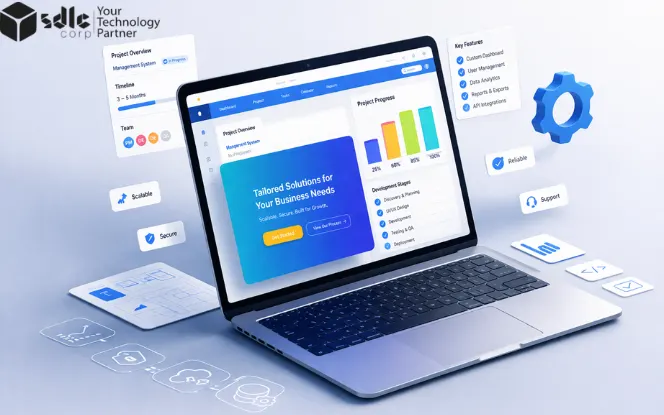
Understand how features, integrations and delivery phases affect the budget.
Explore Costs
Delivery ProcessFrom Requirements to Release
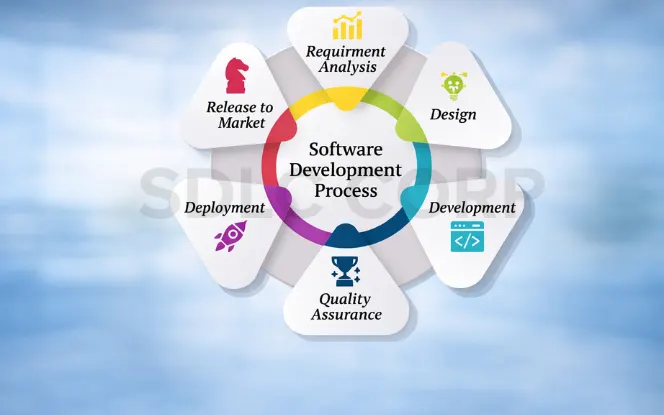
Review discovery, design, testing, deployment and handover.
Review Delivery Stages

DiscoverySoftware Consulting Guide
Clarify requirements, architecture, risks and the delivery roadmap.
Plan DiscoveryDiscuss Your Software Project
Discuss the custom software solutions your team needs. Tell us what your users need, where current systems fall short and what you want to deliver first. We then review your priorities in a free scoping discussion. If paid discovery is needed, we agree its scope and fee before it begins. An NDA can be signed before detailed discovery.
- 01 Architecture
- 02 Development
- 03 Integration
- 04 Deployment
Custom Software Development FAQs
Answers about scope, pricing, delivery, integrations, ownership and support.
Custom software development services cover the design, engineering, testing and deployment of applications built for specific business workflows. In addition, the engagement defines documentation, handover and support.
We estimate milestones after reviewing features, integrations, migration and approvals. Our case studies include a 26-week university rollout and a 16-month investment platform. Therefore, your schedule depends on your release scope and dependencies.
We review features, user roles, integrations, data and security requirements. For an initial budget, use the indicative offers above. Before work begins, the proposal confirms the scope and price. However, taxes, hosting and third-party fees are excluded unless agreed.
Configure when an existing product meets the essential requirements. Instead, extend or integrate when the gap is limited. Build when critical workflows cannot be supported without ongoing workarounds.
We first check vendor APIs, access restrictions and test environments. Then the integration scope identifies the records exchanged, their owners and how failed or duplicate messages are handled.
The contract defines code and data rights, account ownership and third-party licenses. Finally, at handover, you receive the agreed repository access, documentation, deployment assets and knowledge transfer.
Provide a product owner, technical contacts and approved access to systems and test data. In addition, your team answers business-rule questions and approves designs, acceptance tests and releases.
We assess each request’s effect on price, dependencies and dates. Then your authorized owner approves the change before implementation.
QA records results against agreed acceptance criteria. Before approving release, your product and technical owners review defects, migration checks and rollback readiness.
The project includes 30 calendar days of defect correction against agreed acceptance criteria. After that period, however, maintenance, monitoring, security updates and new features require a separate agreement.
We review the code, deployment process, dependencies and known defects. Then, based on the findings, we prepare a recovery backlog and an estimate for the next release.
We test record mappings and reconcile data before cutover. To reduce vendor dependence, agree export formats, repository and hosting access, documentation and license restrictions. Also plan pilot and rollback steps where needed.
- Contact Us
Let’s Talk About Your Project
What happens next?
- We review your requirements
- Strategy call with experts
- Clear roadmap & estimate
- NDA Protected
- Enterprise Grade Delivery
- Global Clients